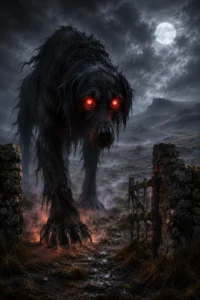
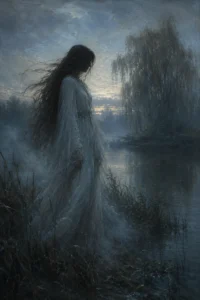
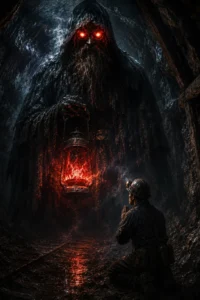
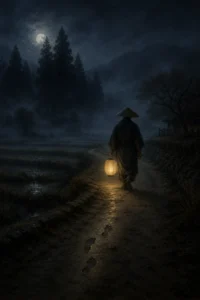
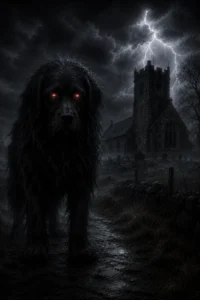
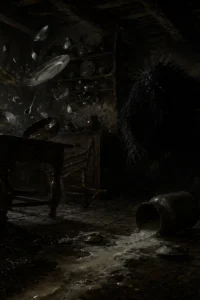
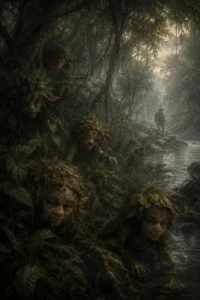
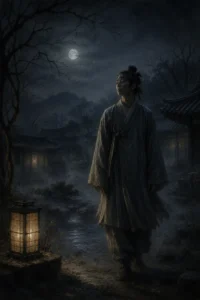
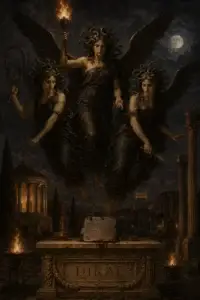
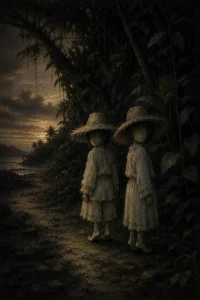
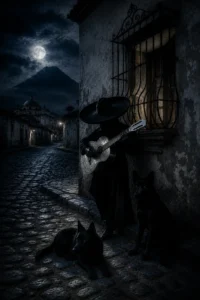
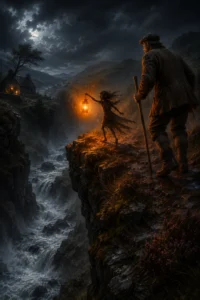
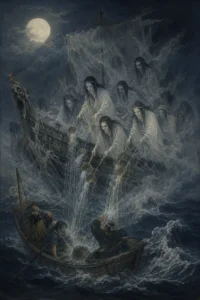
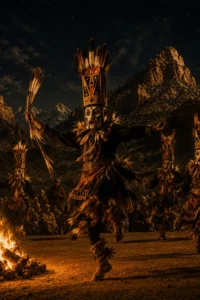
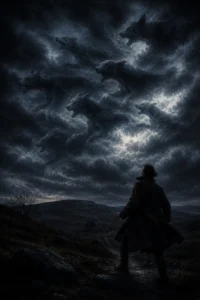
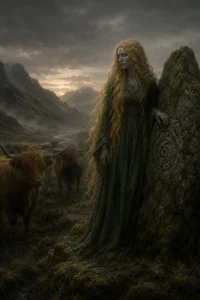
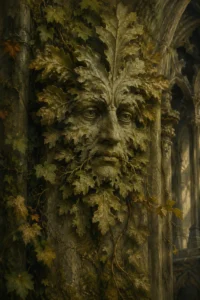
Spirits are conscious entities that embody disembodied states or an incomplete ontology: the dead subject to bindings, revenants, wandering consciousnesses, or powerful foreign beings. Archaeological and textual evidence comes from Mesopotamia, China, Egypt, as well as European folk traditions and occult traditions.
Cultural interpretation ranges between pathology, religious phenomenon, social memory, and the epistemological status of consciousness research across various academic disciplines. Their systematic study is carried out ethnographically, psychologically, and through theological comparison.
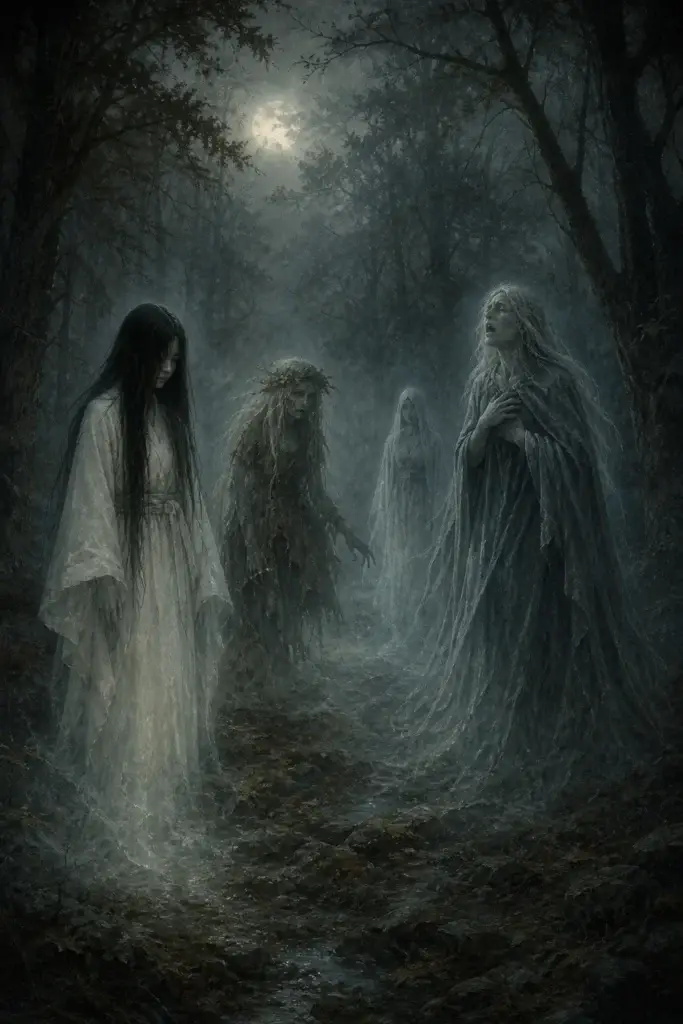
Spirits are a distinct class of beings in this website’s documentation, alongside gods, demons, and beings of light. The term groups together very heterogeneous figures: spirits of the unburied dead, nature spirits in forest, water, and mountain, household and threshold spirits, shapeshifters, messengers of death, and ambivalent, testing beings.
The distinction from demons is not always clear-cut. As a rule of thumb: demons are actively hostile, while spirits can be neutral, testing, or even benevolent.
A spirit of the dead becomes a demon when it acts out of revenge; a household spirit can become a demon when it is neglected. Most types of spirit are ambivalent, and respect and proper treatment determine the relationship.
This page offers a cross-cultural overview and leads to 30 detail pages on individual spirits from 16 cultures.
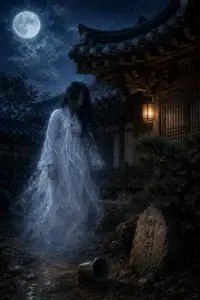
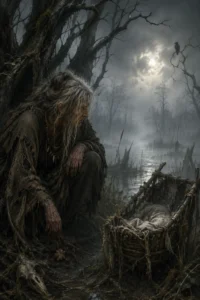
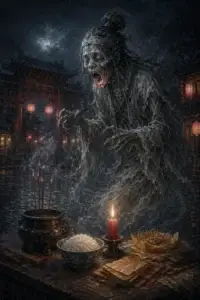
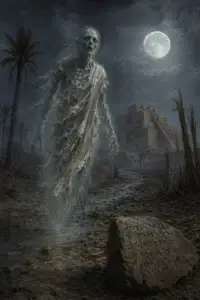
The largest subgroup. The deceased who, for various reasons, do not find the regular path to the afterlife: unatoned wrong, missing ancestral rites, violent death, unfulfilled longing. See spirits of the dead as a specialized landing page.
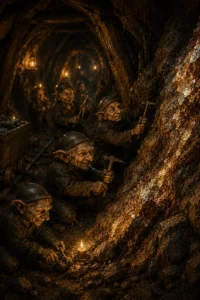
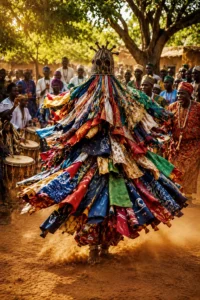
Bound to particular places: forest, water, mountain, spring, tree. Often with a guardian function. See water spirits and forest spirits as special landing pages.
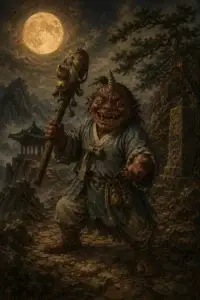
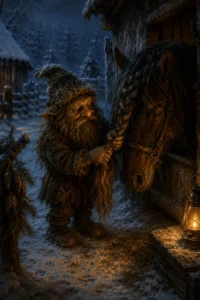
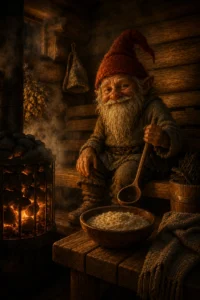
Household spirits. Bound to dwellings: beam, hearth, threshold. They can act protectively or, when neglected, disruptively. Examples: Dokkaebi (Korea), Nyen (Tibet, in part), household spirits of Germanic-Slavic folklore.
Shapeshifters. Beings able to change form between animal and human. See shapeshifters. Typical representatives: Huli Jing, Gumiho, Puca.
Messengers of death. Figures that escort the soul into the afterlife. See messengers of death. Classic examples: Yamaduta, Jeoseung Saja, Dullahan.
Vengeful spirits. A subgroup of the spirits of the dead with an active retributive profile. See vengeful spirits. Typical representatives: Onryō (Japan, as a Yuurei variant), Cheonyeo-gwishin.
Organized by region, with reference to the detail pages:
In terms of the history of religion, the class of spirits is perhaps the most universal of all classes of beings. While gods have different profiles in different pantheons, and demons are only elaborated with the later theology of the major religions, conceptions of spirits exist in virtually every documented human culture, from Paleolithic burial practices (the cave of Shanidar in Iraq, ca. 60,000 BCE, with indications of burial rites) to contemporary hauntology. In Primitive Culture (1871), Edward Burnett Tylor defined animism as the common underlying structure of all early religions: the notion that not only humans but also animals, plants, mountains, rivers, and natural phenomena are animated by spirit forces.
The research of recent decades has refined this position. In Par-delà nature et culture (2005), Philippe Descola distinguished four basic ontological patterns: animism, naturalism, totemism, and analogism. The conceptions of spirits in developed cultures are therefore not all animistic in Tylor’s sense, but follow their own ontological logics. The consequence for the history of religion: spirits are not a closed class, but a family of related conceptions with different structures depending on the culture.
From an empirical-phenomenological standpoint, the spirit experience is documented with remarkable consistency in the developed high cultures. Klaus Theweleit (Male Fantasies, 1977) and Erica Reiner have shown in Assyriology that the Mesopotamian spirit reports share phenomenological core features that recur in the Greco-Roman tradition (in Plutarch, Lucian, Pseudo-Apollodorus) and in the high-medieval visionary literature (Hildegard, Mechthild, Caesarius of Heisterbach). This consistency can be read in two ways within religious studies: as an indication of a real phenomenological layer, or as the result of cultural transmission mechanisms that shape the form of the report. The iWell Guard position makes no ontological decision here, but works in a methodically agnostic manner.
The treatment of spirits differs markedly from the warding off of demons. While protection and expulsion are predominantly appropriate against demons, with spirits the foreground is often appeasement, honoring, or transition.
Rites for the dead. Proper burial with grave goods, annual memorial rites (Jesa in Korea, Obon in Japan, Parentalia in Rome), Buddhist 49-day rituals. Missing rites are the main reason why spirits of the dead arise.
Offerings. Food, sake, flowers, incense burning. Household spirits are given small tokens: a sip of milk on the threshold, a bowl of rice on the hearth.
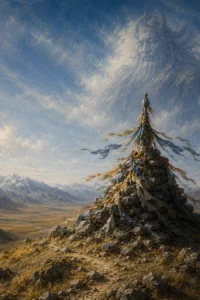
Respect for natural spaces. Not urinating in sacred waters, not felling certain trees, honoring mountain passes with stone offerings (La Btsas in Tibet, Mani heaps). The Tibetan Sang smoke offerings are a widespread means.
Against aggressive vengeful spirits. In acute attacks, the same means apply as against demons: sutra recitation, shamanic gut, Buddhist Cheondo-jae rituals. In the iWell Guard tradition, the protective field also acts against haunting and dark beings: “Haunting, spirits, dark beings, demons, and archons are denied power.”
The historical-religious tradition of protection against unwanted spirit influence is one of the oldest fields of magical action. The Mesopotamian aashipu rituals (exorcist priests, with the central Maqlu series) are attested since the 2nd millennium BCE and deal above all with disease spirits and ill effects of the dead.
The Greco-Roman tradition knows the Anthesteria rites for the controlled ending of the presence of the dead; the Golden Fleece, the reconciliation of the Erinyes, and the Lemuria rites are distributed across the annual festival calendar.
The high-medieval tradition knows the elaborated Christian exorcism framework, codified in the Rituale Romanum (1614) and modernized in its present form (1999).
In the iWell Guard protective field, all three classes of spirit (nature spirits with a threatening function, spirits of the dead, household spirits with a hostile tendency) are addressed through Layer 2 (defense against all forms of black magic) and Layer 6 (protection against energy theft) of the mantra.
Attempts by spirits to drain energy from the wearer or to take them over energetically are rejected by the protective field. Where influences have already been set, Layer 3 (transformation) takes effect, with the double line via Gaia and the Archangel Gabriel.

Spirits have a twofold currency in contemporary popular culture: on the one hand in horror film and games (Ringu, The Grudge, the Korean K-horror wave, the Japanese yokai tradition in manga and anime), and on the other hand in parapsychology and in spiritism.
In the lightworker tradition, spirits are understood as real beings that must be dealt with prudently. The iWell Guard protective field addresses them as one of the forms of threat, not as something to be annihilated across the board, but in a manner that “denies power” and lets them “exert no influence on the wearer.”
Academic engagement with spirit phenomena has expanded considerably in recent decades.
In The Haunted (2007) and Paranormal (2009), Owen Davies has examined the English tradition of haunting and spirits from a historical-anthropological perspective; Diana Walsh Pasulka (American Cosmic, 2019) has drawn the connection to the present-day UFO and extraterrestrial tradition, which structurally belongs to the class of spirits.
Jeffrey Kripal (Authors of the Impossible, 2010; The Flip, 2019) argues for a more open methodological stance that neither reductively explains away the phenomenological material nor, on the other hand, falls into a naive realist position.
This academic differentiation aligns with the iWell Guard position: spirit experience is a distinct layer of human experience that can be documented respectfully and methodically within religious studies, without an ontological decision having to be made in advance.
The protective practice works on the level of effect regardless of how the wearer answers the ontological question.
Special landing pages within the spirits category:
Related categories:
Further standard works in the literature index.




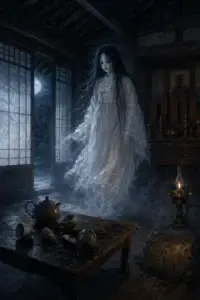
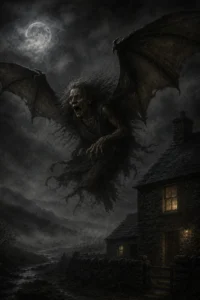


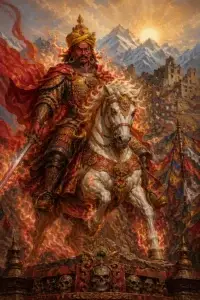

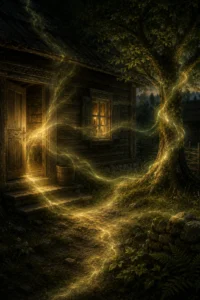


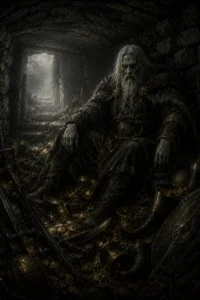


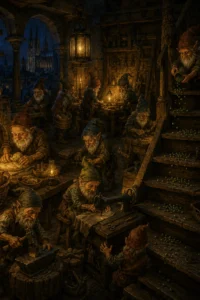
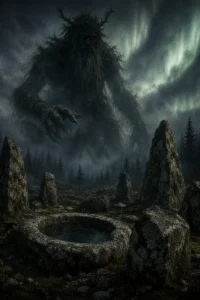
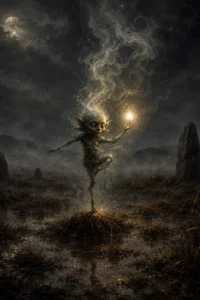
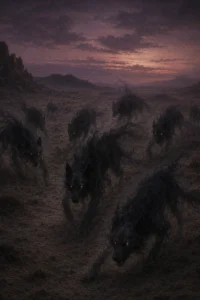


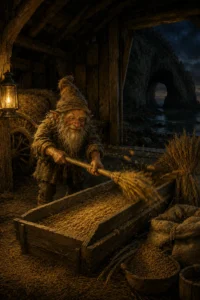

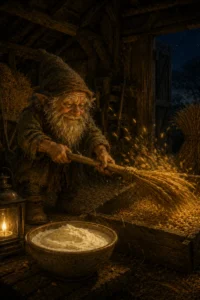
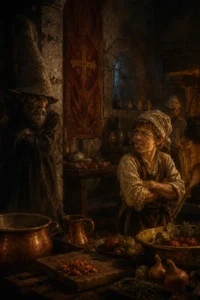

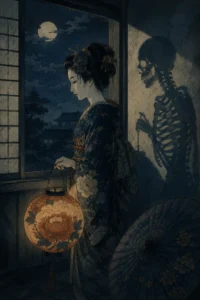
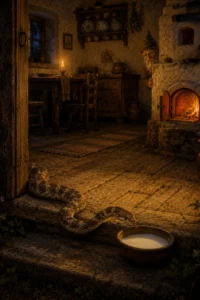



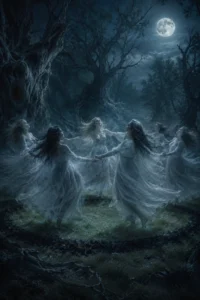





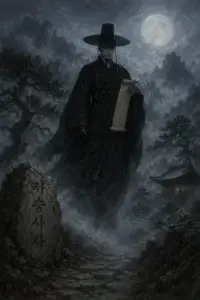

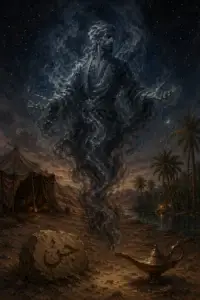


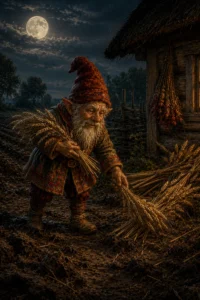


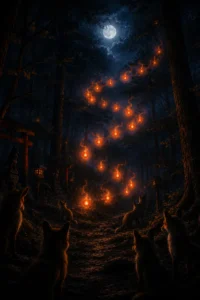

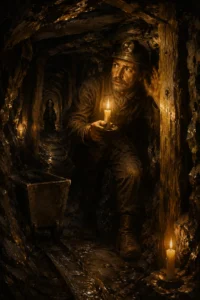

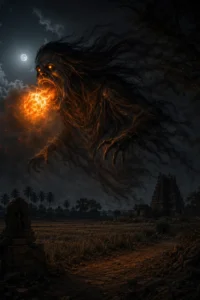






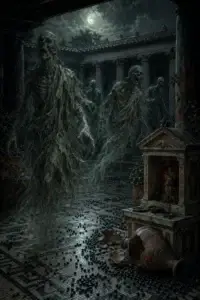

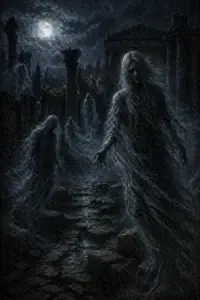
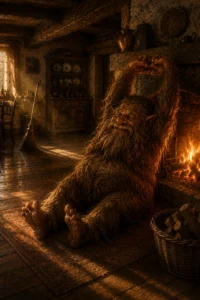


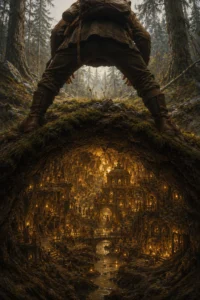



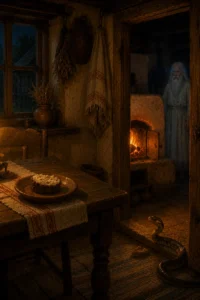


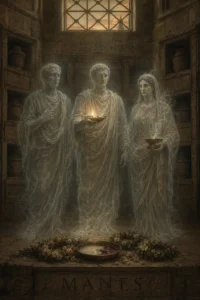





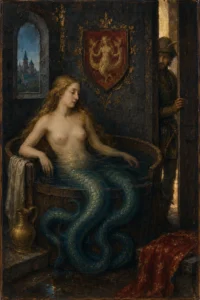

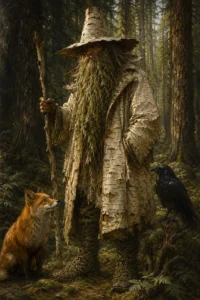



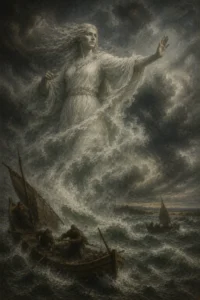

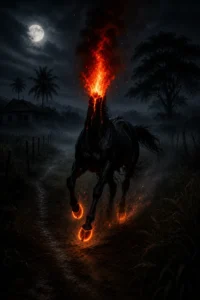
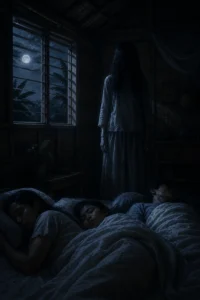


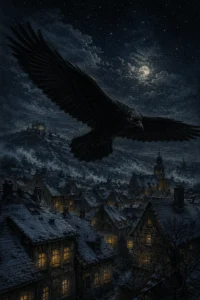


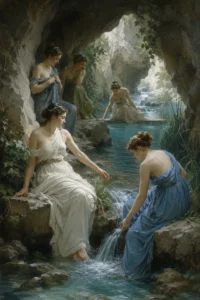
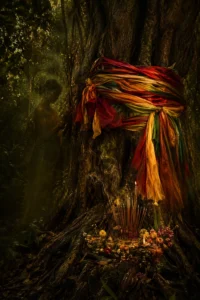






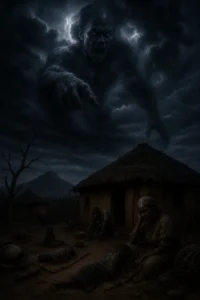

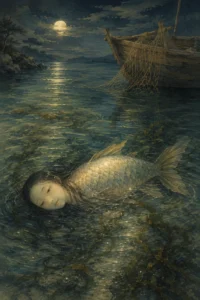

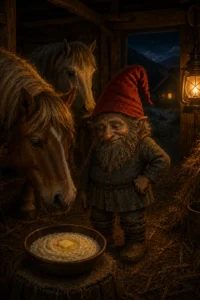

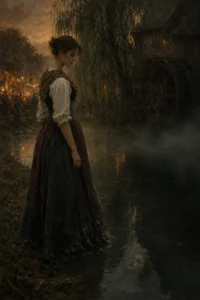
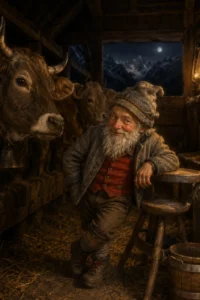



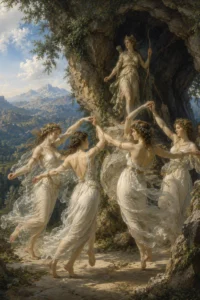

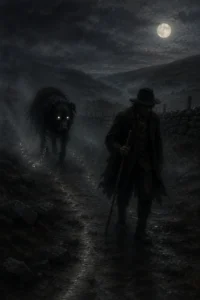


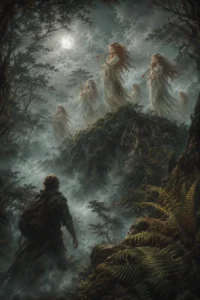




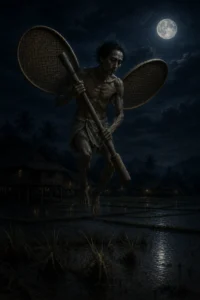
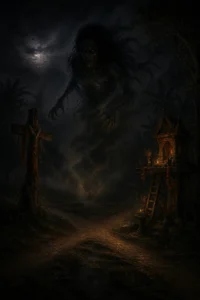


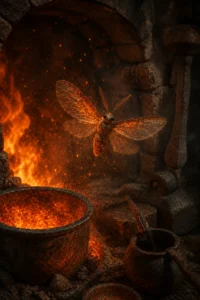
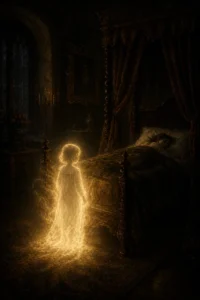



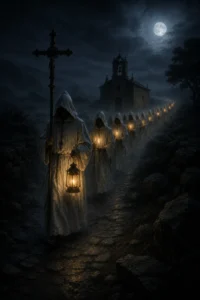

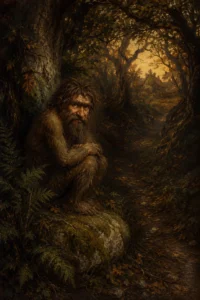







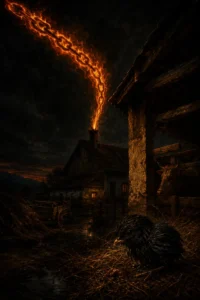
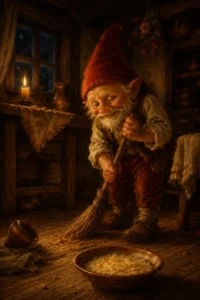
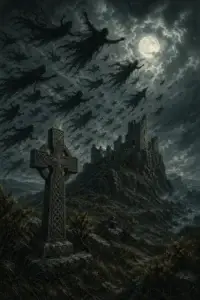
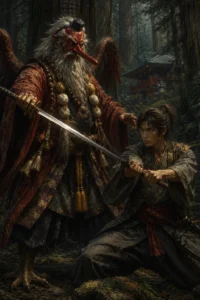













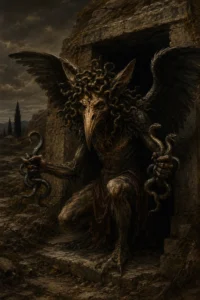
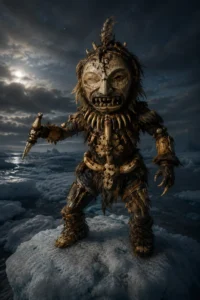
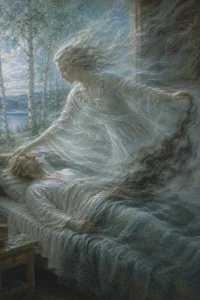

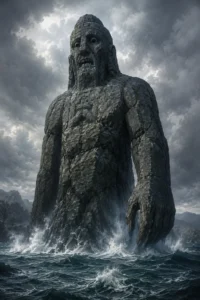
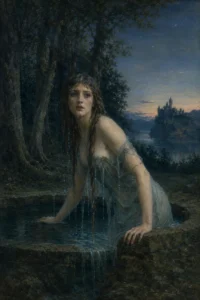
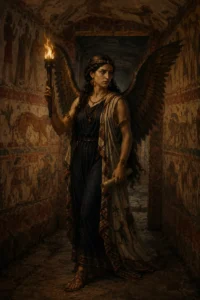

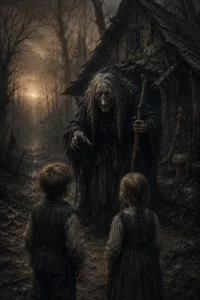


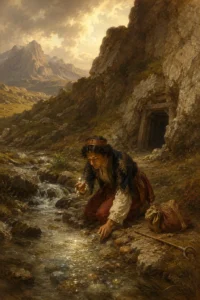

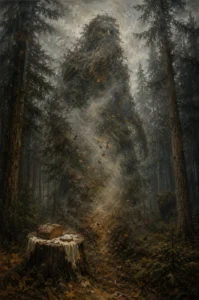


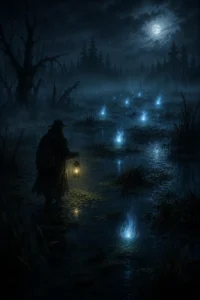
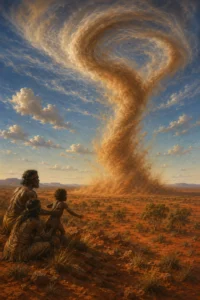
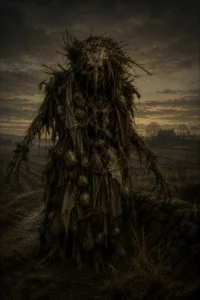







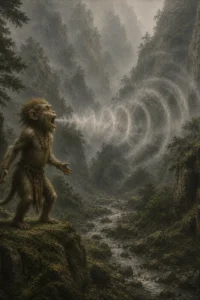
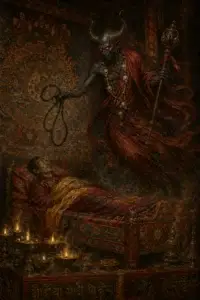
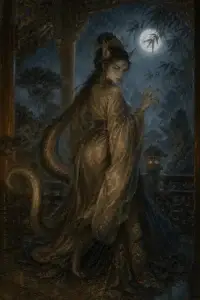

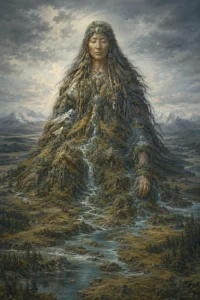



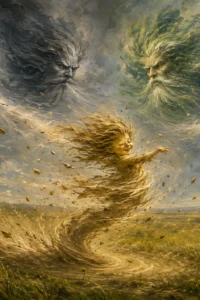

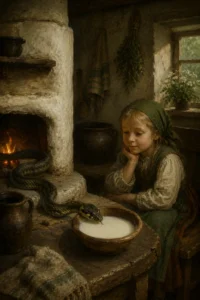

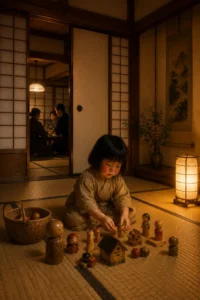

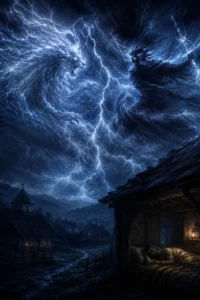


Conceptions of spirits are attested worldwide and range from ancestral souls through nature spirits to the restless dead. This overview places the types encountered across cultures within religious studies and shows how concepts of soul, afterlife, and return differ regionally, without being confined to a single cultural sphere.
Across all documented cultures, protective objects can be traced that people carried on the body, from Pazuzu amulets in Mesopotamia, through the Hamsa in the Mediterranean region, to the Mezuzah on Jewish doorposts and to Christian protective medallions. iWell Guard takes up this tradition in a contemporary material architecture, made in Germany, 41 layers, solid gold, platinum, silver. 30-day right of return.
Personal experiences may vary. Not a medical device. No promise of healing.