Night Beings and Sleep Paralysis
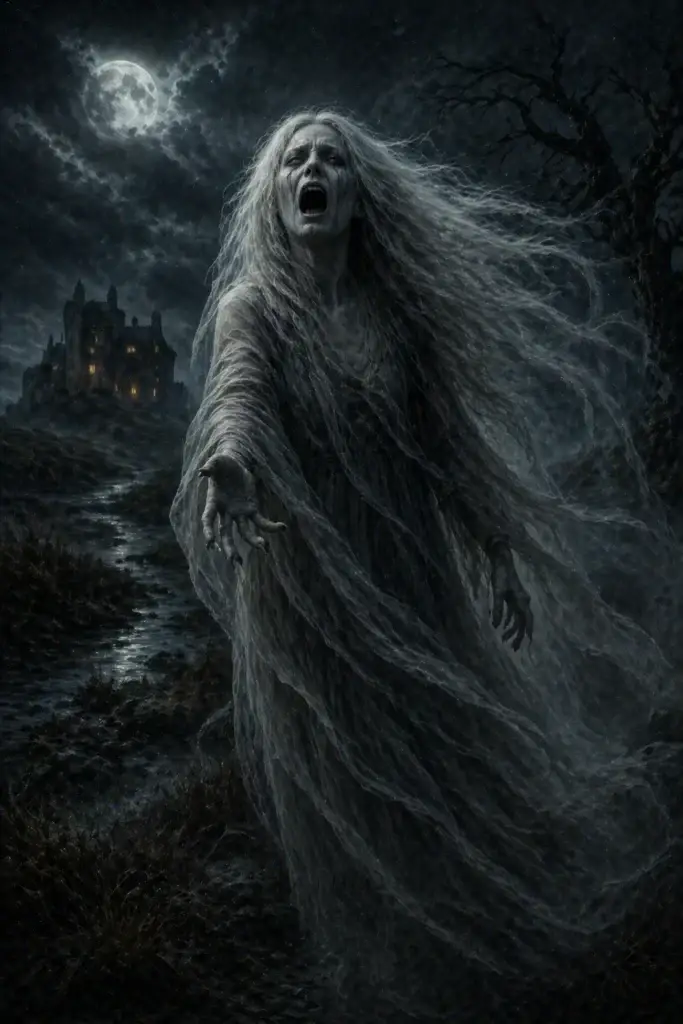
Night beings are nocturnal or sleep-state-associated entities described in folk belief, the history of medicine and neuropsychiatry, such as incubi, succubi, mare beings or sleep paralysis manifestations. Cultural and historical evidence ranges from late antique Christian patristic texts through medieval witch-trial records to modern clinical documentation of sleep paralysis and hypnagogic hallucinations.
The boundary between phenomenological experience and metaphysical reality remains contested across disciplines and cultures. Their existence is interpreted in cultural-historical terms as a manifestation of unconscious fear or of genuine parapsychic phenomena.
Table of Contents
Quick Overview (Definition List)
Type: Supernatural phenomena / being categorization Class: night beings Distribution: cross-cultural (European, Asian, African, etc.) Main characteristics: nocturnal activity, aversion to light, often demonic or malicious, influence on sleep, territorial behavior Related subcategories: demons, spirits of the dead, ghosts, vampires, practices
Night being concepts and sleep paralysis experiences occur worldwide in many mythologies.
Concept and Definition
Night beings are a functional category, not an ontological one. A night being could be a demon, a spirit of the dead, a fairy, or a shapeshifter; the shared property is nocturnal activity and a binding to the night.
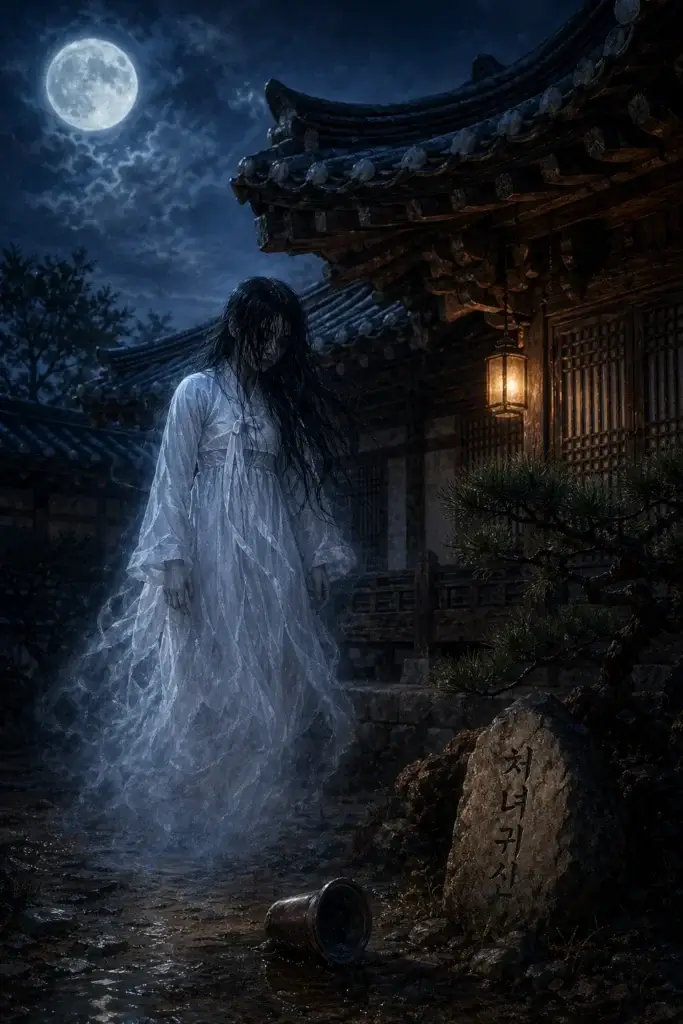
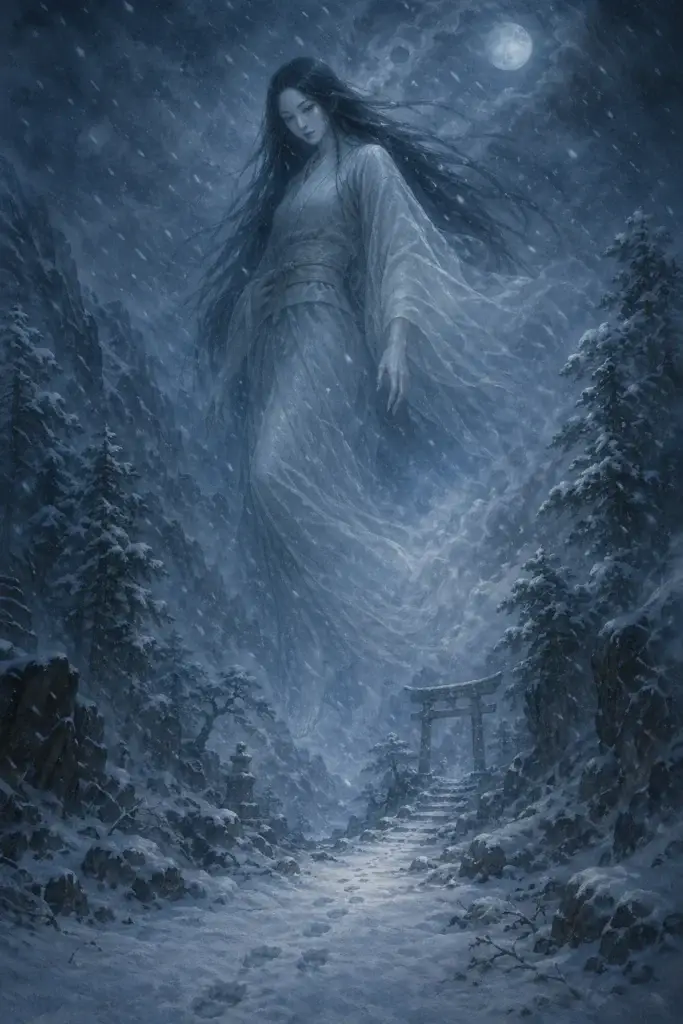
In the European context night beings are often evil or at least dangerous to people; in other traditions they can be neutral or benevolent. In contrast to specific being names (Yuurei, Kappa, Banshee), night beings is an overarching concept that brings together various traditions. Protection against them requires night-specific measures (light, prayers, iron, salt lines).
Night Beings as a Functional Class
The class of night beings is a functional category, not an ontological one. It covers beings from various classes (ghosts, demons, lesser gods) whose common denominator is the binding to the night or to the sleep state.
This binding is not accidental in cultural-historical terms: in practically all developed cultures the night is the sphere of obscurity, of the uncontrollable and of the encounter with the Other.
The phenomenology of religion (Mircea Eliade, The Sacred and the Profane, 1957) has analyzed the night as a cosmological sphere of threshold transition.
Cultural and Historical Examples
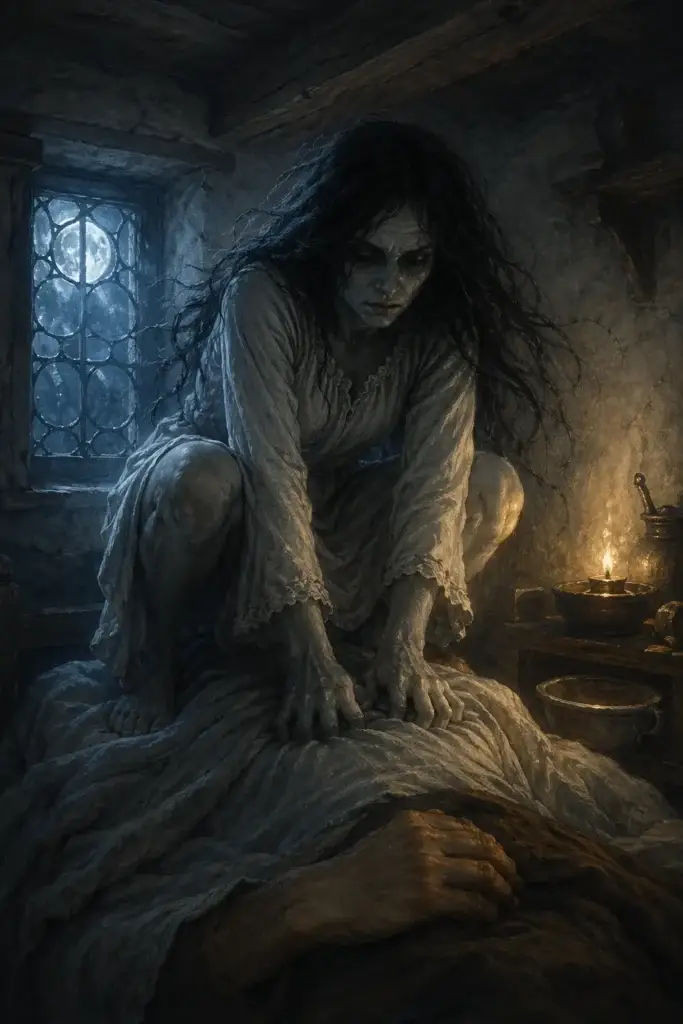
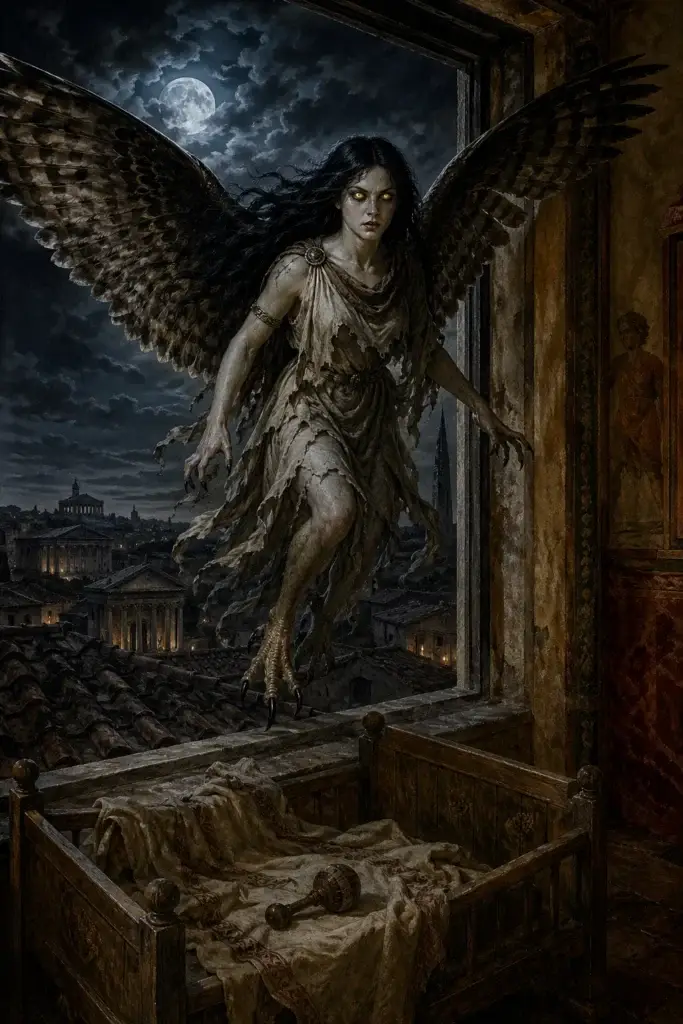
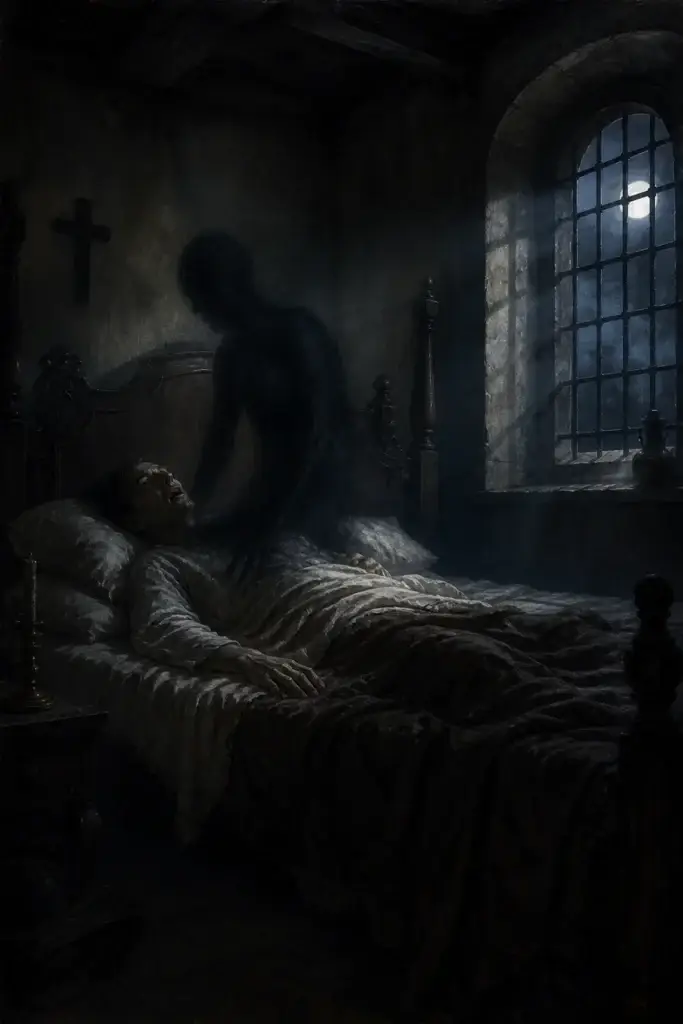
The Germanic and European Mahr or Mare is a night being that sits on sleepers and causes nightmares, a demonic being bound to the night and to the subconscious. The Roman incubus and the succubus are nocturnal demons that seduce or assault sleepers, a classic night being category with a sexual aspect.
The Japanese kanashibari phenomenon is a nocturnal paralysis caused by supernatural beings, with the night central to the mechanics, often accompanied by pressure on the chest. In African and Afro-Caribbean traditions, jumbie or obeah entities are often nocturnal and cause illness or madness.
The Chinese jiangshi (zombie corpse) is nocturnal and fears light; sunlight can destroy it or drive it back to the grave. European vampires are the prototypical night being: they can act only at night and fear sunlight, crosses, holy water and garlic.
In the European witch persecutions, nocturnal witch flights were central, with night being activity treated as proof of a pact with the devil. Slavic vily (fairies) are in part nocturnal and take revenge on those who transgress their rules.
State of the Sources
Night being concepts are documented in medieval European texts, in demonological writings (Malleus Maleficarum, demonological handbooks), in ethnographic records and in folklore collections.
The distinction between night beings as a physical phenomenon (genuine nocturnal anomalies) and as supernatural is often blurred in historical texts. Medical explanations (sleep paralysis, sleepwalking, REM intrusions, sleep apnea) have partly clarified some night being reports, but they do not explain all cases.
Phenomenological research over recent decades has documented a significant overlap between sleep paralysis experiences and night being reports.
David Hufford has shown in REM atonia (University of Pennsylvania Press, 1982) that sleep paralysis reports from various cultures share strikingly consistent phenomenological core elements: waking with an inability to move, a perceived presence, pressure on the chest, sometimes sounds or visual apparitions.
This constancy can be traced in scientific terms to REM atonia, in which the motor inhibition of REM sleep persists into the waking state.
The cultural layer of night being reports is not identical with the phenomenological one.
While the sleep paralysis symptoms have universal constants, the cultural interpretation of the encounter is tradition-specific: Mahr in the Germanic, Lilith in the Jewish, Empusa in the Greek, Krasue in the Thai, jinn in the Arab tradition. This variety shows that the phenomenological universal is framed differently from culture to culture.
Present-Day Significance / Related Beings
Belief in night beings lives on in modern horror and paranormal research. Unexplained nocturnal events (sounds, feelings of presence, paralysis, shadow people) are often attributed to night beings. The concept is therapeutically relevant: sleep disorders and nightmares are often interpreted in esoteric contexts as attacks by night beings.
Paranormal teams regularly document nocturnal activity at haunted sites. The night remains symbolically the realm of unconscious forces, and night beings are their embodiments. Related beings are demons, vampires, ghosts, and shadow people, specialized in nocturnal activity.
Sleep-Medicine Classification
The night being tradition stands in close connection with the sleep-medicine phenomenon of sleep paralysis. The cross-cultural constancy of the reports, an oppressive figure on the chest, the sense of immobility, acoustic and visual hallucinations, is explained neurophysiologically by the universal activation of the amygdala during the REM waking phase.
The cultural profile of the apparition, Mahr, incubus, Mara, Old Hag, Pesanta, kanashibari, varies by folk culture; the underlying phenomenology is constant.
Continuity in the History of Religion
The religious-historical tradition of night beings is documented especially densely in the folk-belief collections of Europe. Hans Bächtold-Stäubli’s “Handwörterbuch des deutschen Aberglaubens” (1927, 1942) is the central lexical reference; David J. Hufford’s “The Terror that Comes in the Night” (1982) first systematically established the connection to sleep paralysis research.
More recent work in the sleep paralysis complex (Owen Davies, “Paranormal Experiences”, 2017) has further differentiated the picture.
iWell Guard Protection Against Night Beings
In the protective mantra, night beings are addressed across several layers. Layer 1 (spatial protective field) covers them through the category of ghosts and demons, whose effect is neutralized within the radius of the pendant. Layer 6 (protection against energy drain) explicitly addresses the energy-draining function of many night beings.
Layer 8 (invocation of positive beings) activates the protective counterpart, that is, the beings of light that are invoked in the ritual-magical tradition as protection against nocturnal threat (in the Christian-Catholic tradition above all the archangel Michael, in the Jewish the angel trio Senoy, Sansenoy, Semangelof against Lilith).
Beings in This Category

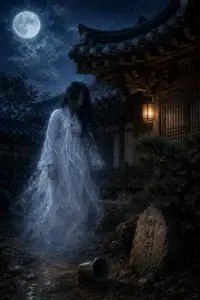
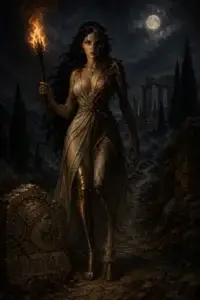
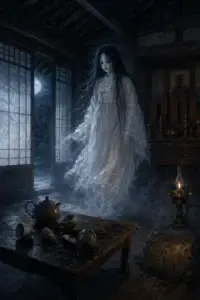


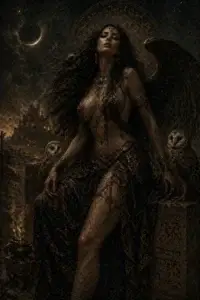


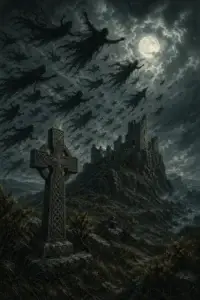


iWell Guard and Protective Traditions
The night beings and their defensive practices gathered here are a study in the academic discipline of religious studies.
iWell Guard continues the millennia-old line of portable protective objects, from Pazuzu pendants in Mesopotamia through the Hamsa and evil-eye amulets of the Mediterranean region to the Mezuzah on Jewish doorposts and Christian protective medals.
A contemporary form of this, made in Germany, with a clearly documented material architecture (41 layers, solid gold, platinum, silver). 30-day right of return.
Not a medical device. No promise of healing. Personal perceptions may vary.