iWell Guard

Strigoi, Iele and the Spirit World of the Romanian Carpathians

Romanian folk tradition combines a pronounced belief in the return of the dead surrounding Strigoi and Moroi with nature beings such as the dancing Iele, the forest mother Muma Pădurii, and the werewolf belief surrounding the Pricolici. These ideas emerged in a rural society that, alongside the Romanian Orthodox Church, maintained its own customs for protection against the undead and spirits over centuries, particularly in Transylvania, Moldavia and Wallachia.

Romanian mythology differs markedly from the literary Dracula myth, which derives from Bram Stoker’s 1897 novel and is only loosely connected to Romania’s actual folk tradition.

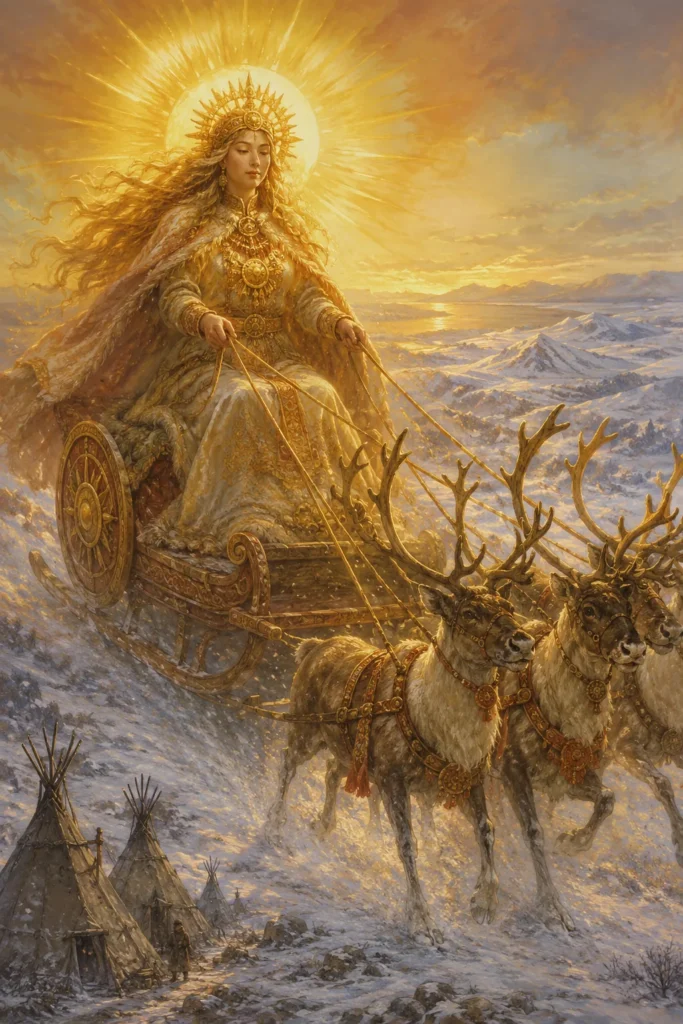
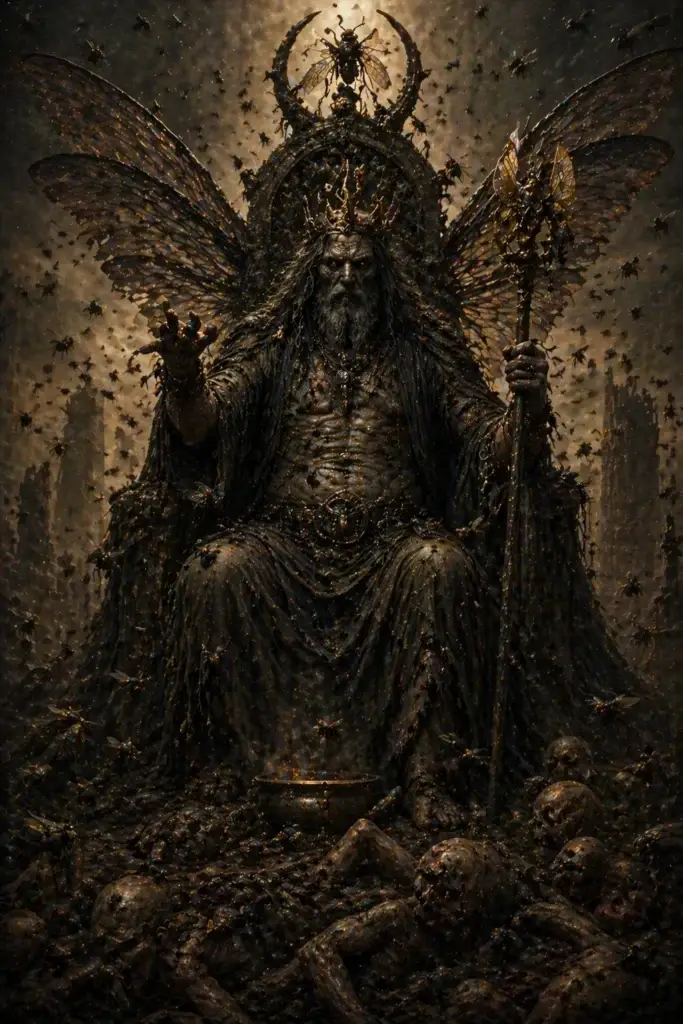
Beaivi: gods from the Sami tradition, historically illustrative
The Romanian belief in the return of the dead surrounding Strigoi and Moroi forms the backbone of folk tradition in the villages of the Carpathians.

Romanian mythology is divided into ancestor and death beliefs, the air women of the Iele, the forest being Muma Pădurii, and the werewolf belief surrounding the Pricolici. These traditions are still told today, above all in the rural regions of Transylvania and Moldavia.

Transylvania, Moldavia, Wallachia: The Religious Landscape of Romania

Romania is predominantly shaped by Romanian Orthodoxy, with Catholic and Reformed minorities especially in Transylvania, where Romanian, Hungarian and German-speaking Transylvanian Saxon population groups lived side by side for centuries. Folk belief surrounding Strigoi, Iele and related beings developed alongside church piety, often closely interwoven with Christian feast days and saints’ calendars.

Particularly in remote areas such as Maramureș, the Carpathian valleys of Moldavia and parts of Wallachia, archaic burial and protective customs remained alive into the 20th century. Ethnographers documented these traditions from the late 19th century onwards, as Romanian folklore studies established itself as an independent discipline.

The basic outlines of this tradition: an ancestor and death cult surrounding Strigoi and Moroi, a calendar of dangerous nights during which Iele and spirits are abroad, and protective customs that continue to be passed down in rural regions of Romania to this day.

Strigoi and Moroi: Two Forms of Romanian Return of the Dead

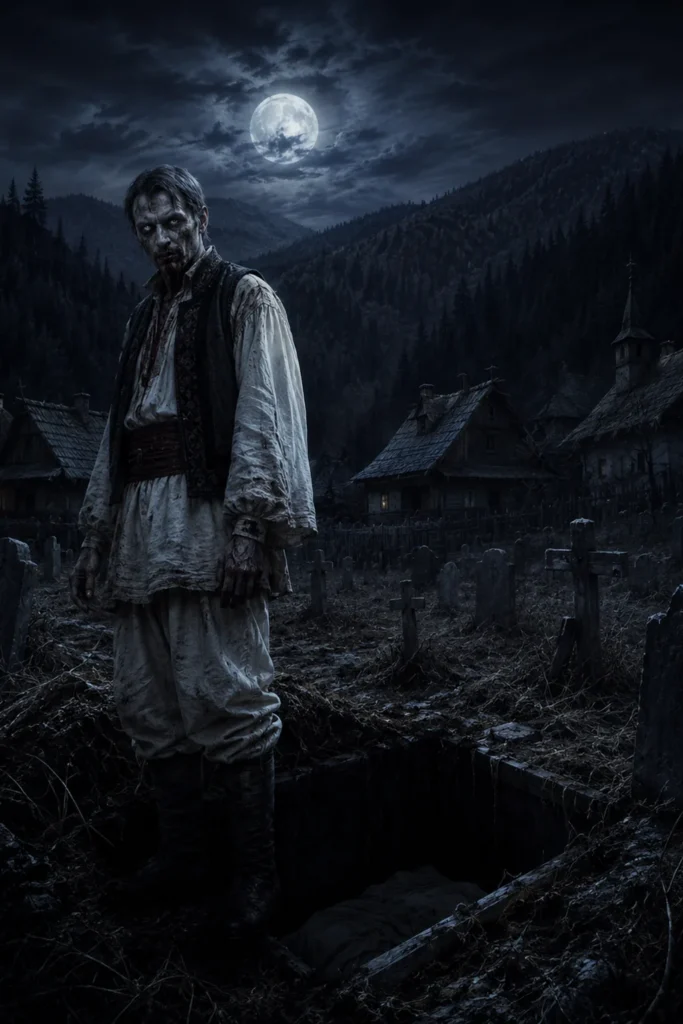
According to Romanian folk belief, a Strigoi is a deceased person who returns from the grave to drain the living of strength or blood. The tradition distinguishes between strigoi vii, living people with this predisposition, for instance as the seventh same-sex child of a family or those born out of wedlock, and strigoi morți, deceased people who return after death, often because burial rites were not performed correctly.

The Moroi is regarded in many regions as a milder, less aggressive form of the return of the dead, while in other traditions the term is used almost interchangeably with Strigoi; there is no uniform, nationwide system in the oral tradition. The word field derives from Latin striga/strix, originally associated with nocturnal owls and witch beings, related to Italian strega and the concept of the witch.

Protective measures included garlic at doors and windows, iron nails in the coffin, a stake of oak or yew wood through the heart and, in stubborn cases, decapitation and reburial face down.

Iele: The Dancing Air Women

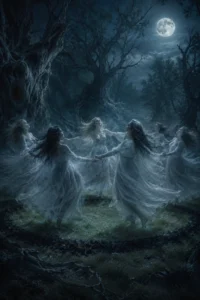
The Iele are regarded as beautiful but dangerous air women who dance at night in lonely places. Their festival traditionally coincides with Sânziene, the Romanian midsummer feast around 24 June, which combines pre-Christian solstice customs with the feast of St John. On this night, the sky is believed to be especially permeable to magic.

Anyone who observes the dance of the Iele reportedly risks paralysis, loss of speech, loss of hearing or madness; men were considered especially at risk. Protection was offered by fire rituals such as jumping over solstice fires, as well as avoiding certain clearings and crossroads during the Sânziene nights.

Muma Pădurii, the Forest Mother

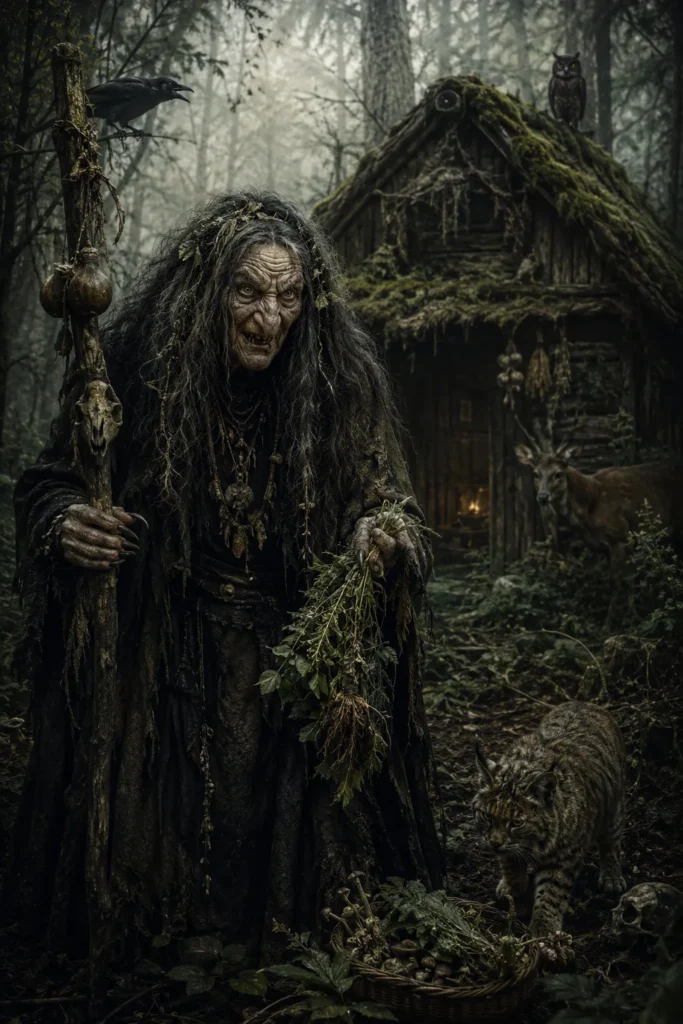
Muma Pădurii, literally the Forest Mother, is an old, ugly female figure who dwells deep in the forest, in a hut or a hollow tree. She is regarded as ambivalent: on the one hand she protects animals and plants and heals sick patches of forest, on the other she drives off intruders by sending them mad, and is regarded by children as a frightening figure who lures the disobedient into the forest.

In tales resembling the pattern of Hansel and Gretel, a child outwits the Forest Mother and pushes her into her own oven. In research, Muma Pădurii is compared with other European forest-mother and child-scare figures such as Baba Yaga, without being identical to them.

Frequently Asked Questions about Romanian Mythology

What is the difference between Strigoi and Moroi?


In Romanian folk belief, the Strigoi is regarded as a deceased person who returns from the grave, while the Moroi is described in many regions as a milder, less aggressive form of the return of the dead. However, no uniform, nationwide distinction exists in the oral tradition.

Who is Muma Pădurii?


Muma Pădurii, the Forest Mother, is an ambivalent figure of Romanian folklore: she protects the forest and animals, but is also regarded by children as a frightening figure who lures the disobedient into the forest.

Is Dracula part of Romanian folk tradition?


No. Dracula is a literary figure created by Bram Stoker in 1897, who only adopted the name of the historical Vlad III. Romania’s folk belief in the Strigoi is considerably older and differs in essential respects from the Western vampire cliché.

What are the Iele?


The Iele are dancing air women of Romanian mythology, whose appearance is traditionally linked to the Sânziene midsummer feast. Anyone who observes their nocturnal dance reportedly risks paralysis or madness.

Pricolici and Vârcolac: Romanian Werewolf Belief

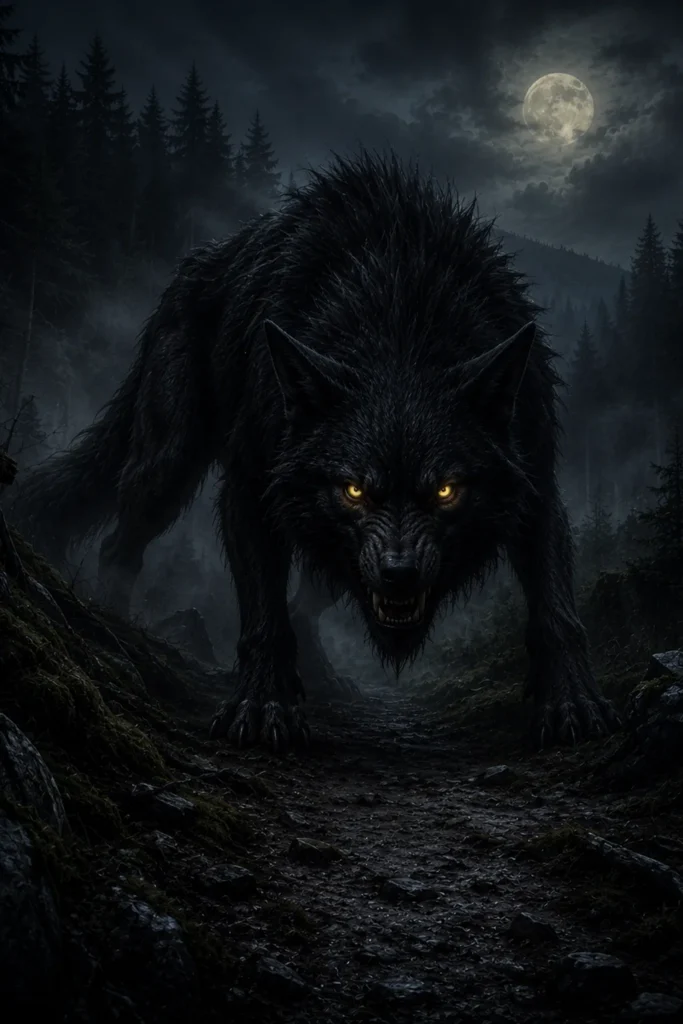
The Pricolici is regarded as a werewolf-undead: a person, often a violent man, who transforms into a wolf or dog during life or after death. Unlike the Strigoi, the Pricolici always retains wolf-like features; related but not identical is the Vârcolac, who in some regions is also credited with goblin-like traits or the ability to devour the sun and moon, causing eclipses.

In rural areas of Romania, unusually large or aggressive wolves are still occasionally associated with the Pricolici in popular belief today. Protective customs resemble those against the Strigoi: garlic, iron and careful burial rites.

Sfântul Andrei: The Calendar of Protective Customs

The night of St Andrew (Sfântul Andrei) on 29/30 November is regarded in many Romanian regions as the night when Strigoi and wolves are especially active. Farmers therefore hung garlic on doors and window frames, marked domestic animals with garlic signs and, where possible, avoided lonely paths.

Further protective measures concerned the burial itself: iron coffin nails, piercing the grave with a thorn branch or weighting down the corpse were meant to prevent a deceased person from becoming a Strigoi. These customs were tolerated to varying degrees by the Romanian Orthodox Church, officially disapproved of, but continued in village practice over generations.

From Folk Belief to the Literary Dracula Myth

The historical Vlad III (Vlad Țepeș, the Impaler), Wallachian voivode of the 15th century, was originally not connected to the Strigoi belief. His epithet Dracul refers to his father’s membership of the Order of the Dragon, not to the devil or a vampire. In 1897, Bram Stoker merely adopted the name for his novel Dracula, drawing chiefly on travel accounts such as Emily Gerard’s The Land Beyond the Forest from 1888, rather than on a journey to Romania or systematic knowledge of Romanian folk tradition.

The literary vampire figure differs in essential respects from the folk Strigoi: aversion to crosses, a cloak, and an aristocratic manner are inventions of Western popular culture of the 19th and 20th centuries. The Strigoi of oral tradition, by contrast, is usually a villager whose return is explained by concrete burial errors or life circumstances. From a religious-studies perspective, separating folk belief in the return of the dead from the literary Dracula myth is considered necessary in order to properly classify both traditions.

Regional Diversity: Transylvania, Moldavia and Wallachia

Romania is not a religiously and folkloristically uniform landscape. Transylvania (Ardeal), Moldavia and Wallachia have each undergone their own historical developments, with different neighbours, forms of rule and population mixes. This diversity is also reflected in folk belief.

In Transylvania, Romanians lived for centuries alongside Hungarian-speaking Székelys and Transylvanian Saxon settlers of German origin. The exchange between these groups shaped local legend motifs without producing a uniform narrative tradition. In Moldavia and Wallachia, in turn, their own forms of Strigoi and Iele belief developed, which could vary from valley to valley.

Especially in remote mountain regions such as Maramureș or the Apuseni Mountains, older burial and protective customs remained alive longer than in urban centres. Travellers and ethnographers of the 19th century repeatedly described these areas as refuges of archaic ideas, an assessment that should be read cautiously from today’s religious-studies perspective, since it presupposes a gradient of modernisation that is not always documented.

Sweeping statements about Romanian mythology therefore obscure regional differences that remain important for a more precise understanding.

The Calendar of Spirits: Sfântul Andrei and Rusalii

Romanian folk belief situates dangerous spirit periods within the church’s annual calendar. The night of St Andrew on 29/30 November is regarded in many regions as the night when Strigoi and wolves are especially active; farmers therefore hung garlic on doors and window frames and marked domestic animals with garlic signs.

The week around Rusalii, the Orthodox feast of Pentecost, is traditionally associated with the Iele; during this time certain tasks, such as washing laundry outdoors, are said to be avoided so as not to anger the air women. The Sânziene night at the end of June, the Romanian midsummer feast, also belongs to the threshold times of the year regarded as magical.

This calendar of dangerous nights combines pre-Christian ideas of seasonal transitions with the festal cycle of the Orthodox Church, a pattern found in similar form in other parts of South-Eastern and Central Europe.

Sources: Ethnographic Collections and Field Research

The written record of Romanian folk religion derives largely from ethnographic collections of the late 19th and early 20th centuries. Romanian folklorists such as Simion Florea Marian, Tudor Pamfile and Elena Niculiță-Voronca recorded narratives, rites and customs in villages, often in direct collaboration with local storytellers.

A source widely received outside Romania is the study The Vampire in Roumania by the British ethnographer Agnes Murgoci, who in 1926 presented Strigoi belief to an English-speaking specialist audience on the basis of her own field notes and earlier Romanian scholarship. In it she already systematically distinguished between the conditions under which someone could become a Strigoi during life or after death.

Modern Romanian ethnology, such as the work of Ion Ghinoiu and Ion Taloș, places these older collections within a broader framework of the South-East European peasant calendar and cult of the dead. As with many oral traditions, the source situation remains patchy, regionally inconsistent, and strongly shaped by the perspective of the respective collectors.

Dracula, Vlad Țepeș and the Separation of the Myths

Hardly any figure has shaped the international image of Romania as much as Dracula, although the novel’s character is only loosely connected to the actual folk tradition. Bram Stoker wrote his novel in London in 1897 without having travelled to Romania himself. His main sources were travel accounts such as those of Emily Gerard, as well as earlier Western vampire literature of the 18th and 19th centuries.

The name Dracula derives from the historical Wallachian voivode Vlad III, called Vlad Țepeș, the Impaler, after his notorious method of execution. His epithet Dracul referred to his father’s membership of the Order of the Dragon (Latin draco), a chivalric order for defence against the Ottomans, not to a connection with vampires or the devil.

The Romanian Strigoi of oral tradition differs in essential points from the Western vampire of popular culture: he wears no cloak, originally avoids neither cross nor church by necessity, and his return is usually explained by concrete violations of burial customs, not by a supernatural curse of aristocratic origin.

From a religious-studies perspective, it is therefore considered important to distinguish the literary Dracula myth, as an independent phenomenon of Western tradition, from the actual Romanian folk religion surrounding Strigoi and Moroi. Both traditions have their own sources, their own functions and their own histories of origin.

The strigoi belief and the broader romanian folk belief surrounding Iele, Muma Pădurii and Pricolici combine ancestor cult, burial custom and protective ritual into a distinct protective practice intended to safeguard families and villages against the undead and nature spirits.

Related key terms: Strigoi Moroi Iele Pricolici Muma Padurii Sânziene Vârcolac Transylvania Carpathians Wallachia.

Protective Objects in This Cultural Tradition

Romanian tradition includes garlic at doors and window frames, iron nails and knives in the coffin, blessed thorn and hawthorn branches, and the ringing of church bells to ward off Strigoi and evil spirits; portable personal amulets are less commonly documented in folk tradition than protection for the house and grave. A cross-cultural overview is offered by the Protection Compass.
iWell Guard continues this cultural-historical line of portable protective objects, in contemporary material architecture, crafted in Germany. 41 levels, genuine gold, platinum, silver. 30-day return policy.

Personal experiences may vary. Not a medical device. No promise of healing.