Across all cultures, people have developed means to protect themselves from harmful supernatural influences: substances and objects, painted or carved symbols, and recurring ritual practices. iWell Guard collects these protective traditions and places them in the context of religious studies. This page provides an overview of the documented protective means.
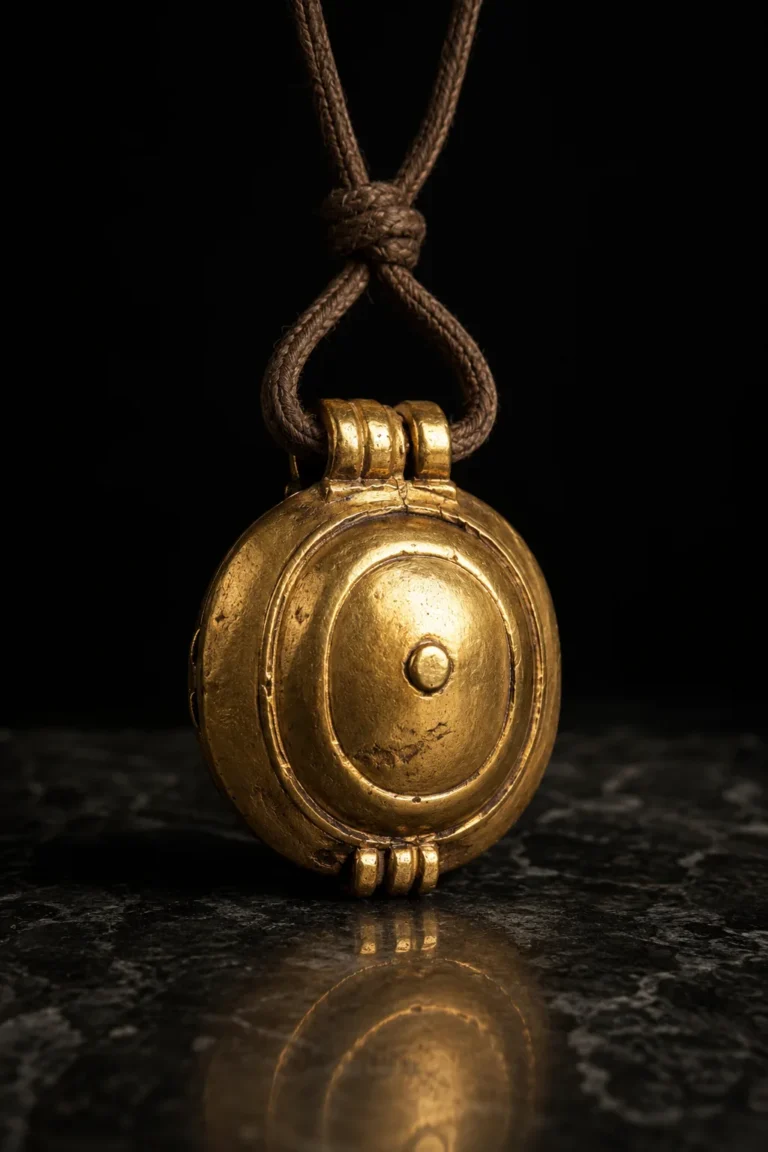
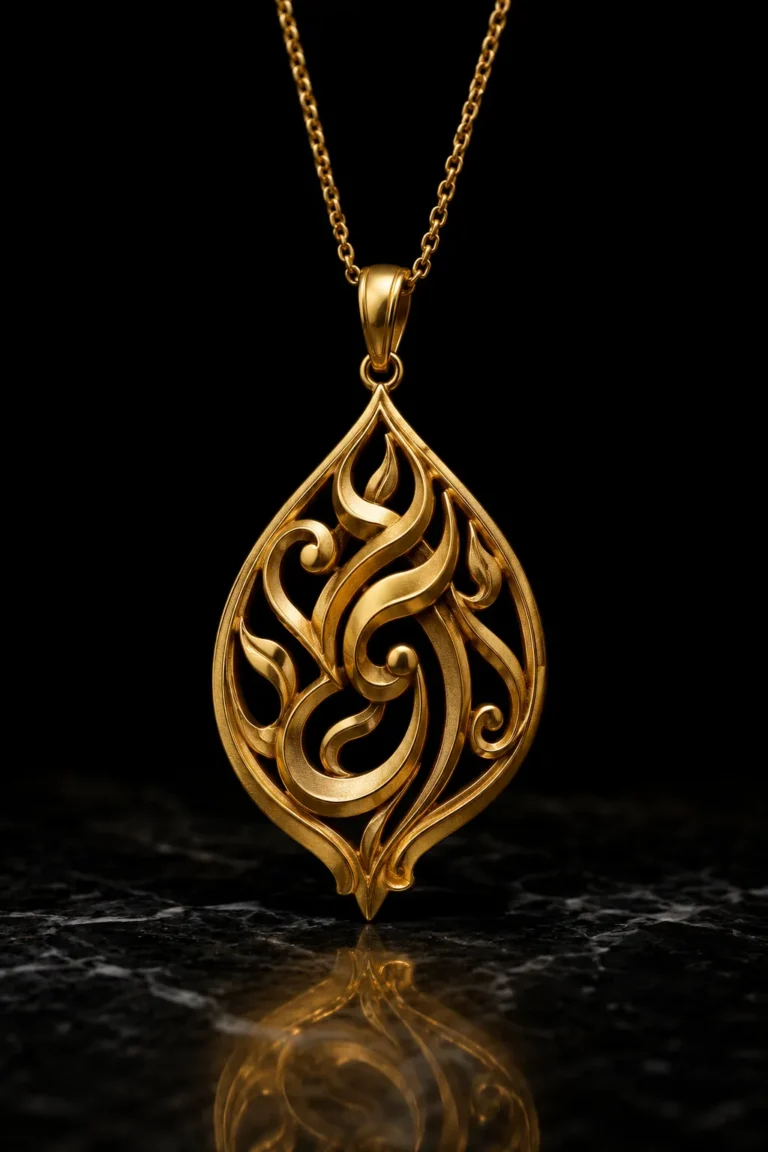
Traditional protective means usually work in a targeted way: a particular symbol against the evil eye, a particular herb against nocturnal beings. The iWell Guard condenses the principle of protection into a single pendant: 41 layers of fine gold 999, platinum, silver and silicon, manufactured in Ruhla, Thuringia. It requires no activation: by design it is permanently active, bound to no person, and effective within a radius of around 50 meters, even without being worn. A single object, always with you: that makes it the simplest and at the same time most effective protective means.
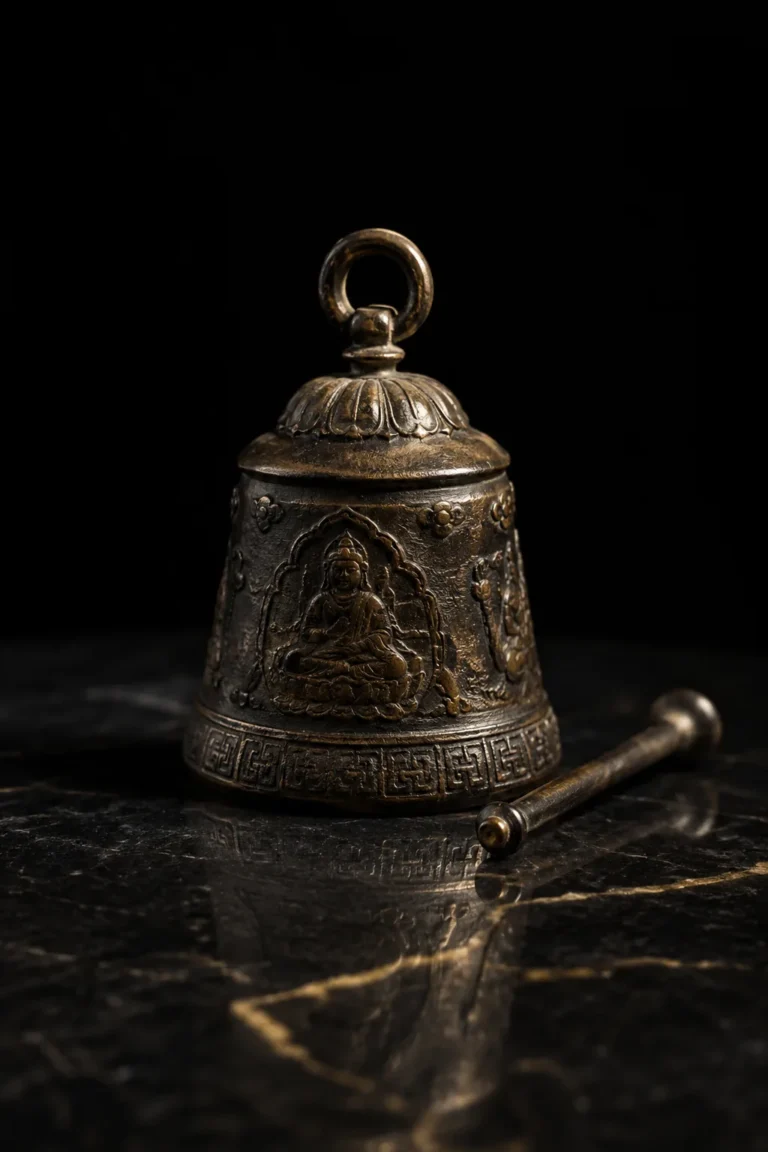
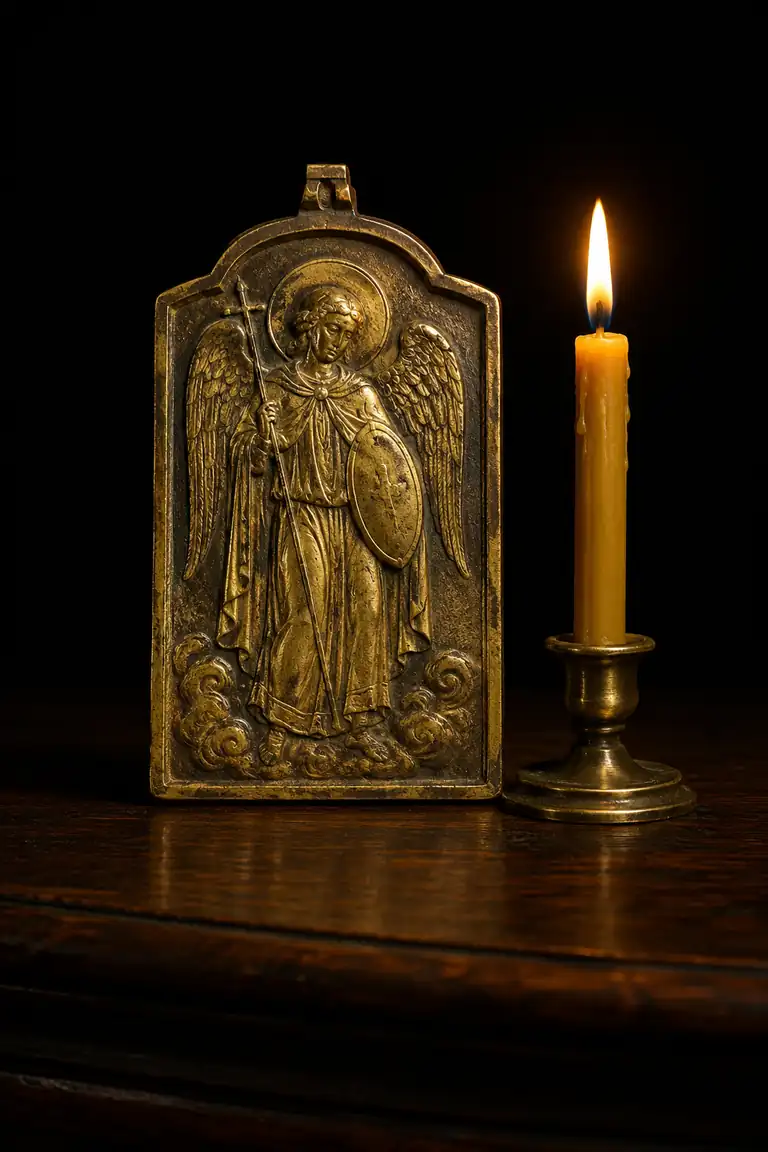
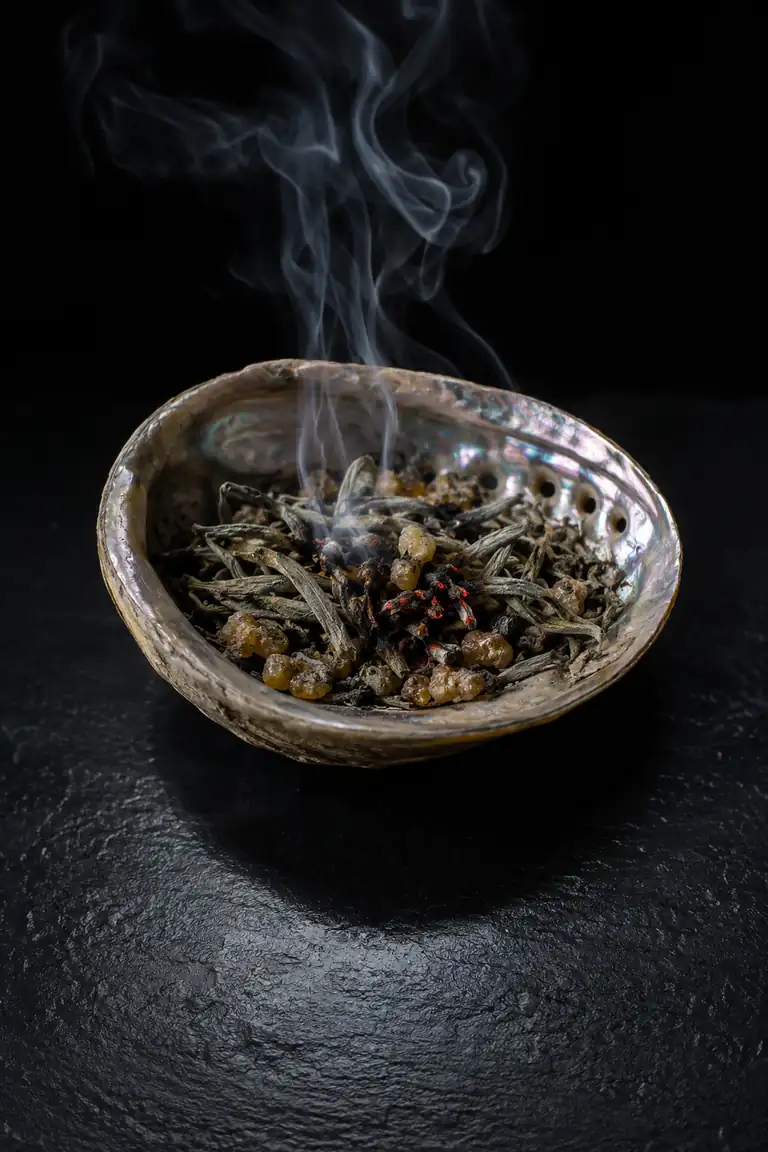
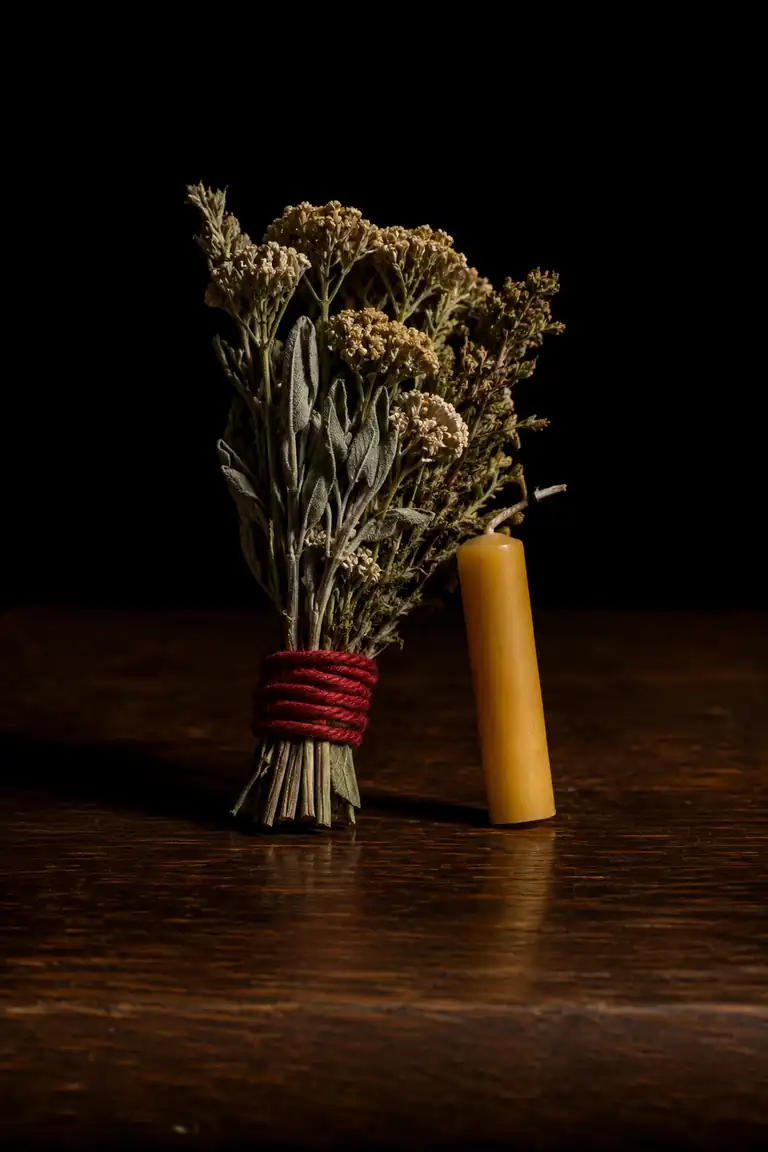
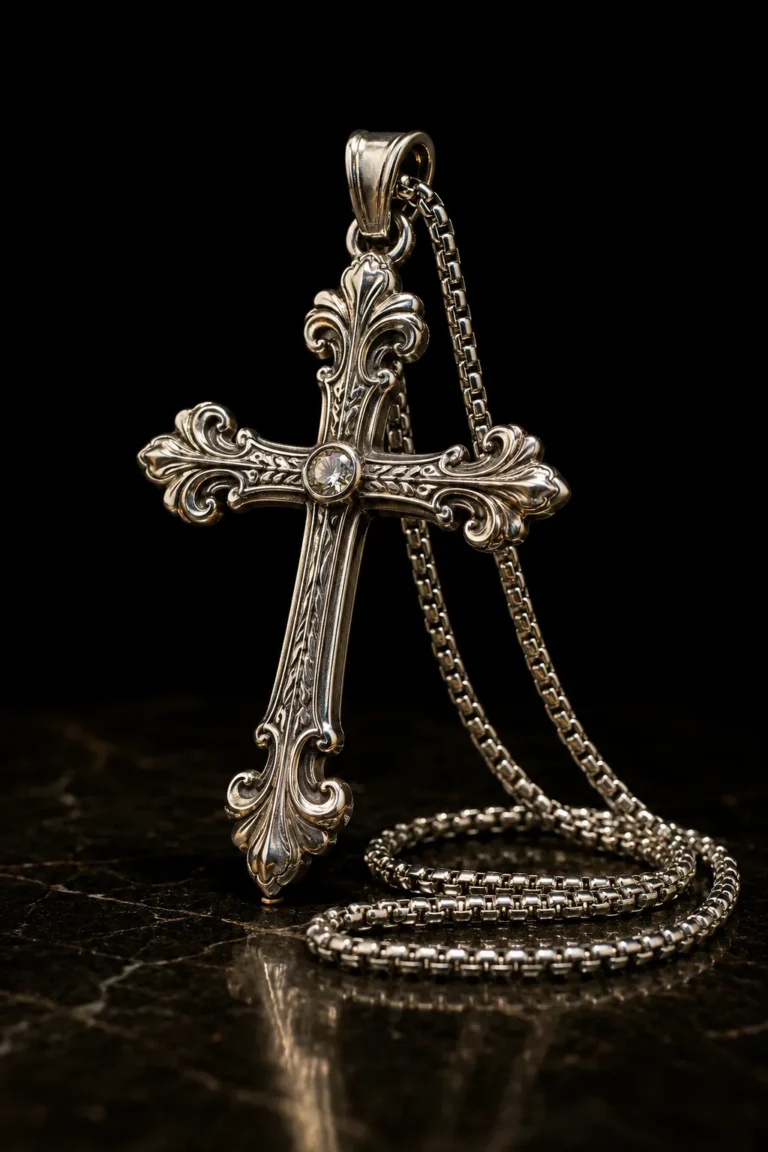
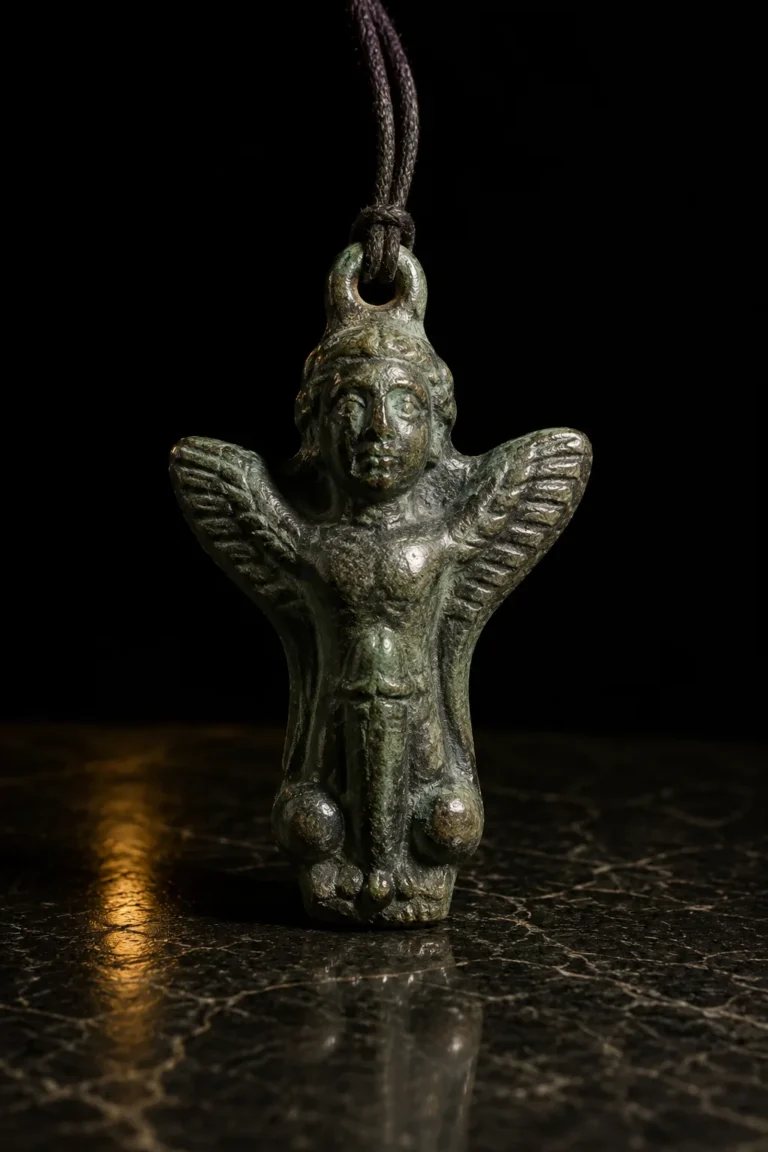
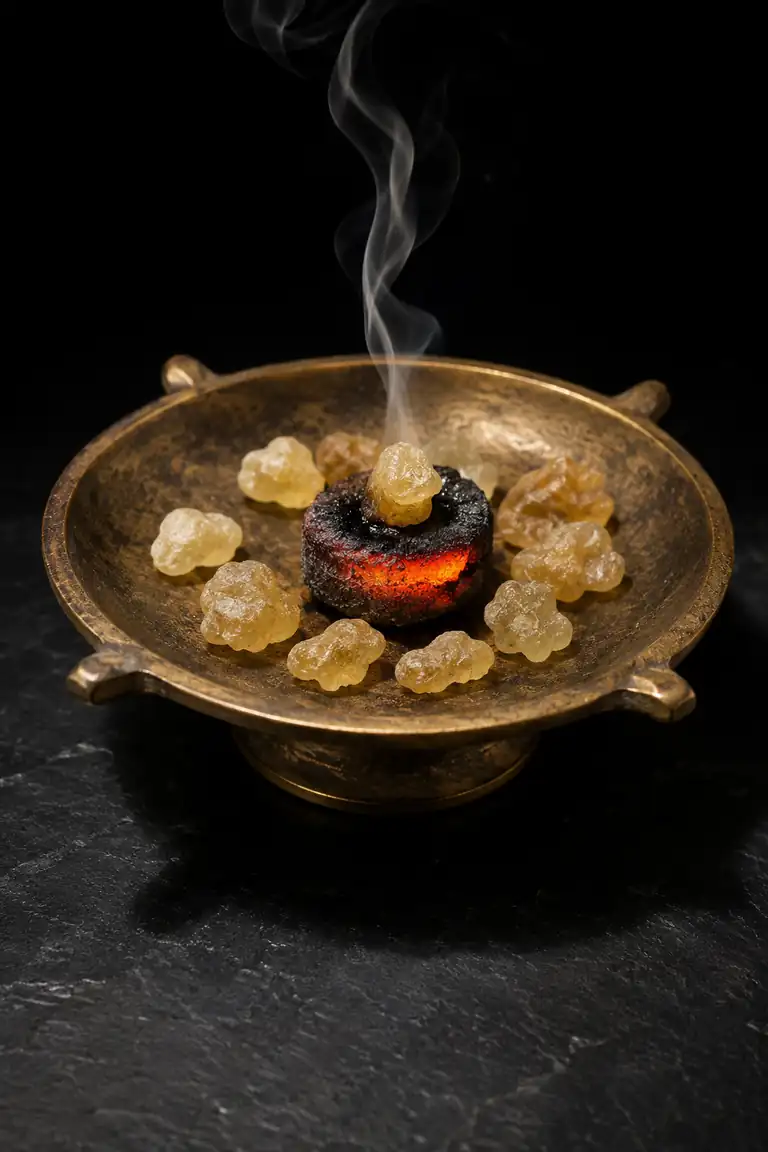
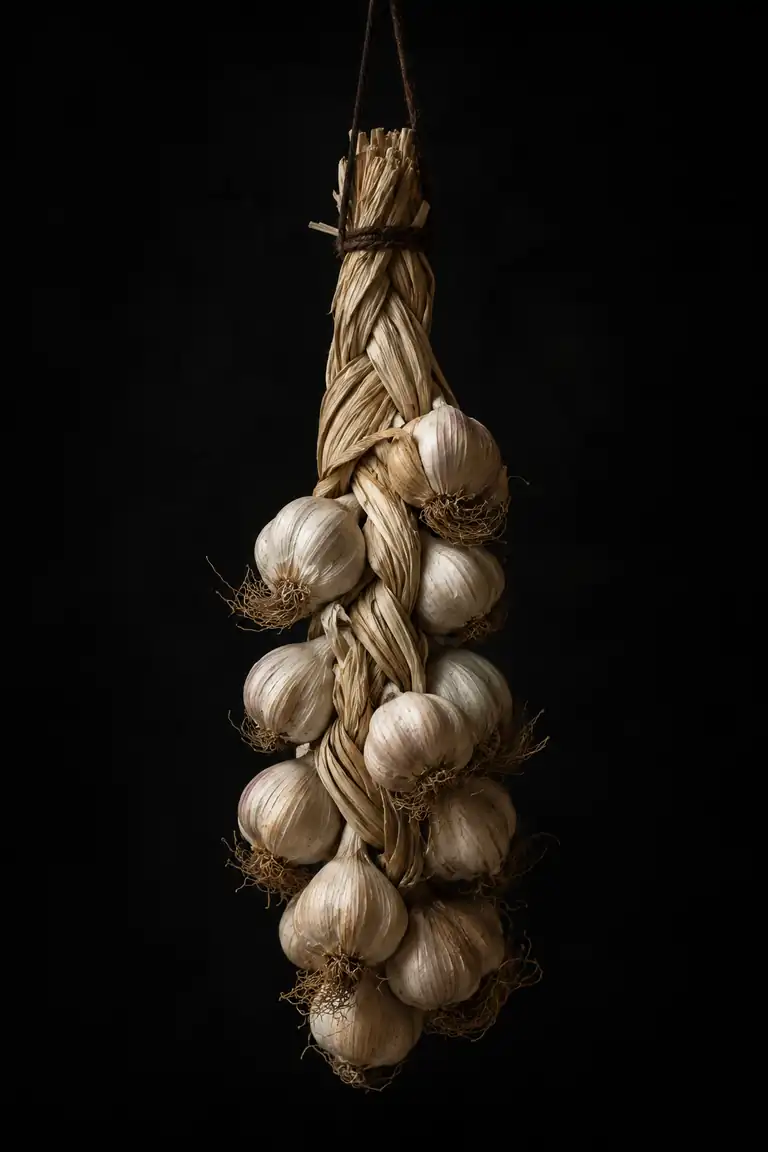
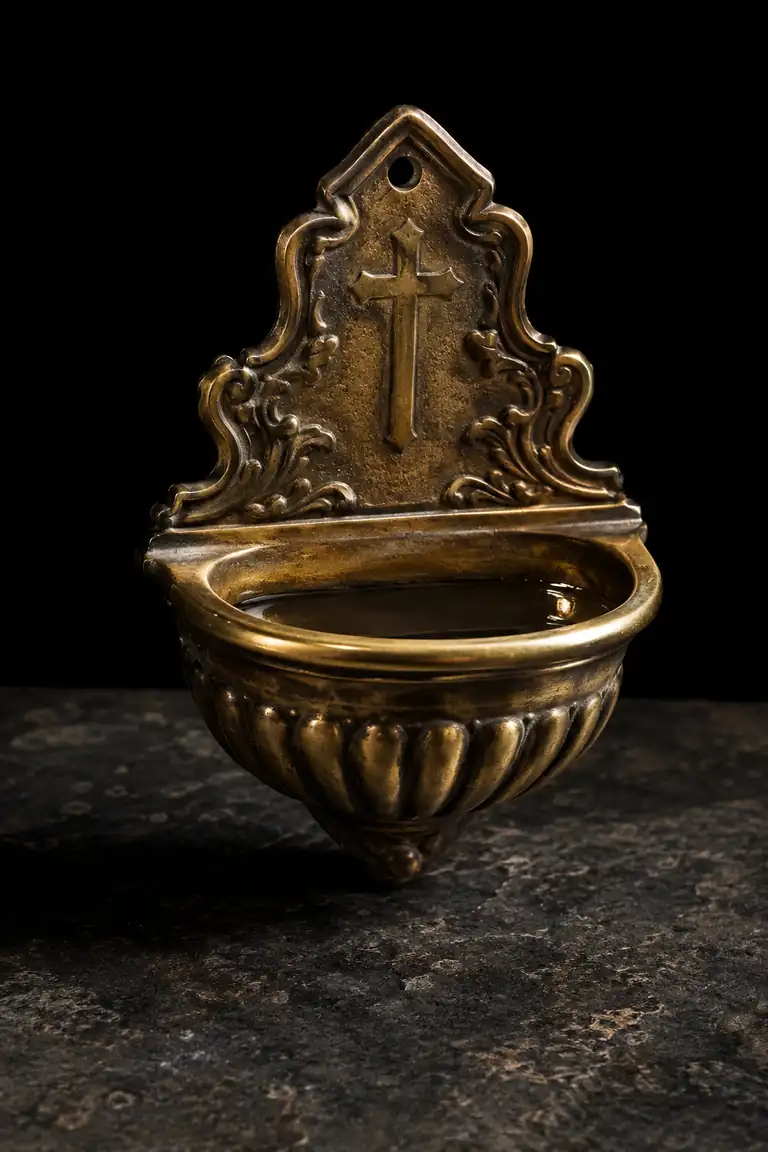
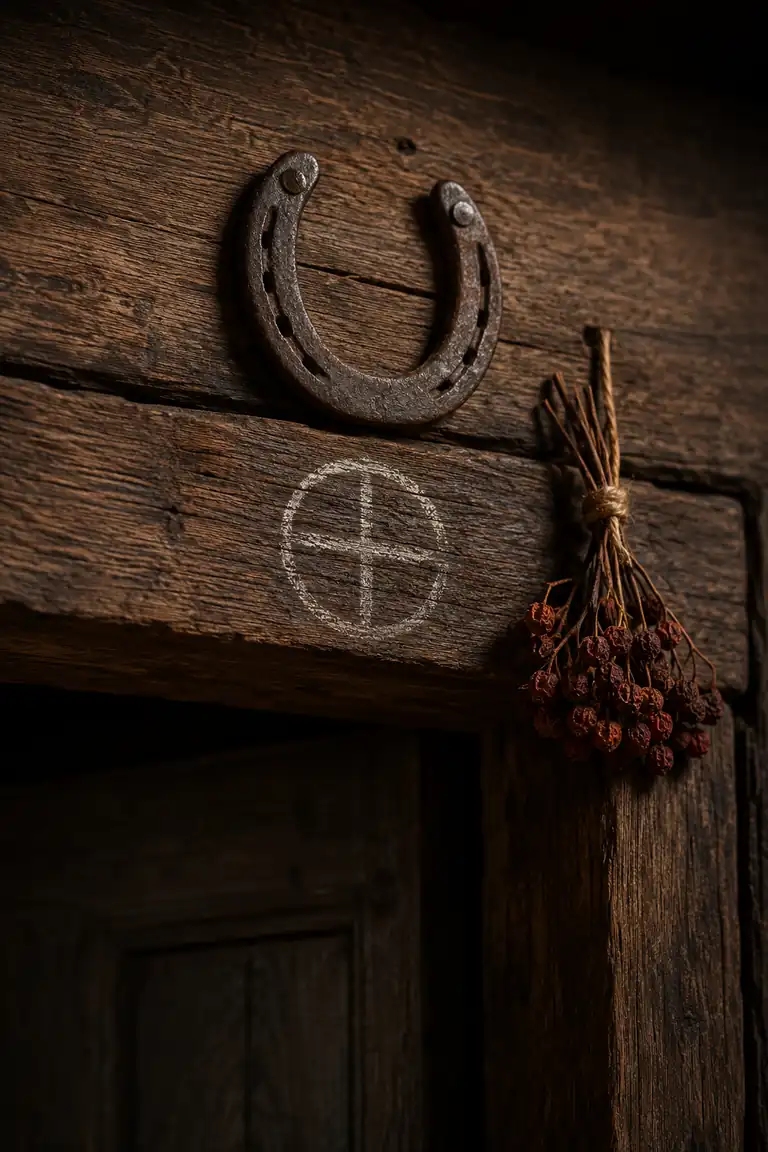
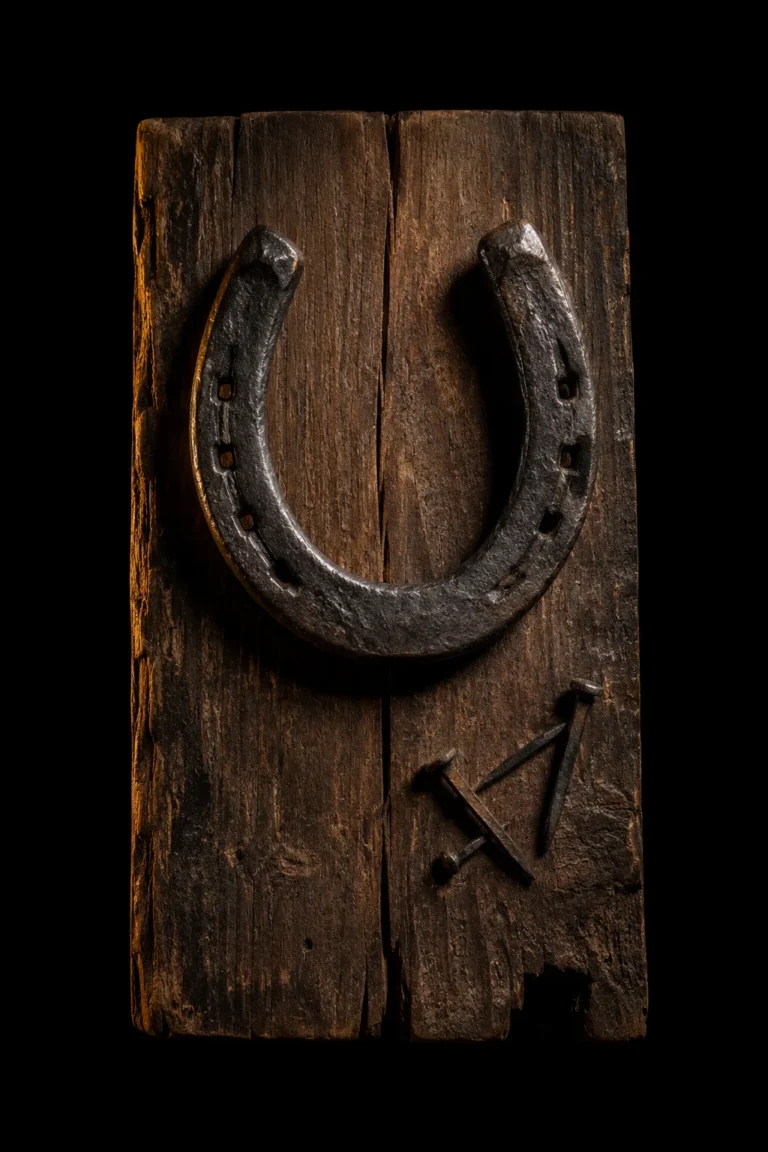
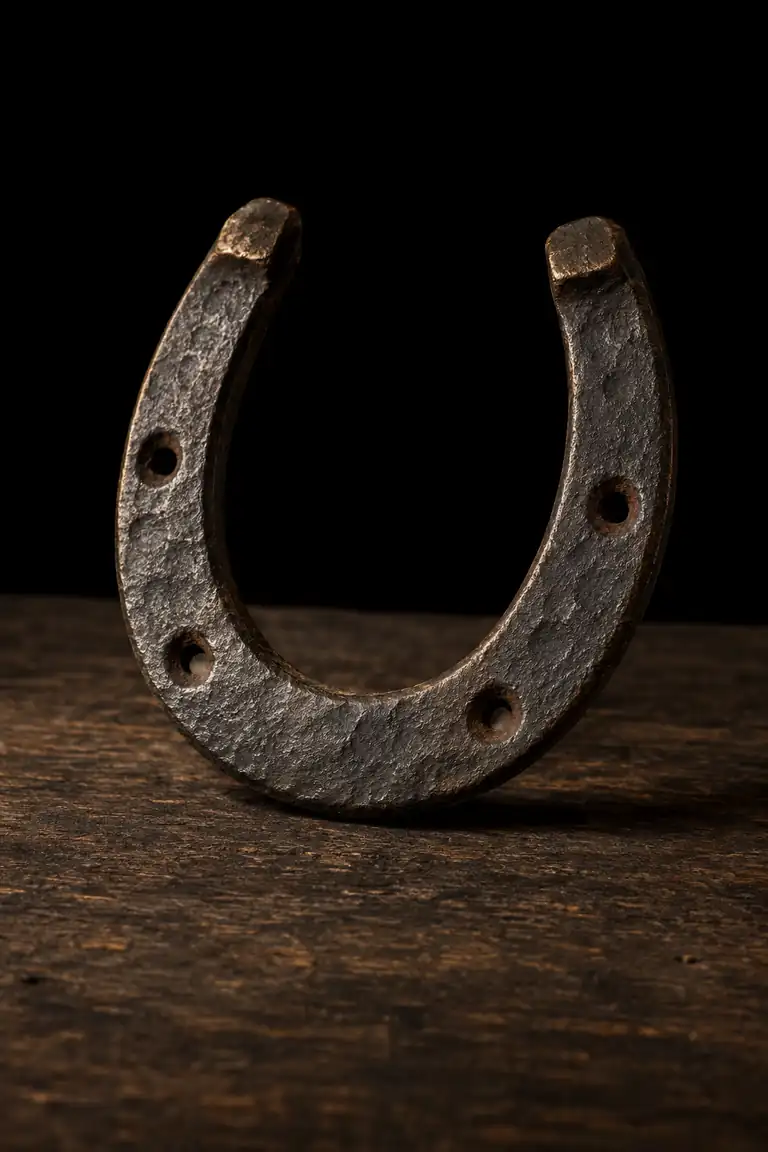
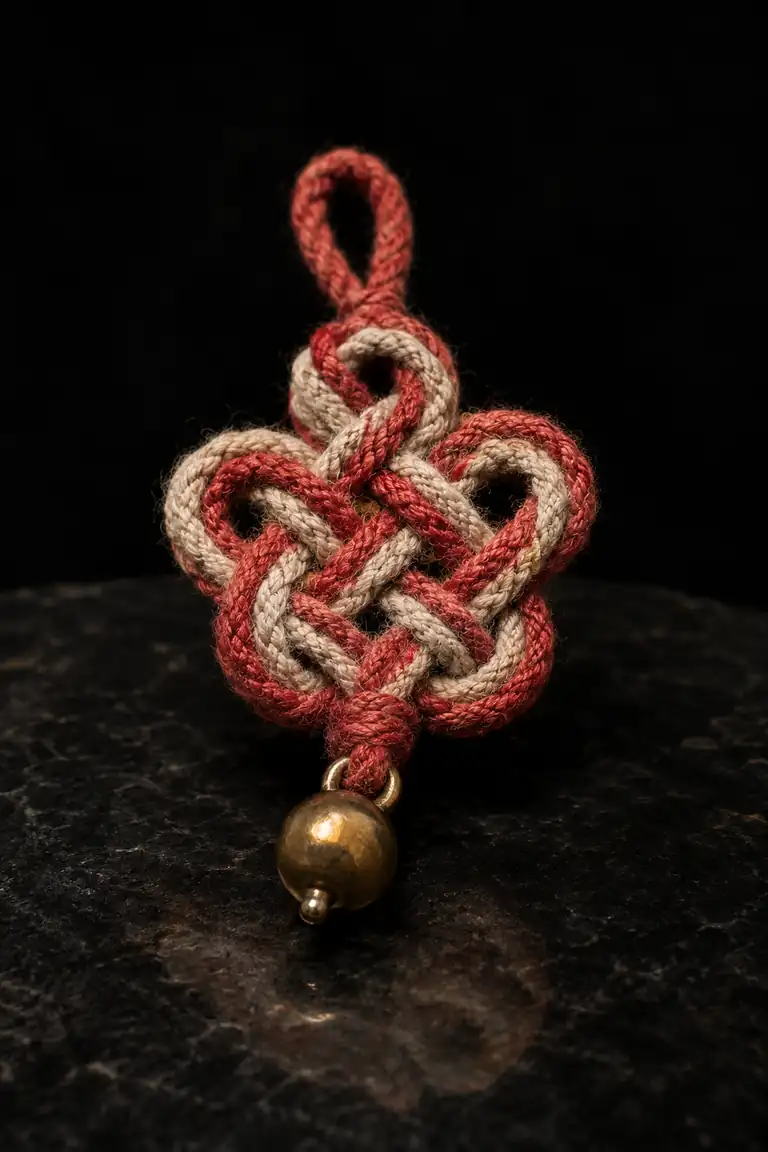
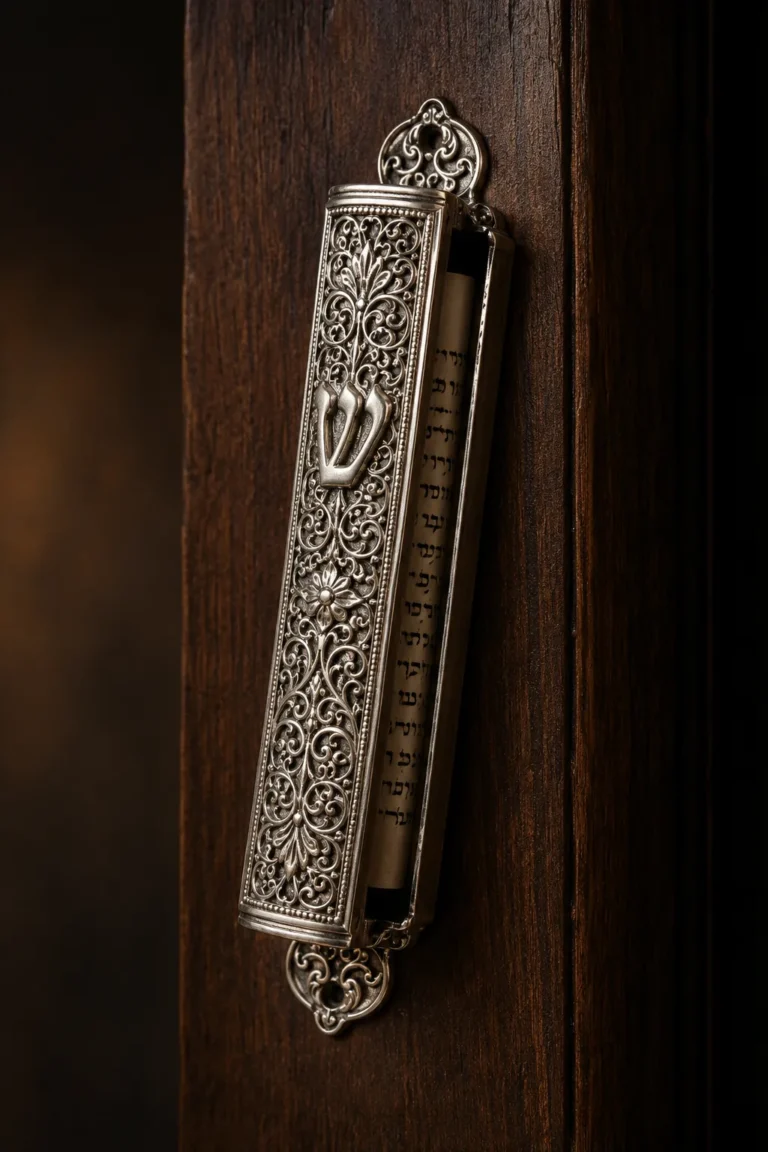
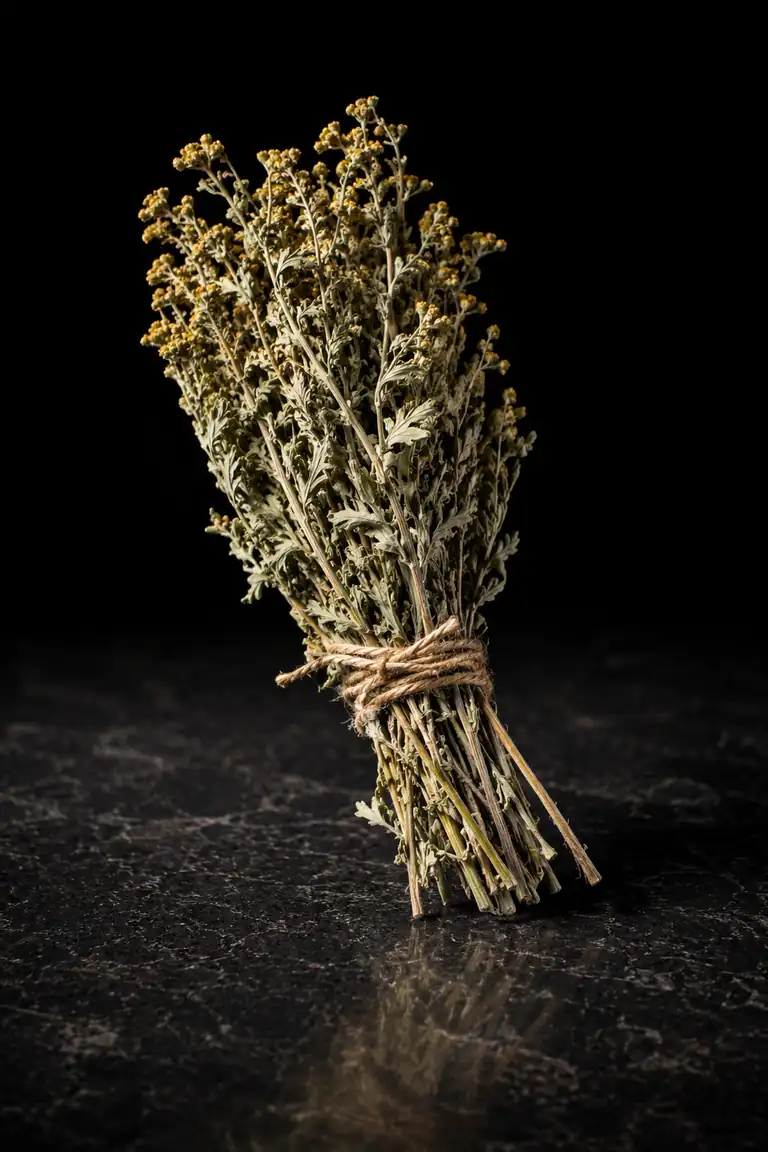
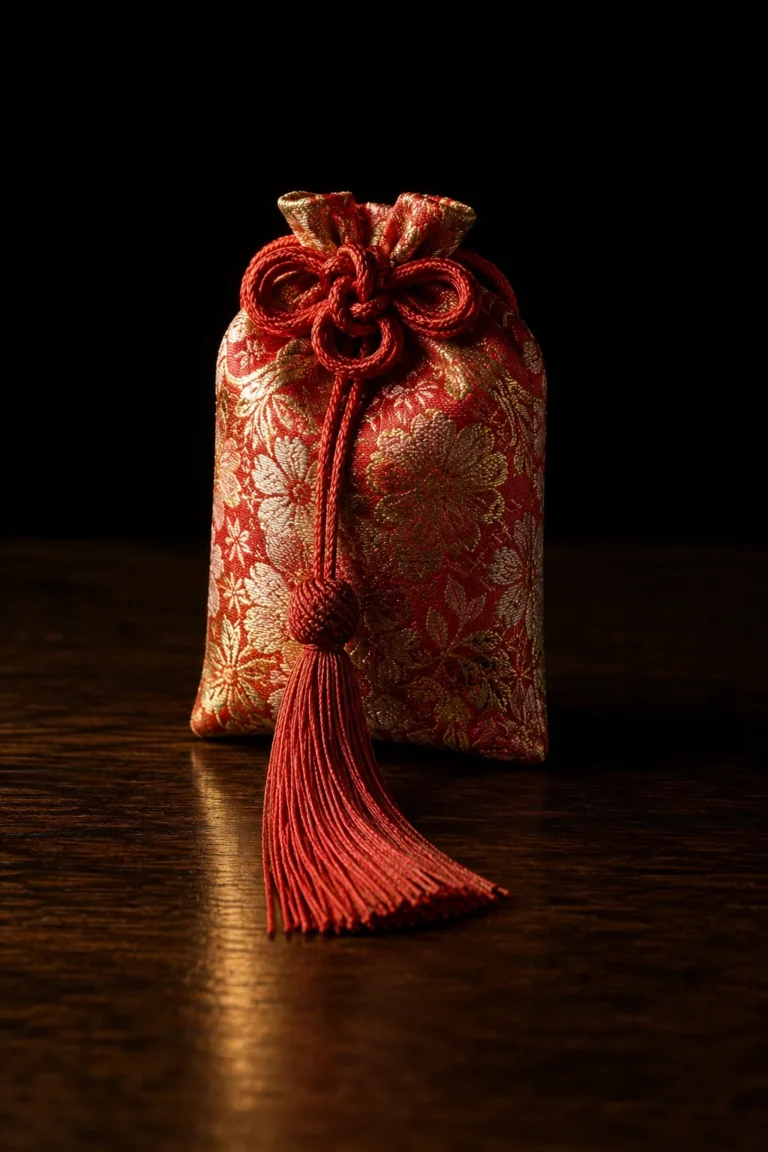
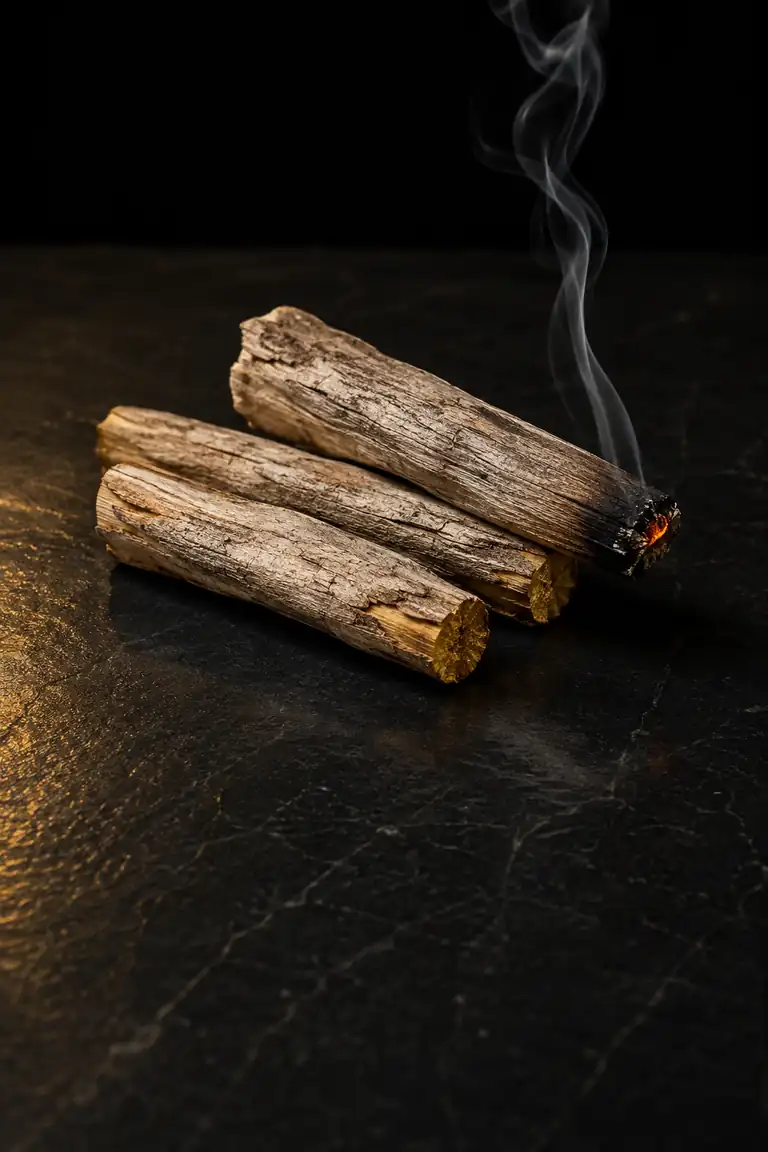
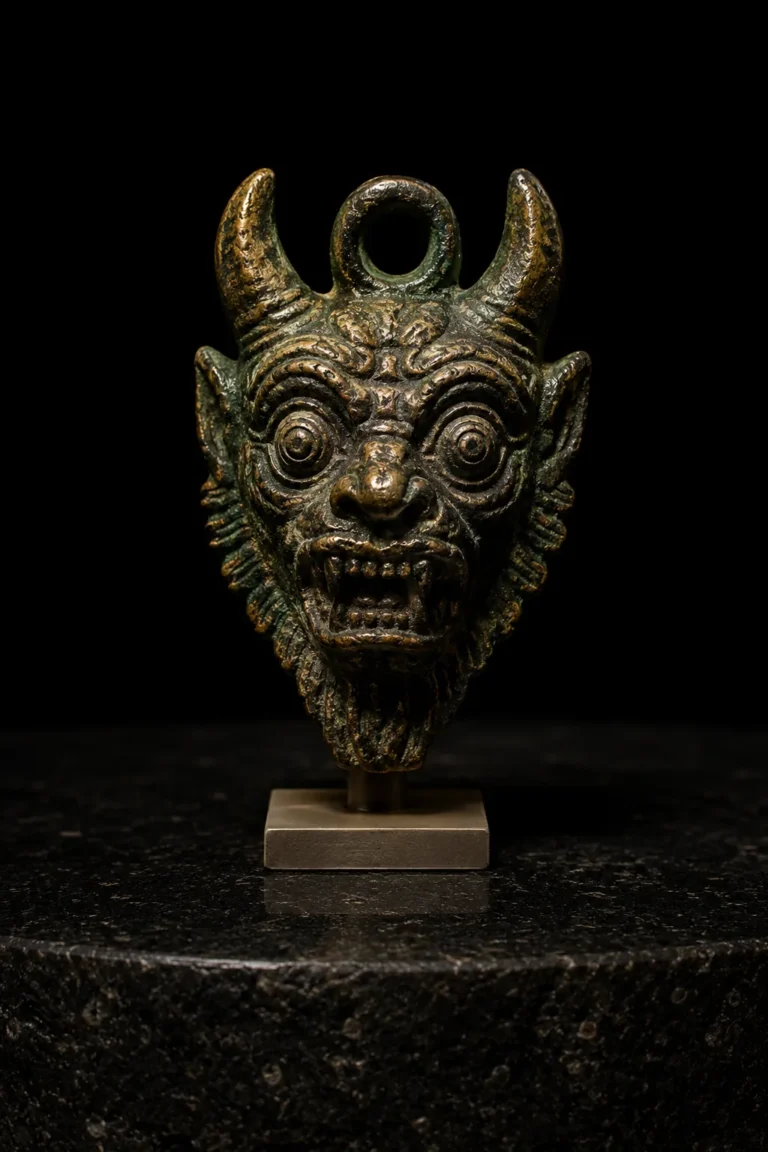
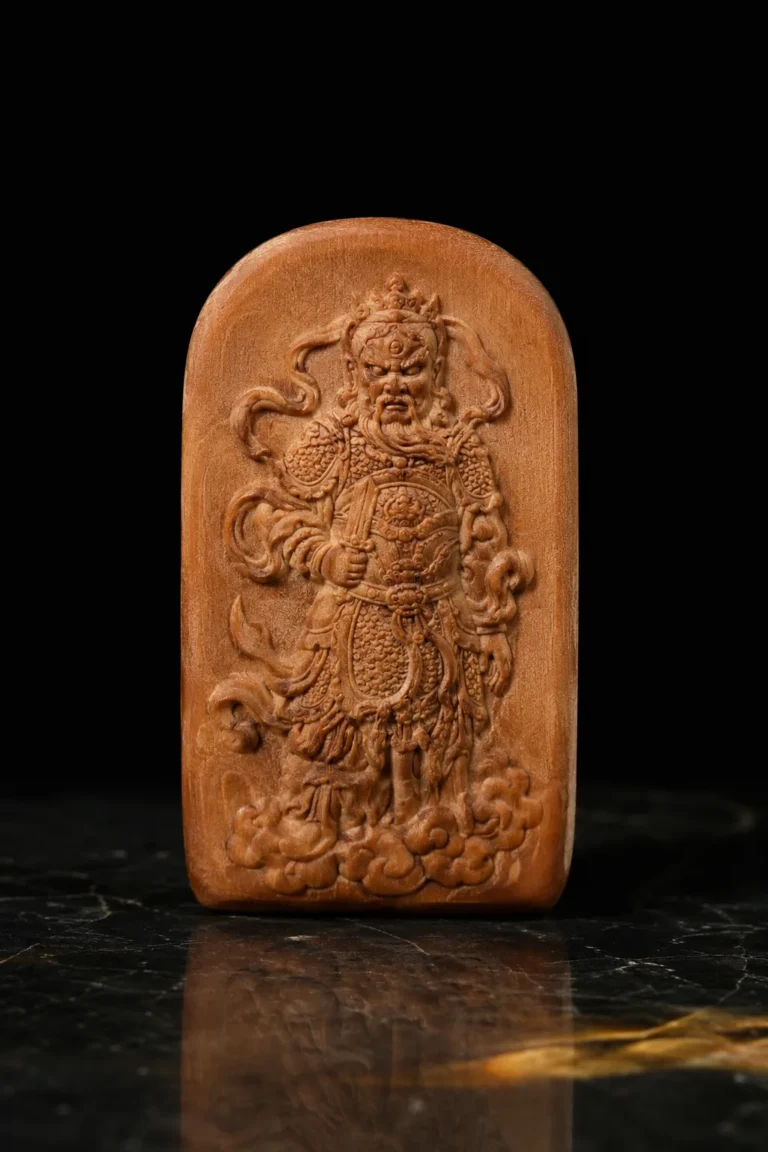
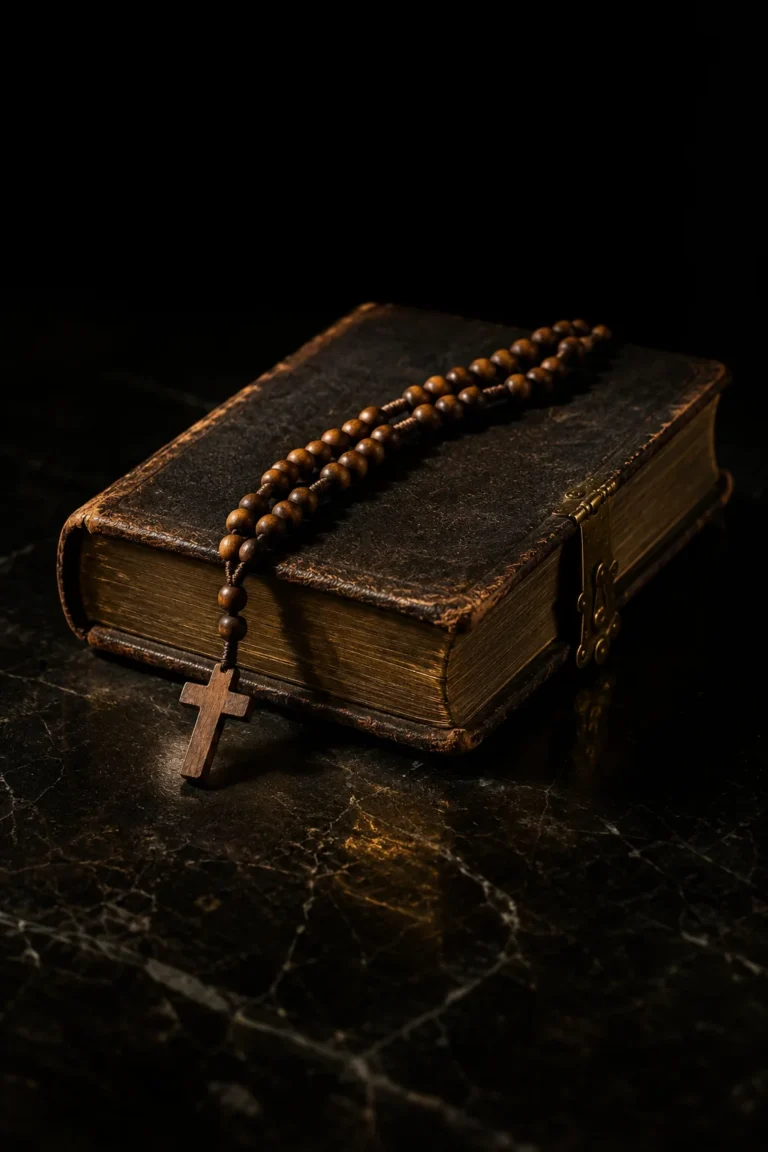
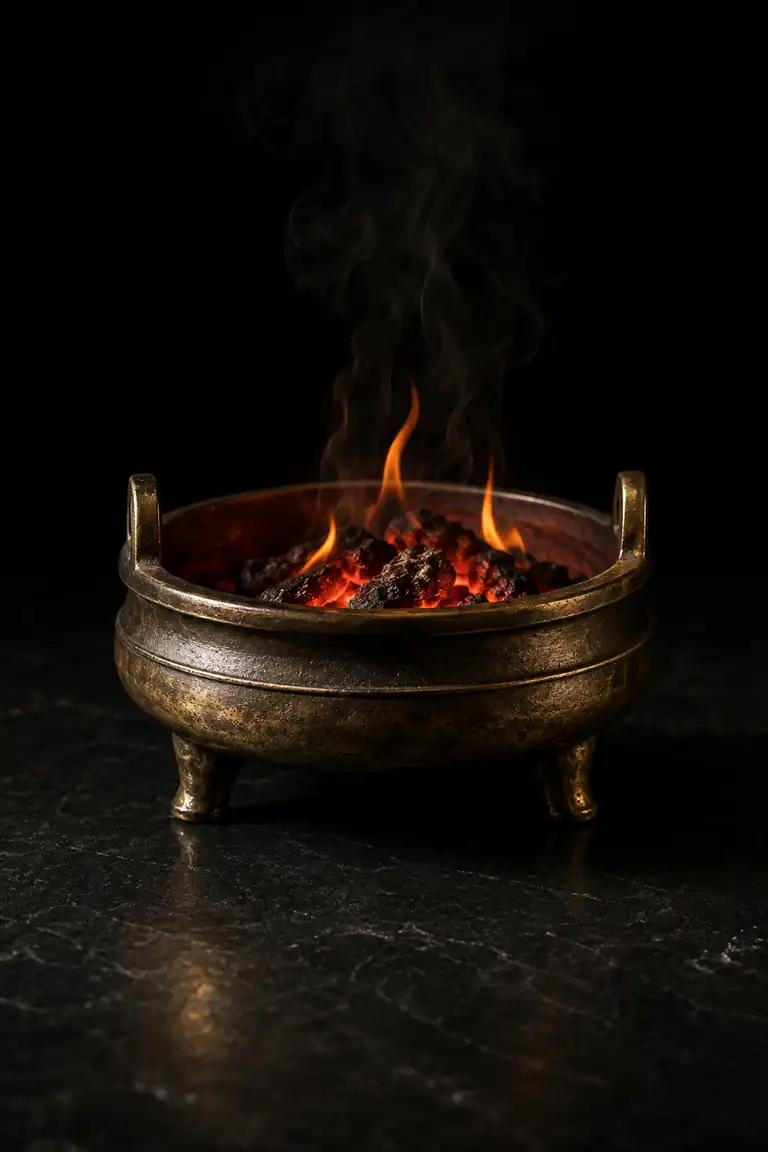
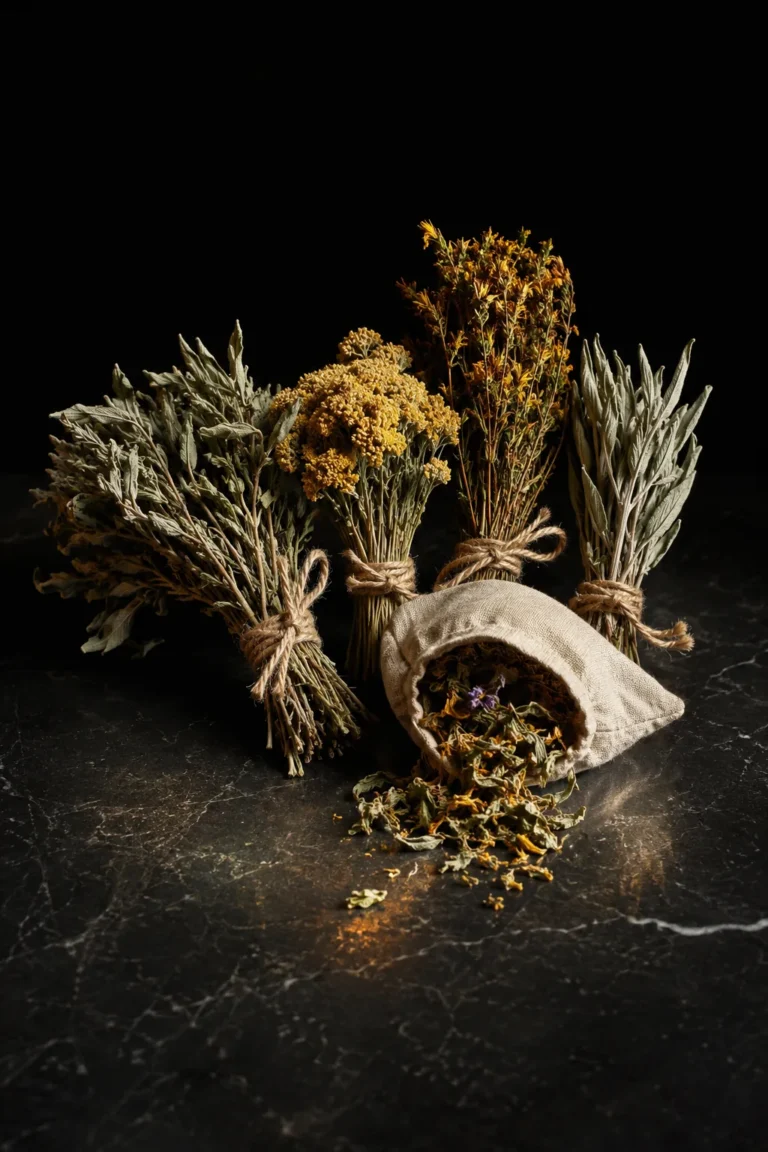
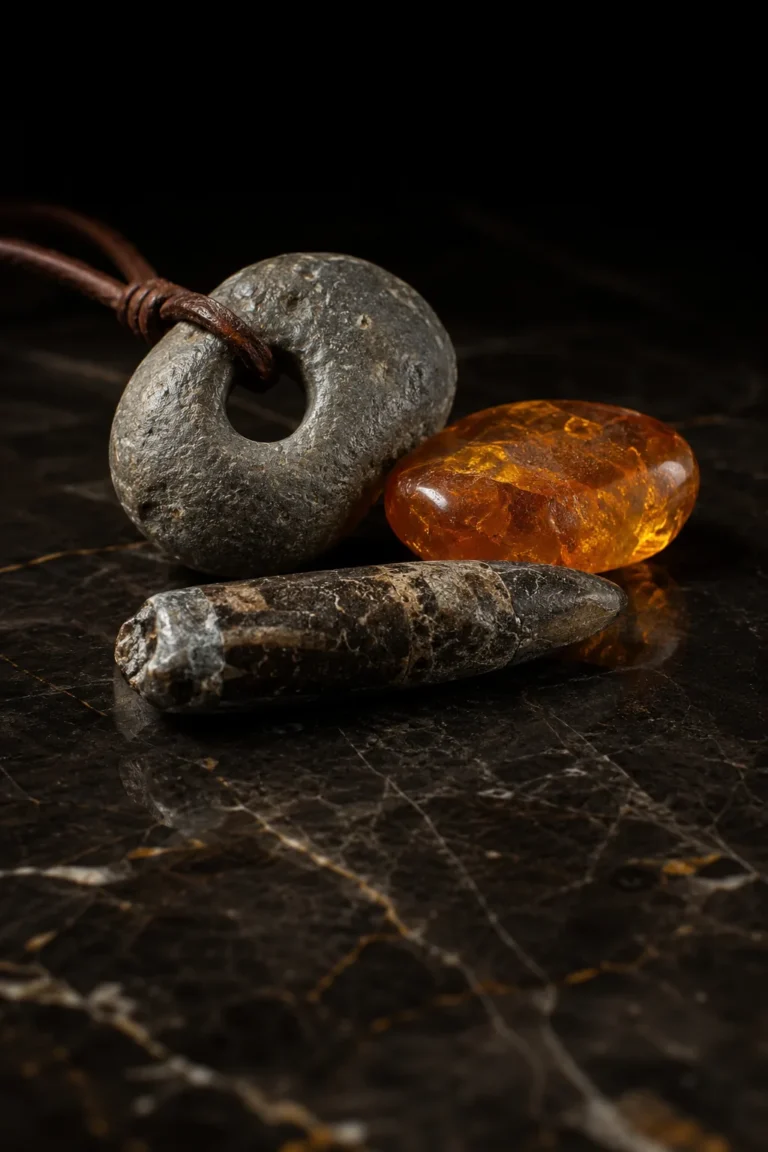
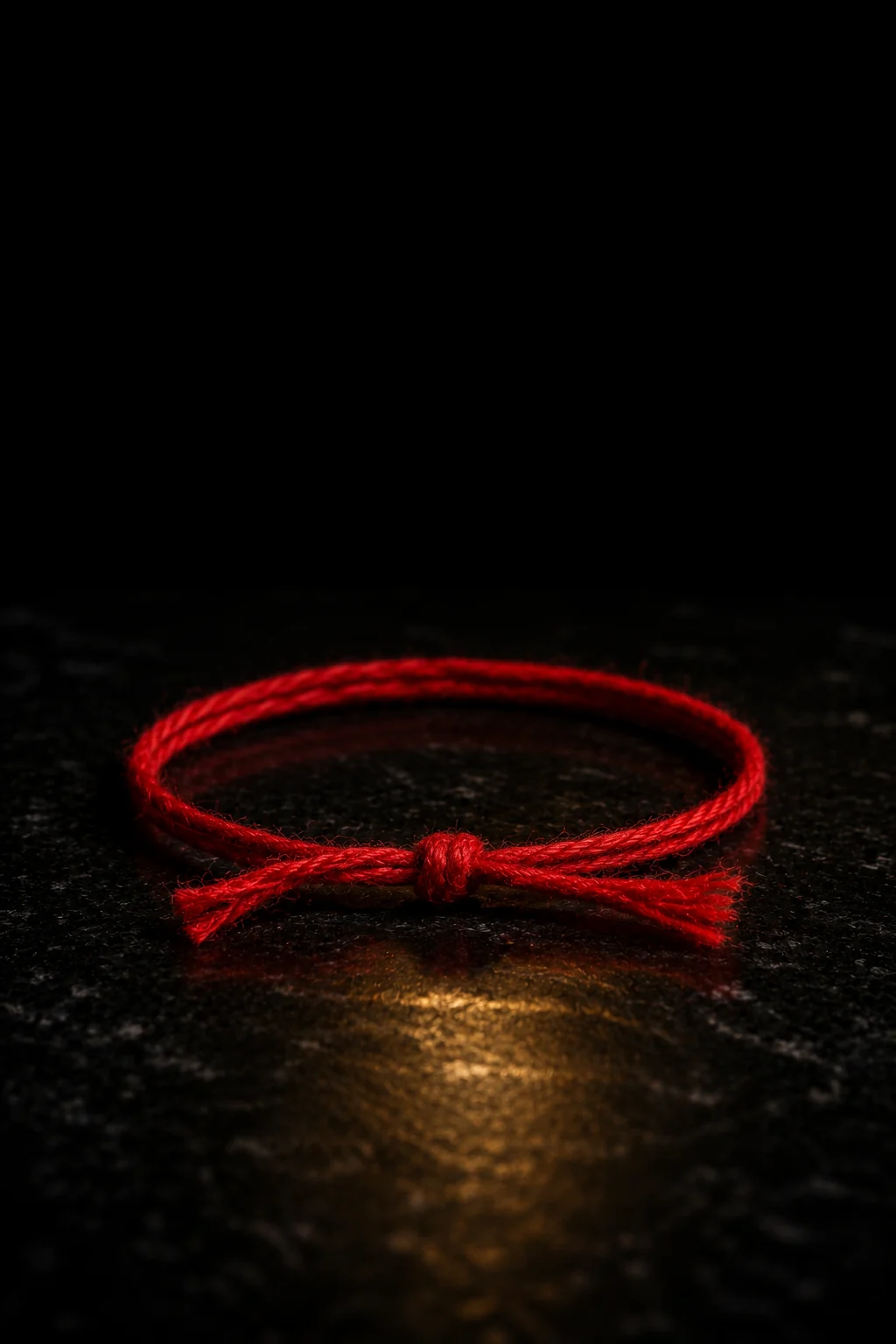
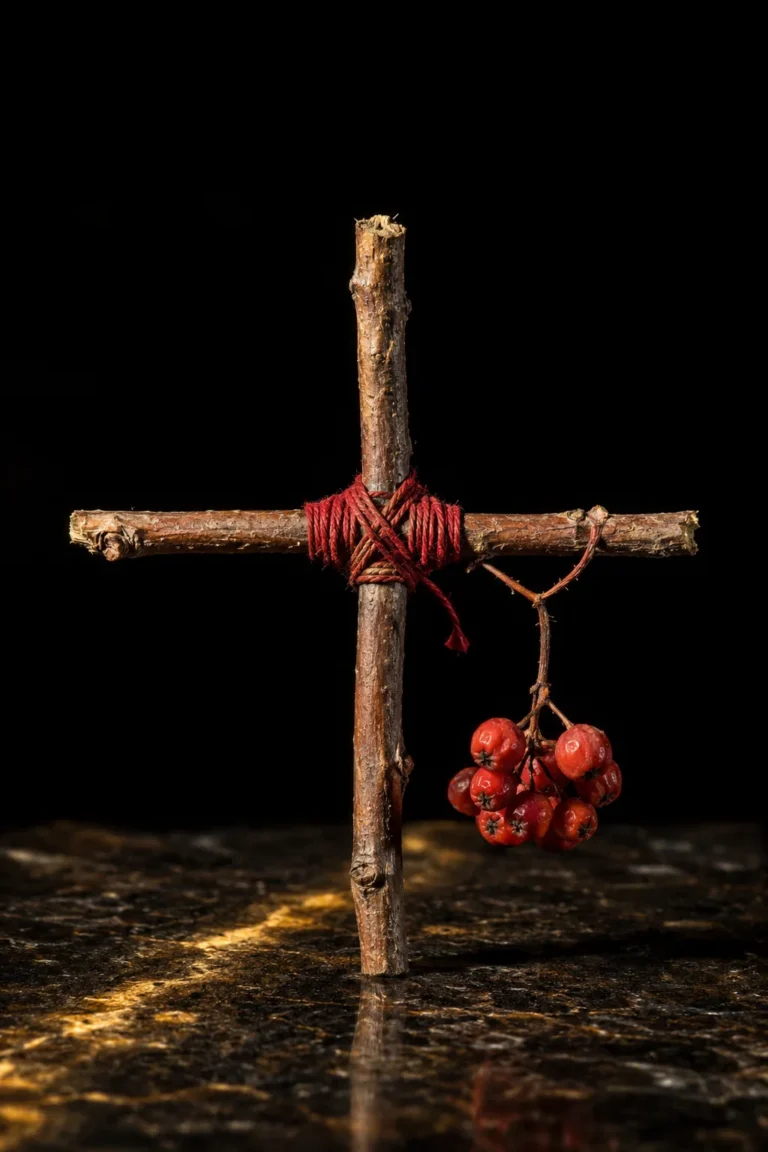
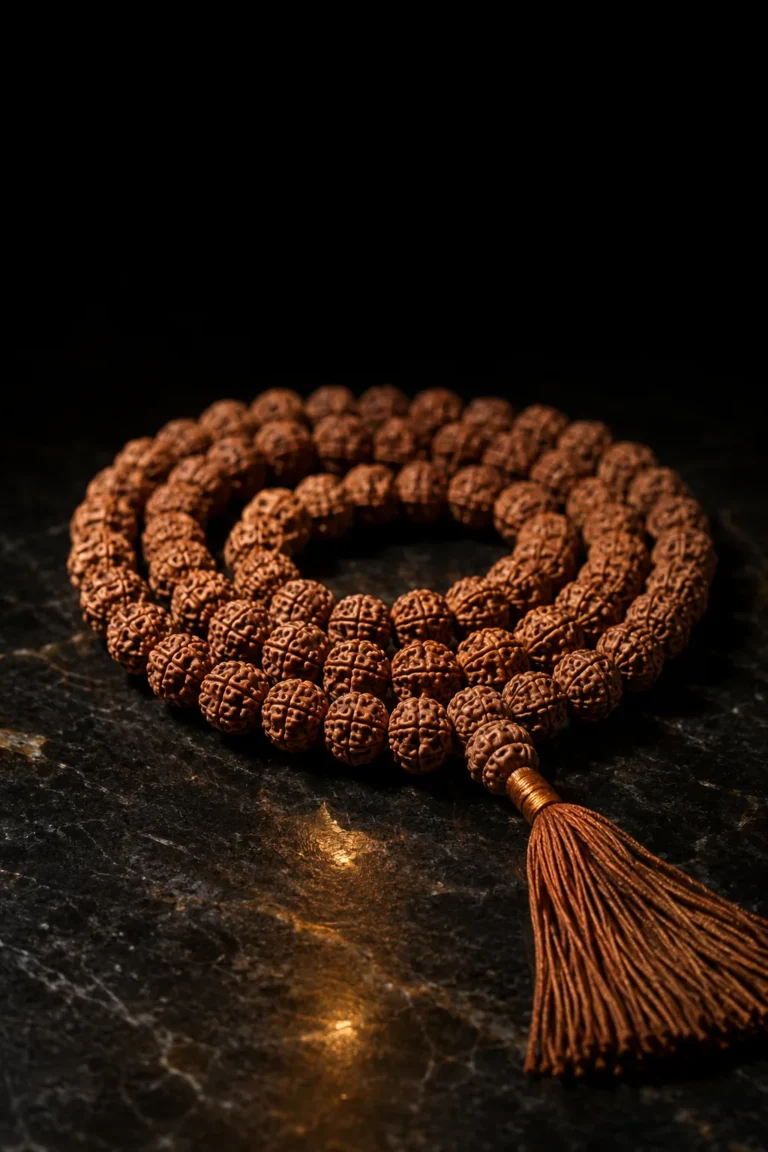
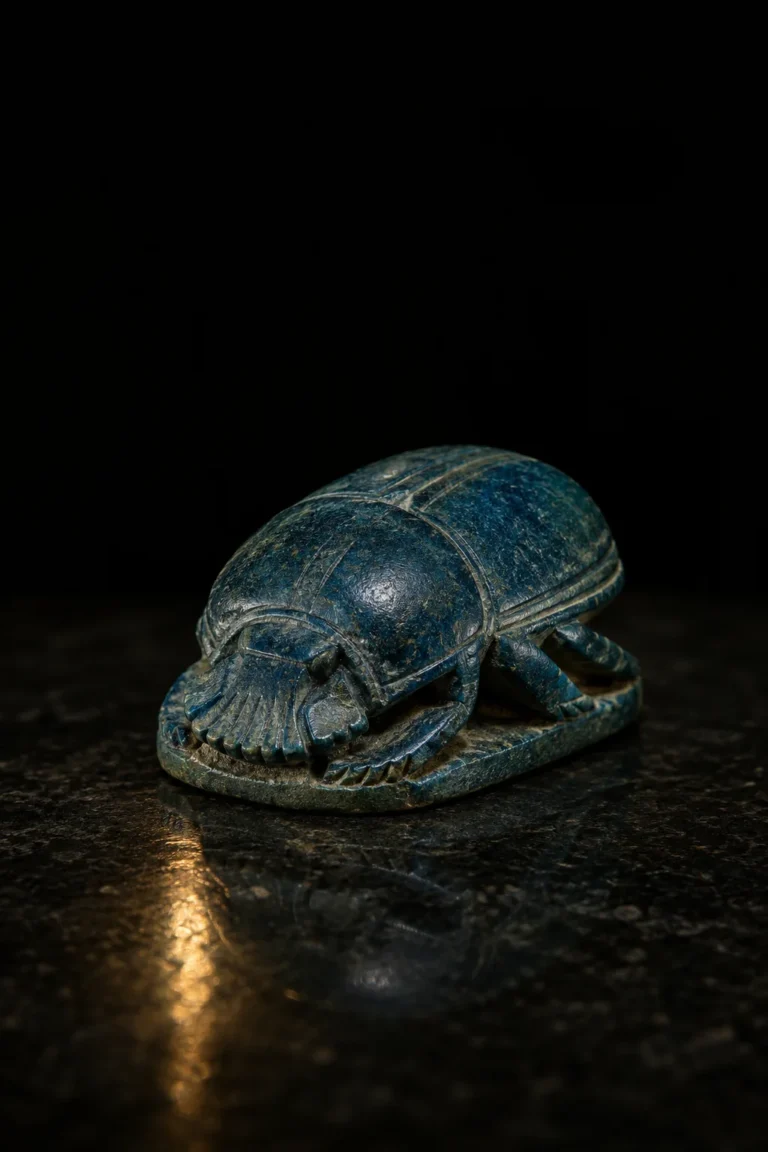
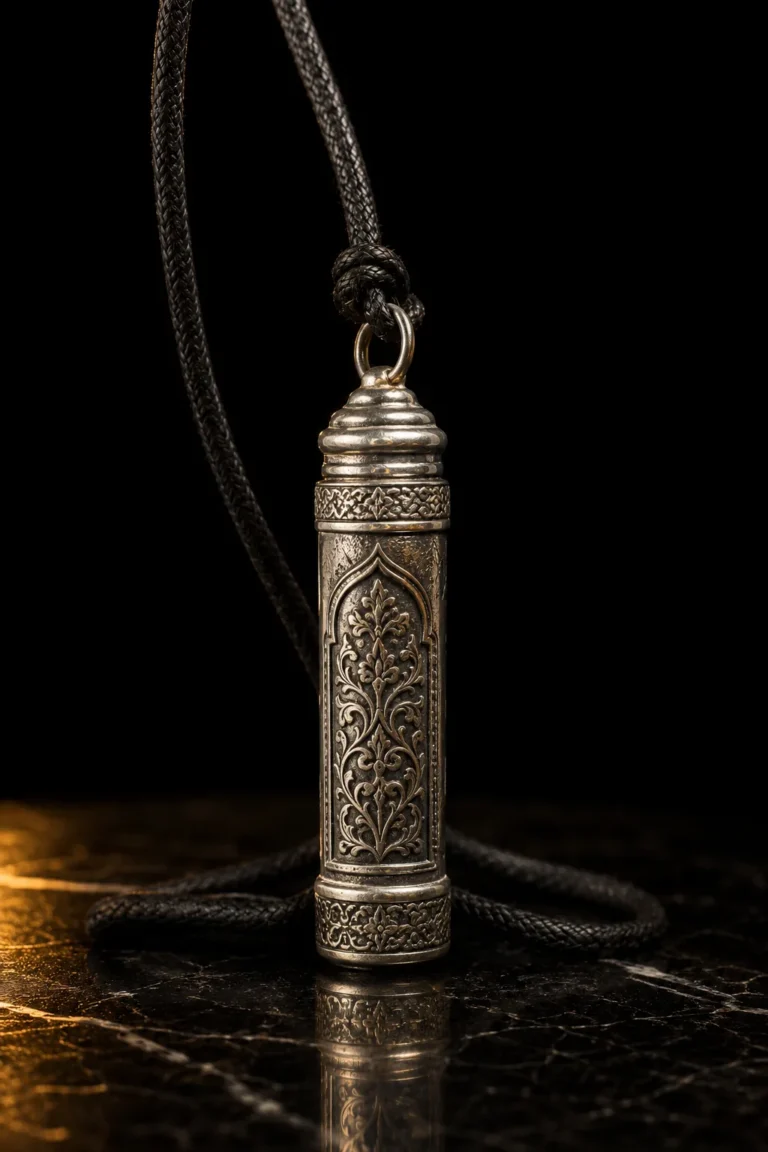
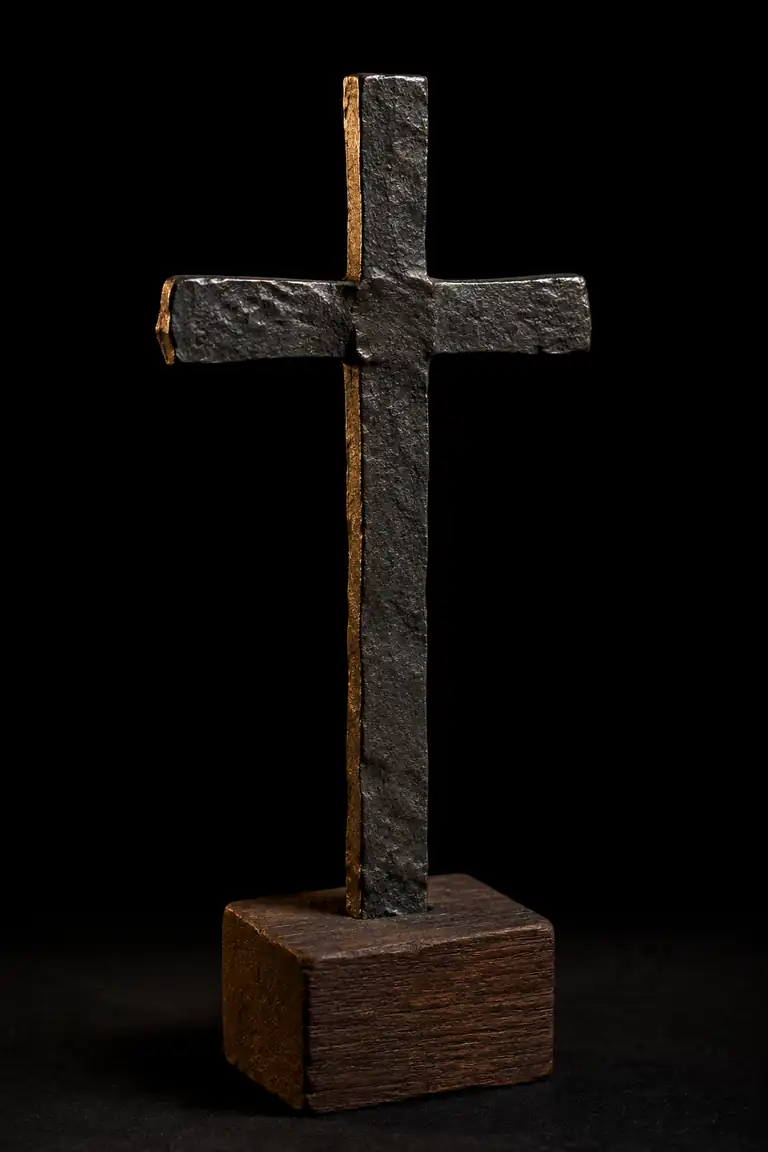
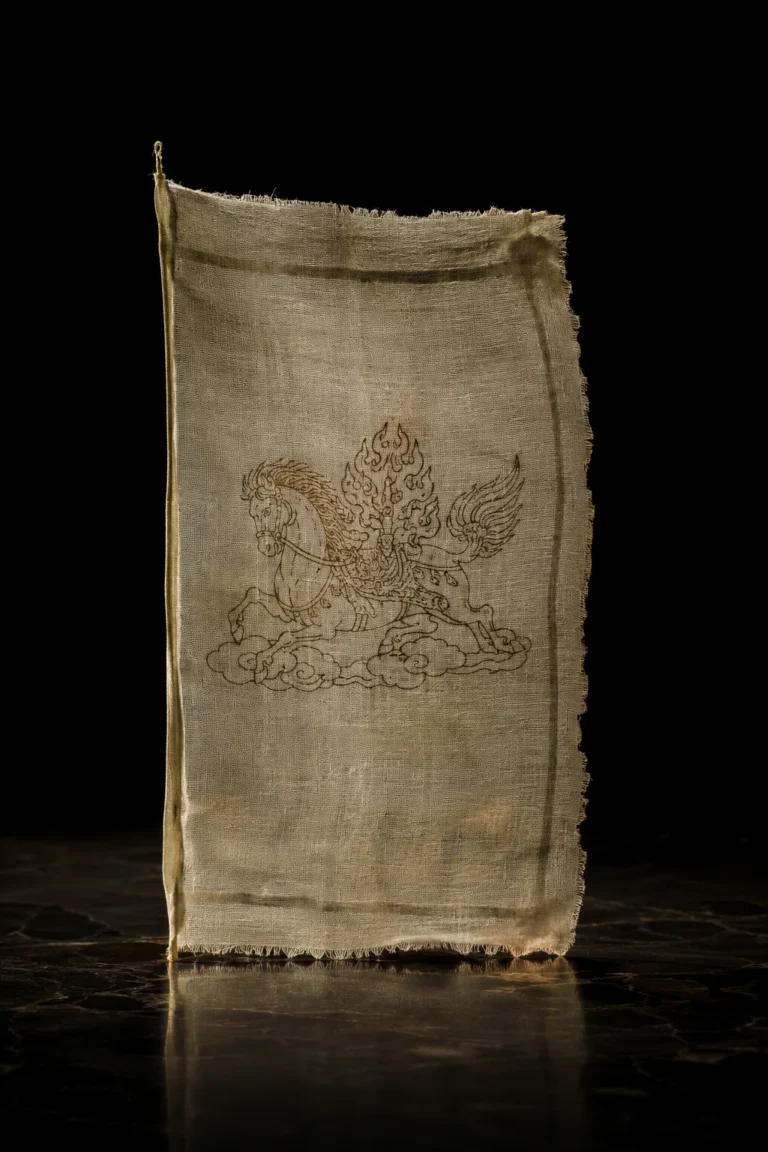
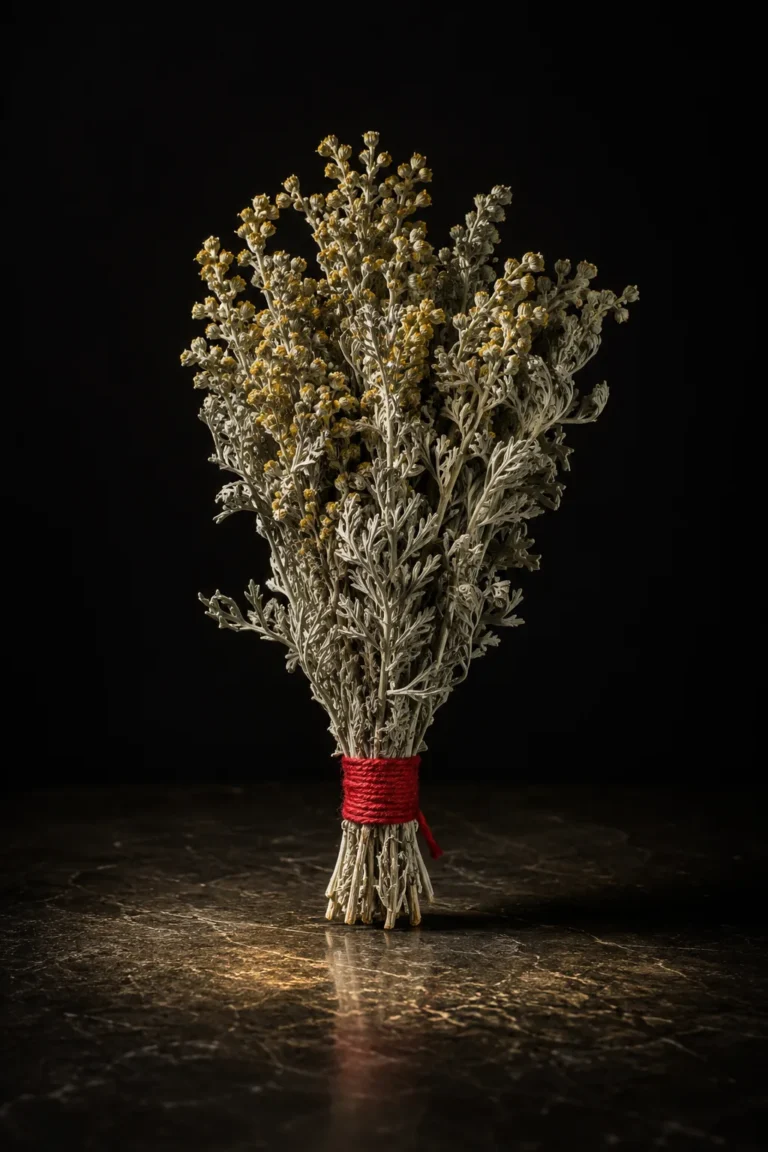
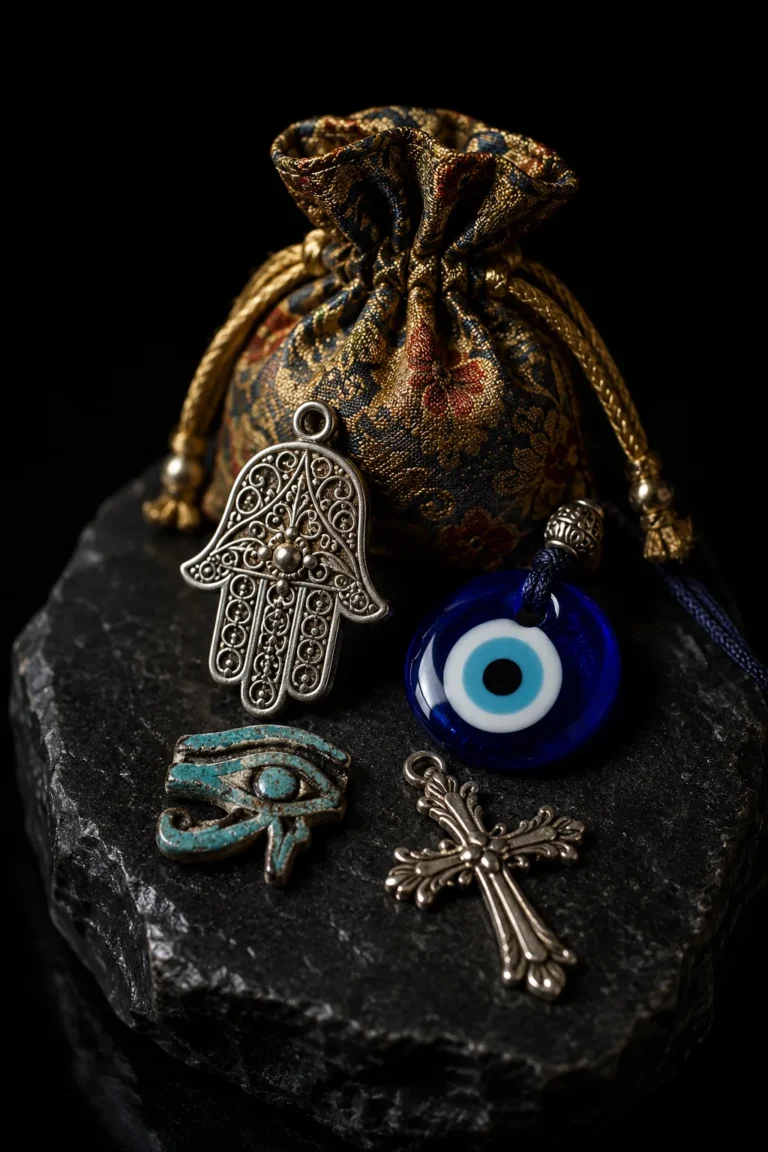
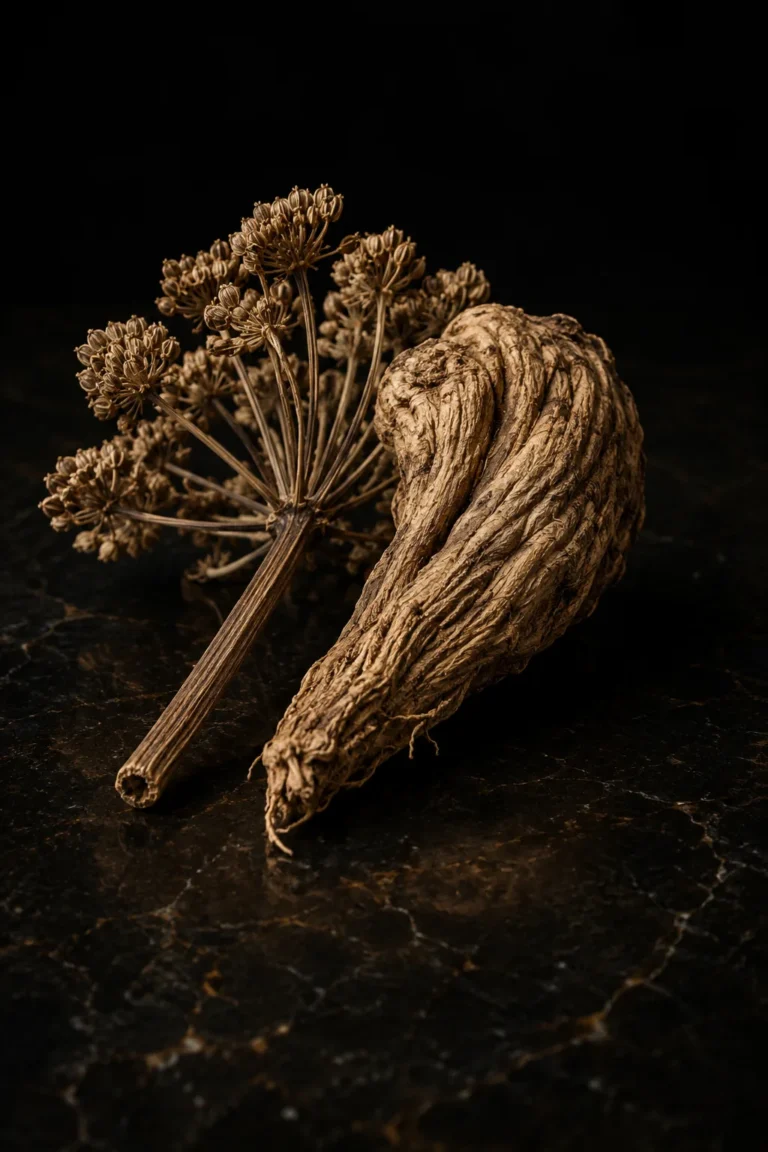
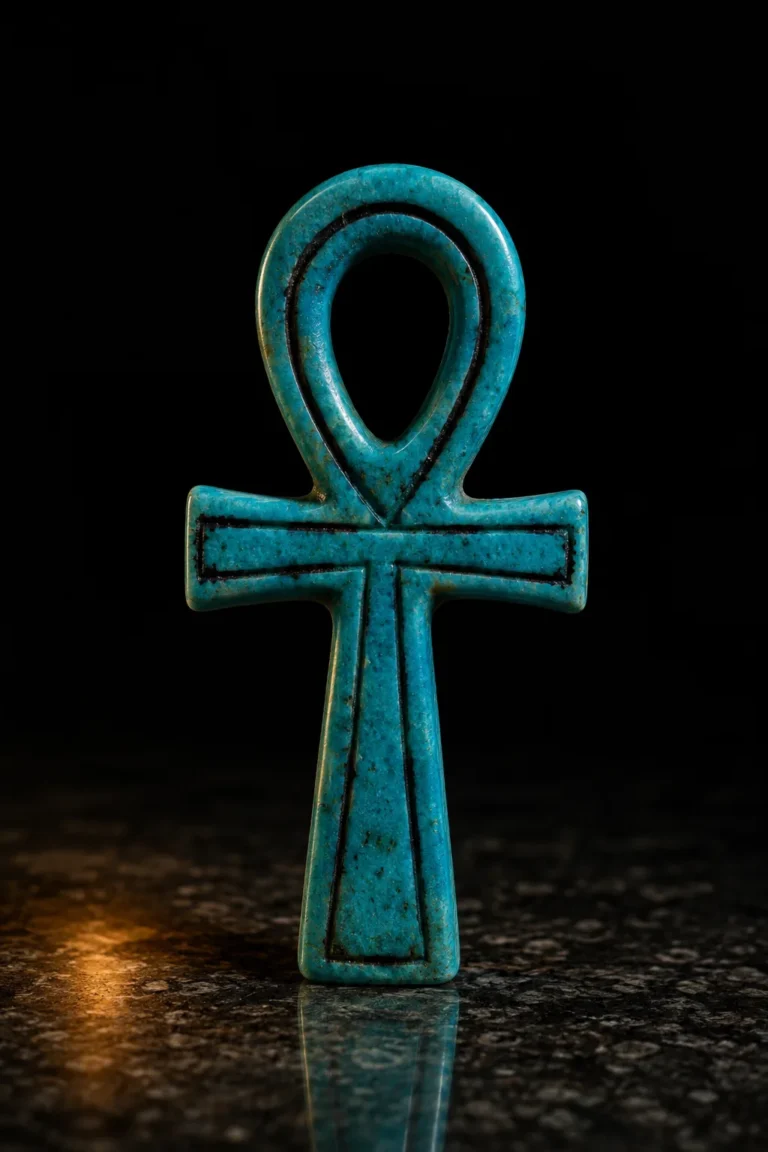
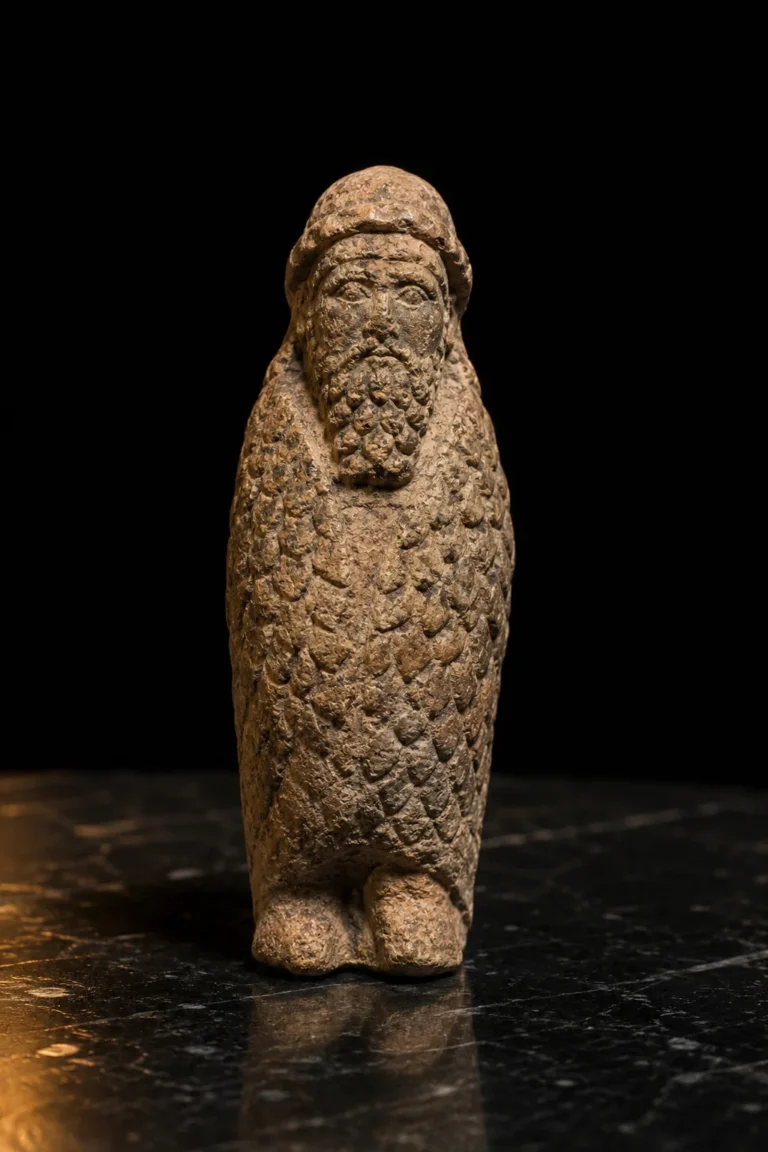
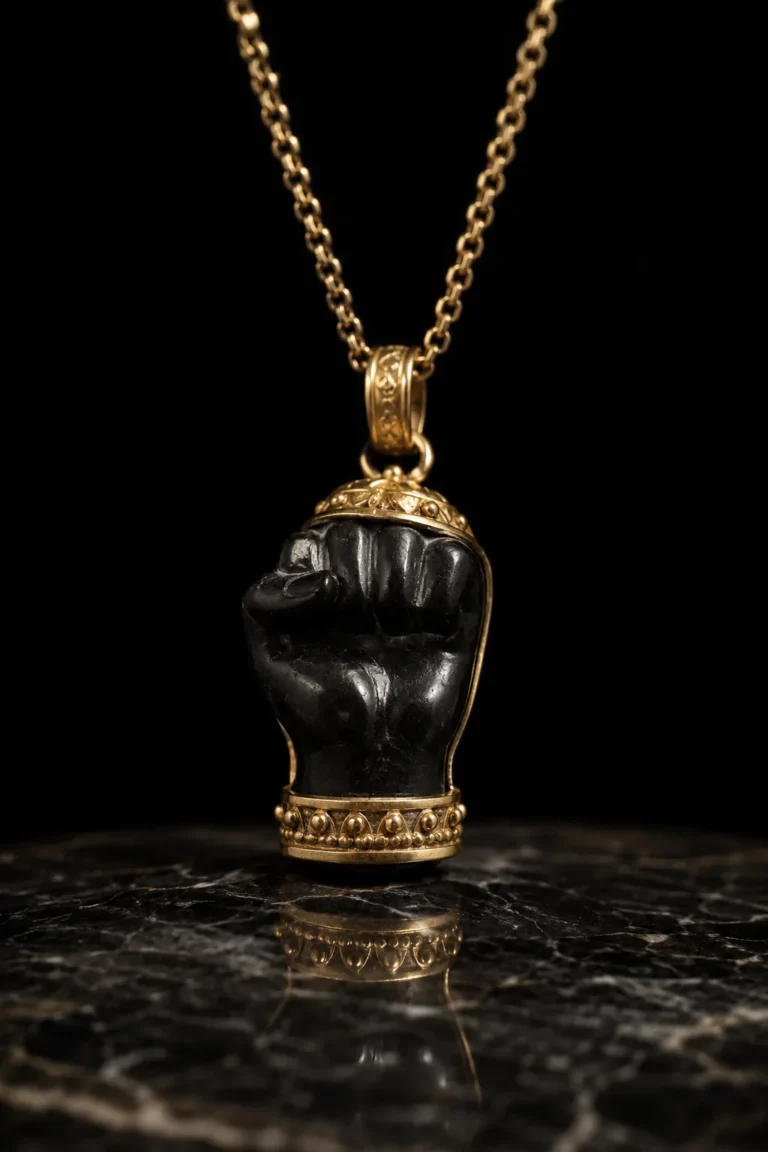
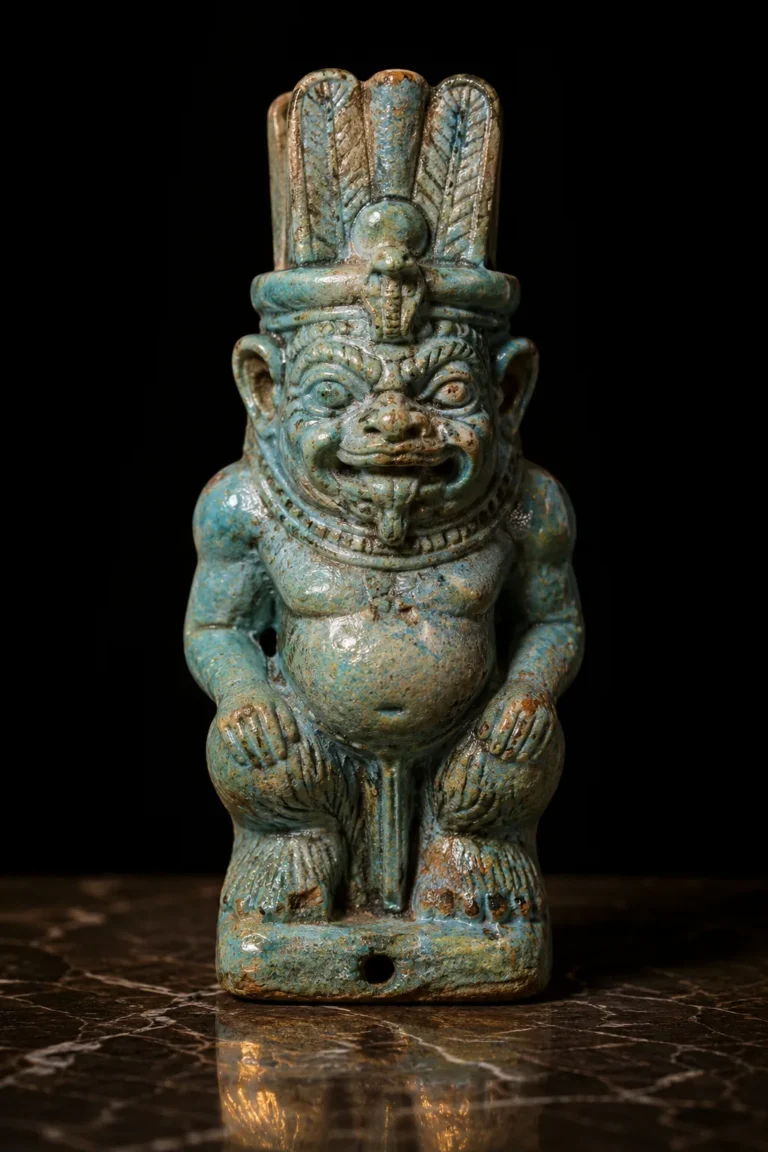
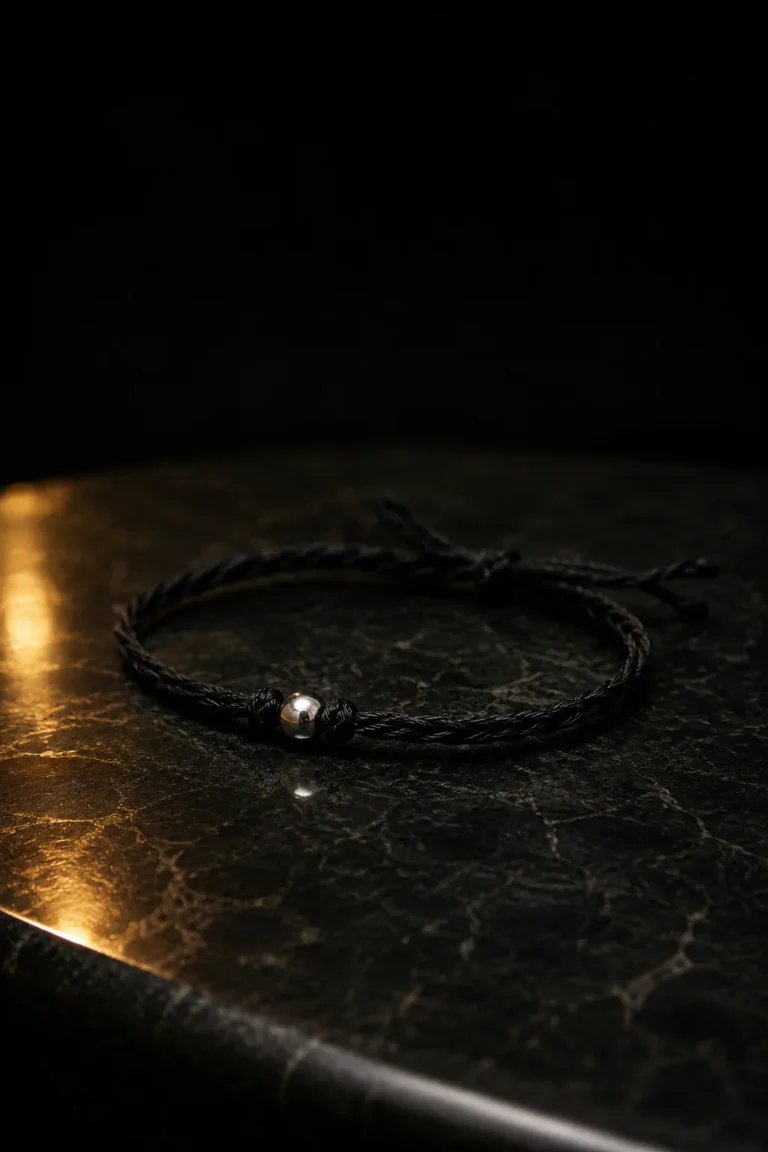
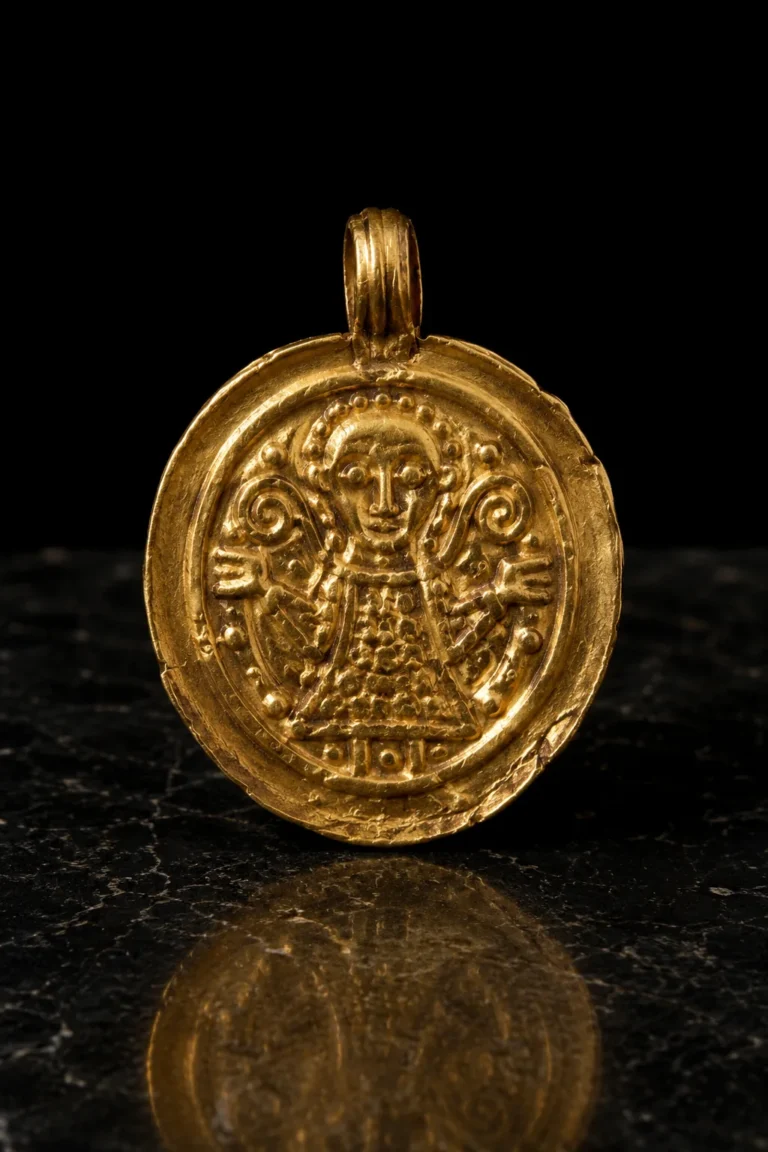
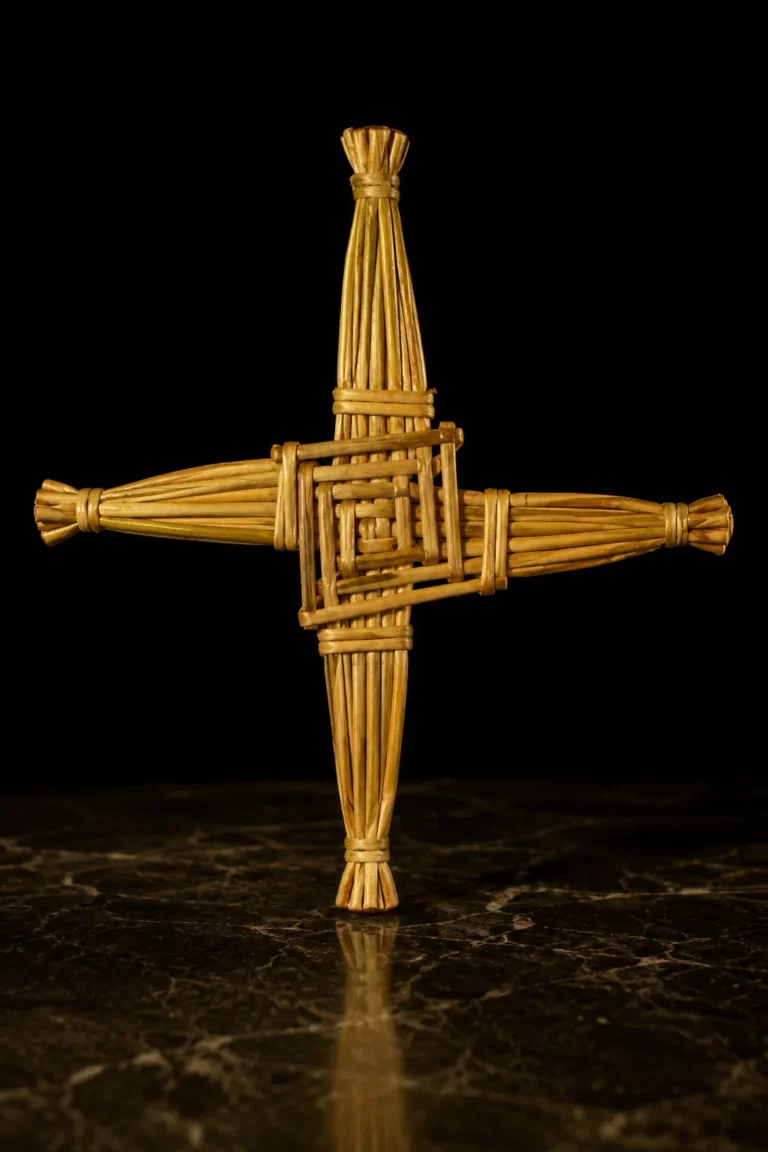
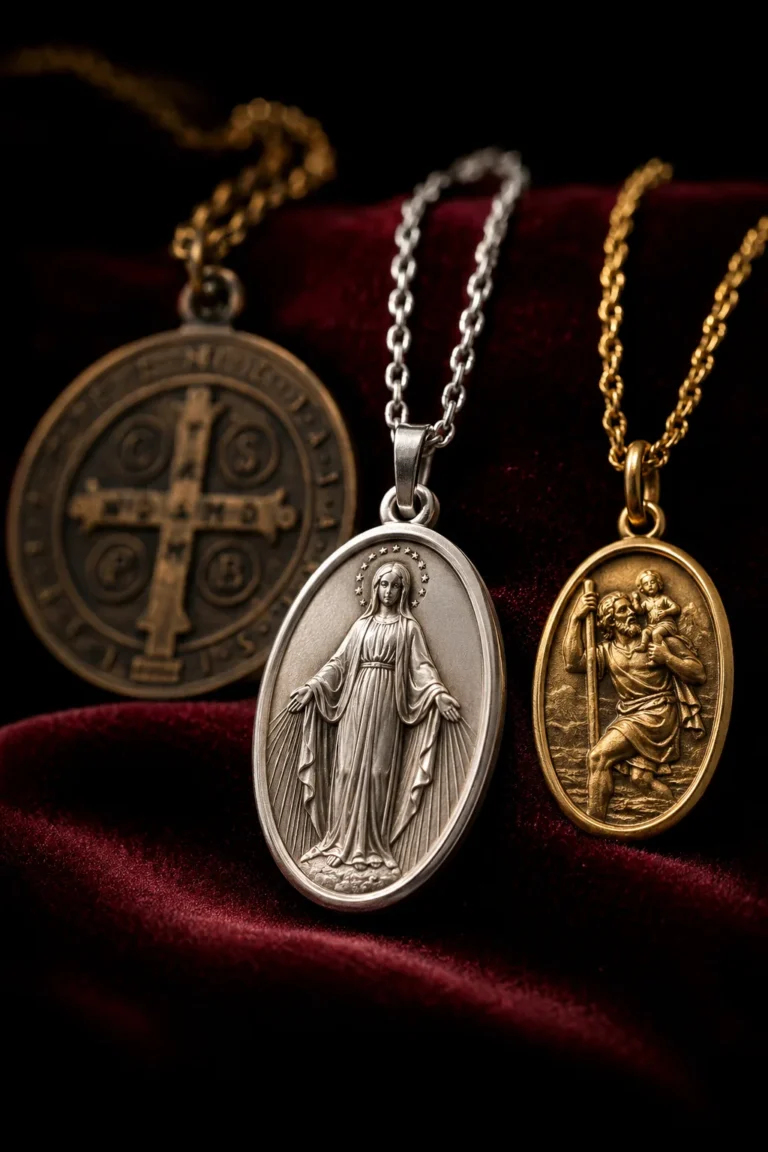
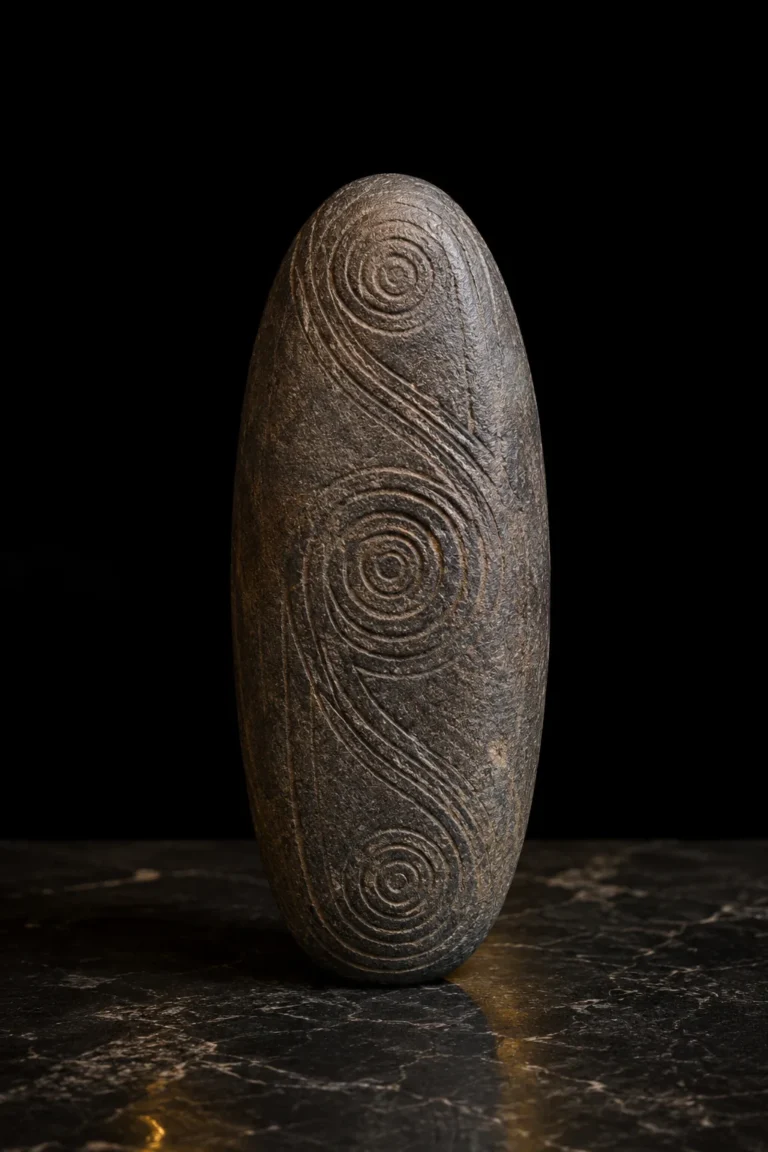
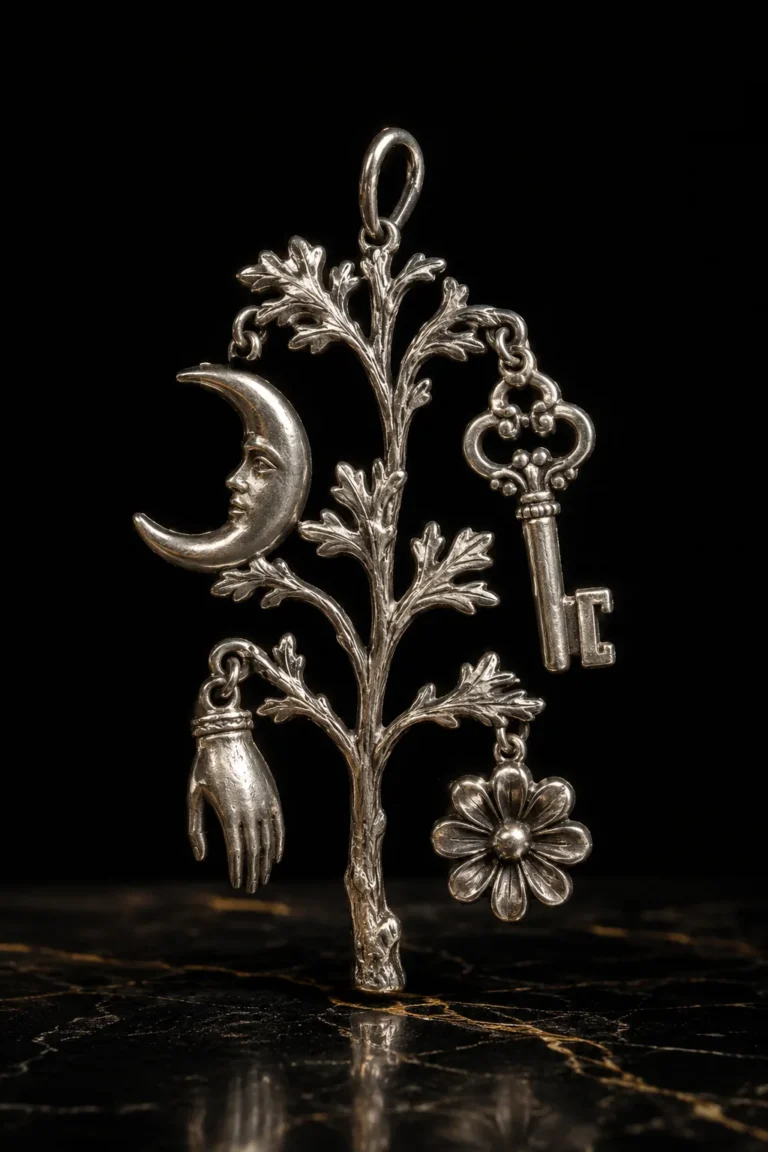
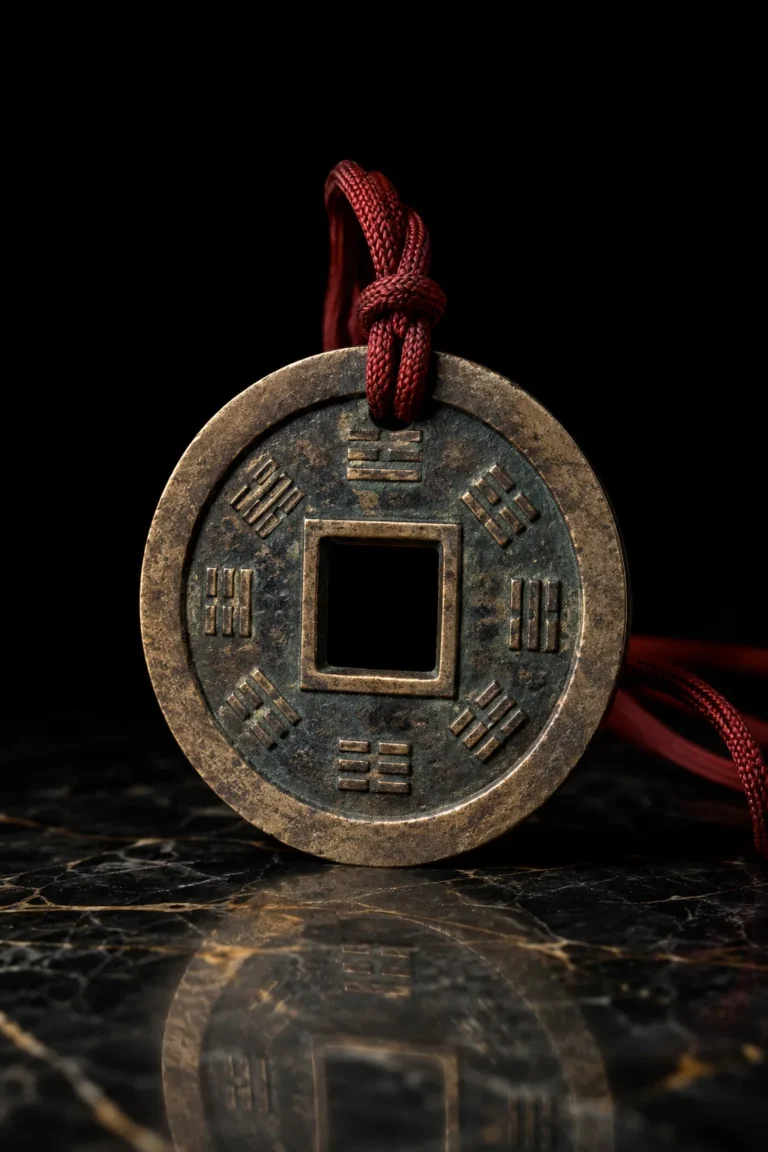
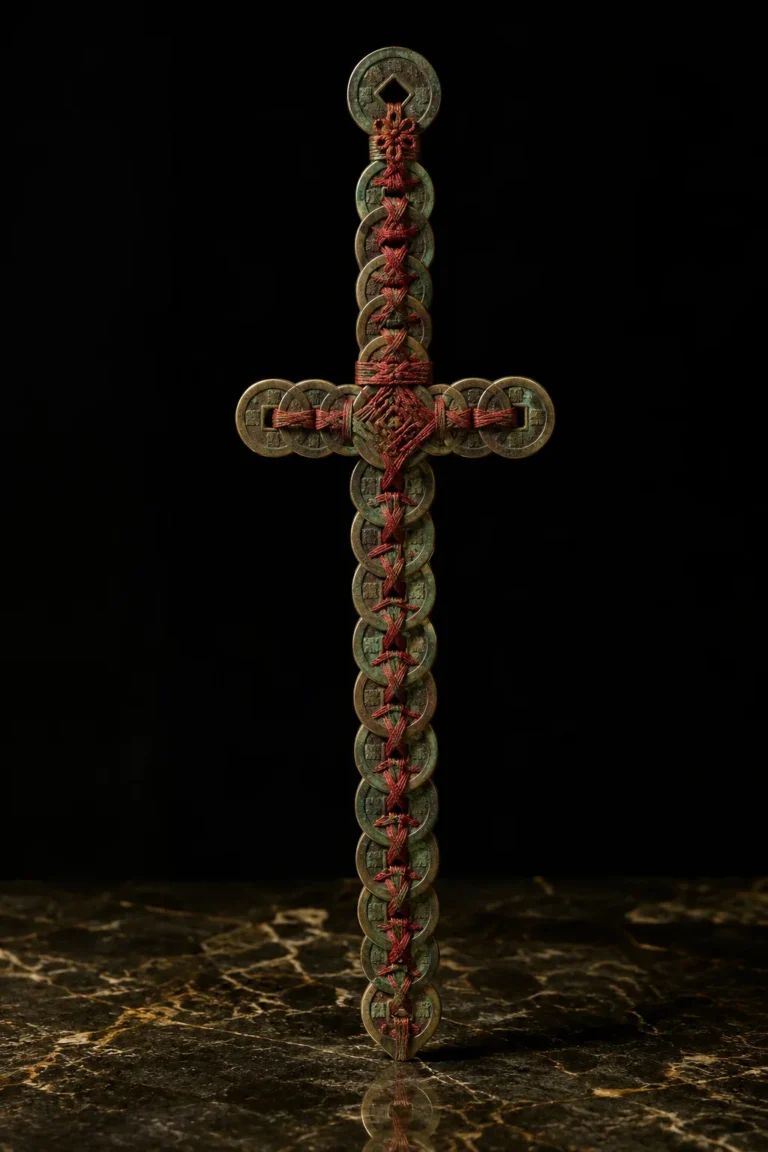
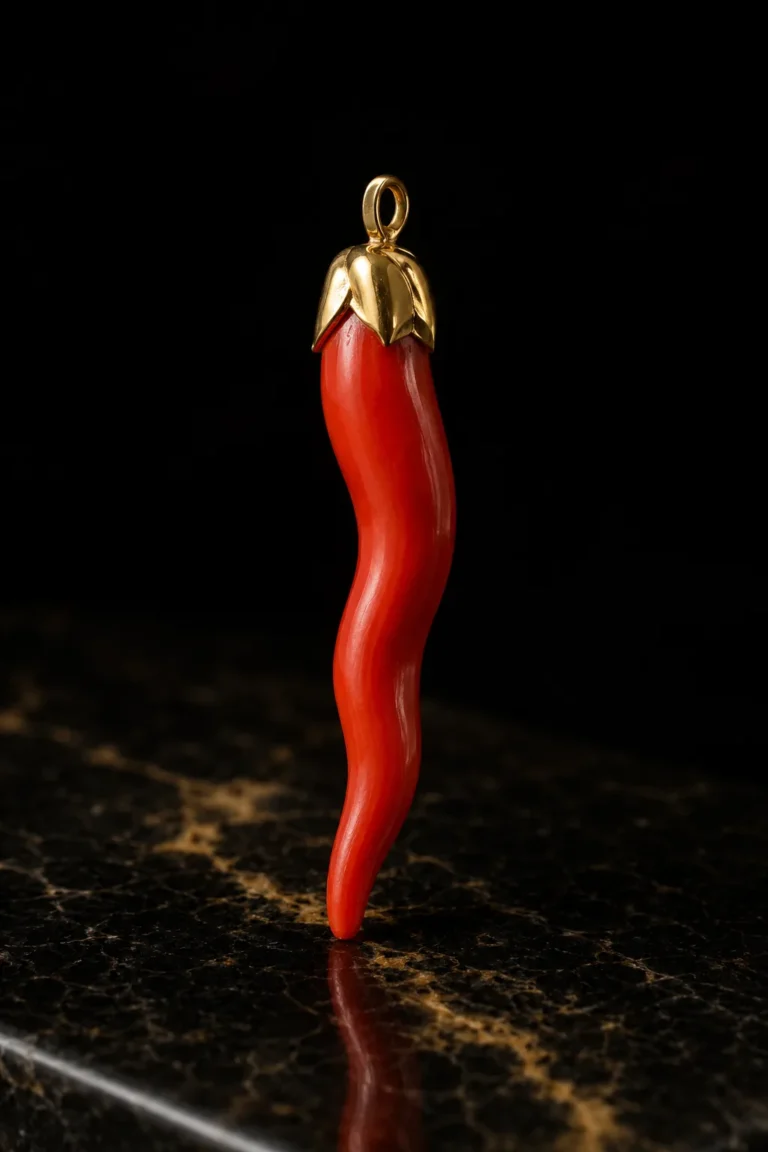
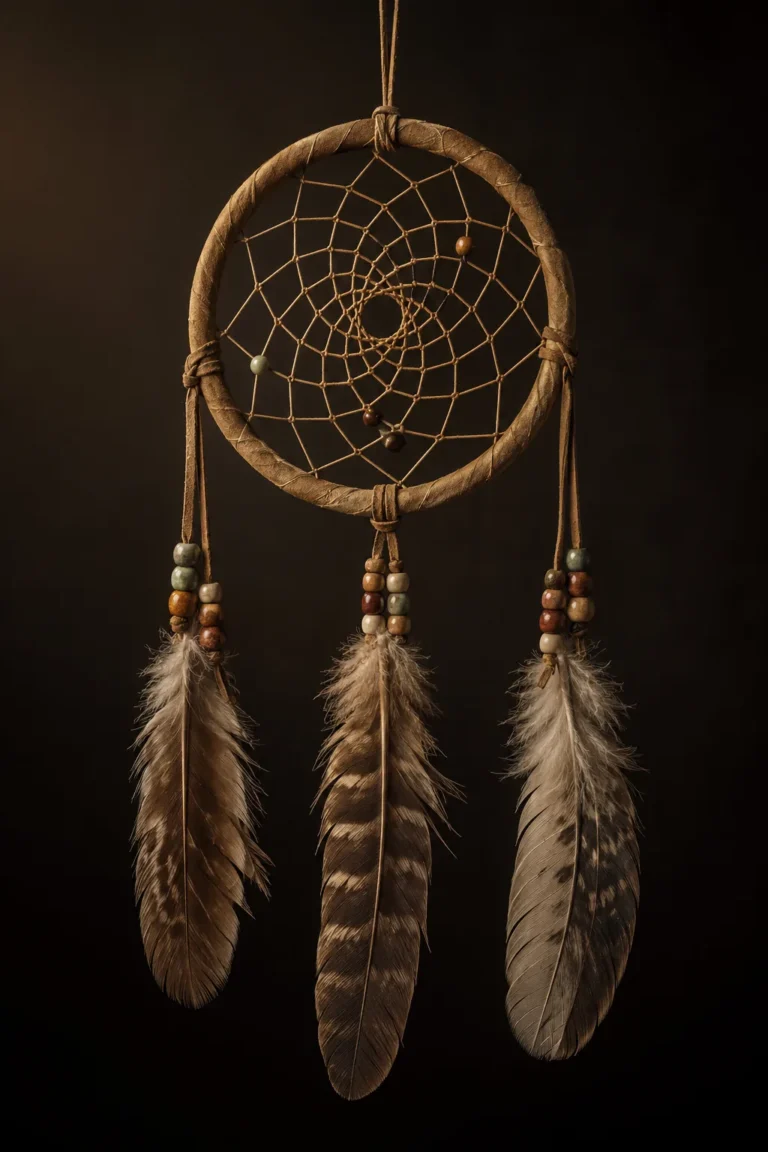
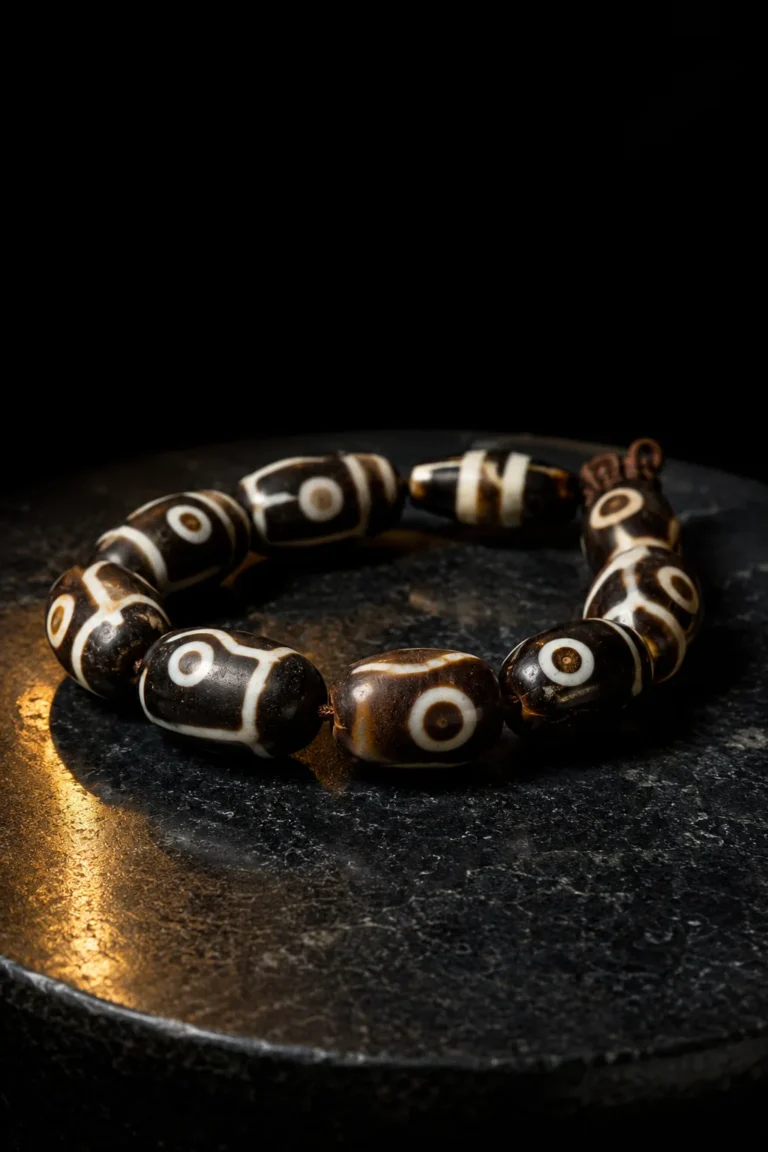
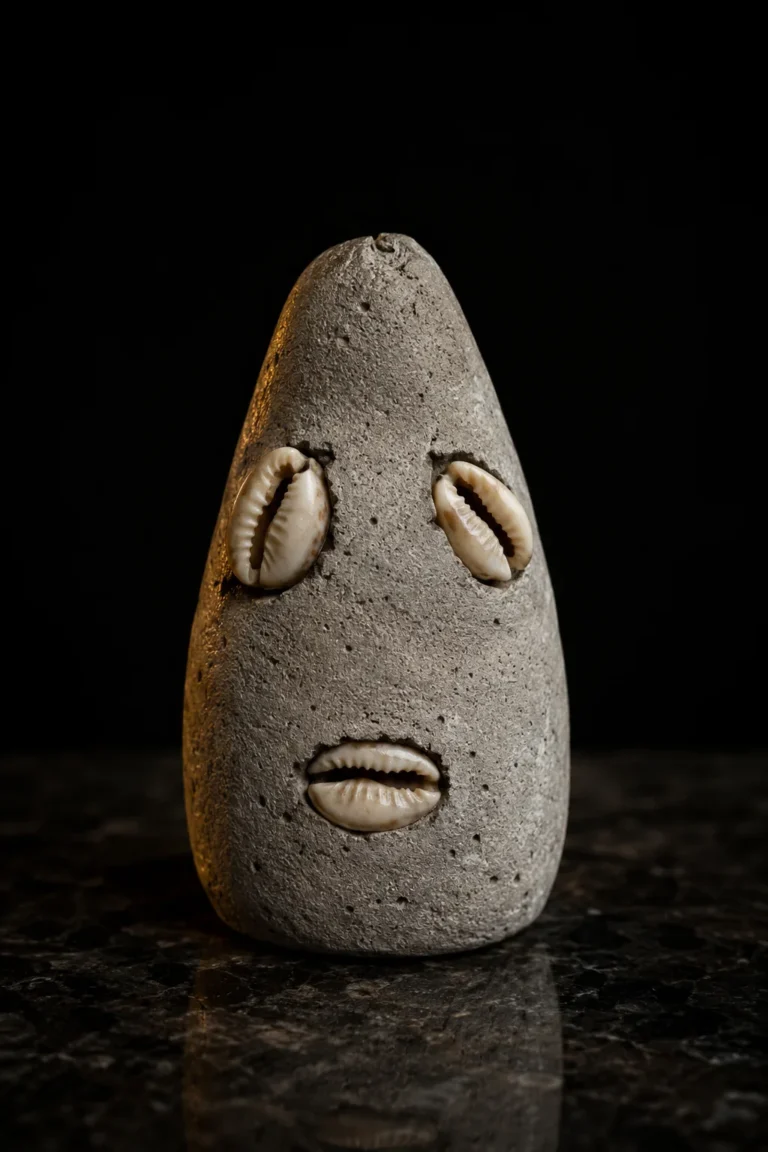
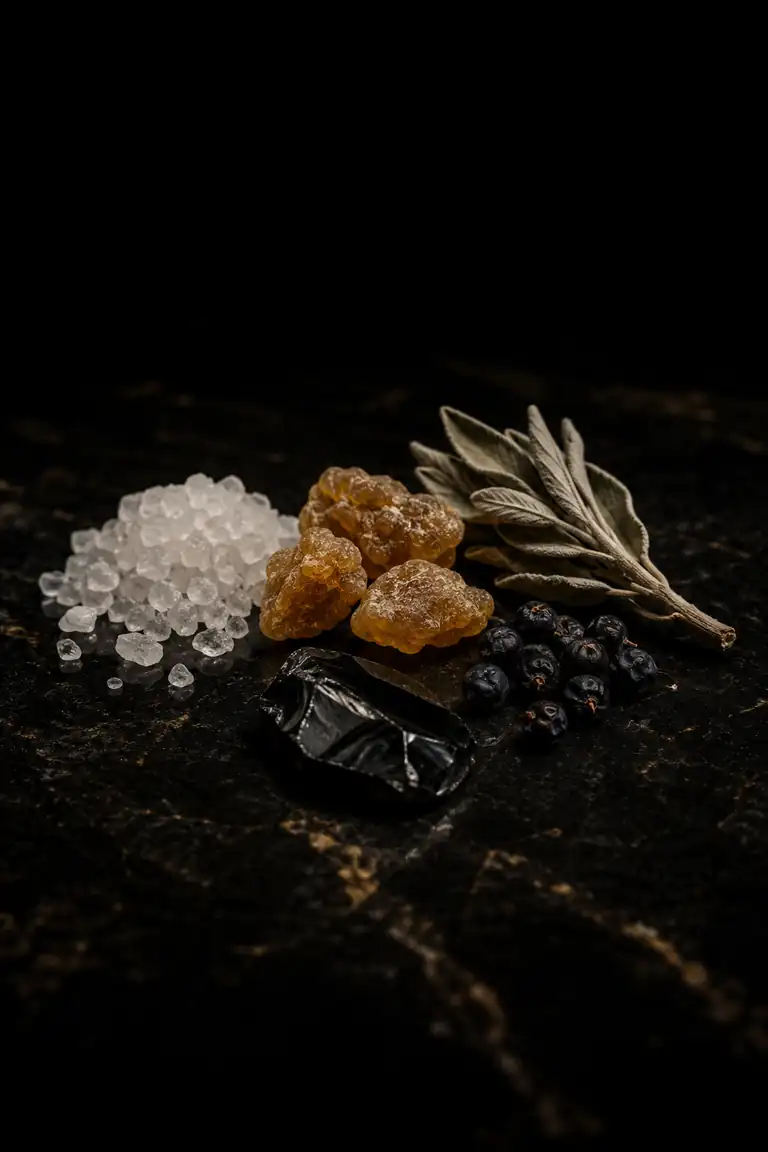
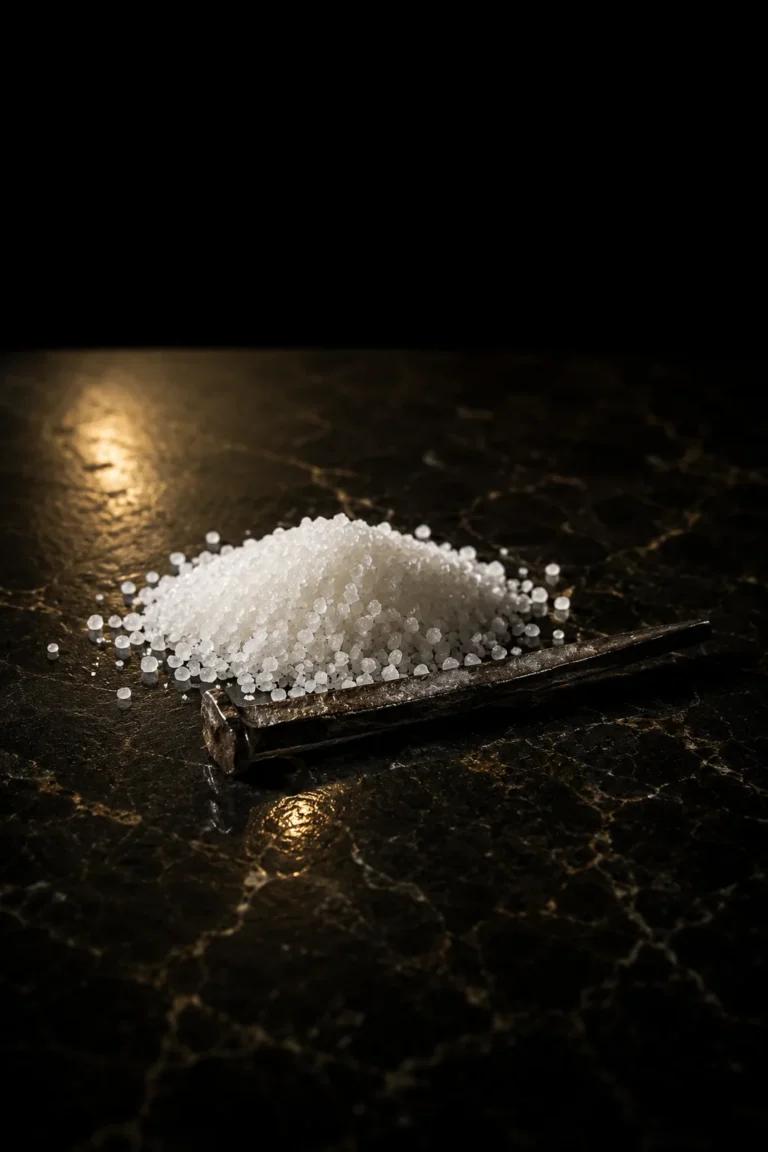
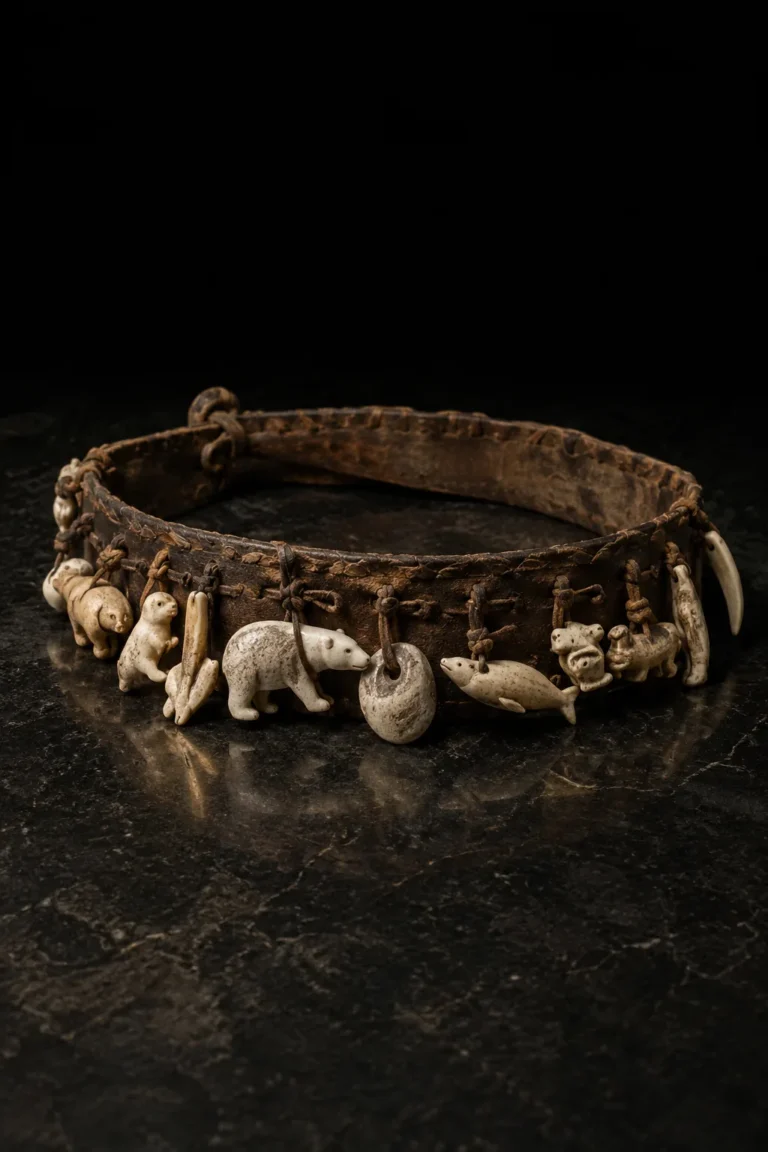
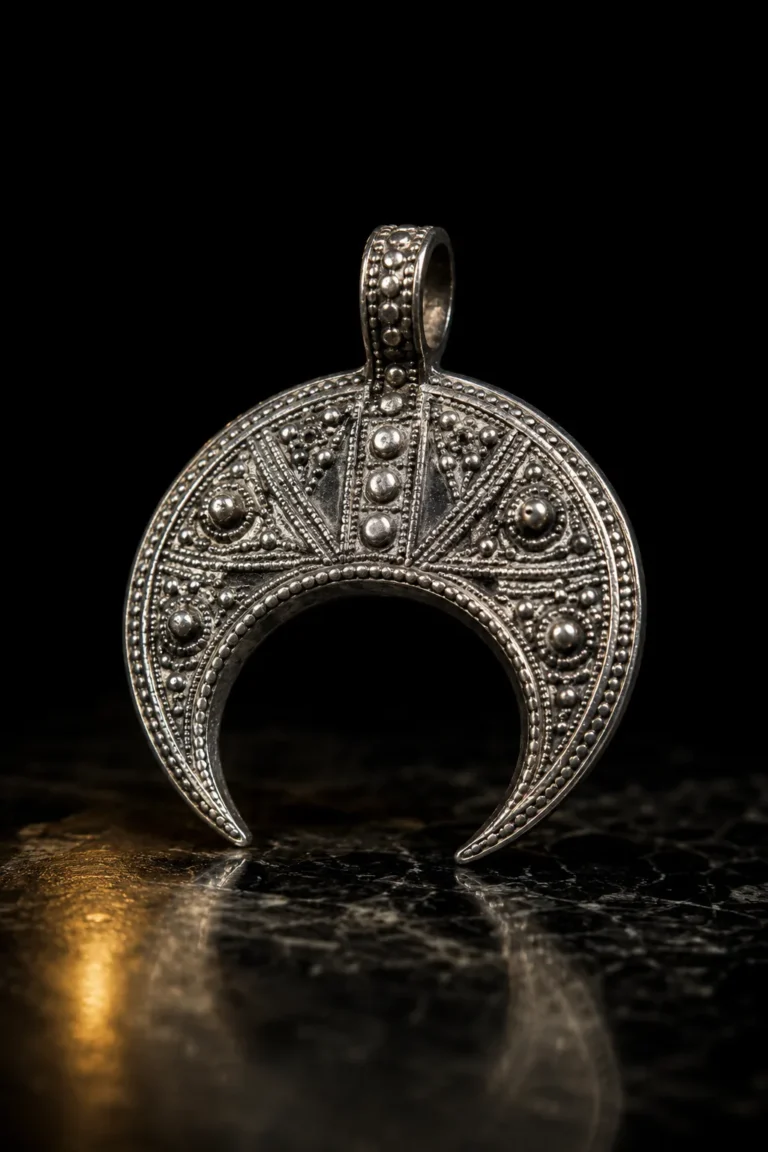
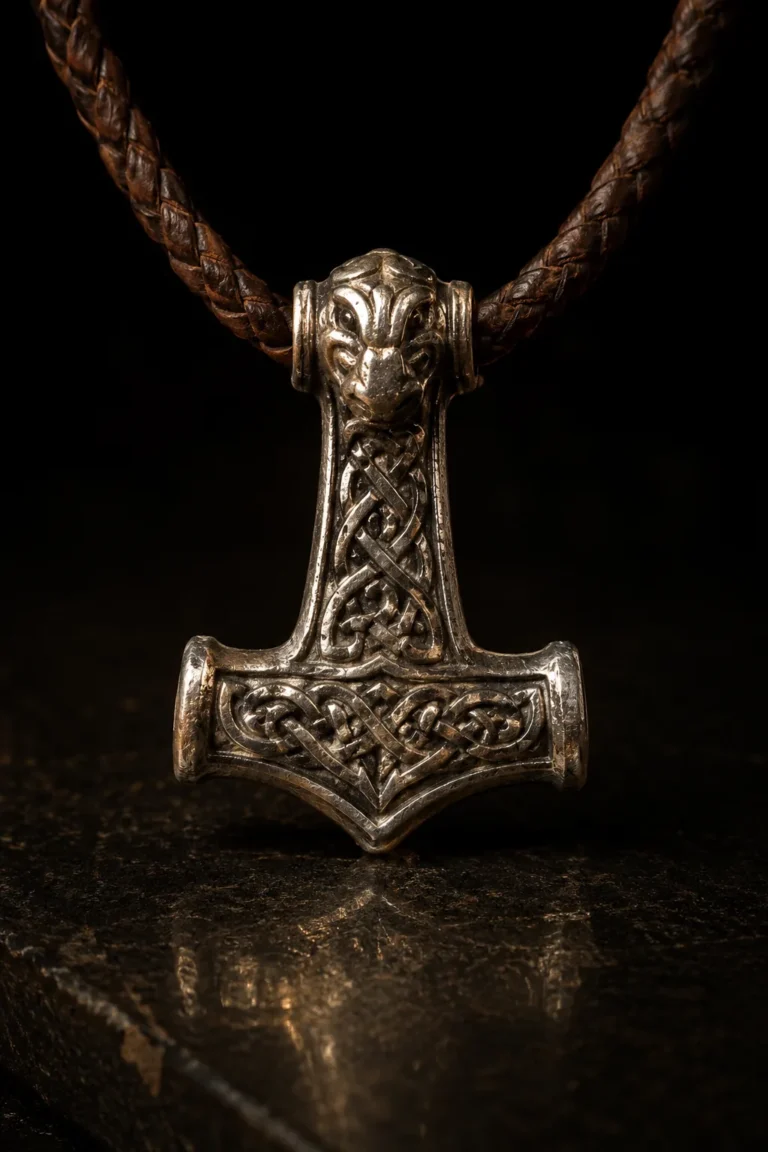
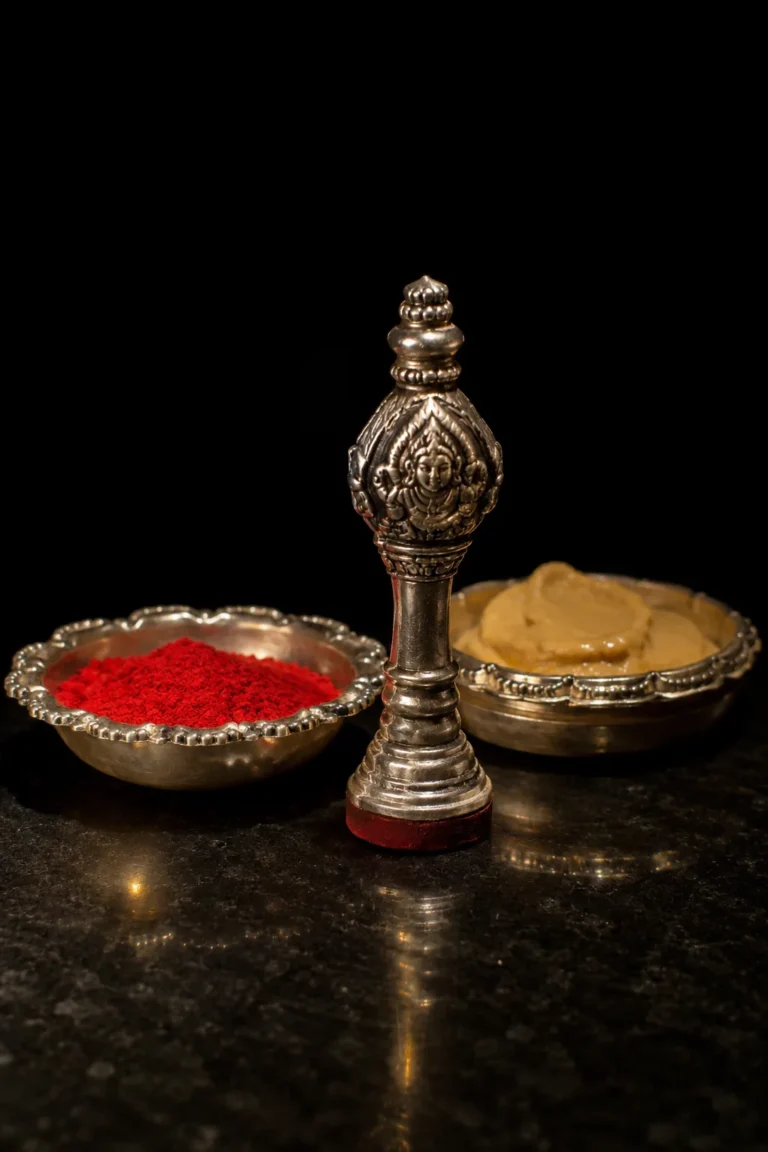
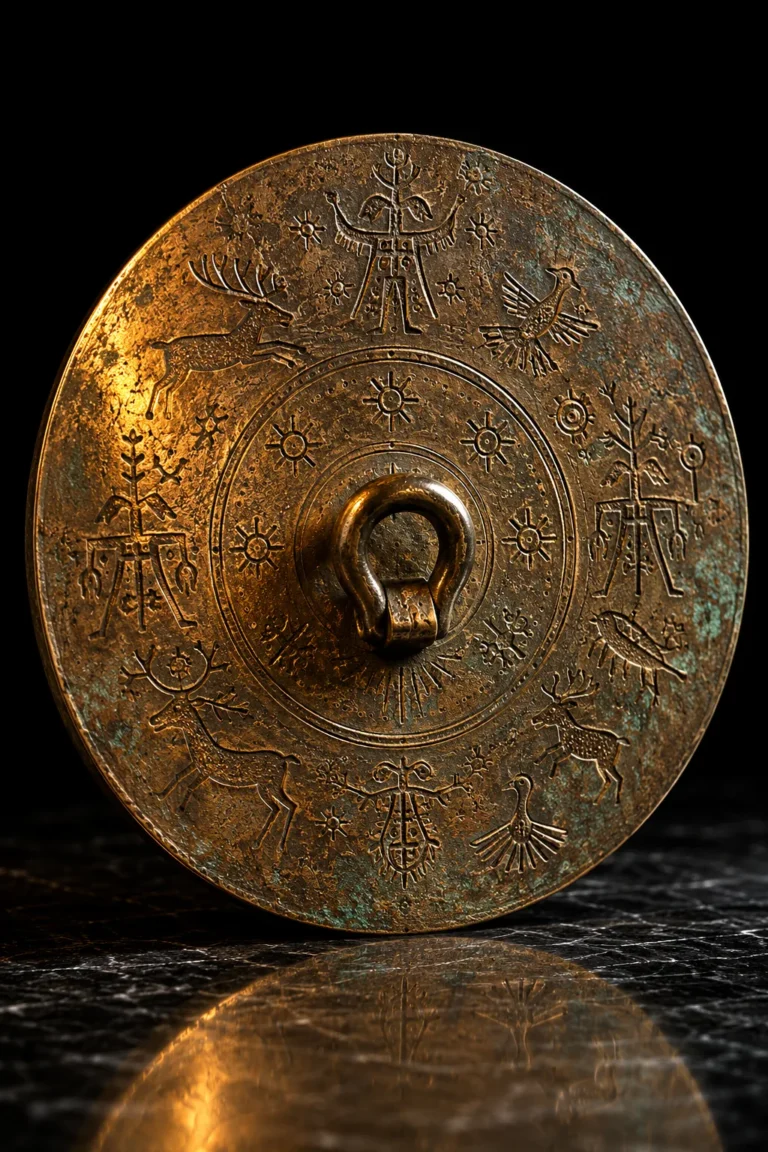
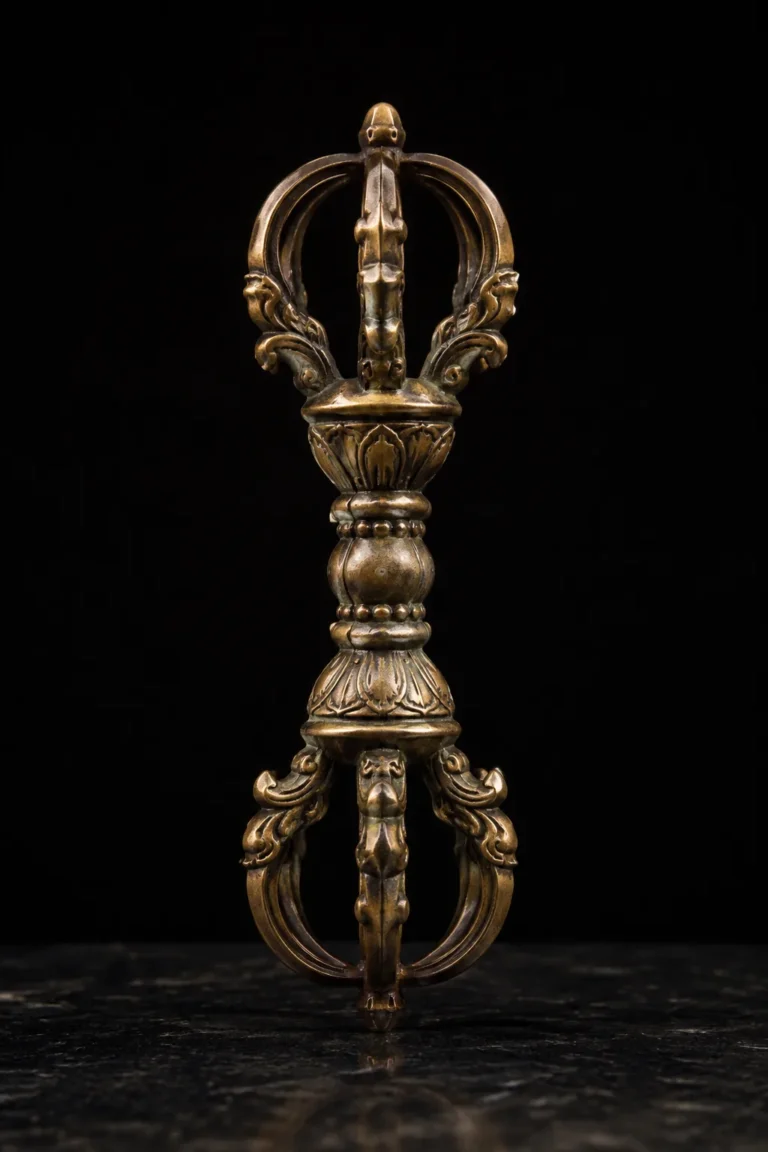
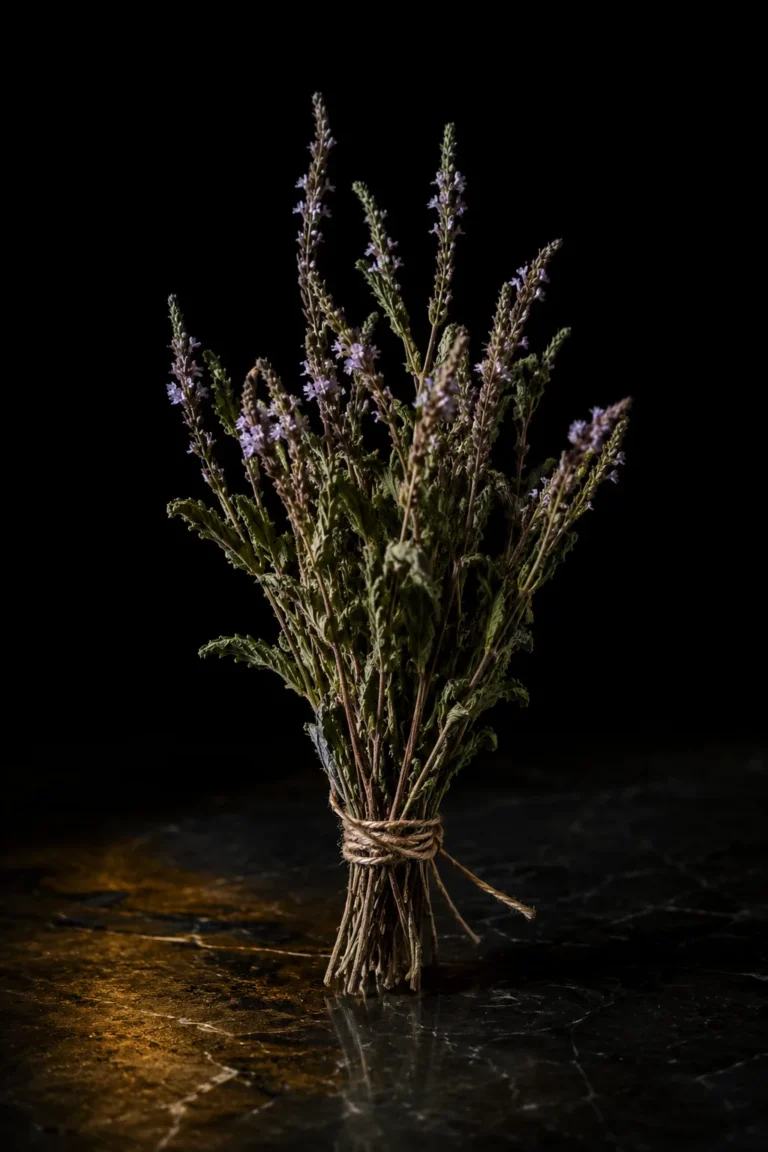
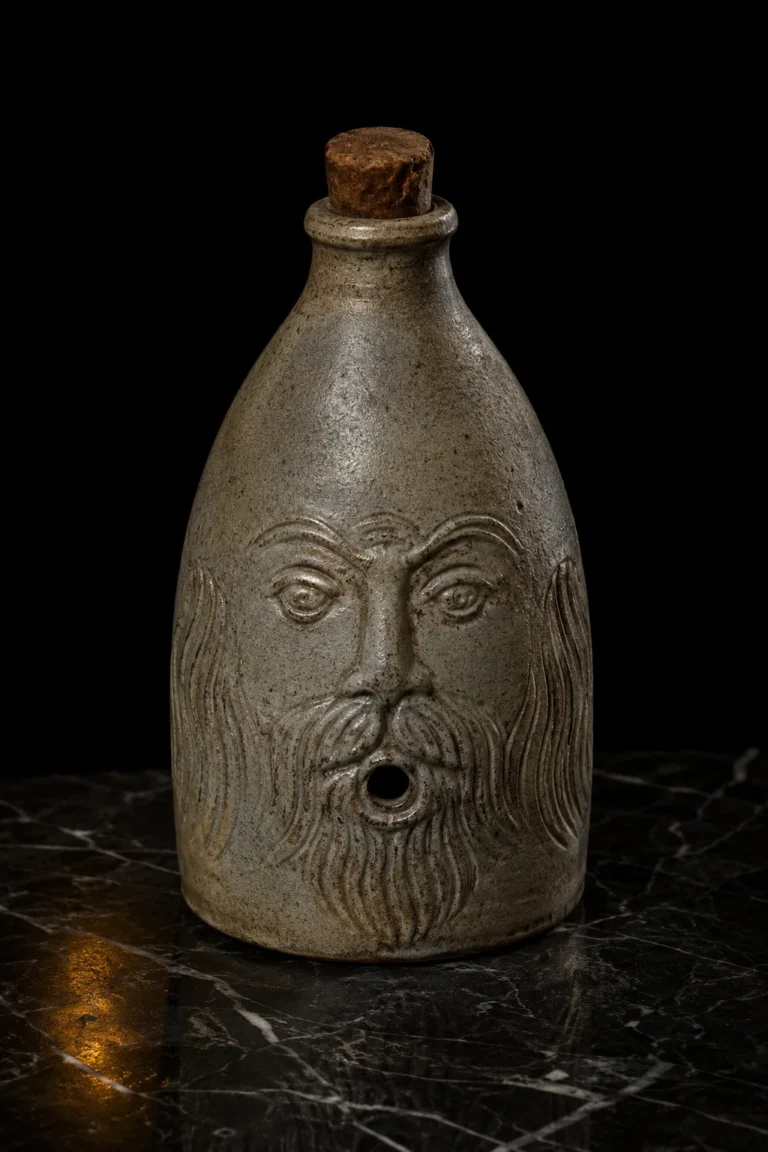
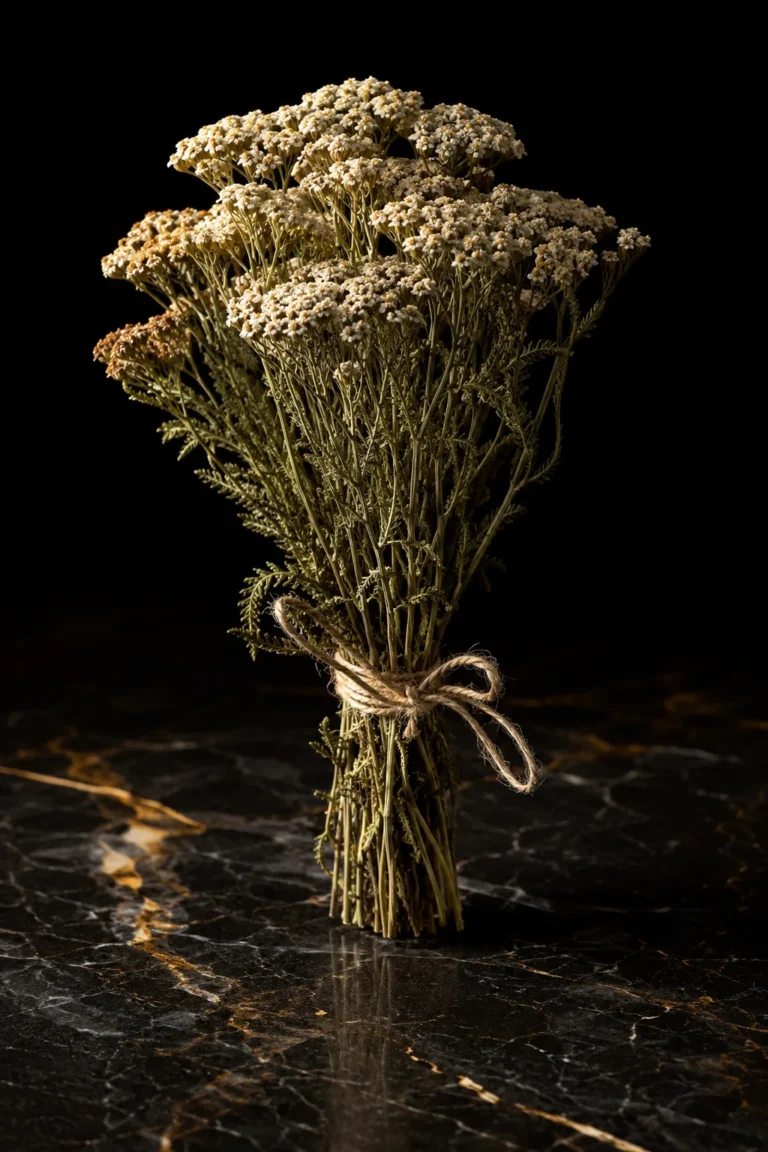
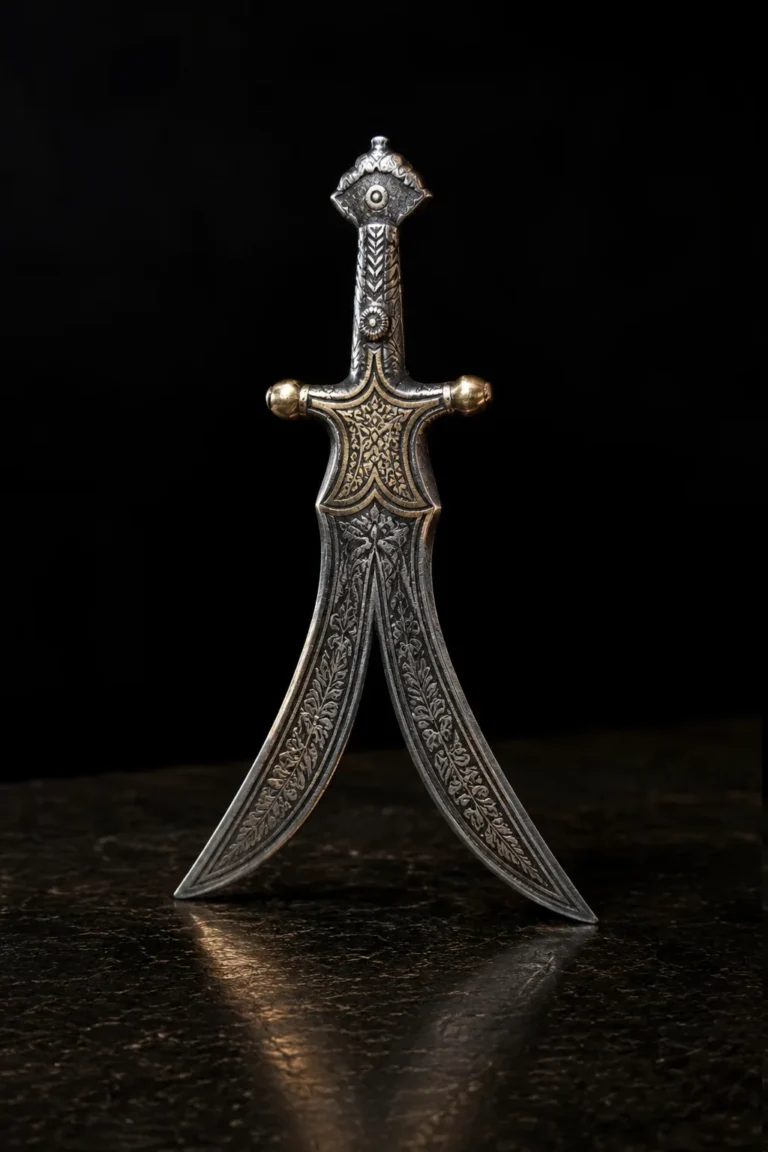
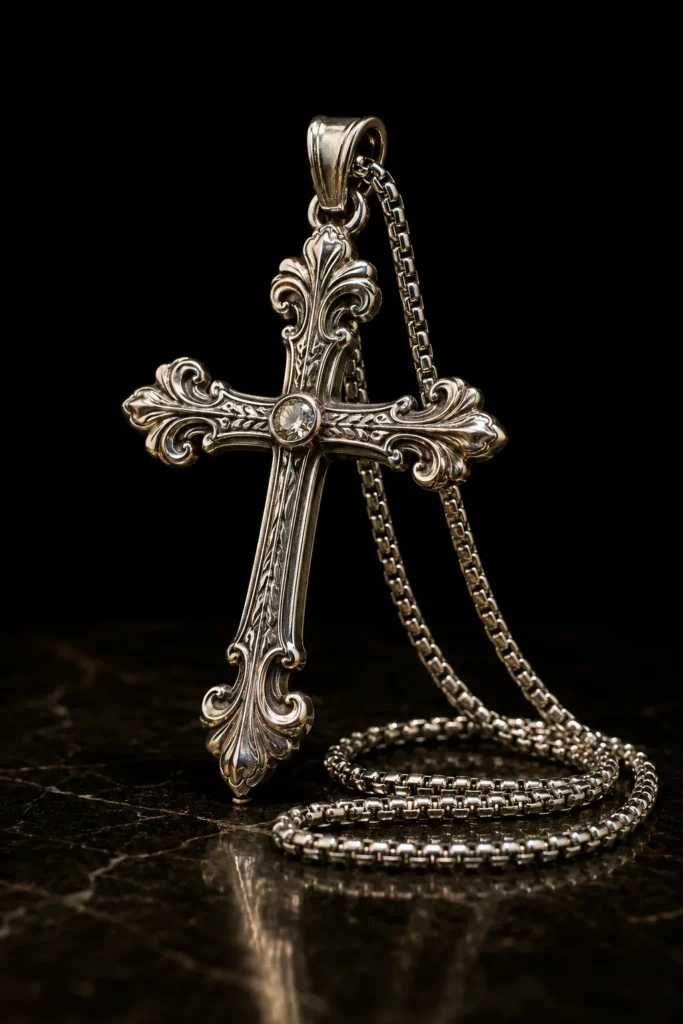
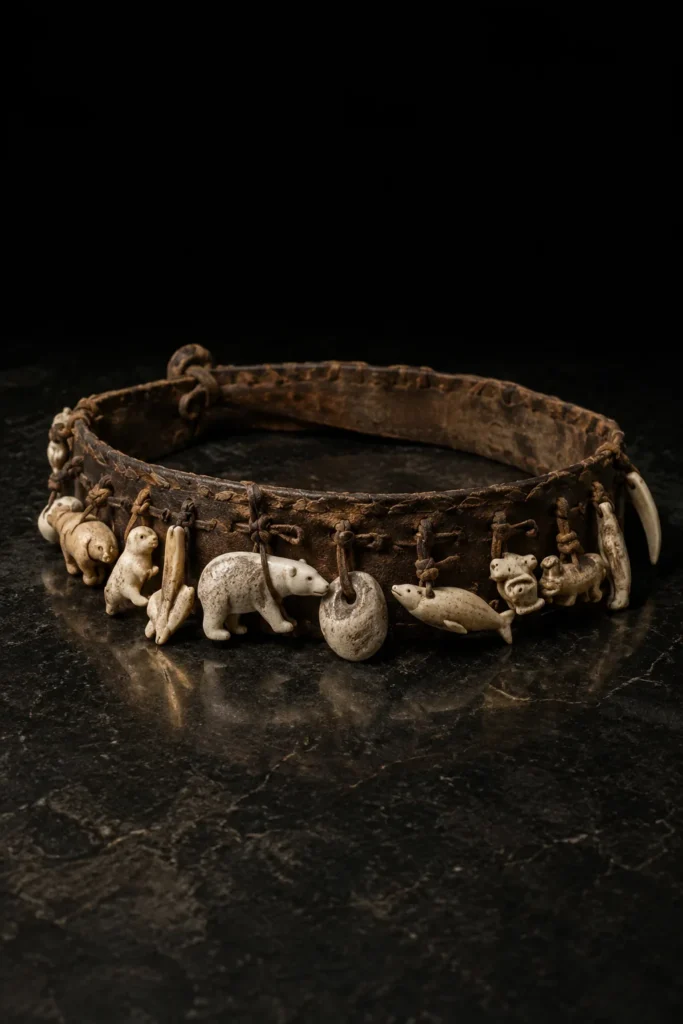
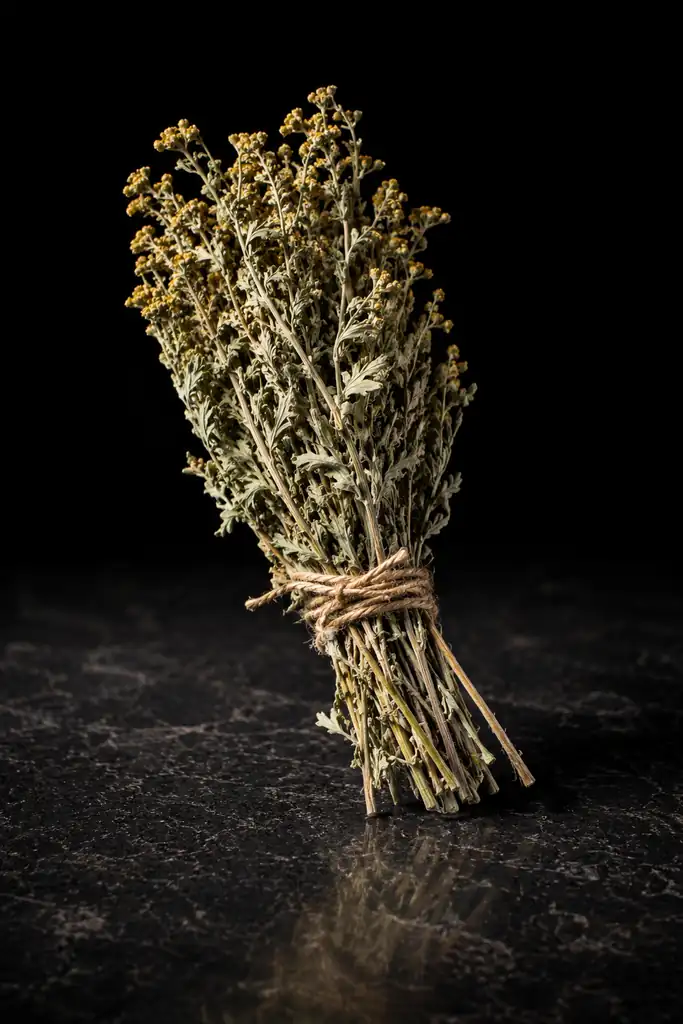
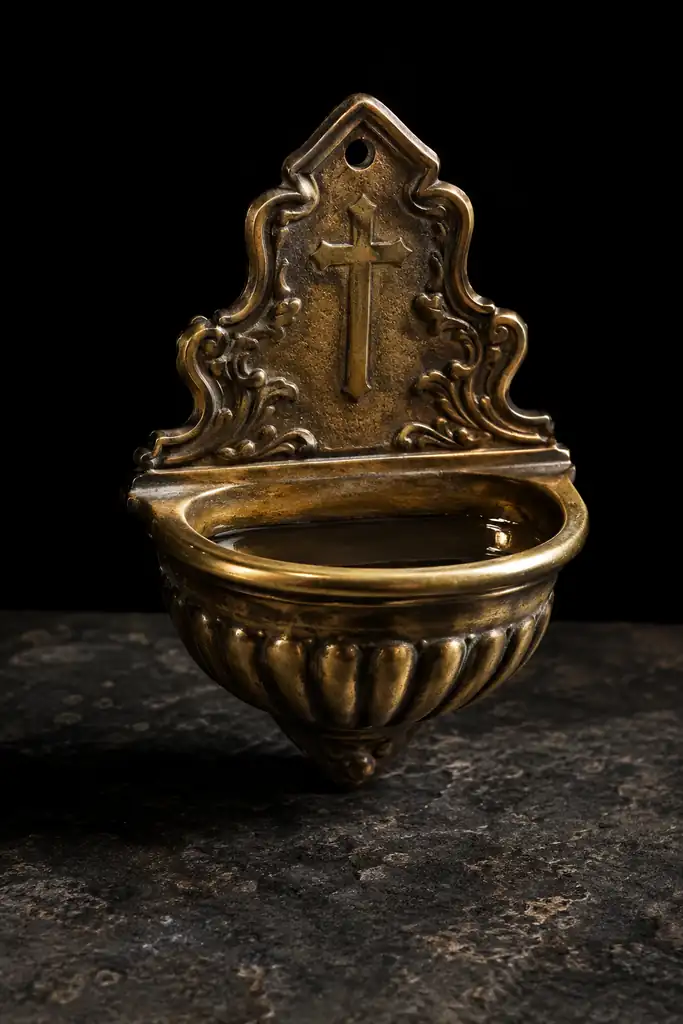
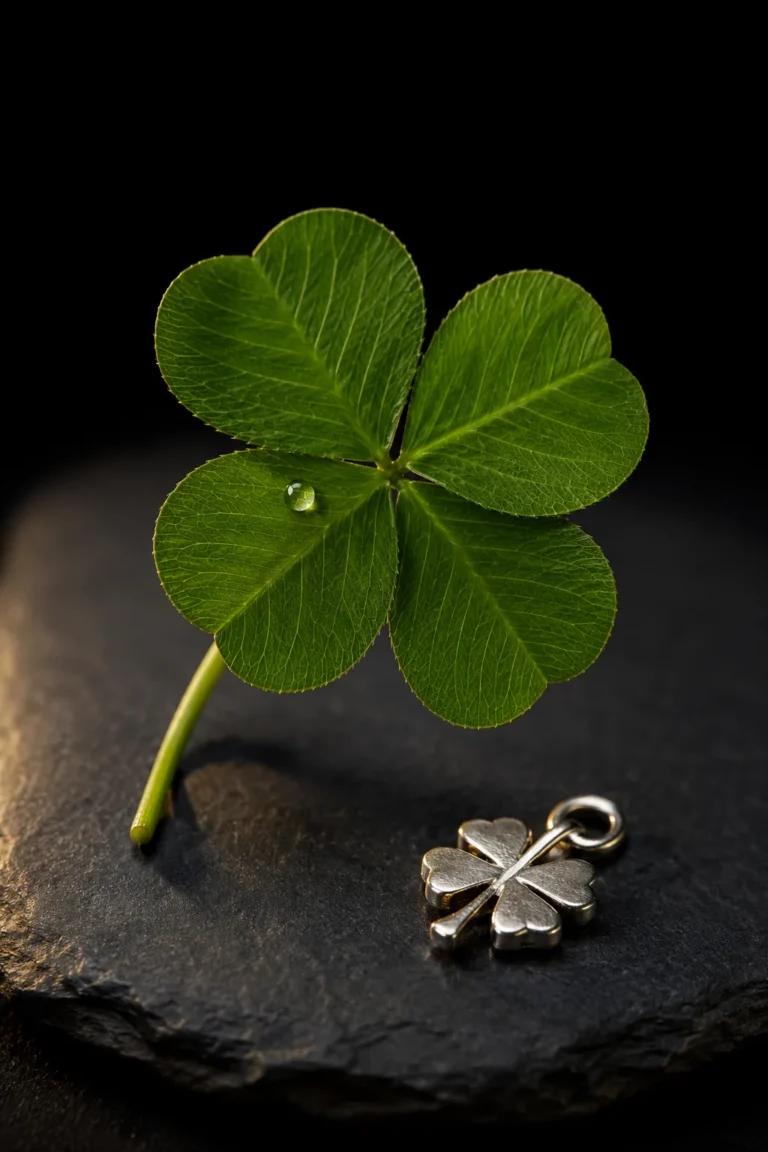
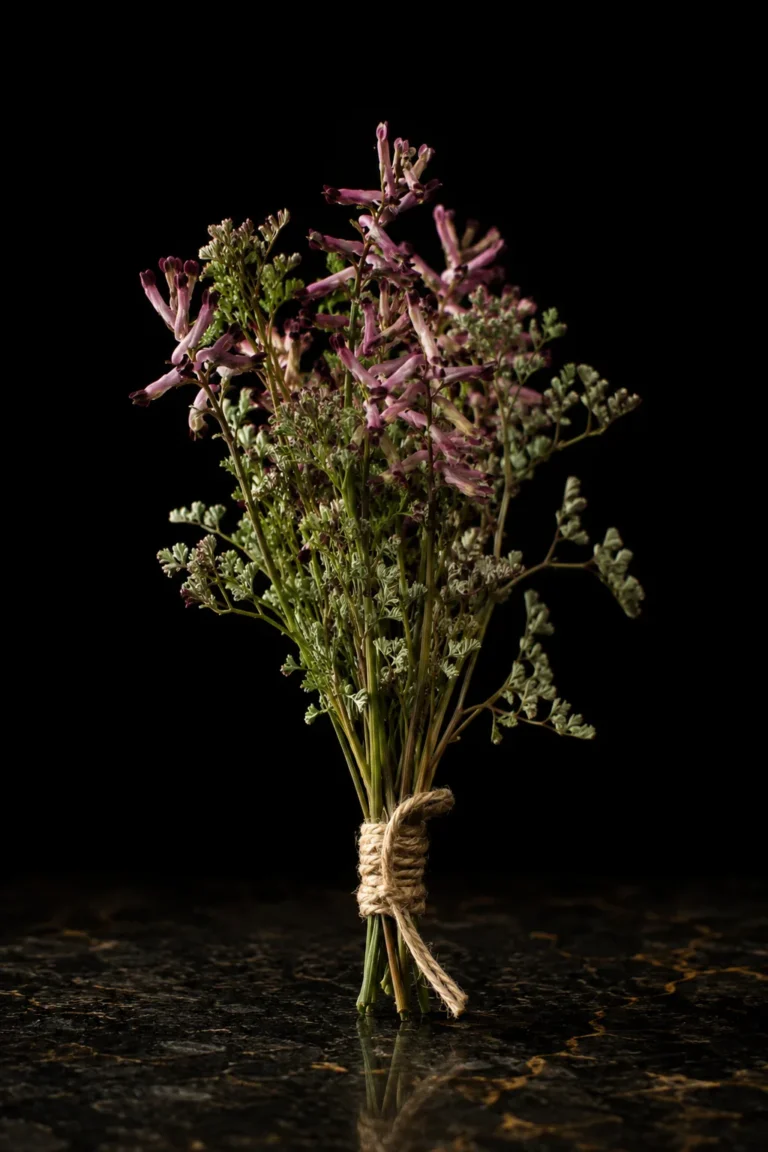
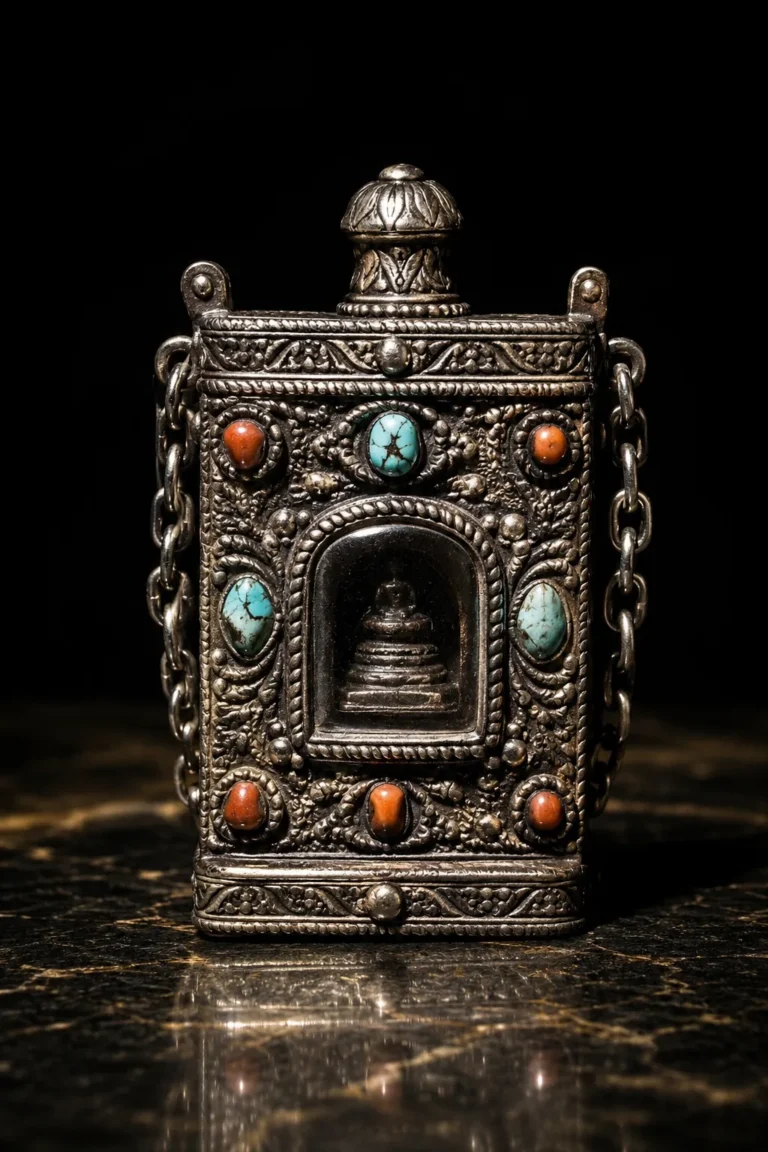
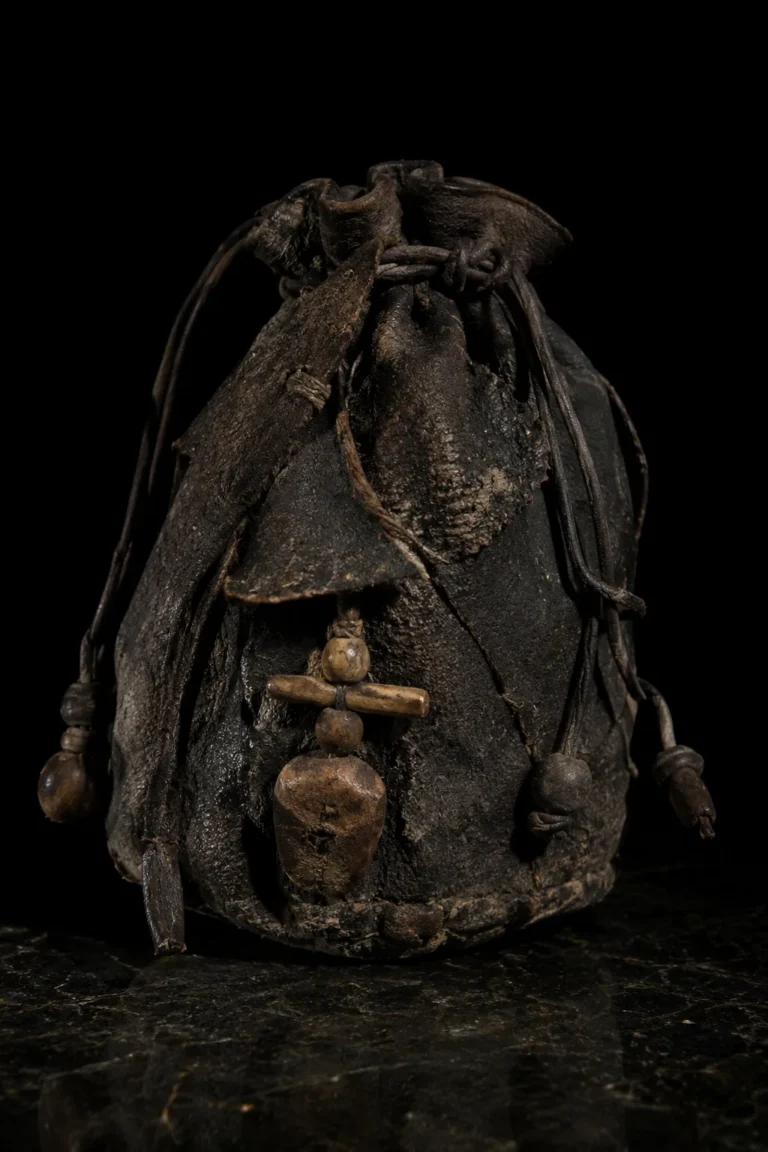
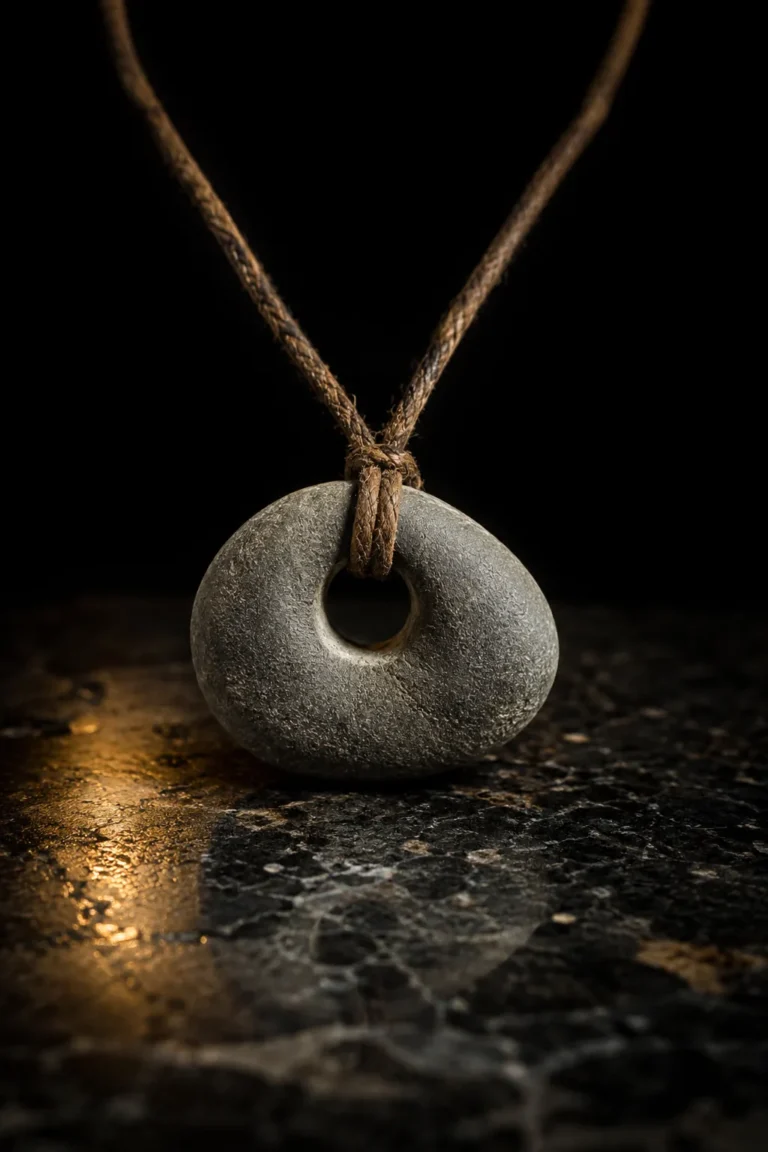
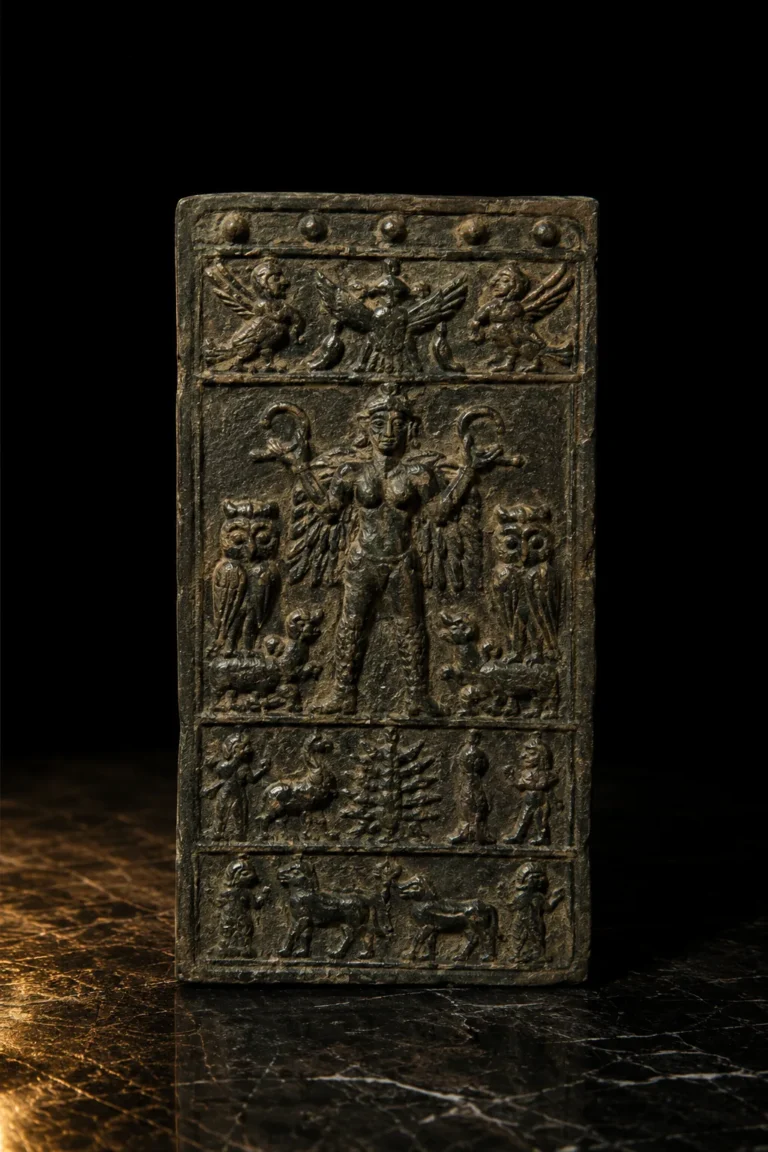
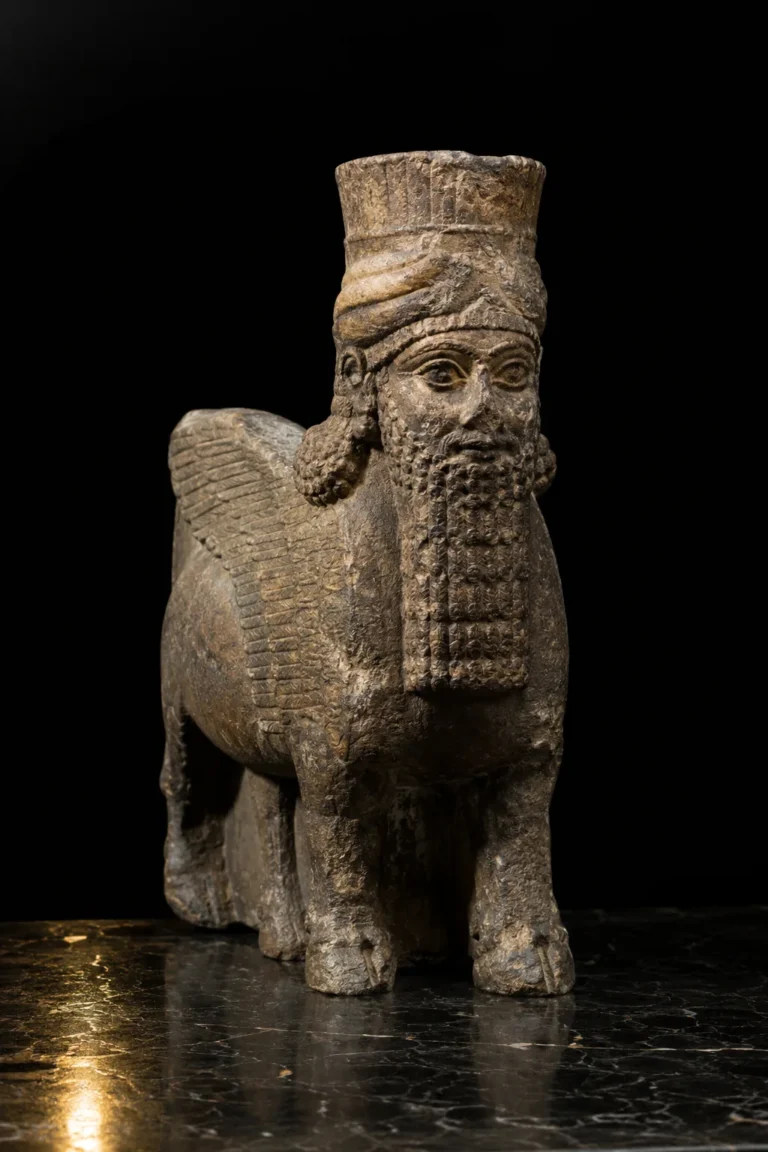
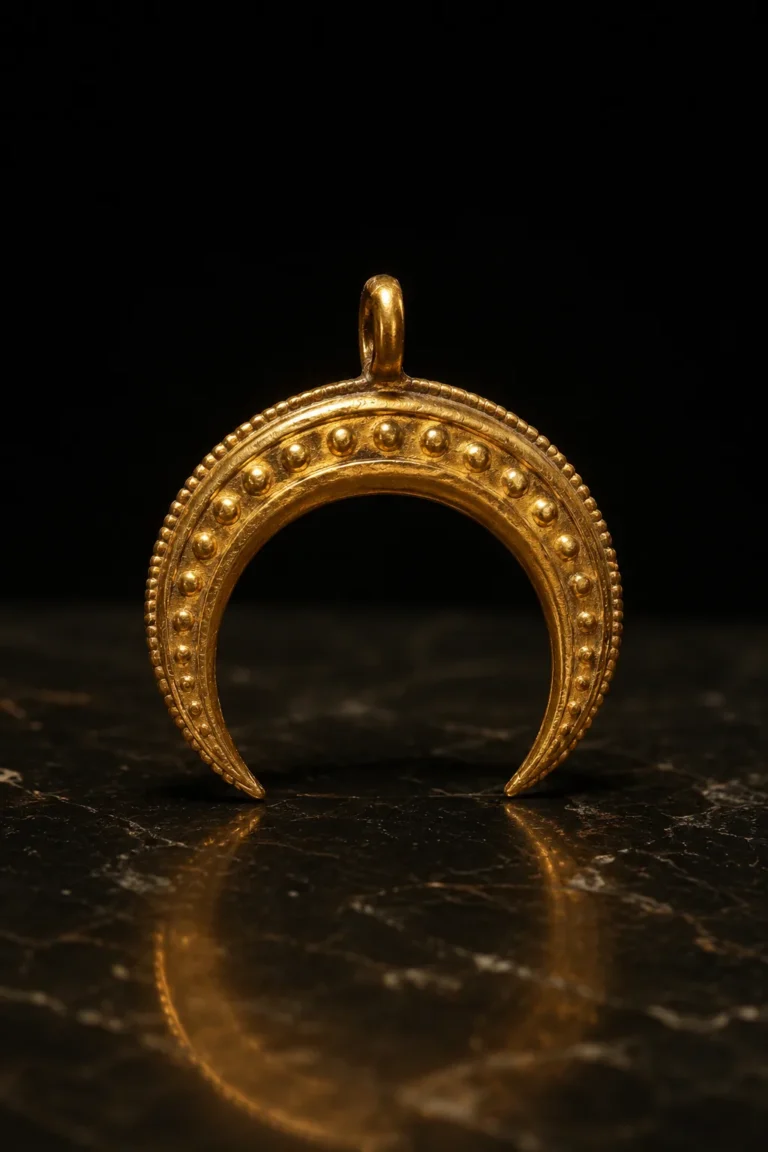
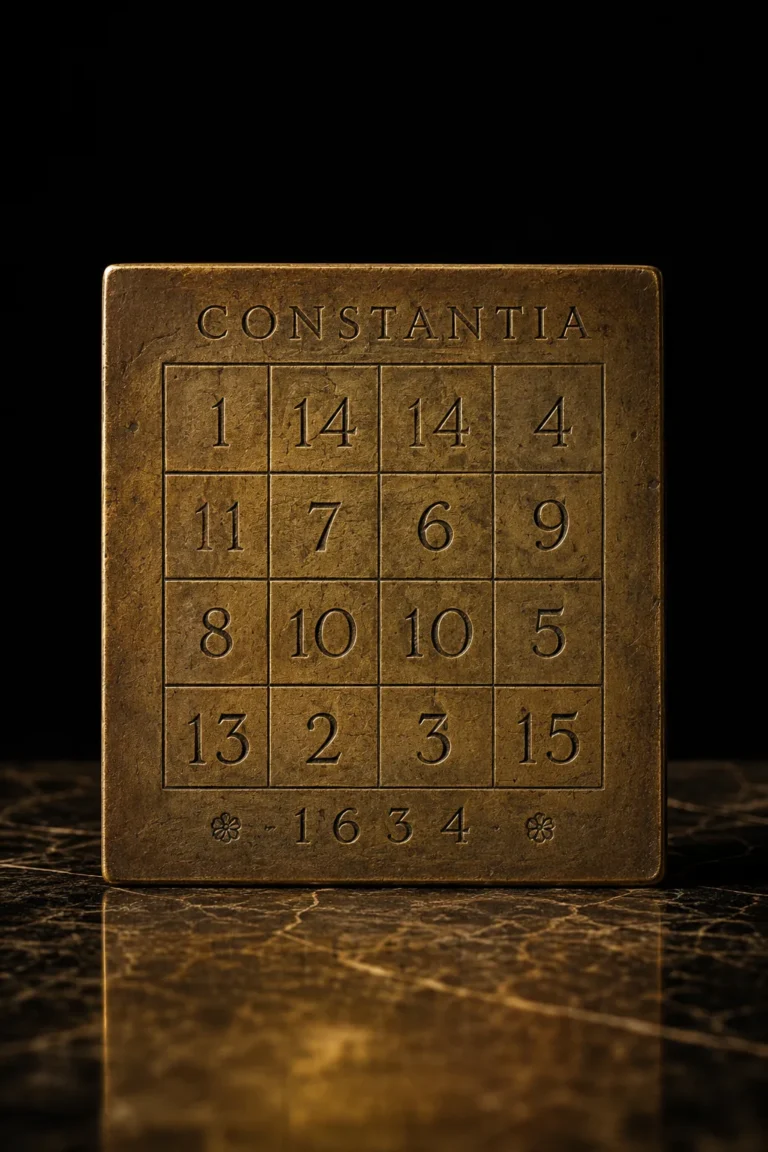
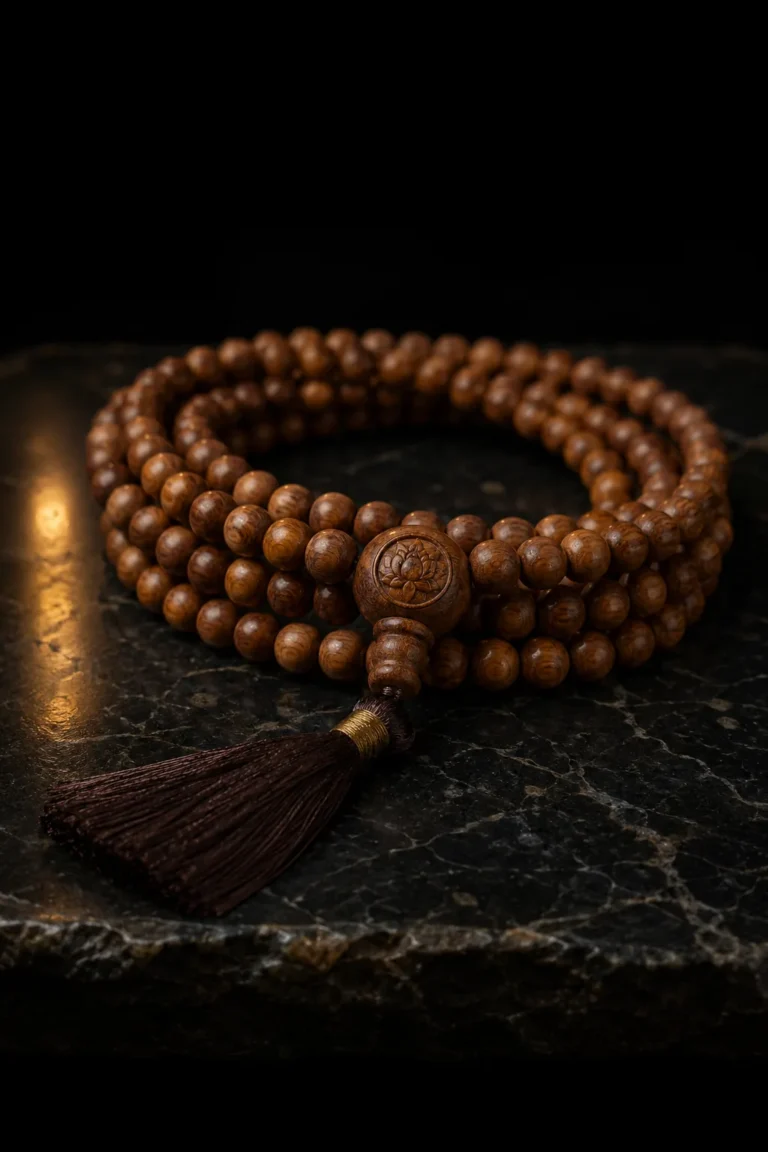
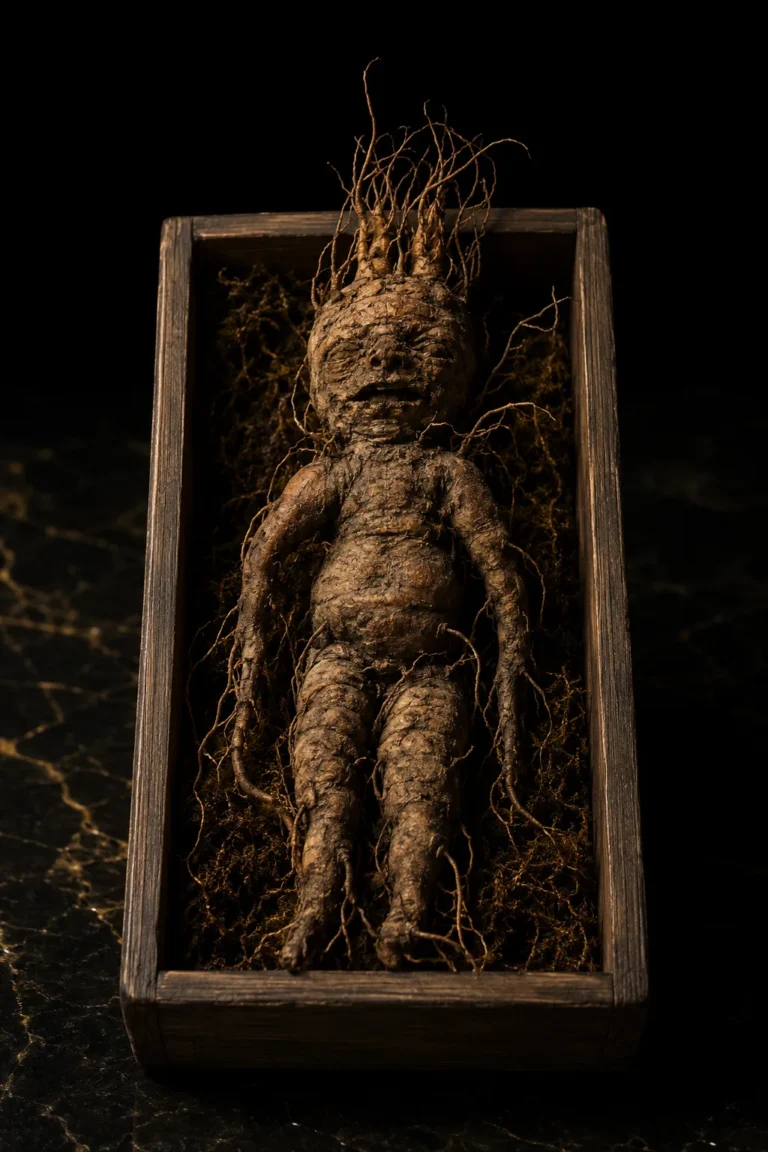
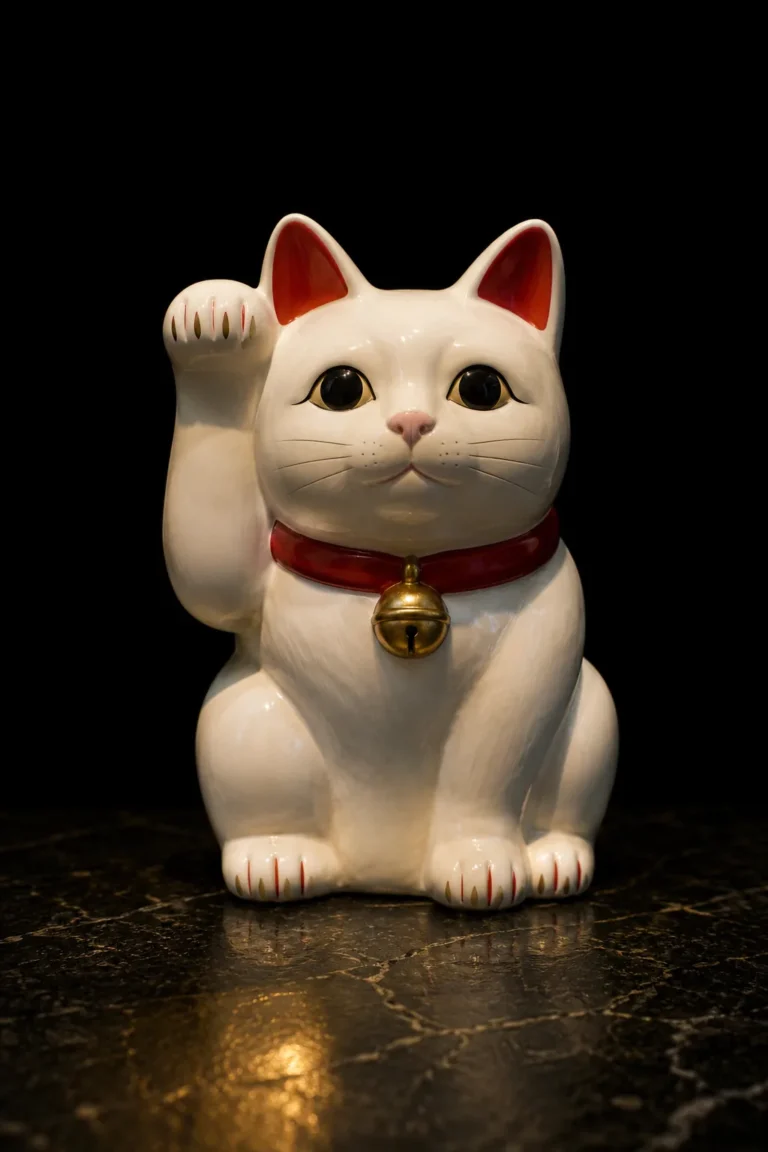
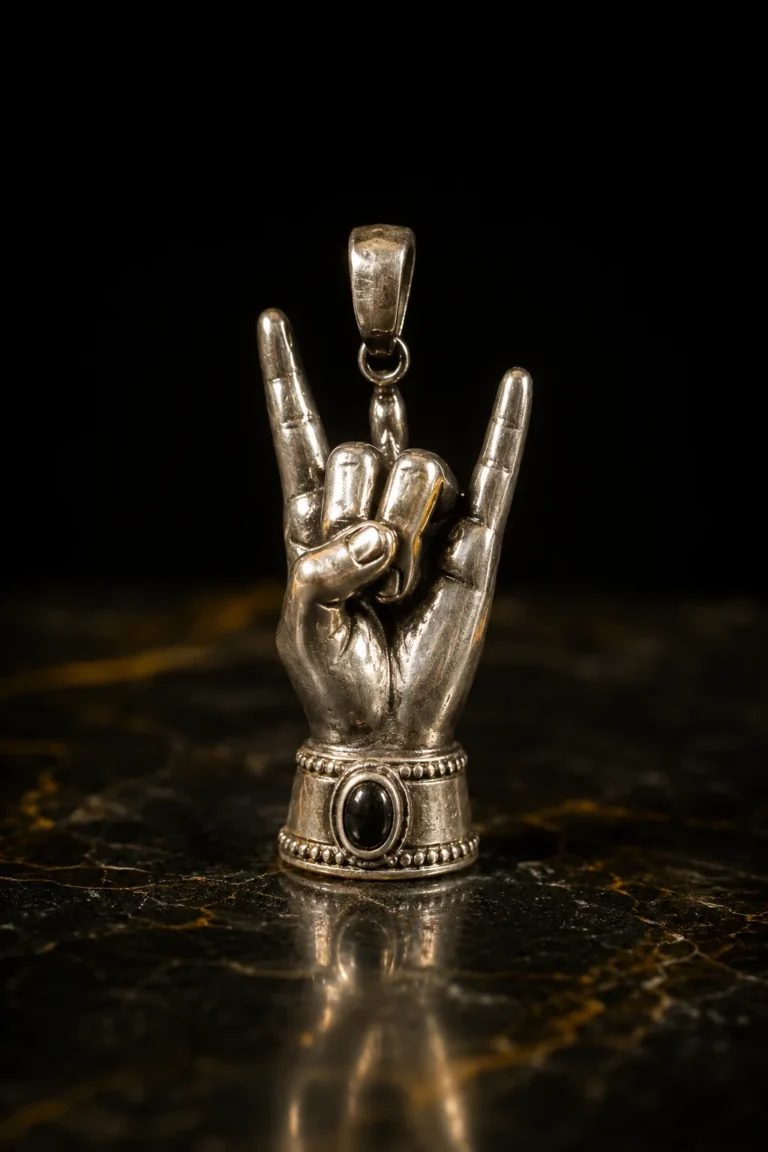
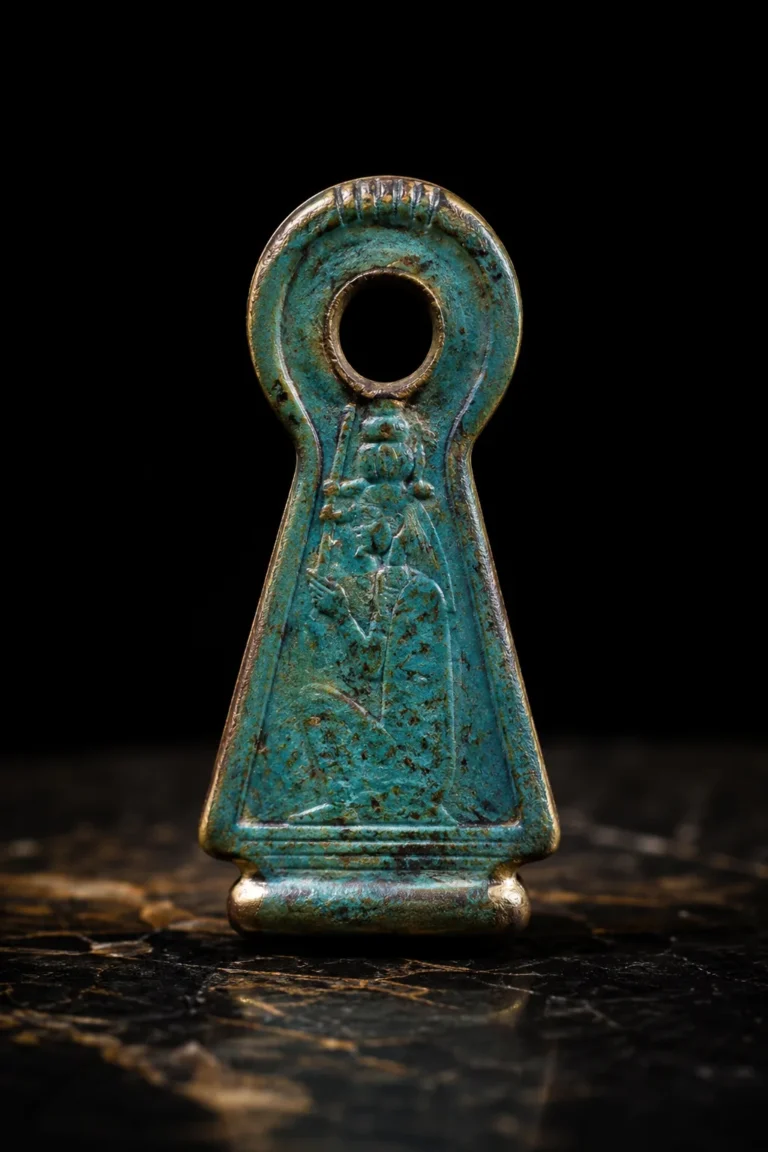
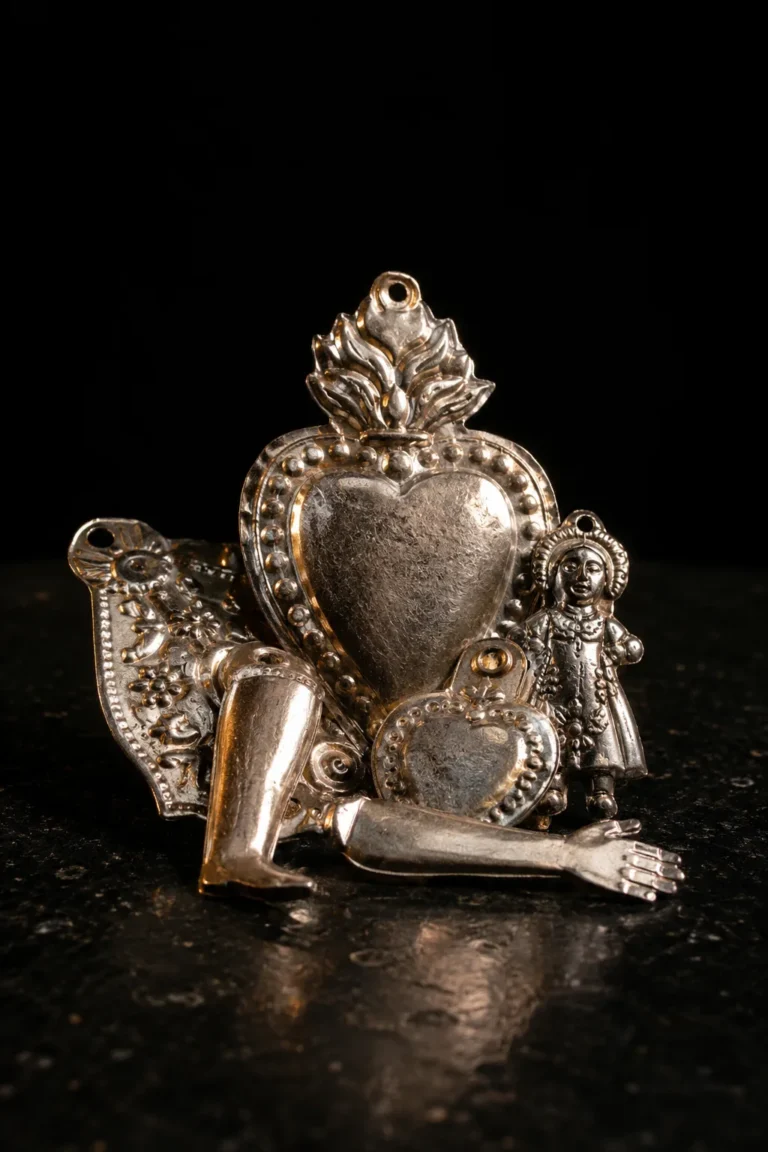
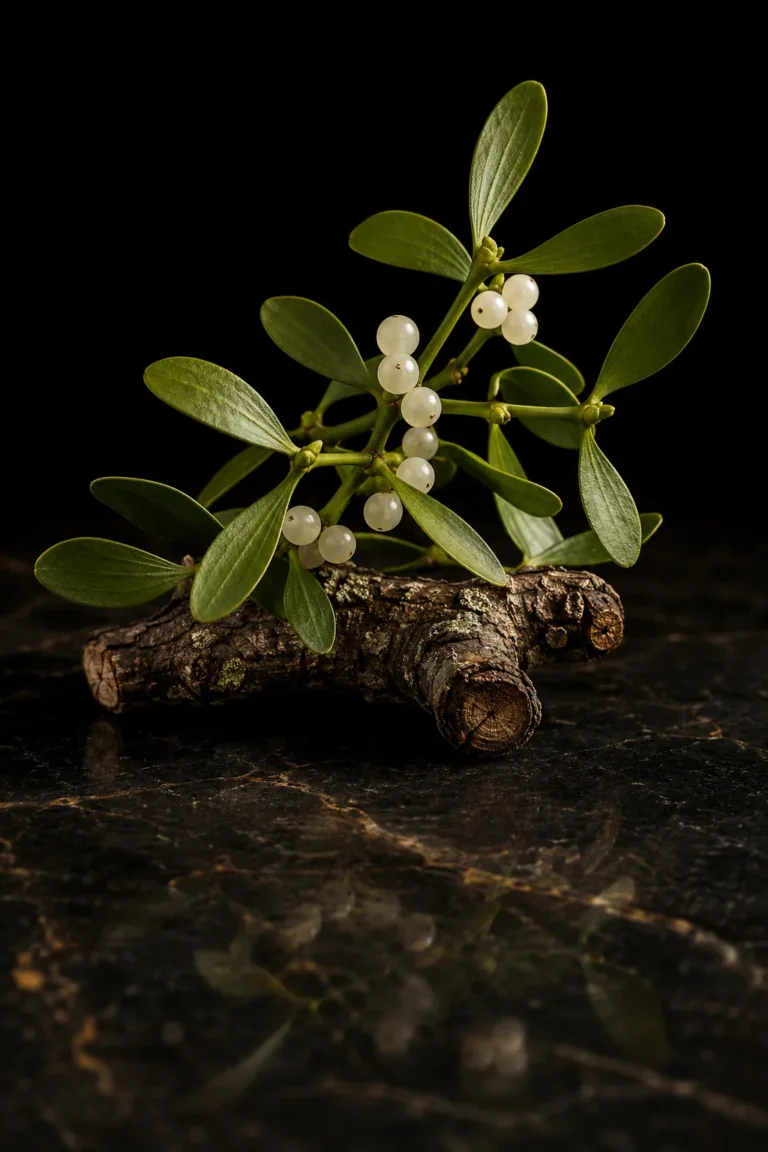
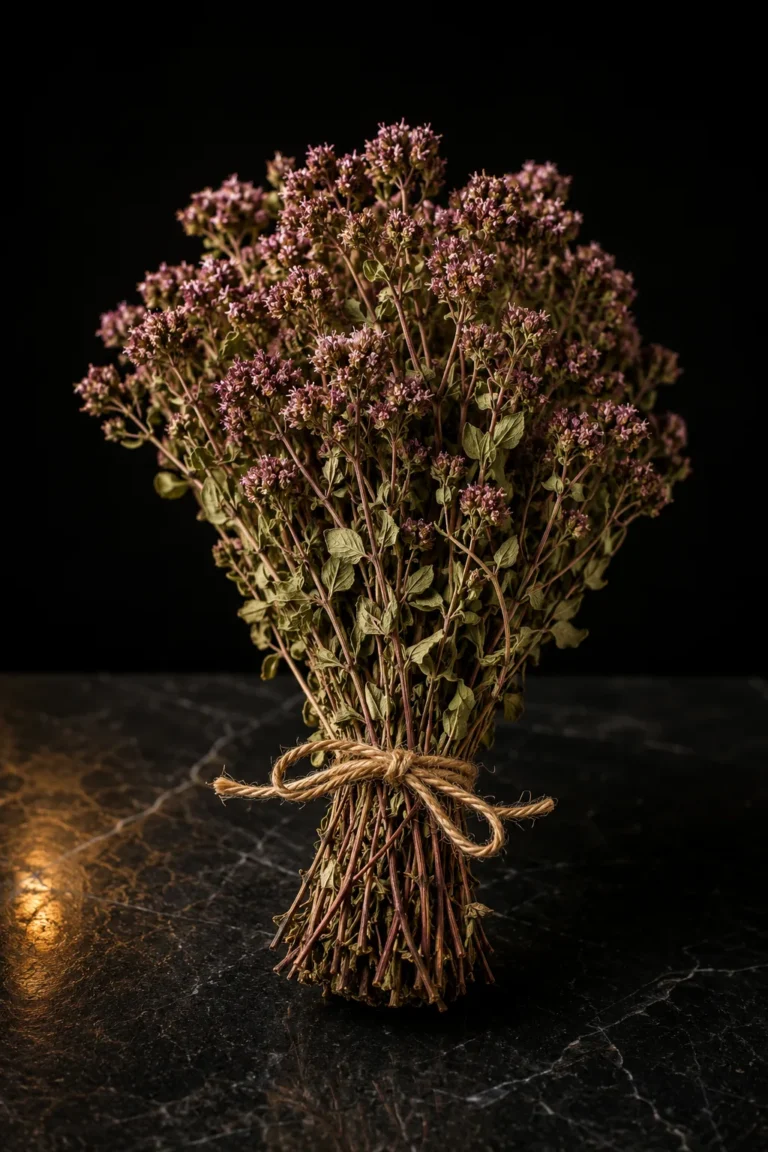
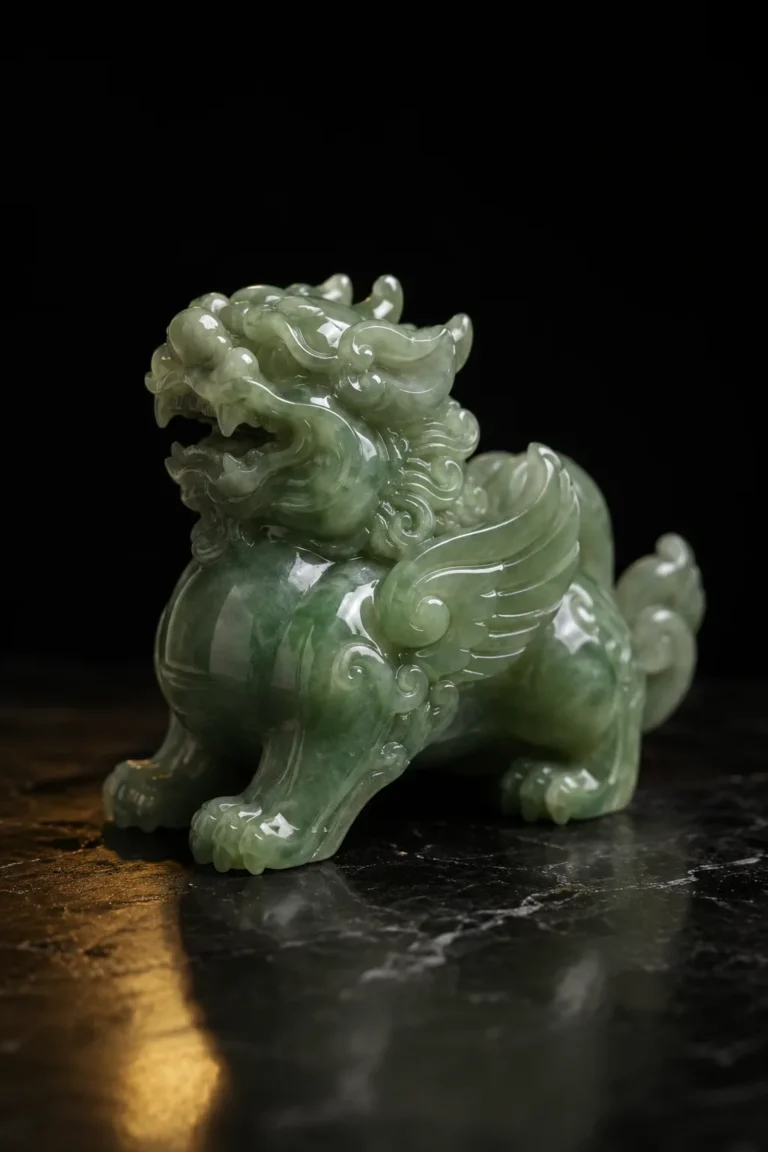
Among the oldest protective means are tangible things: metals such as silver and iron, herbs such as mugwort and juniper, consecrated substances such as holy water and incense, as well as worn objects such as amulets and talismans. Their effect is traditionally attributed to the material itself, its origin, or its ritual consecration.


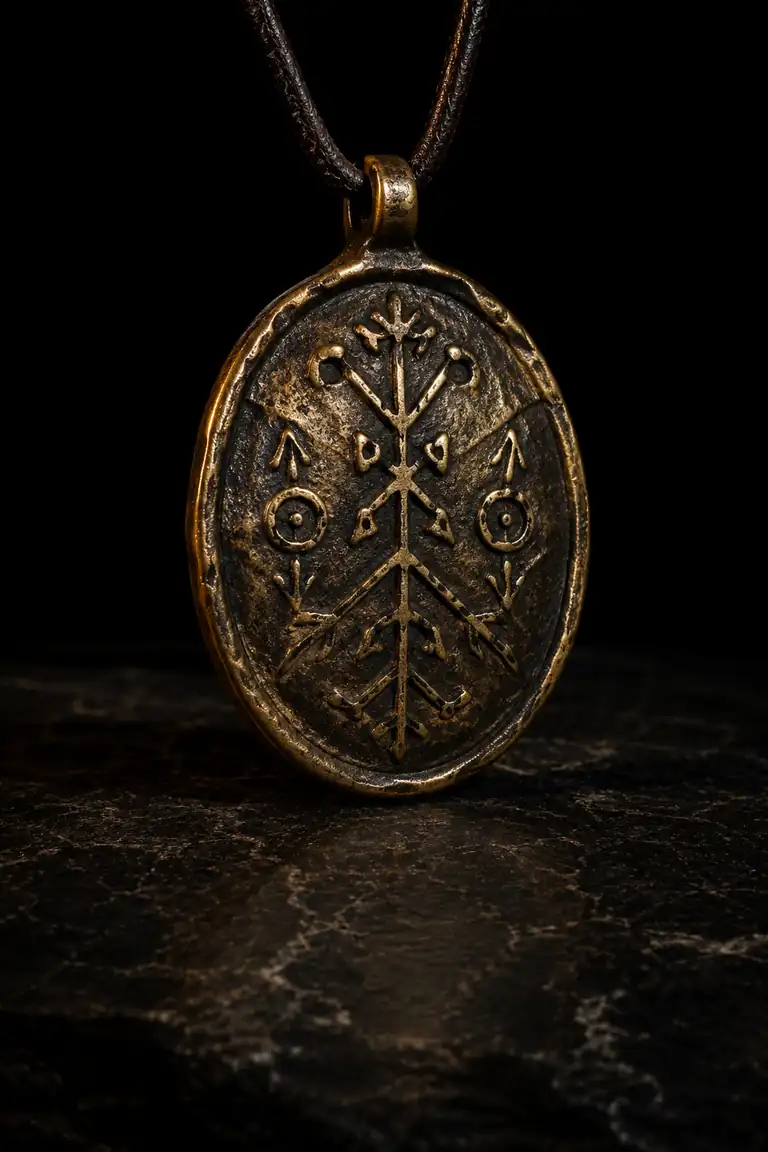
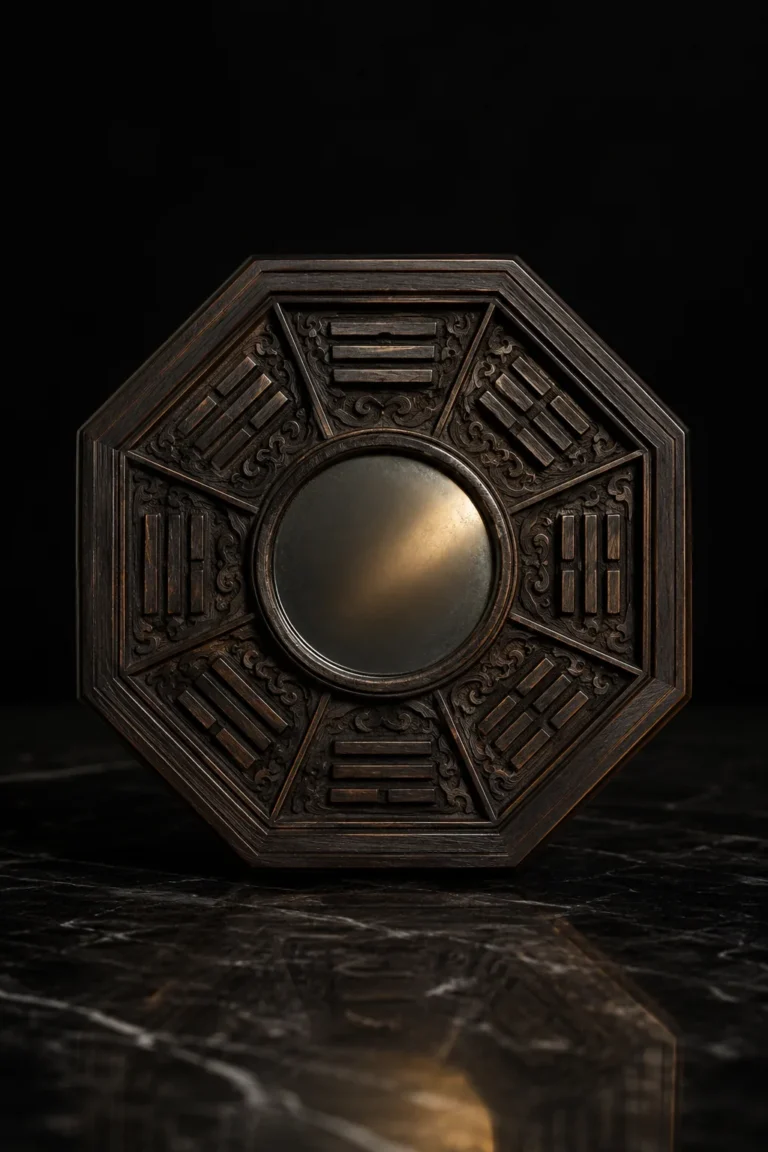
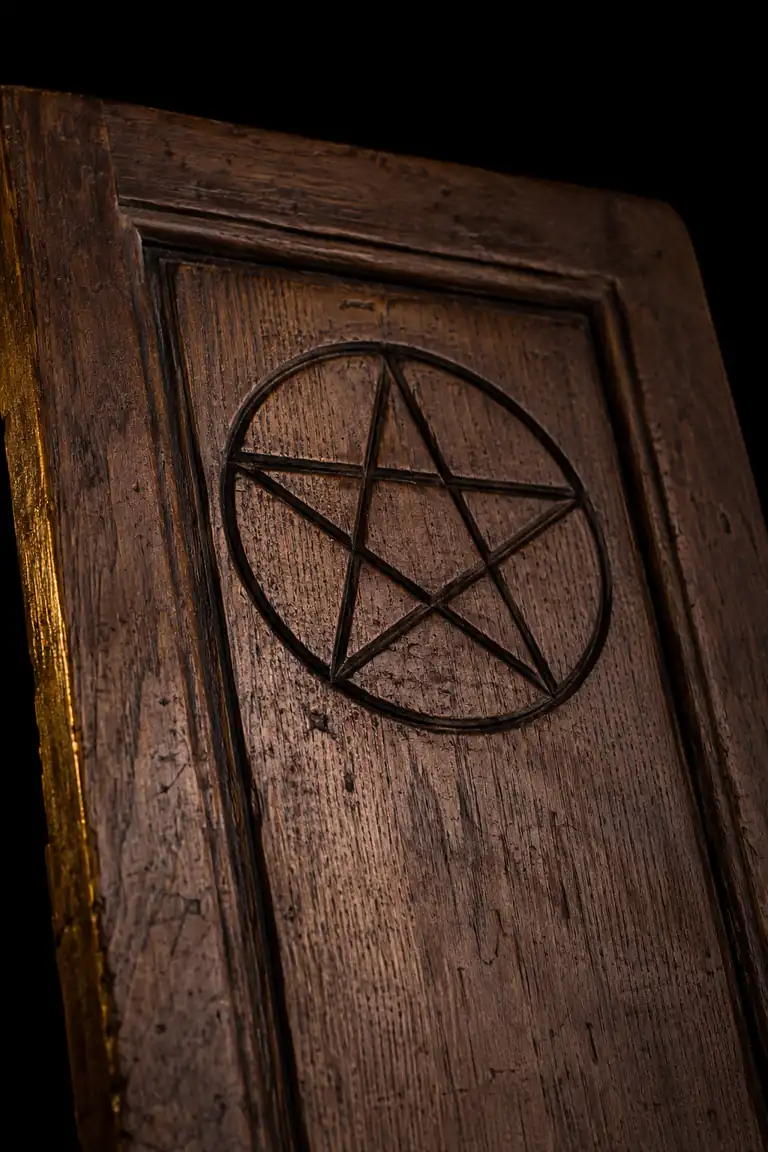
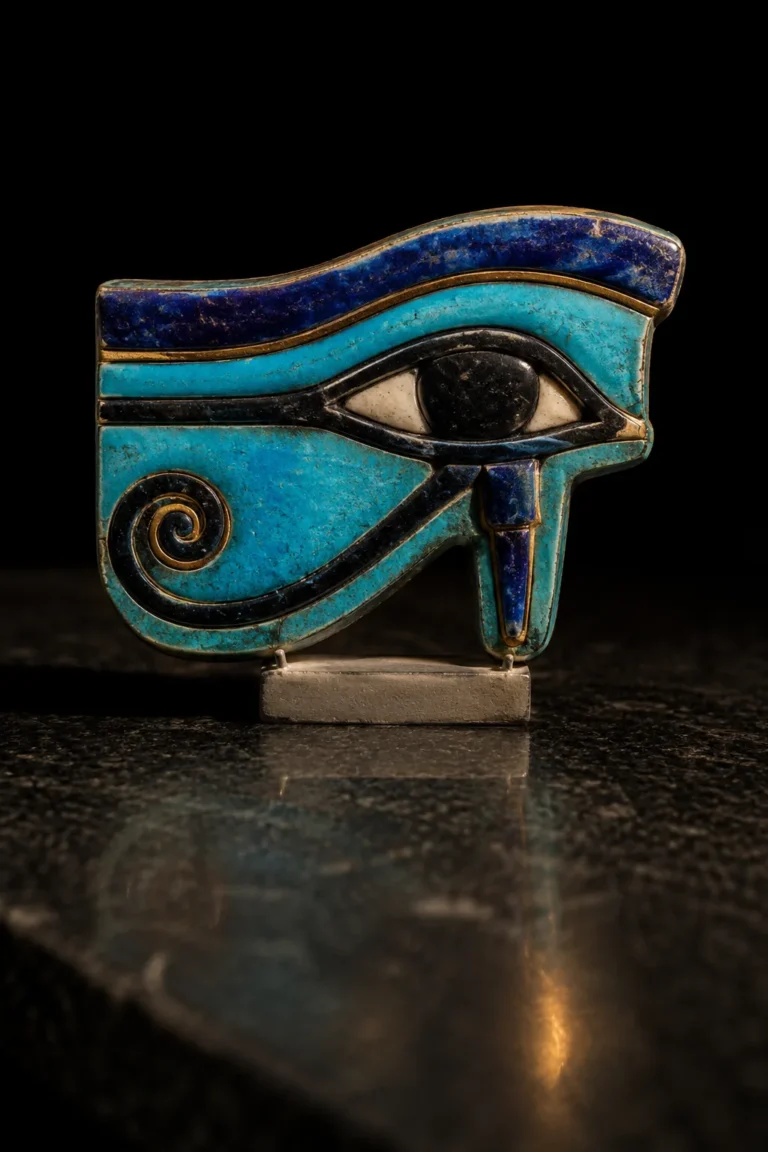
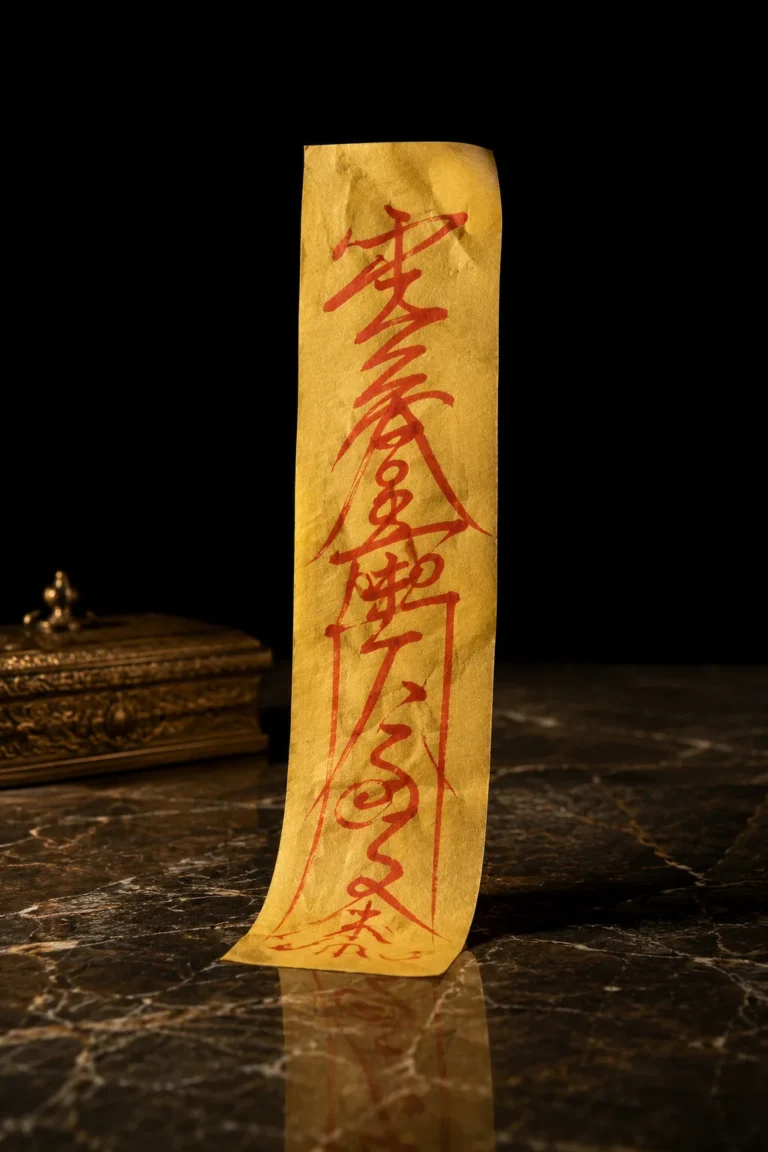
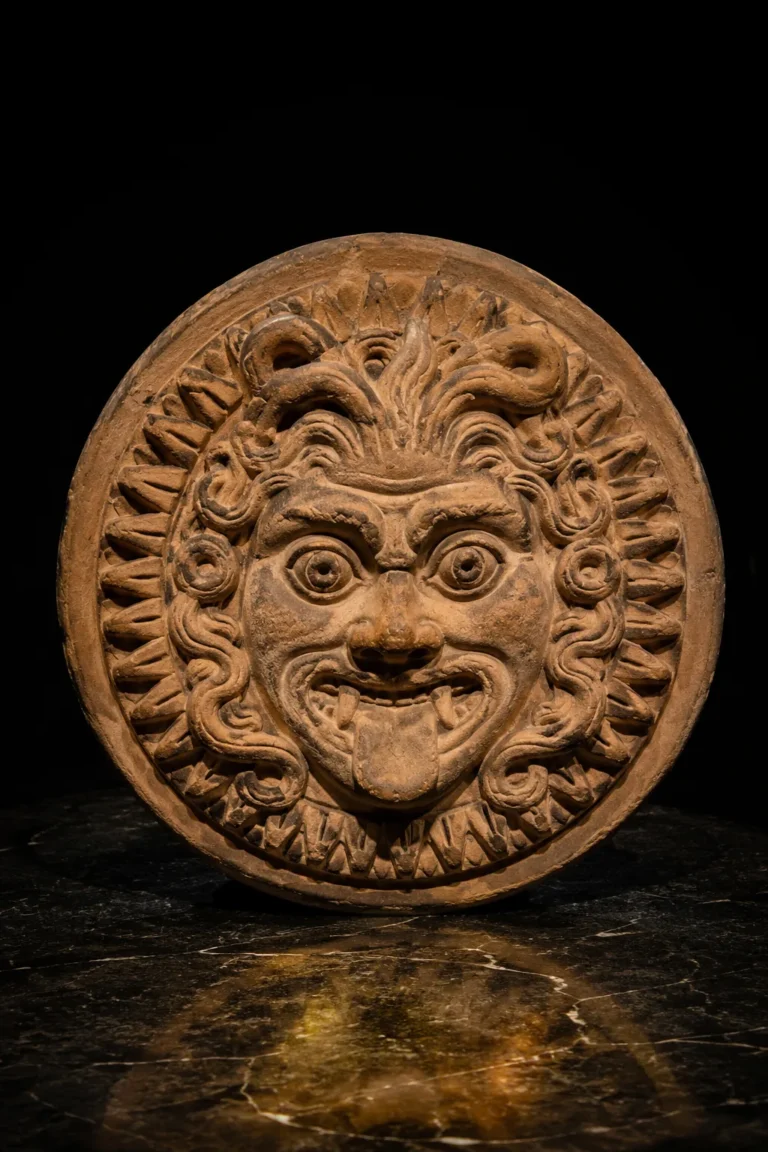
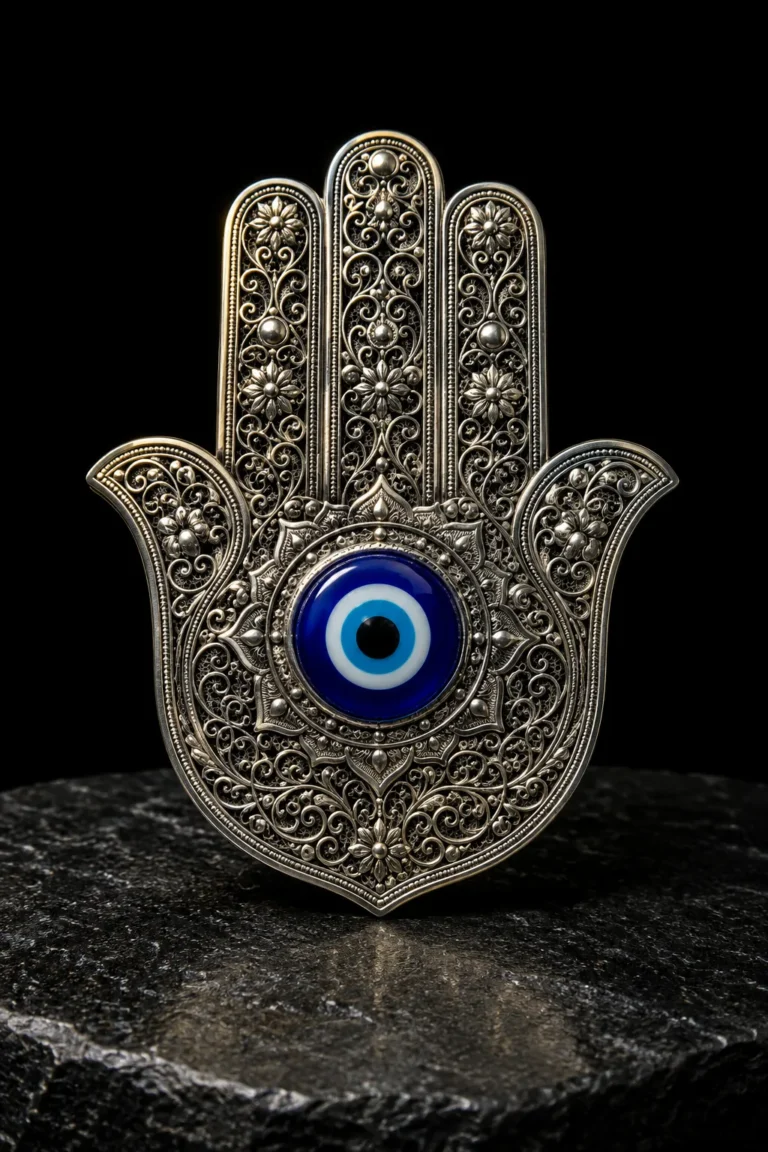
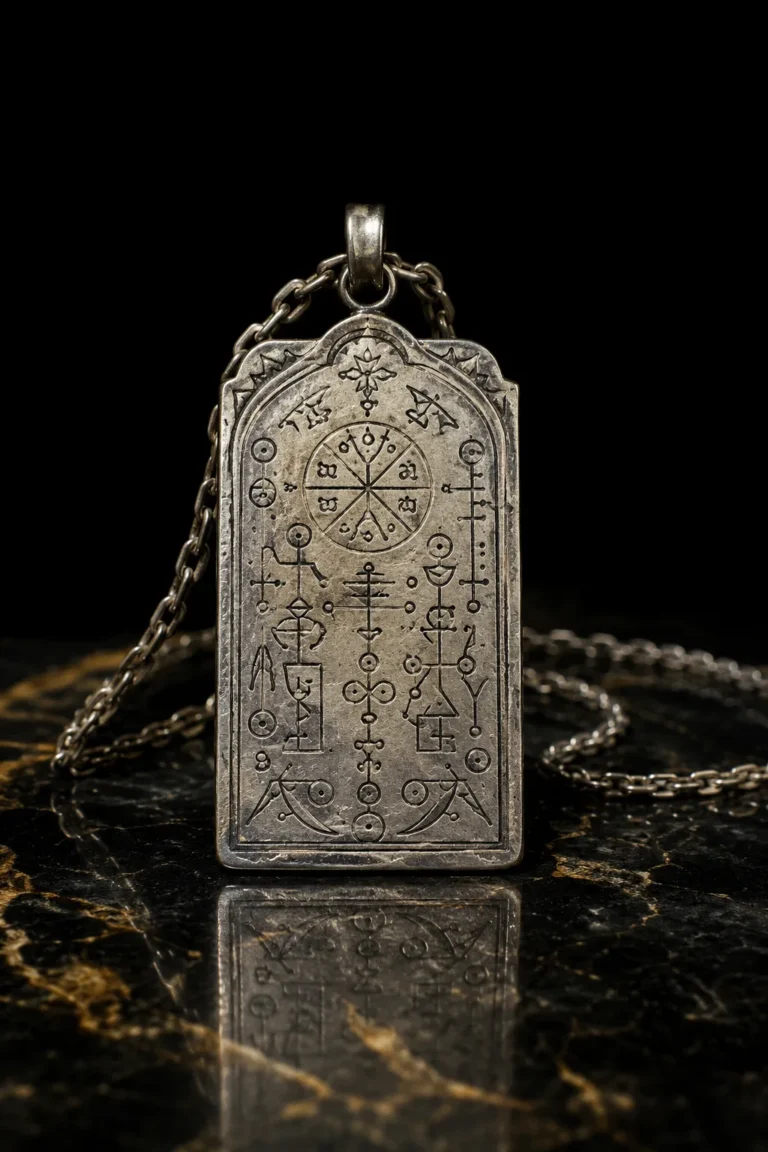
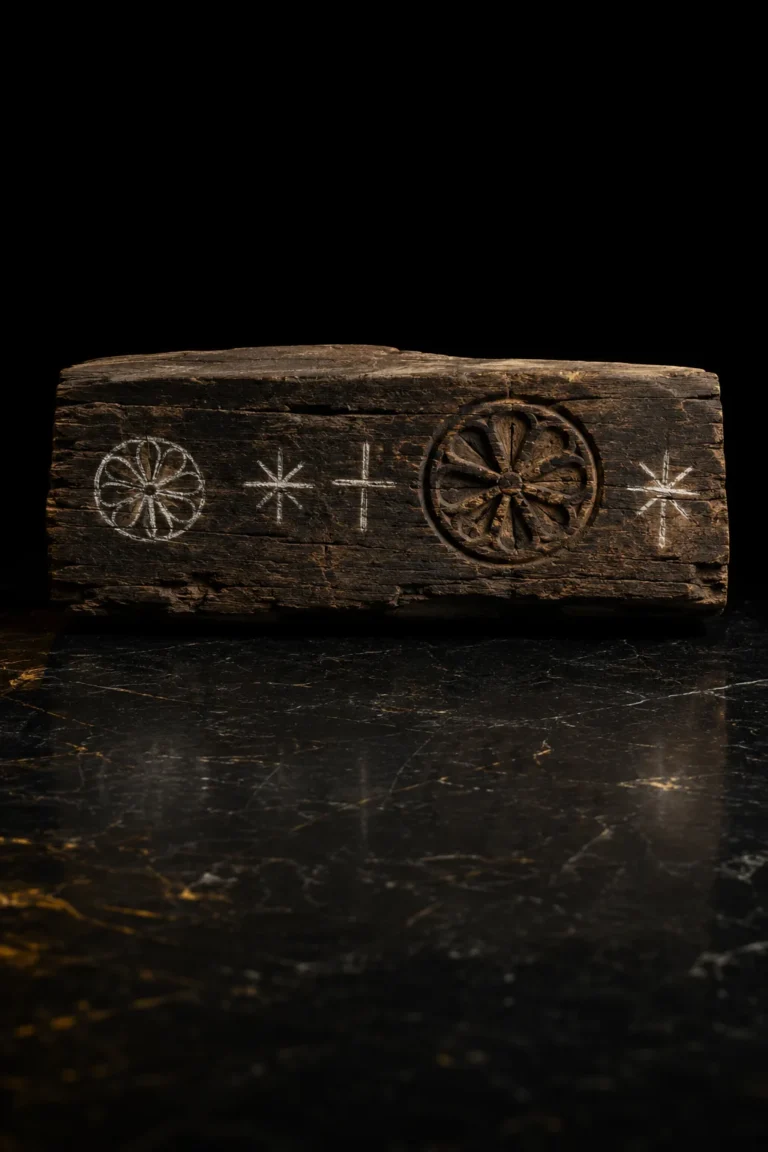
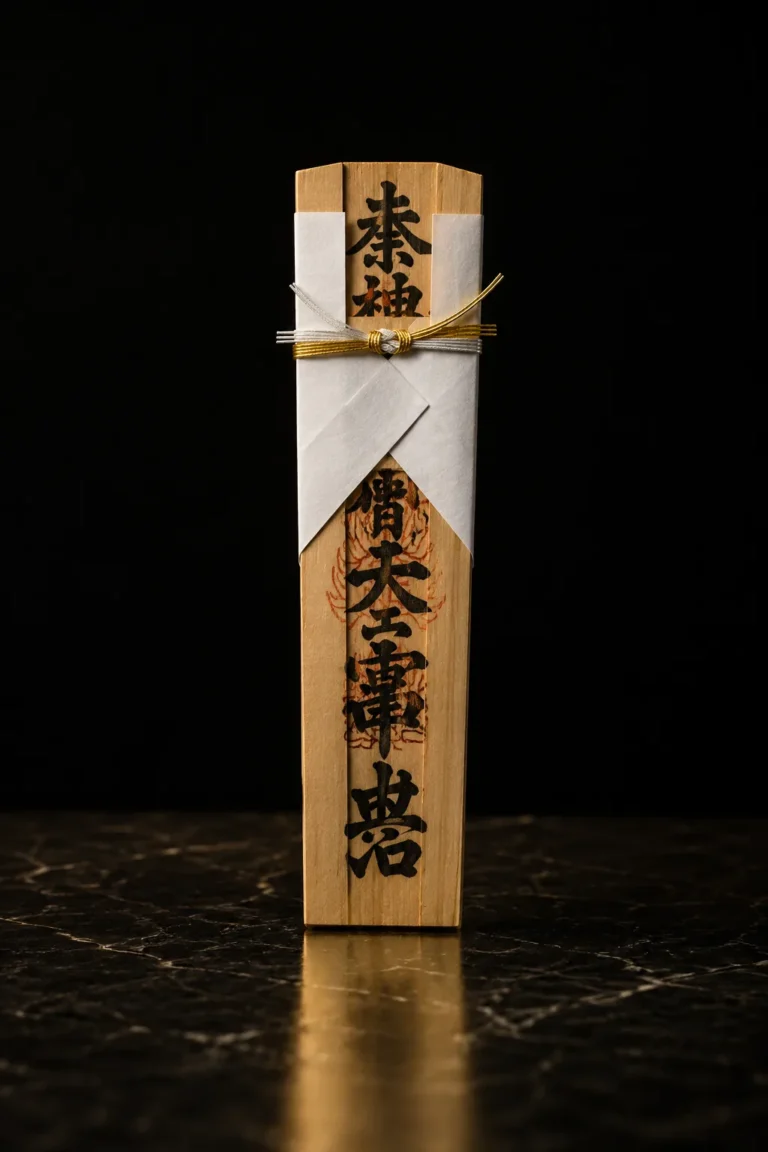
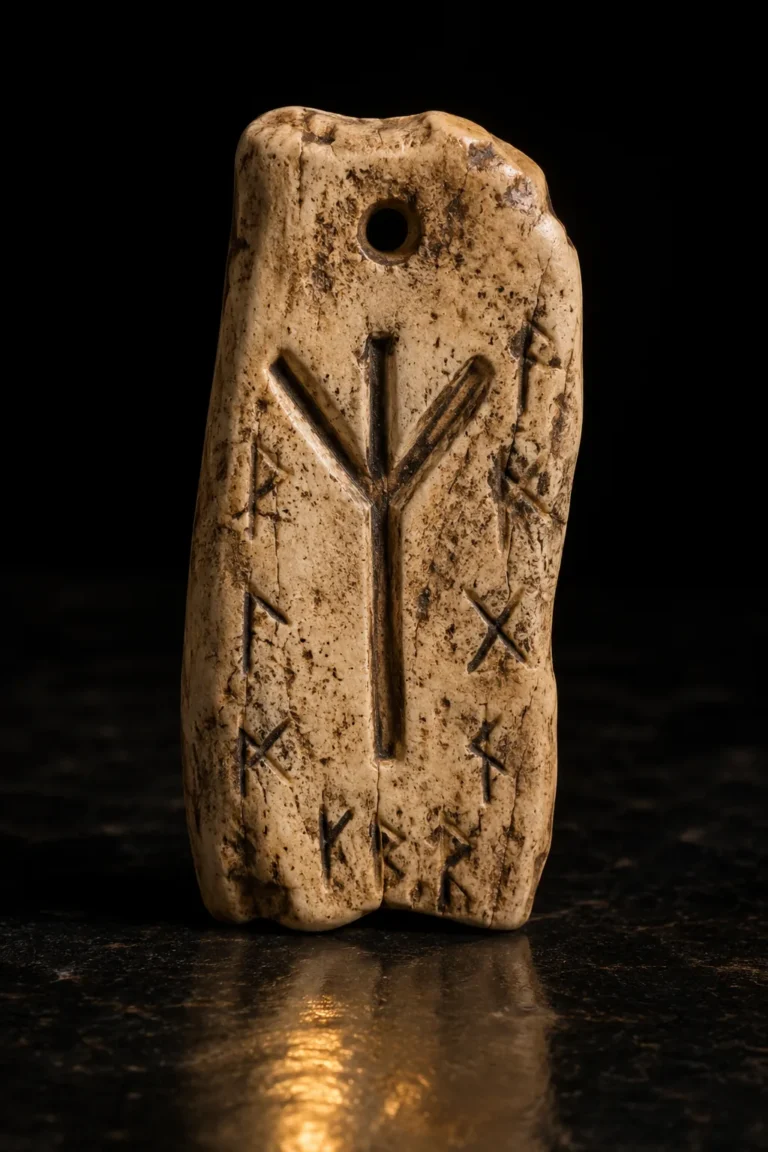
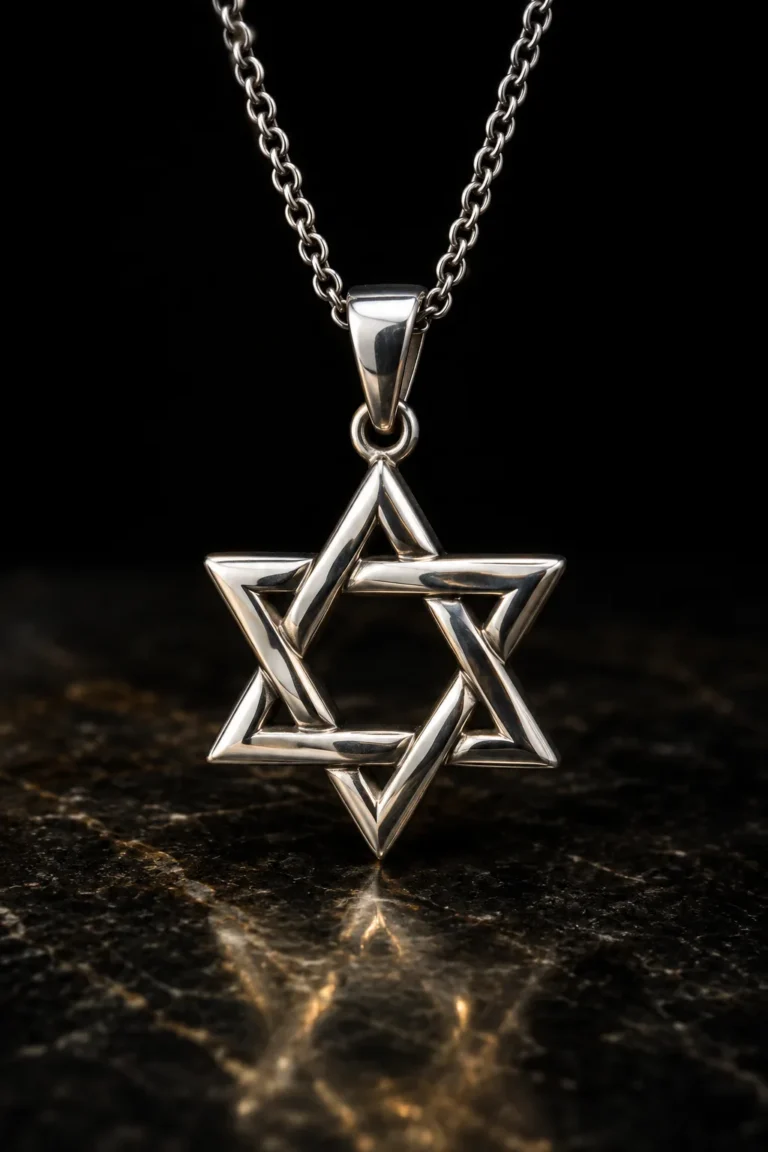
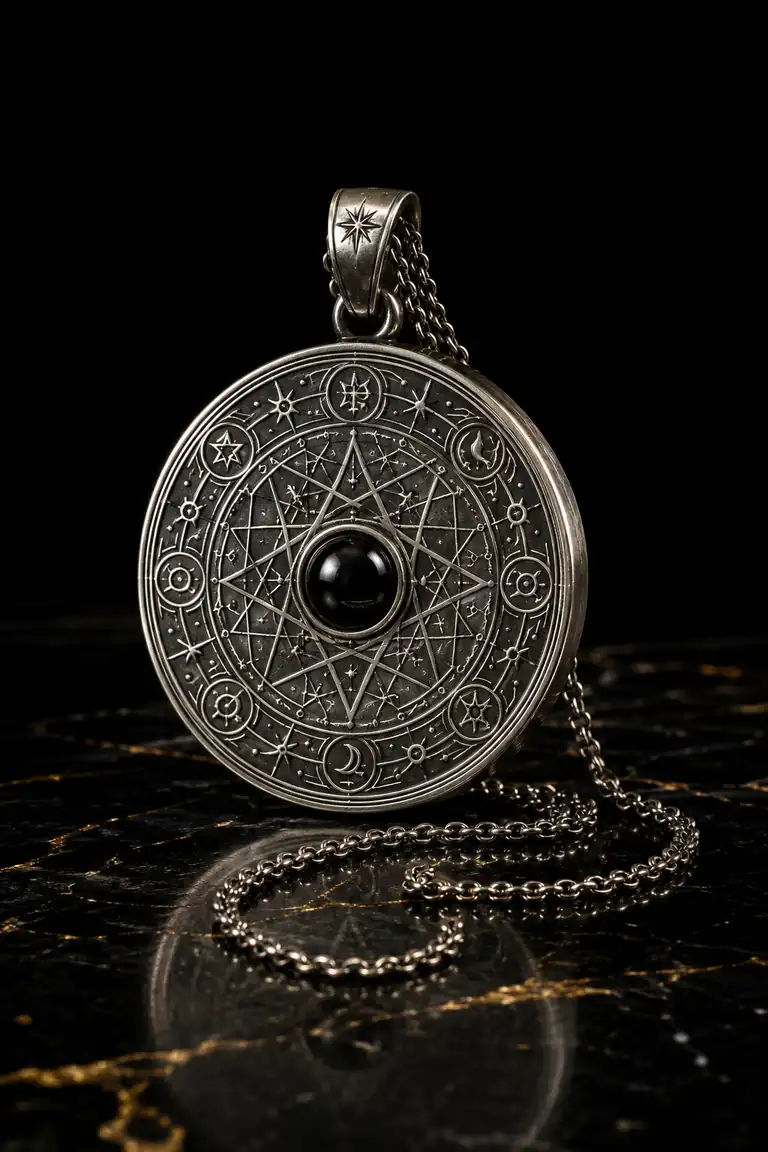
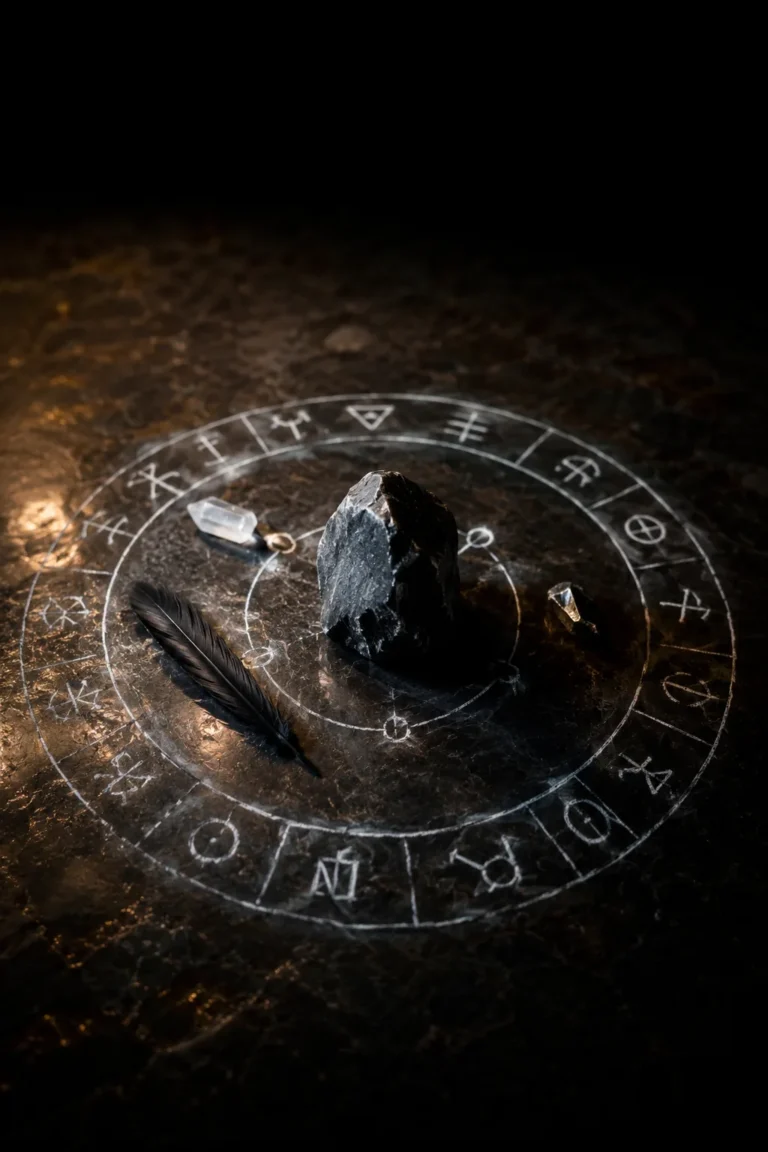
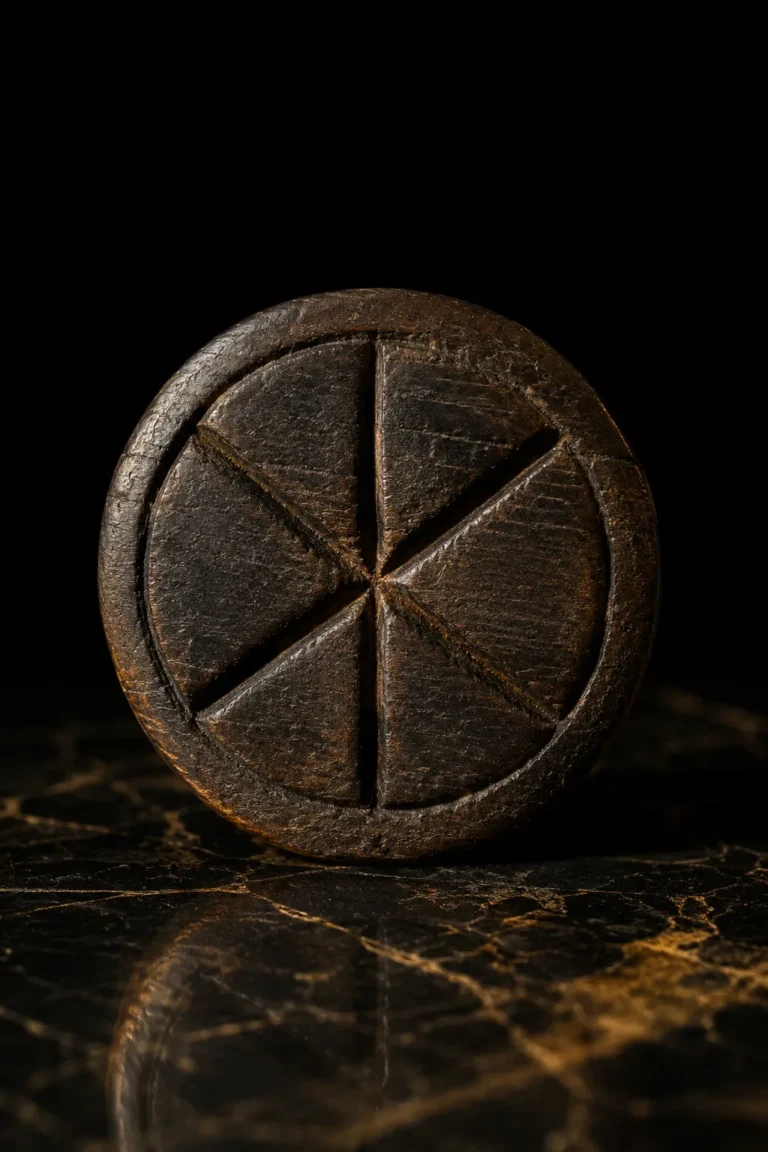
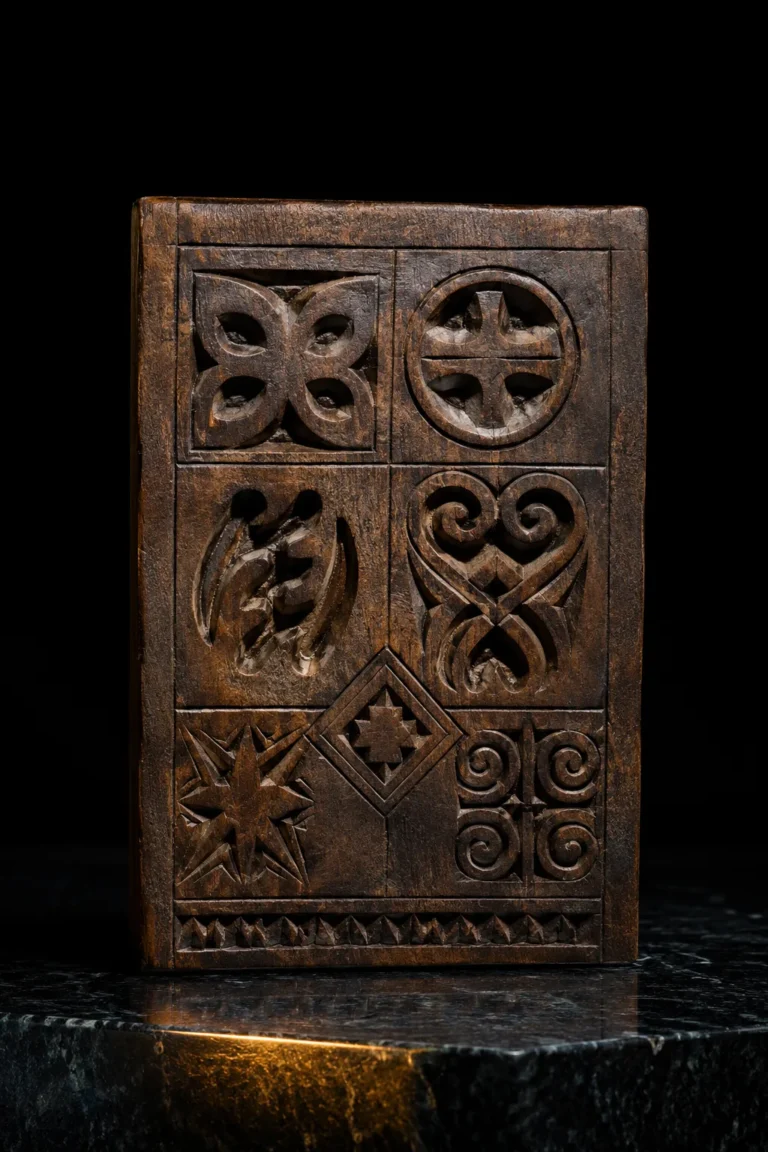
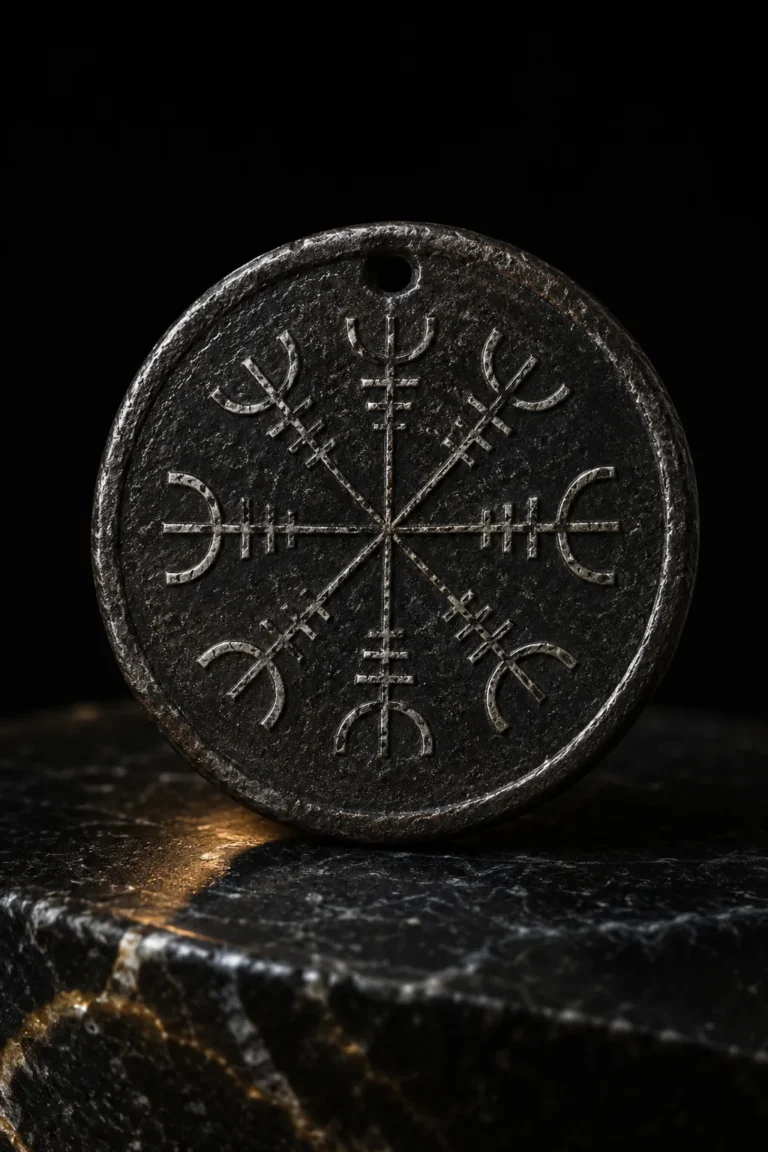
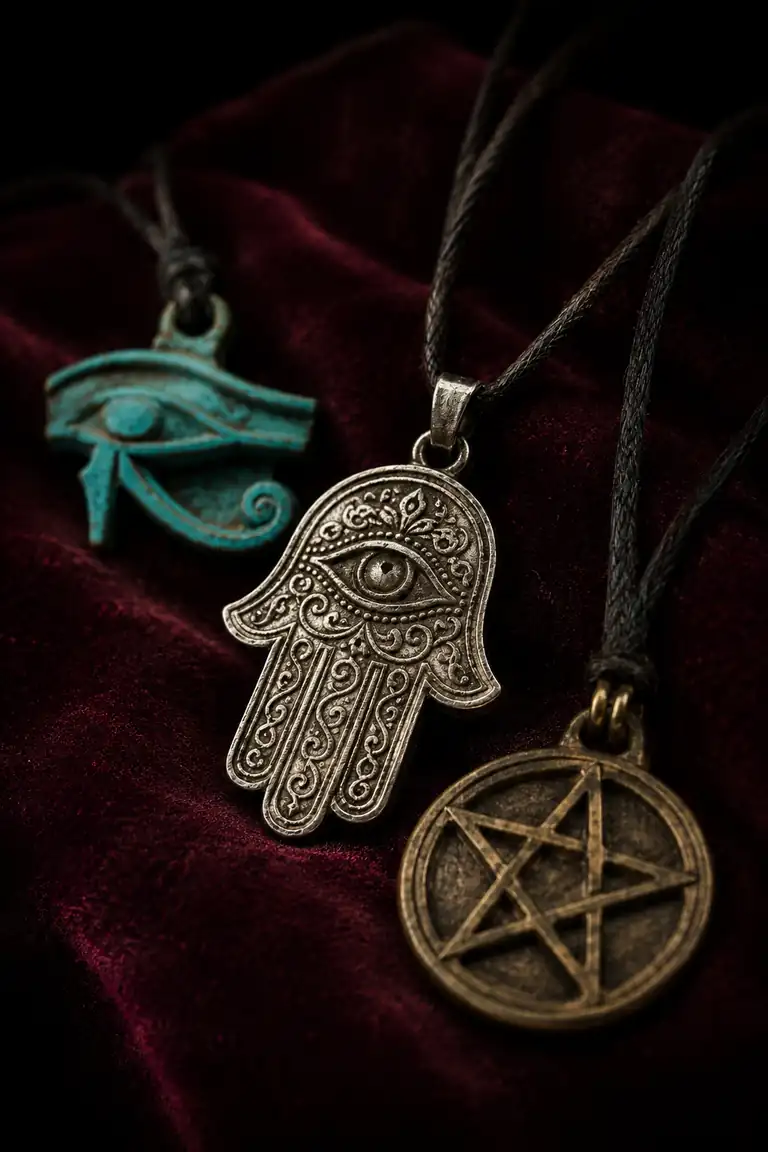
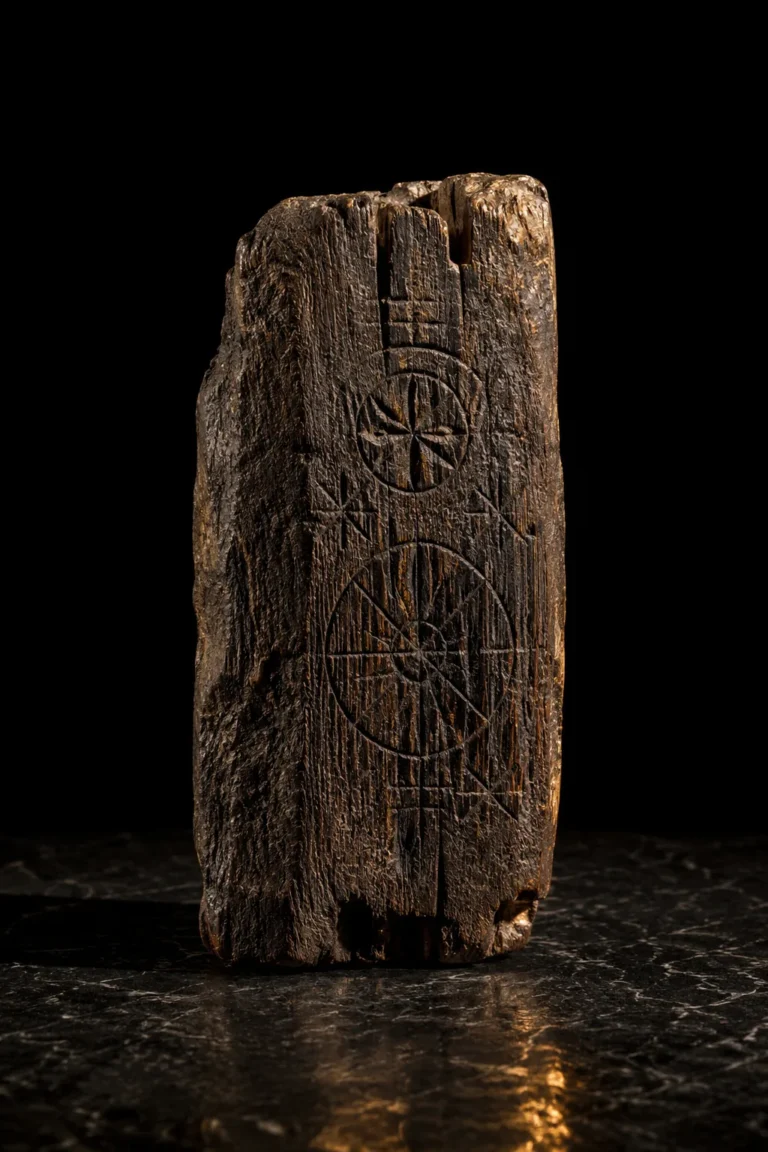
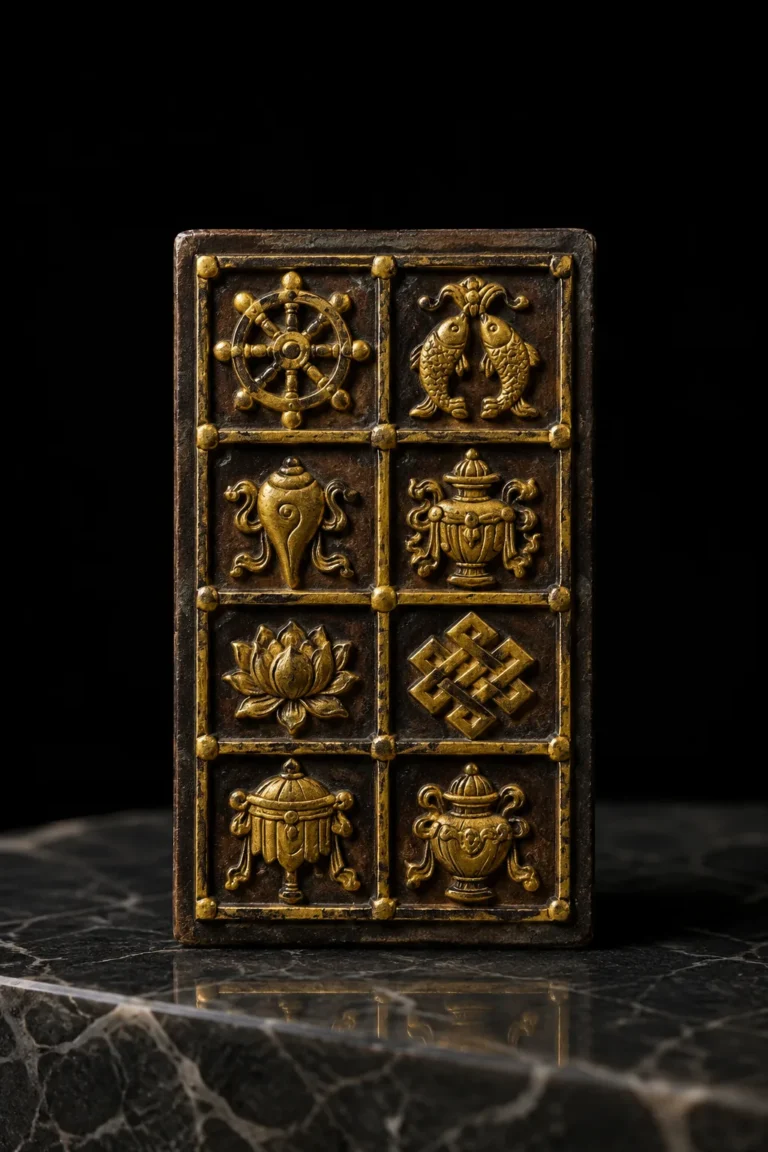
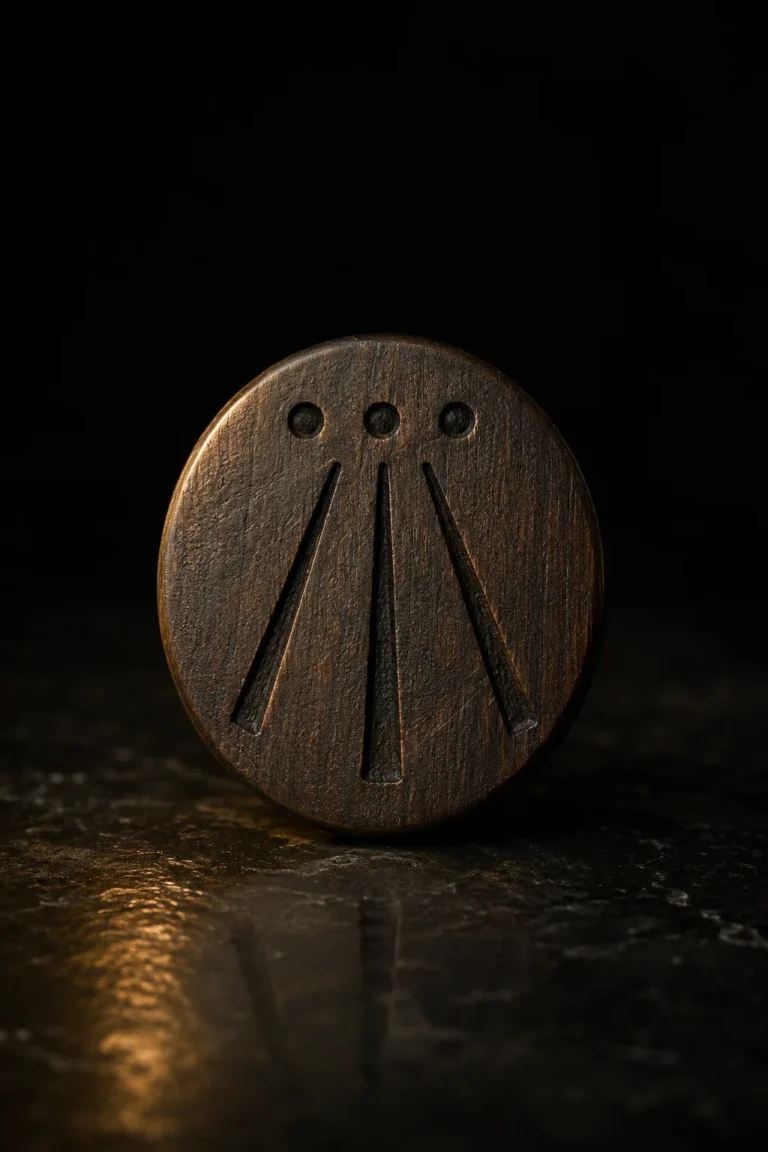
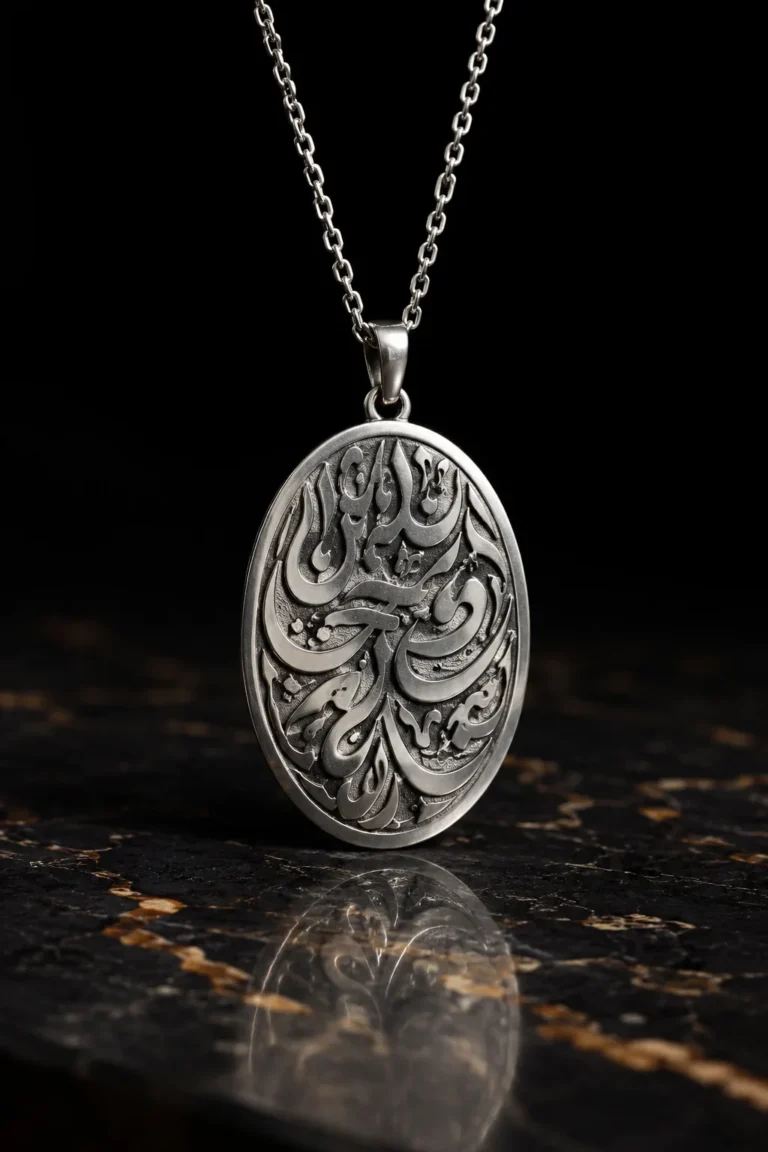
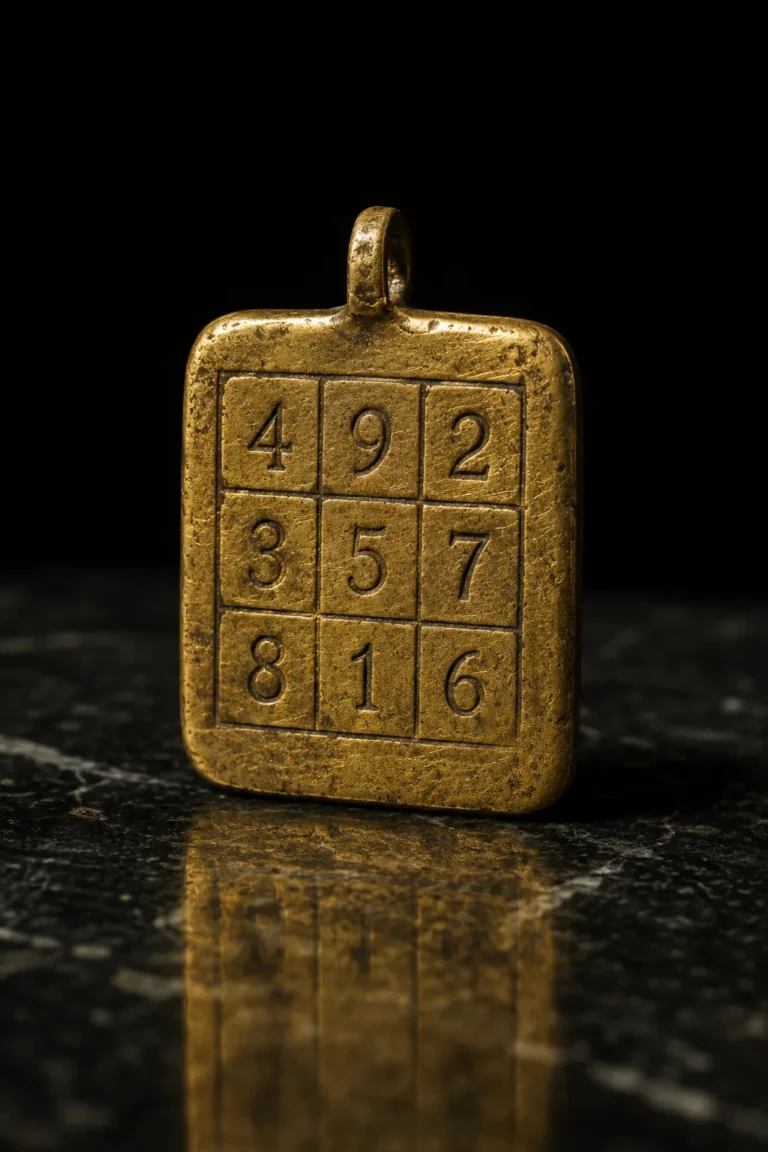
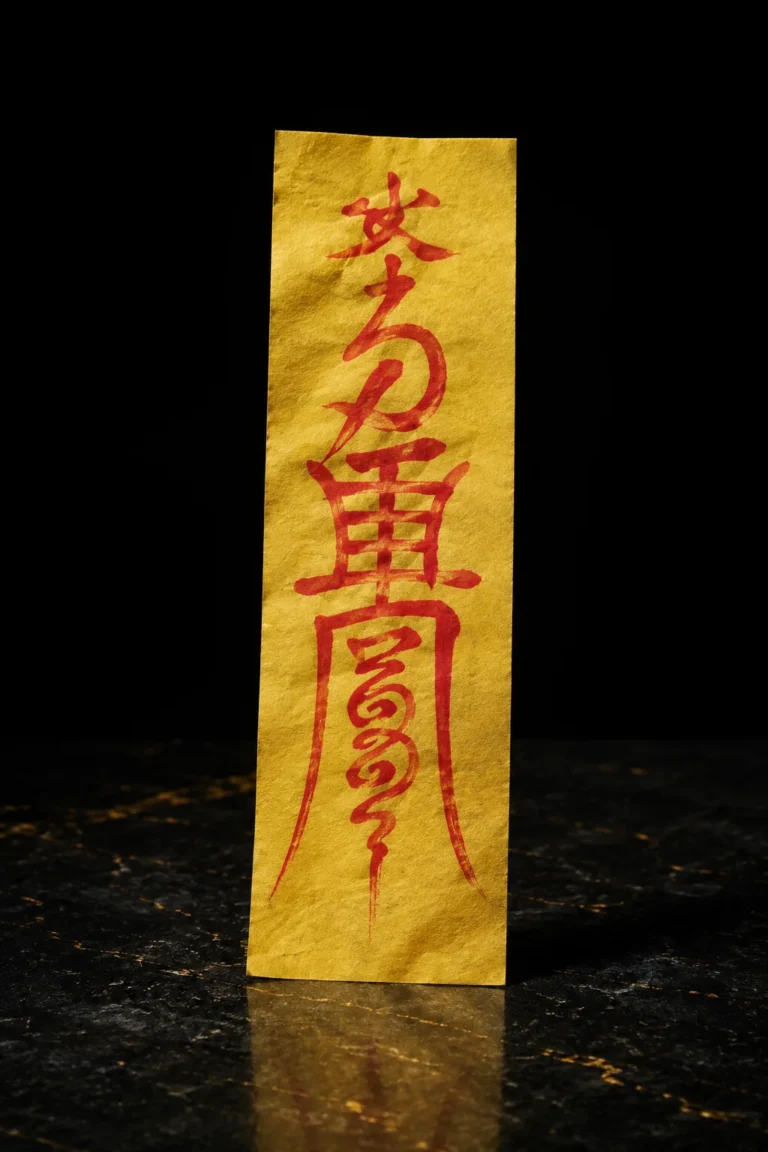
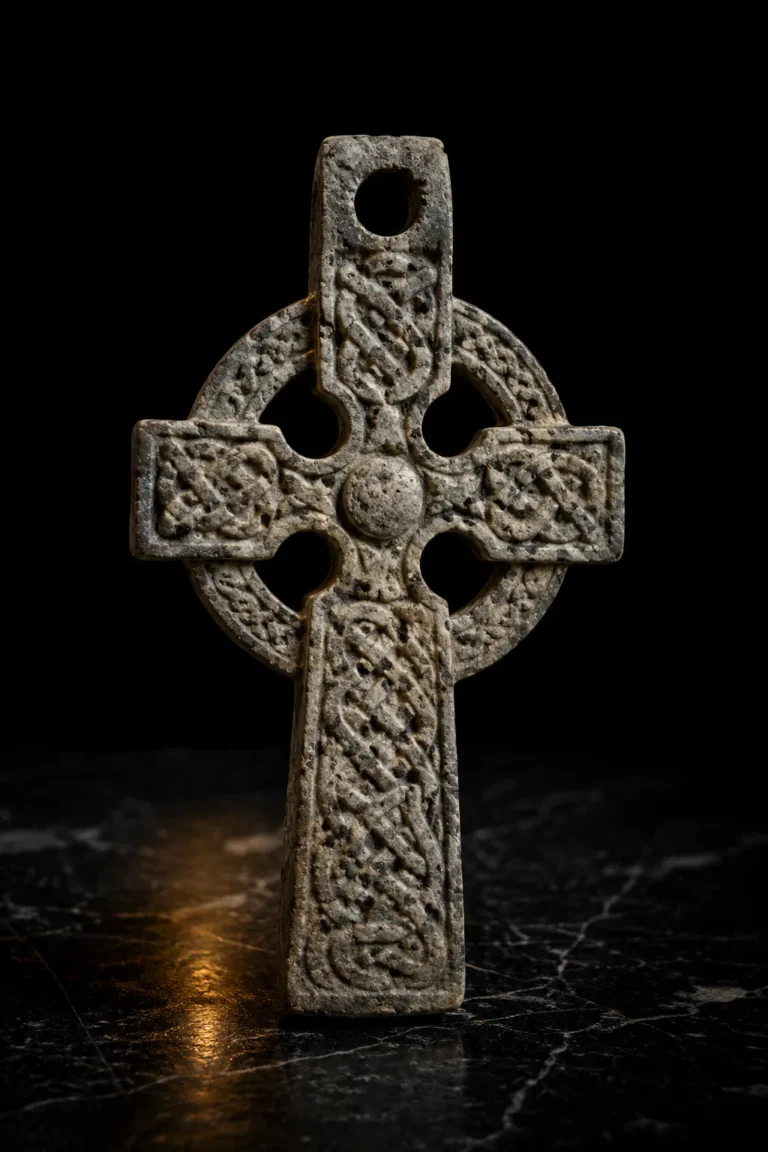
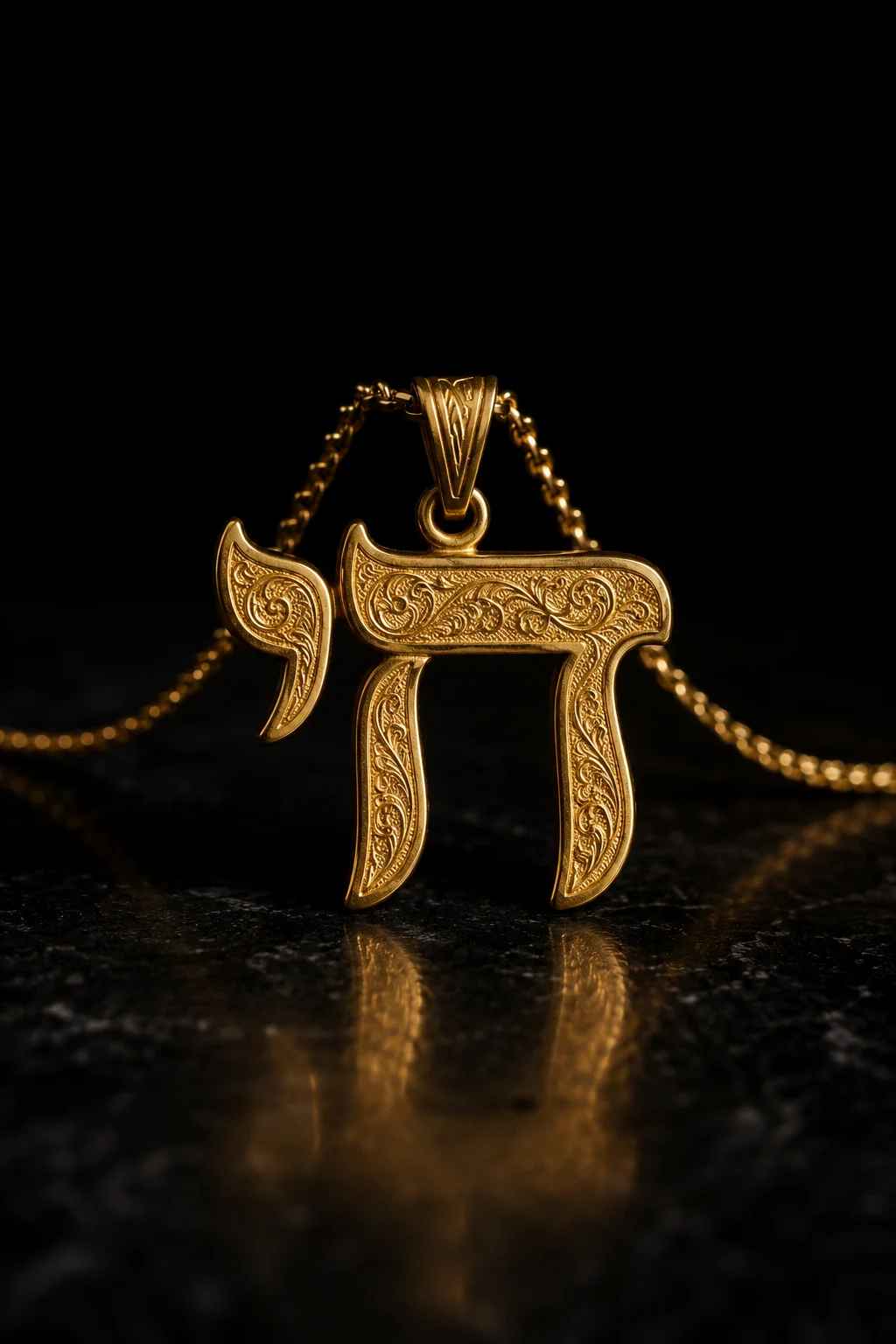
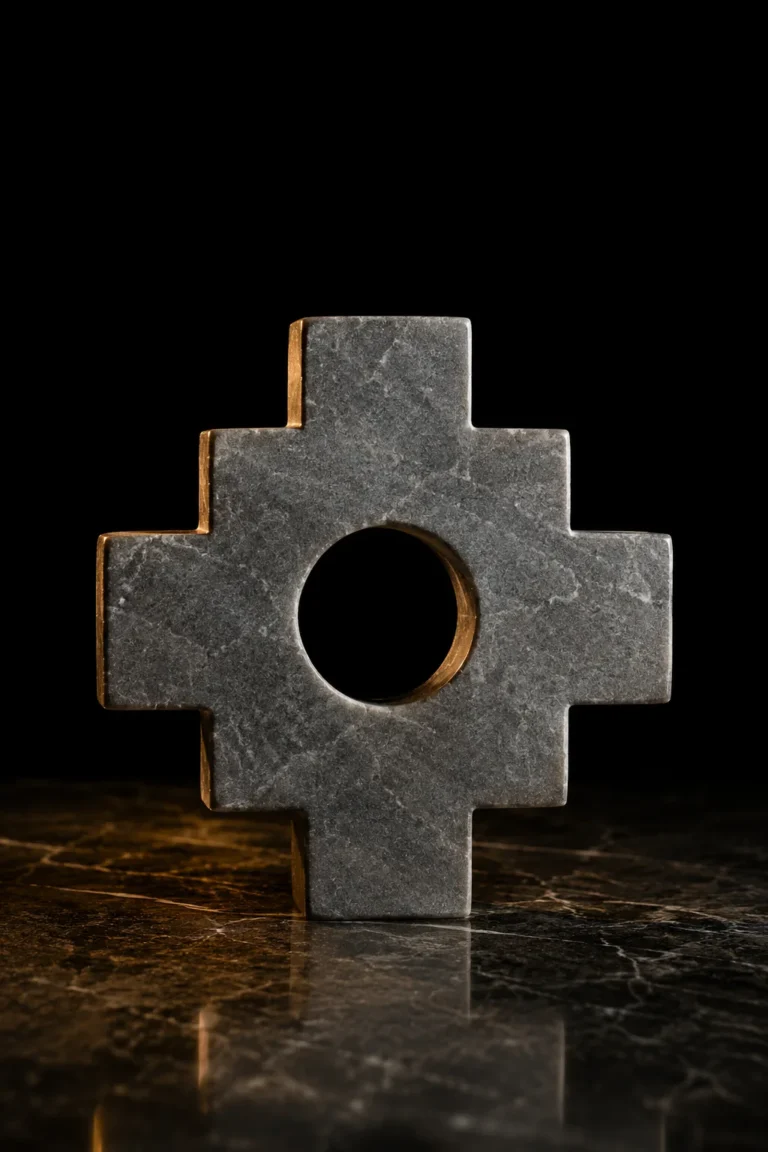
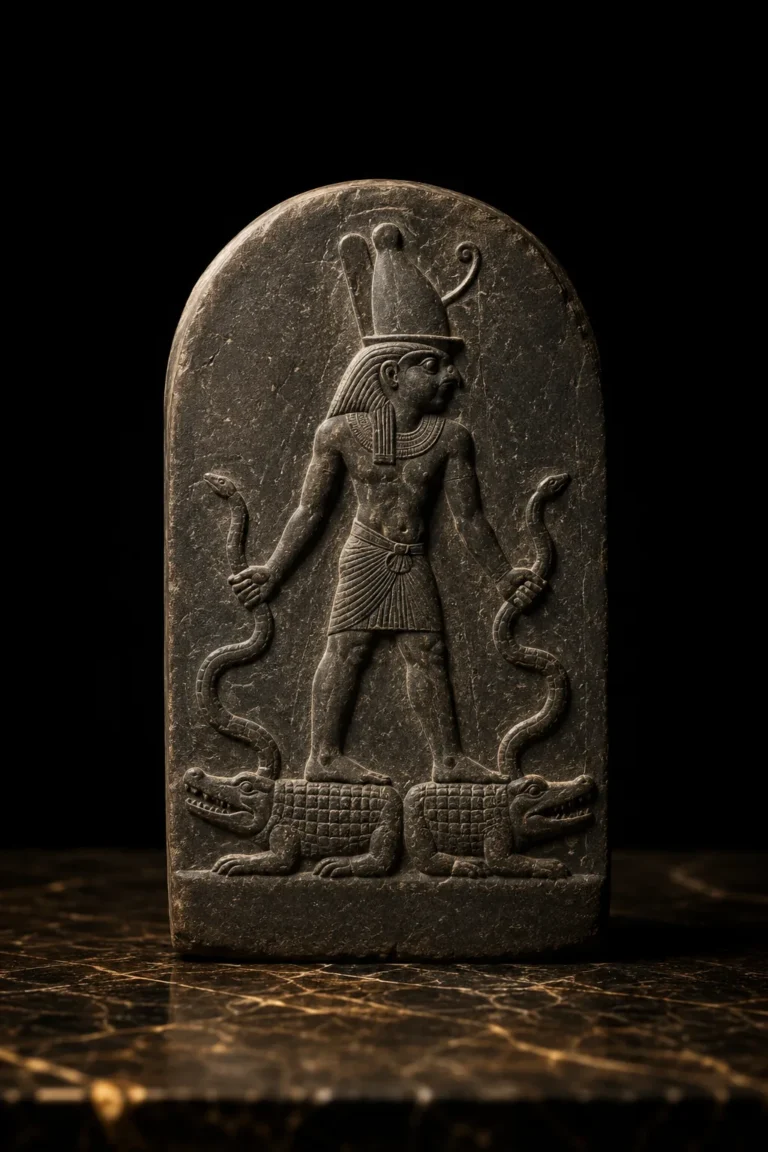
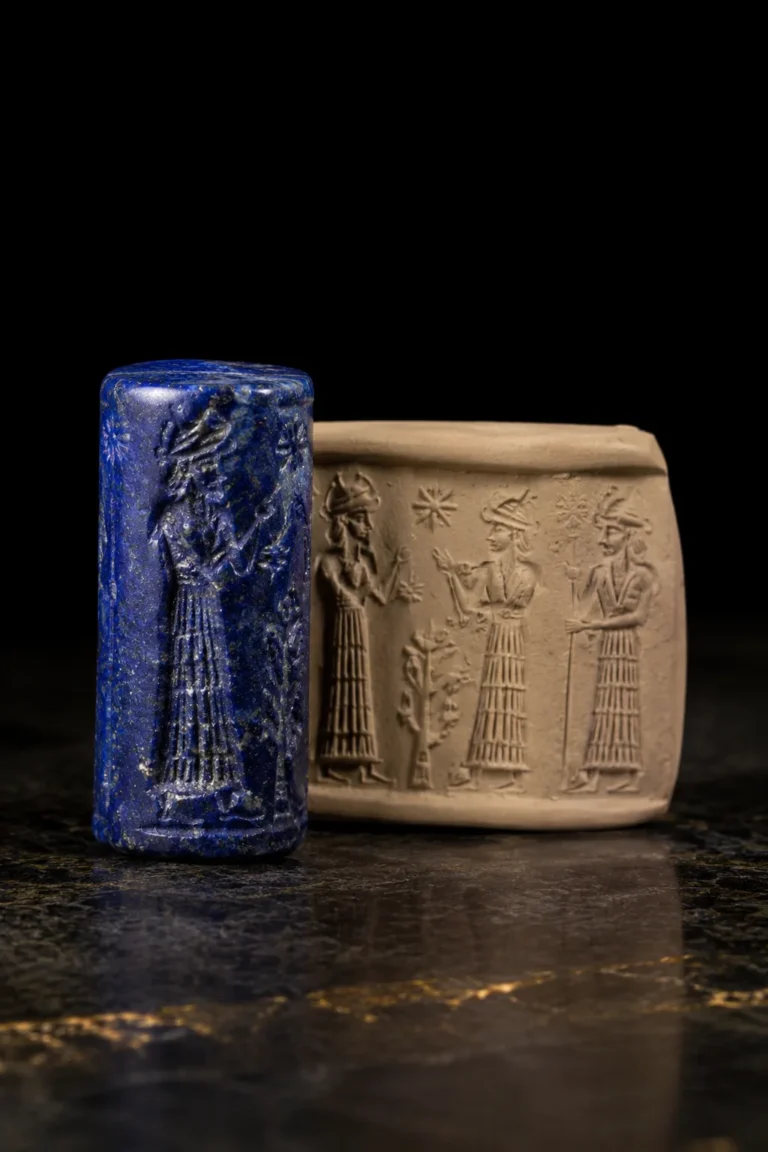
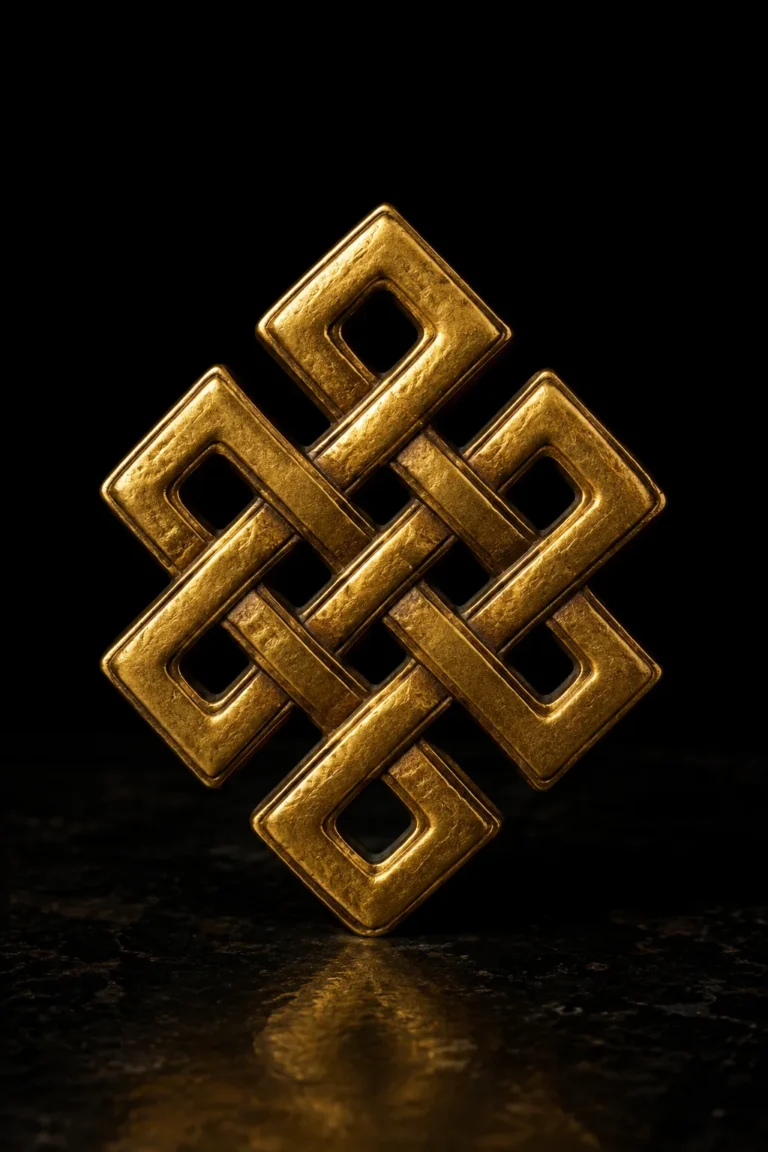
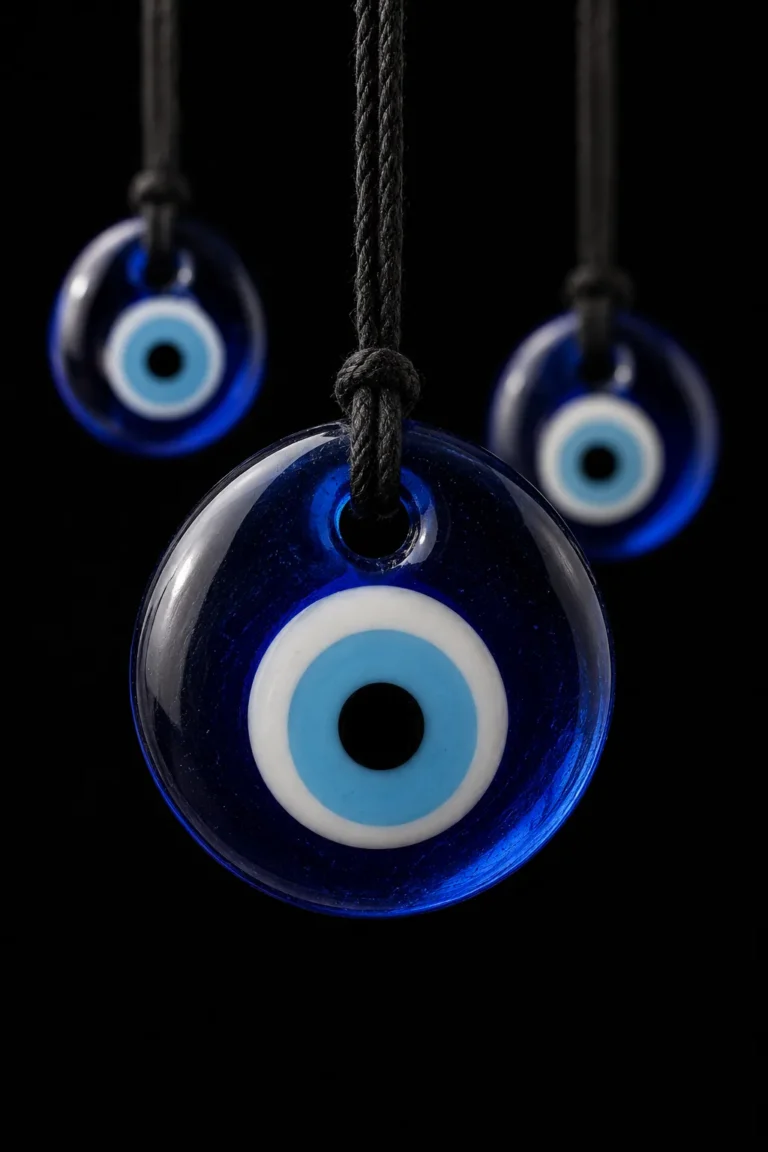
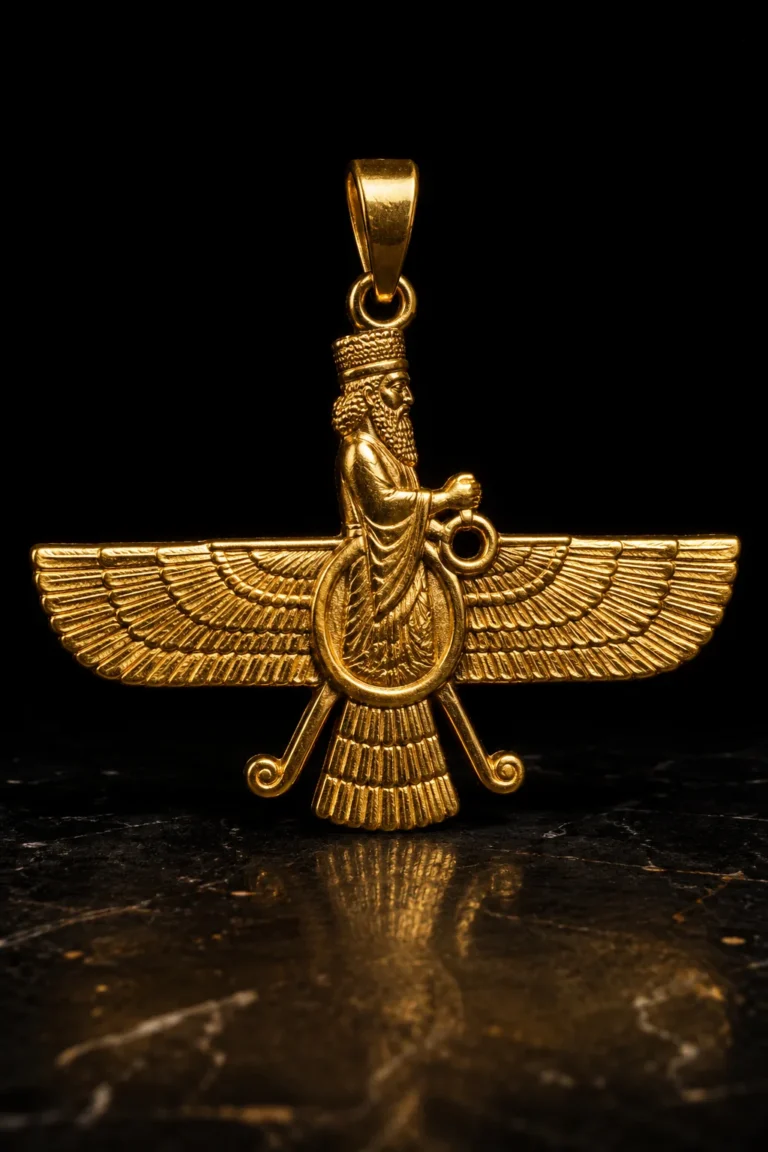
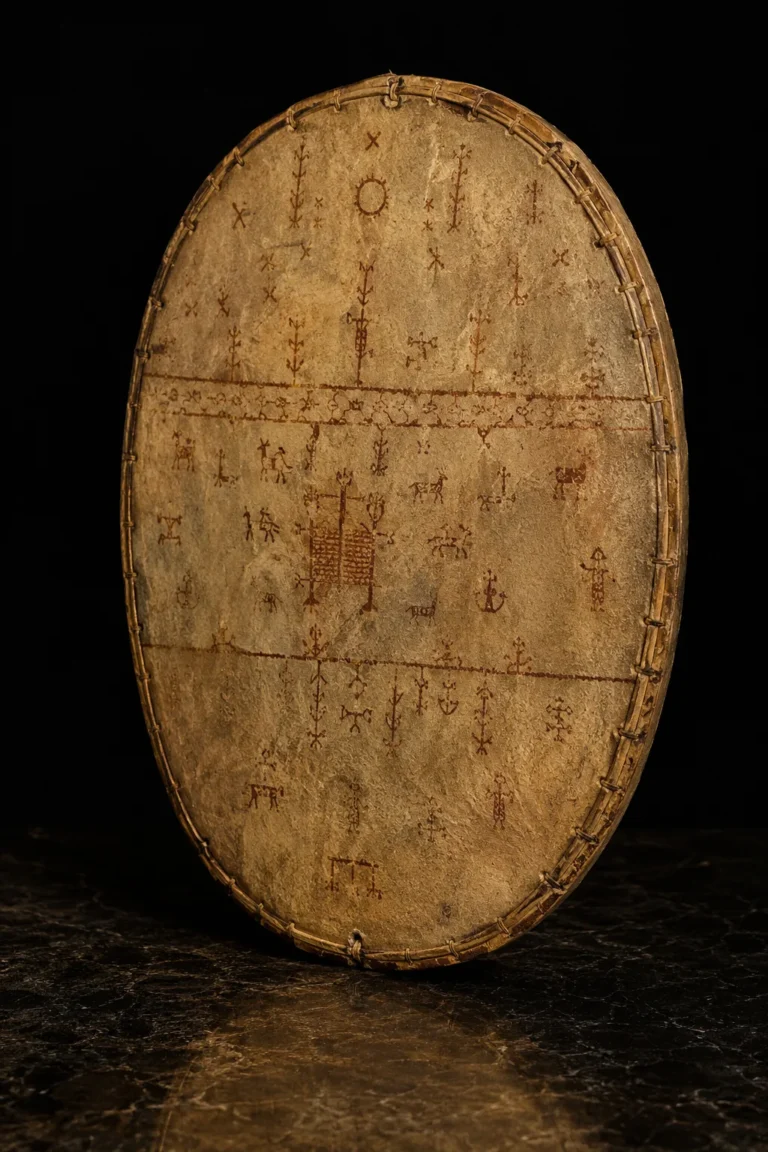
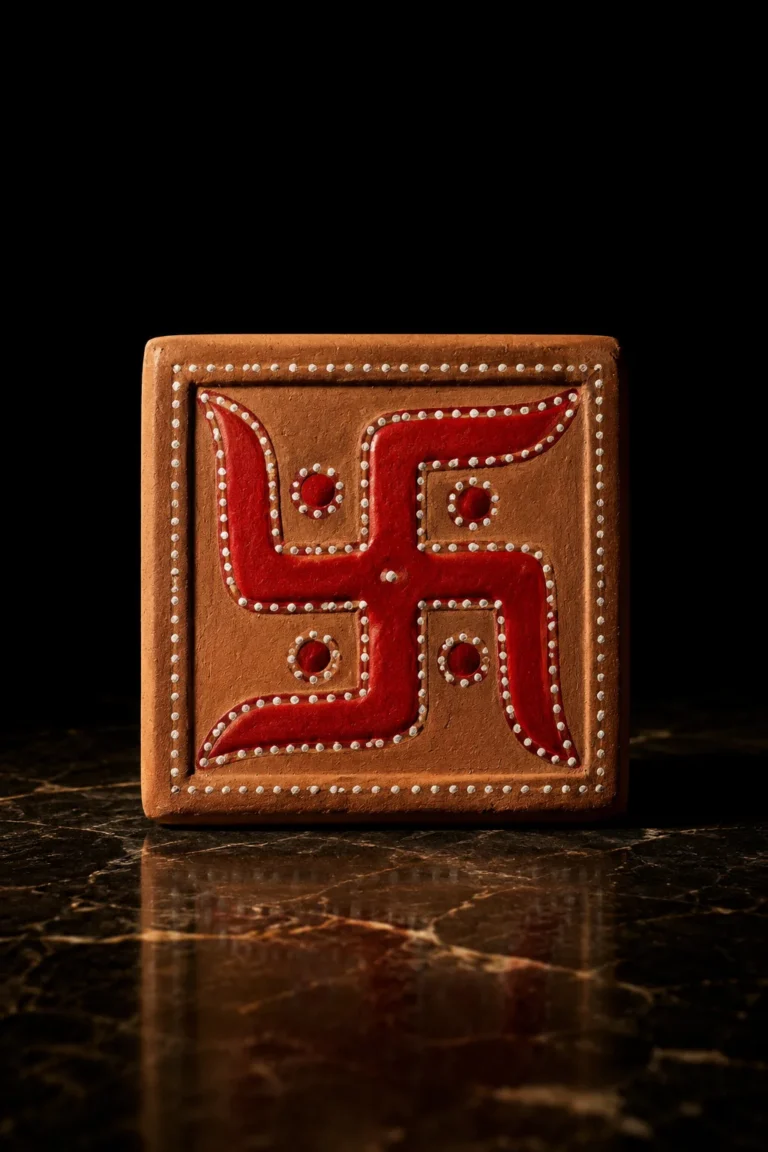
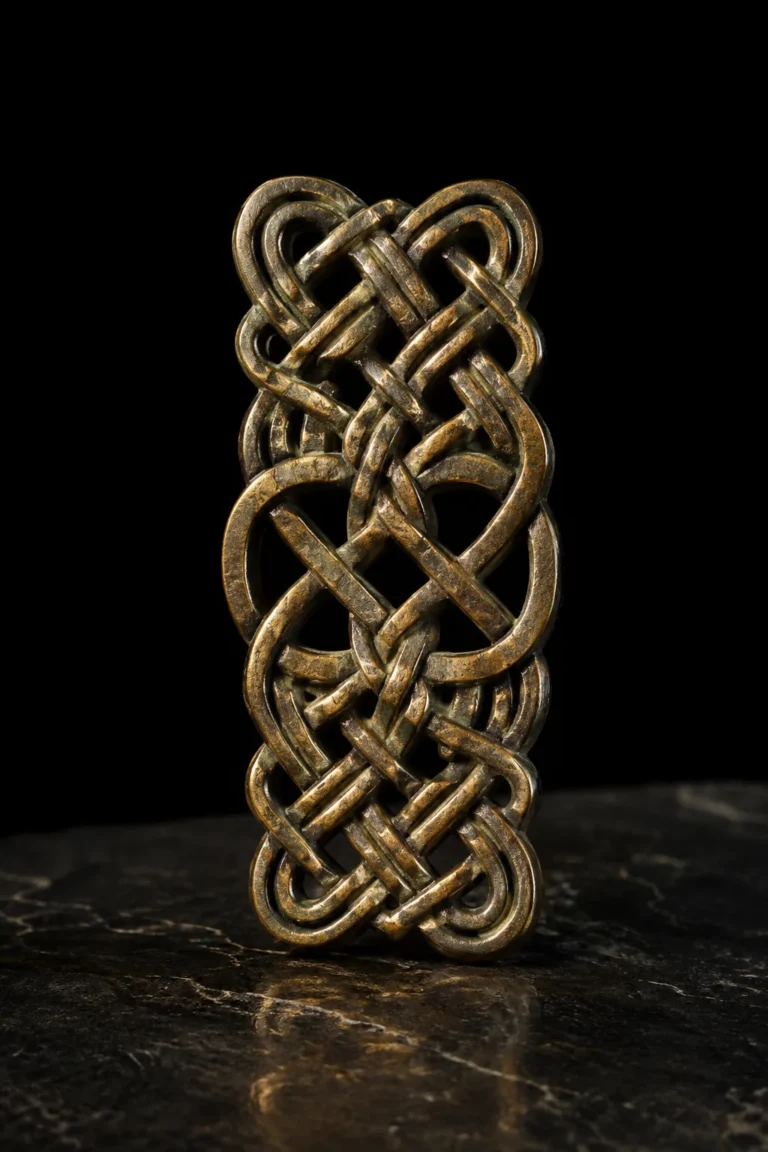
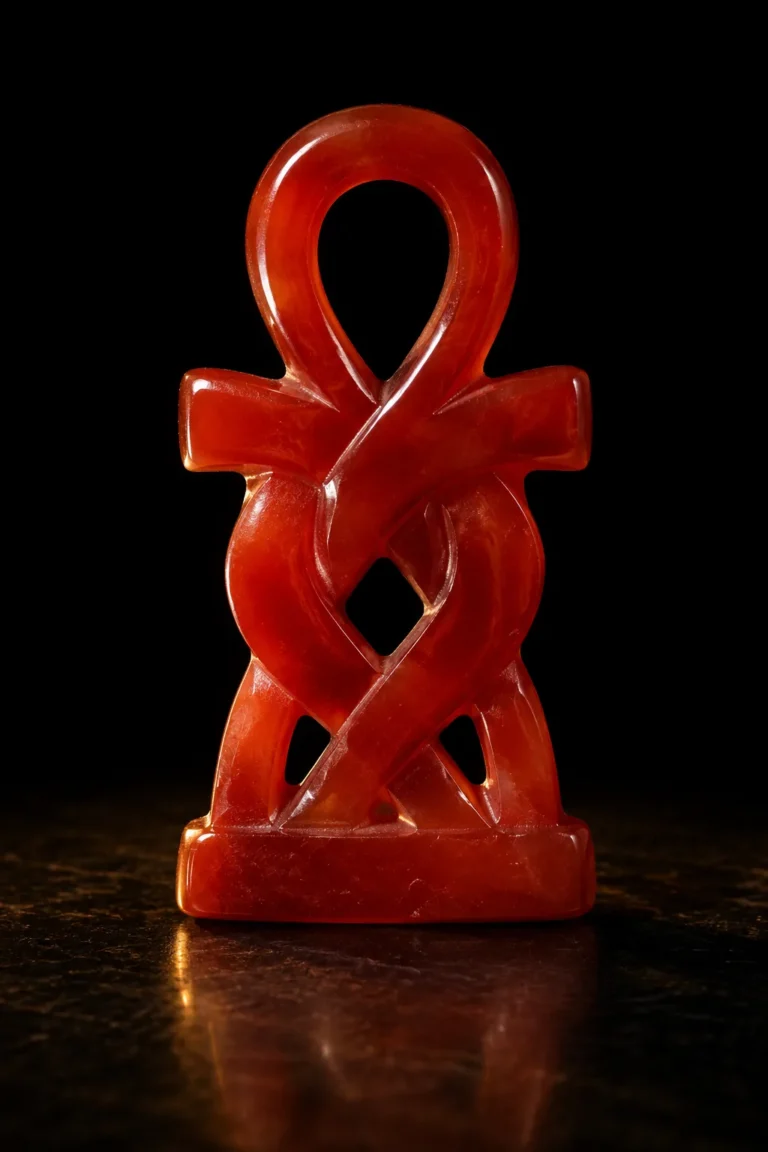
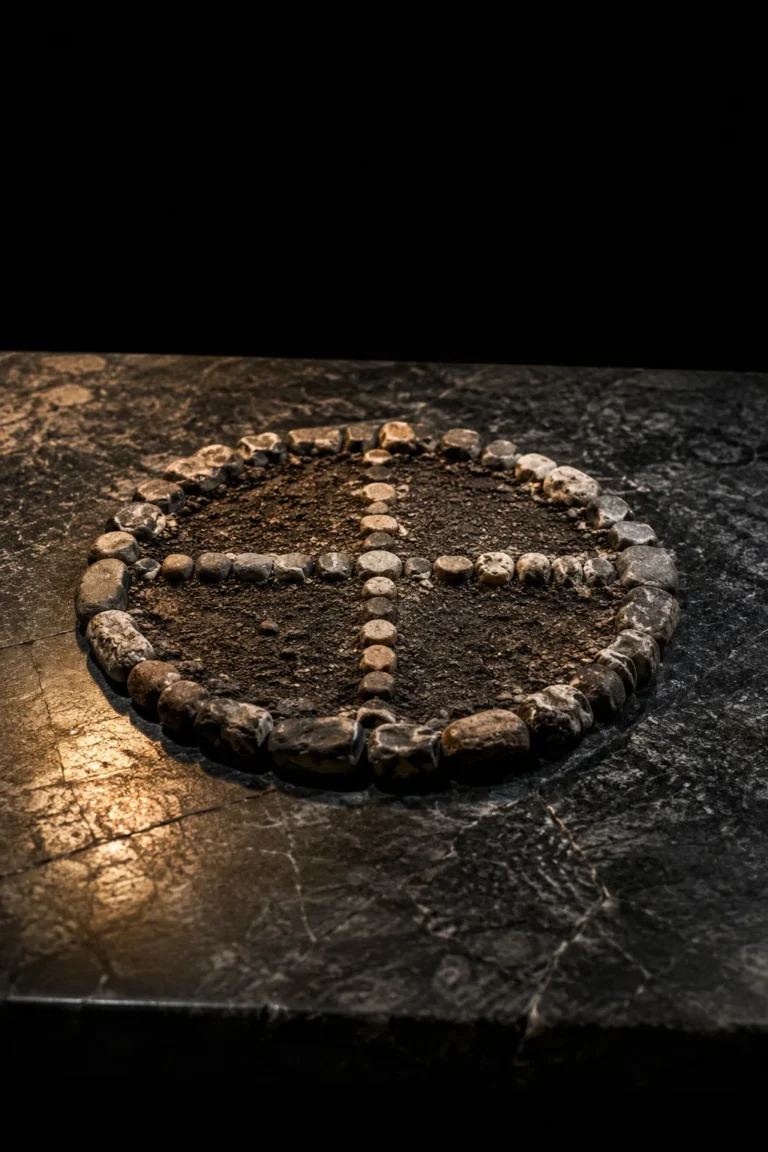
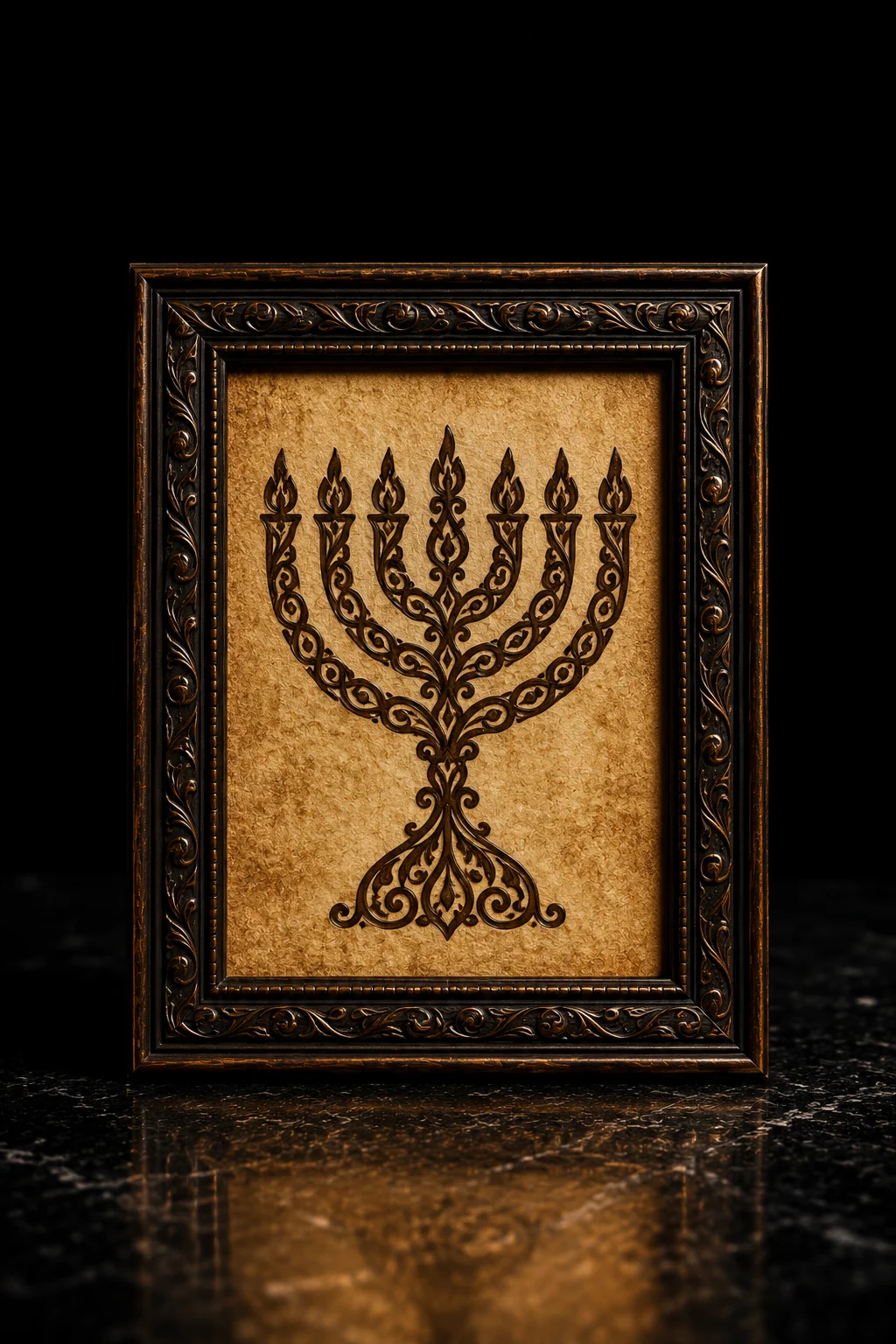
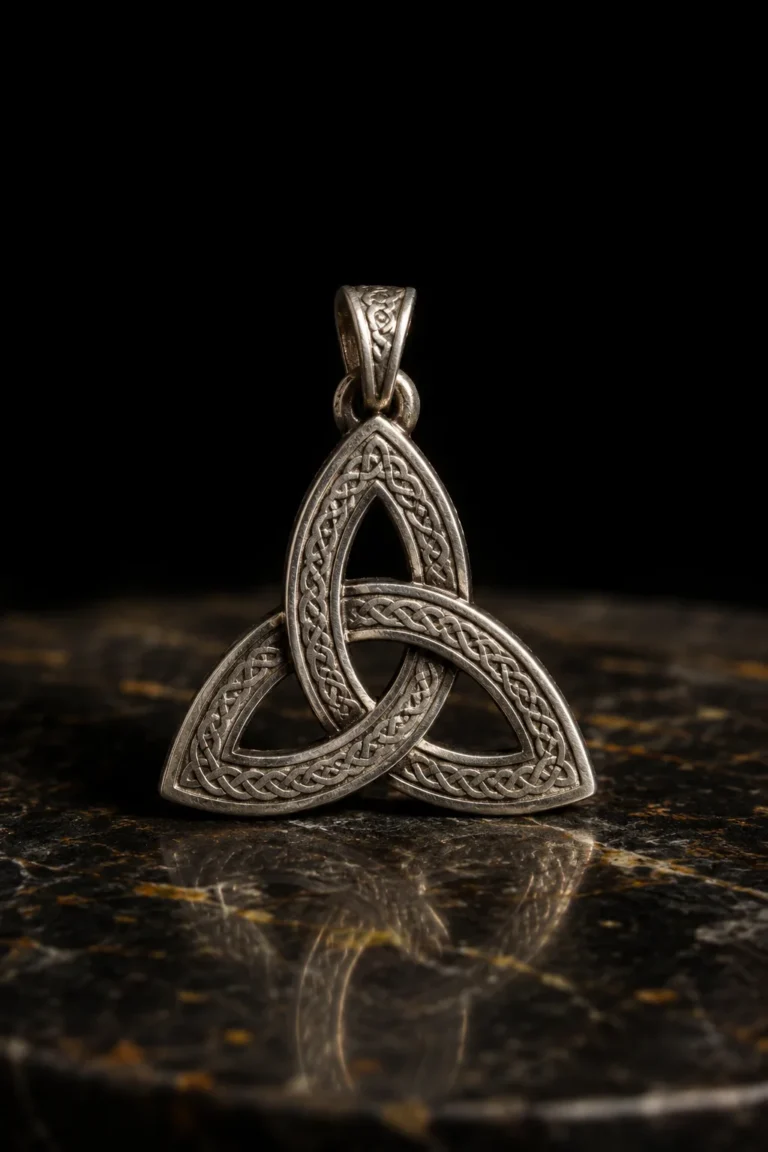
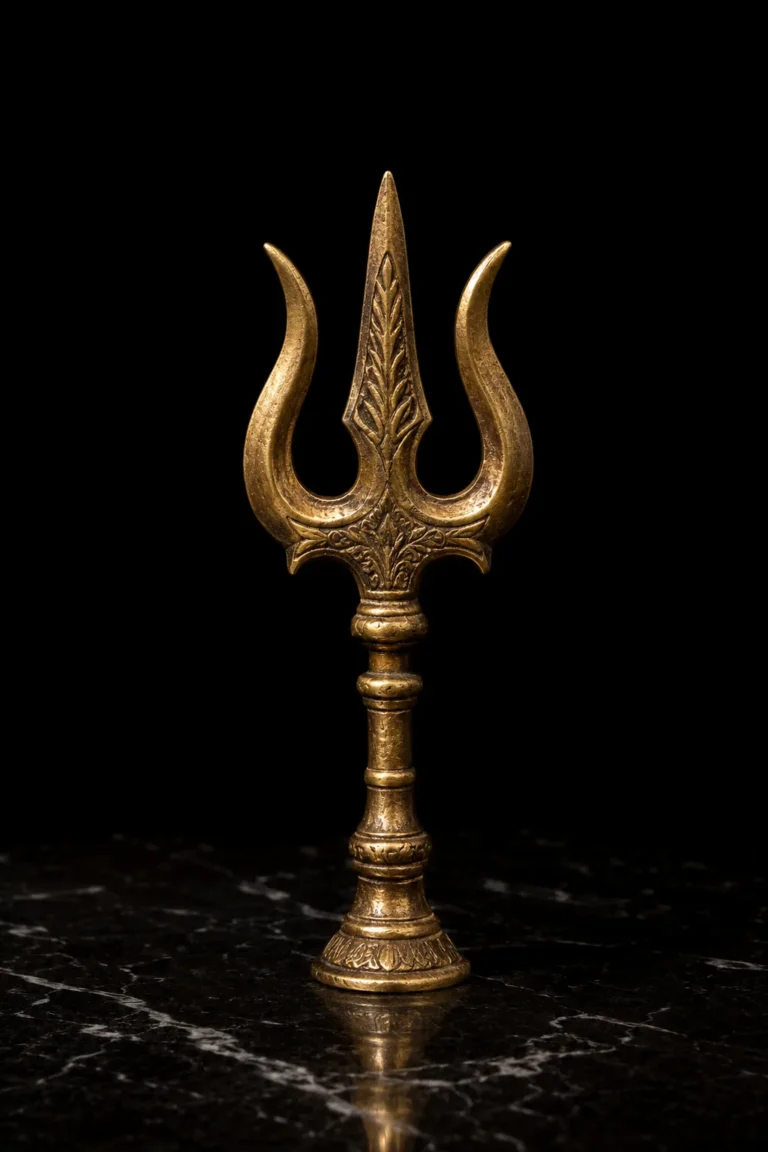
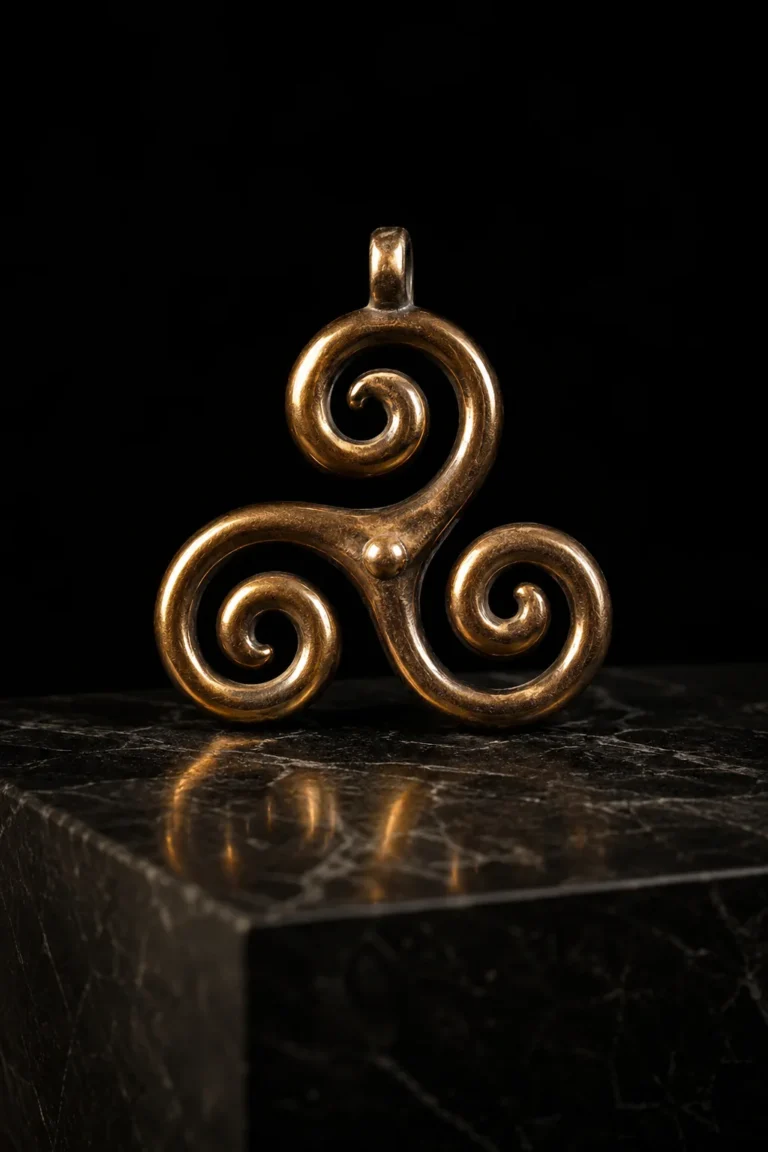
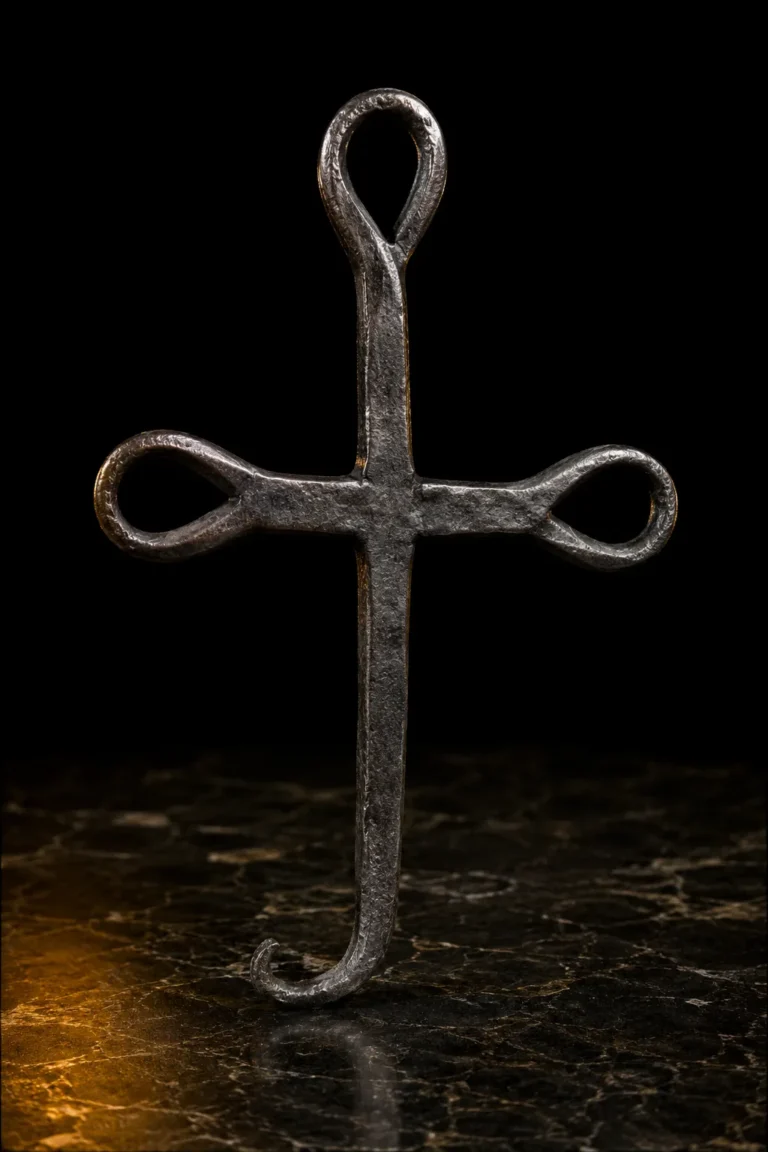
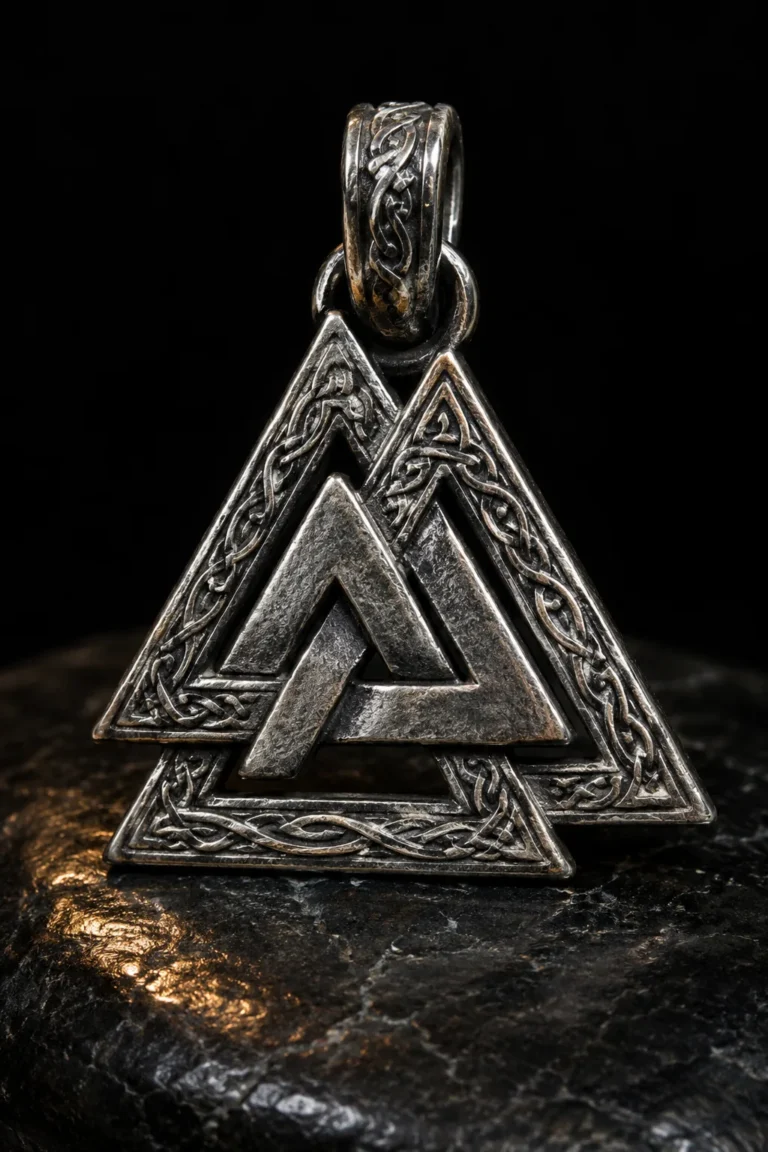
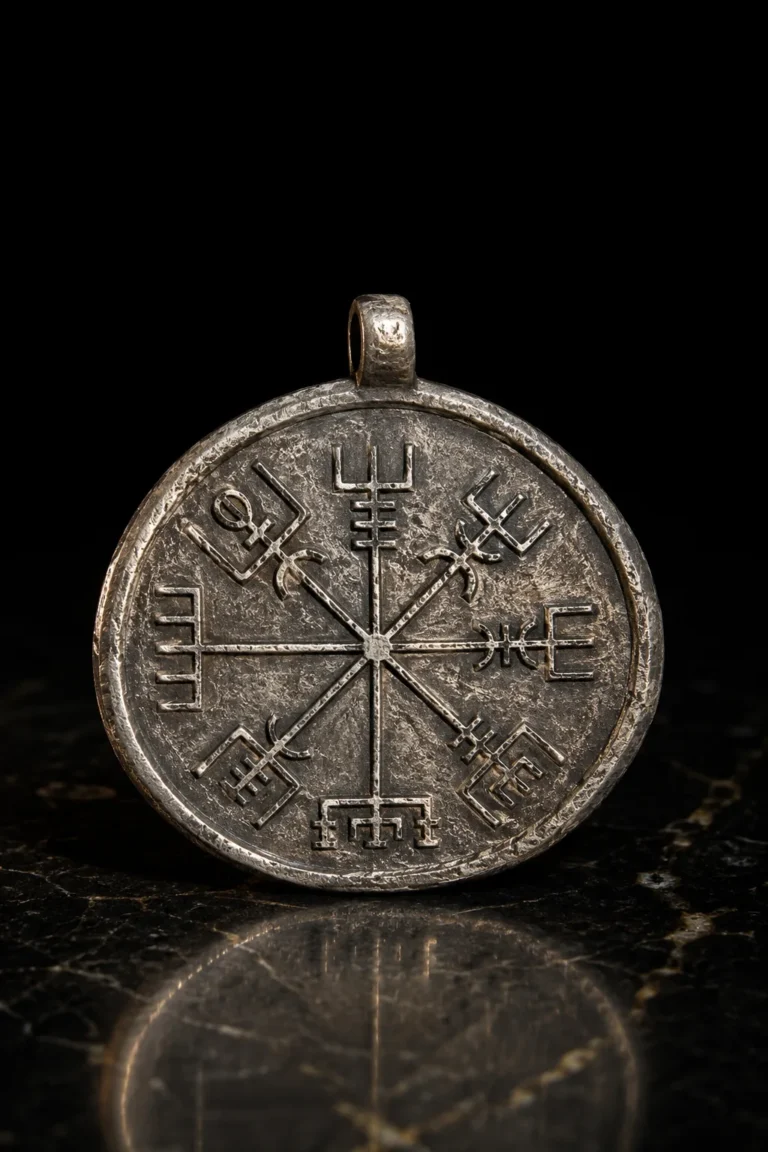
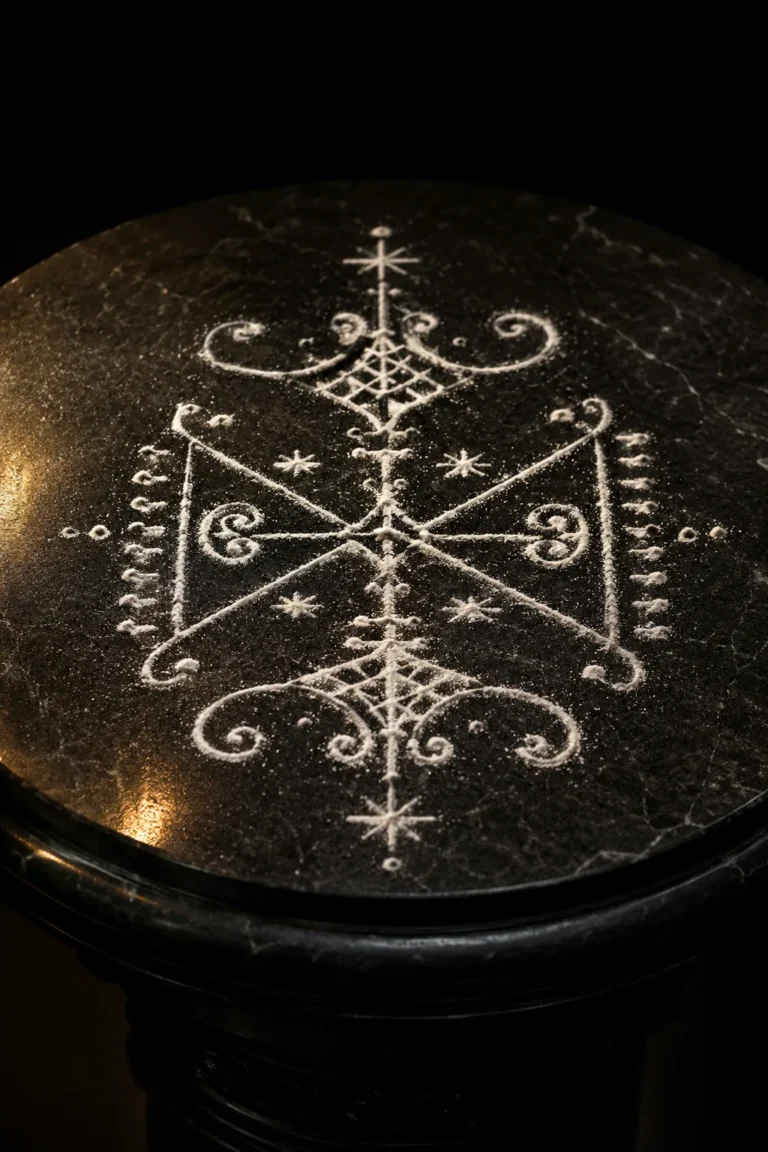
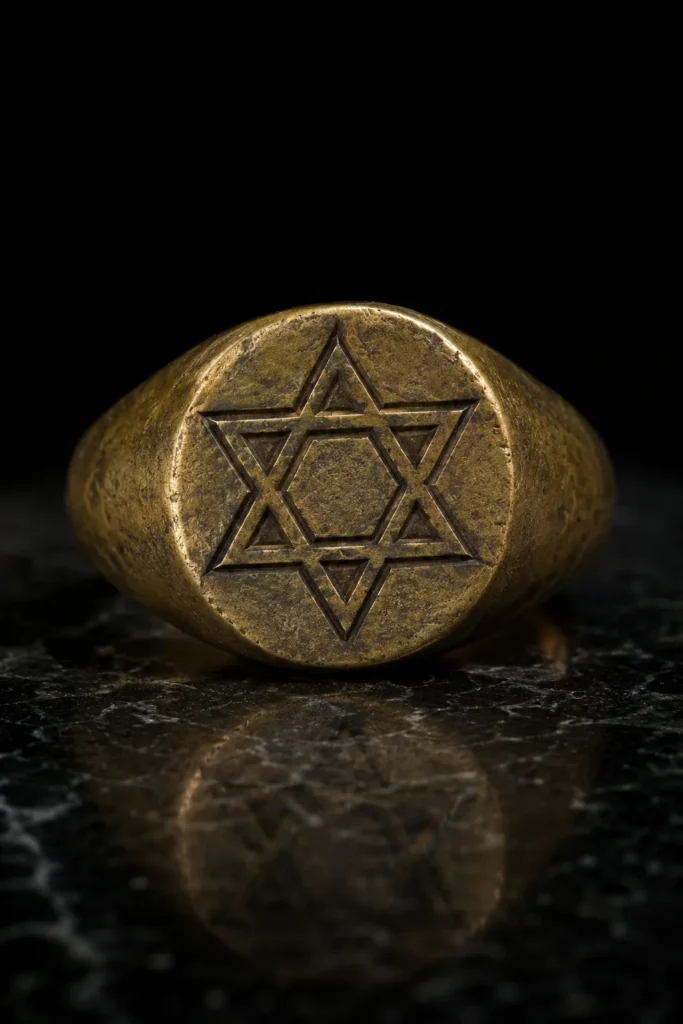
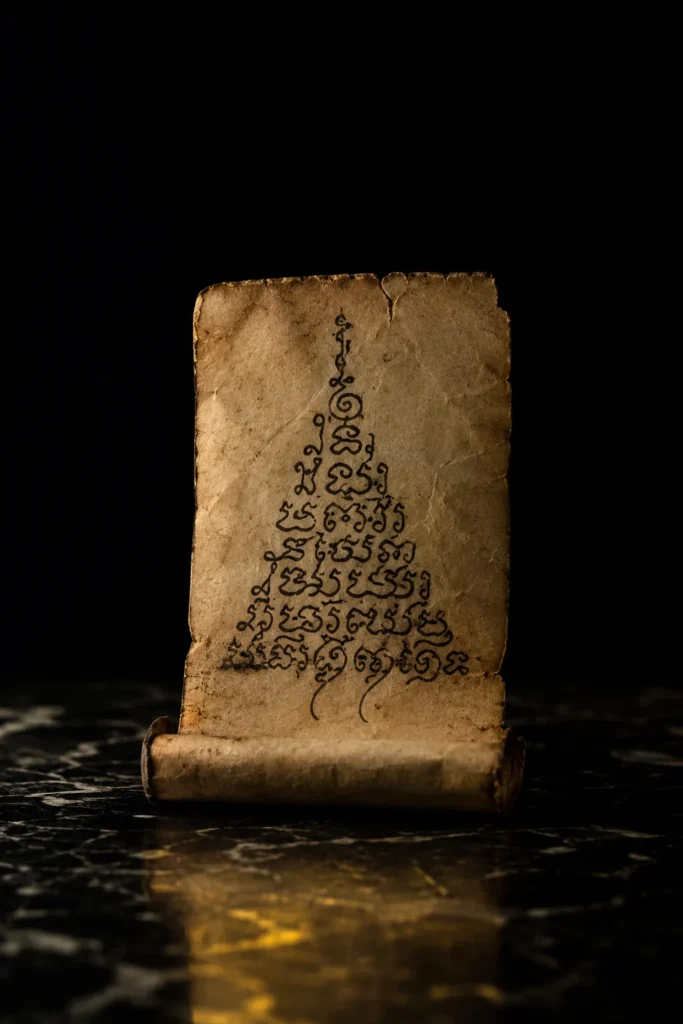
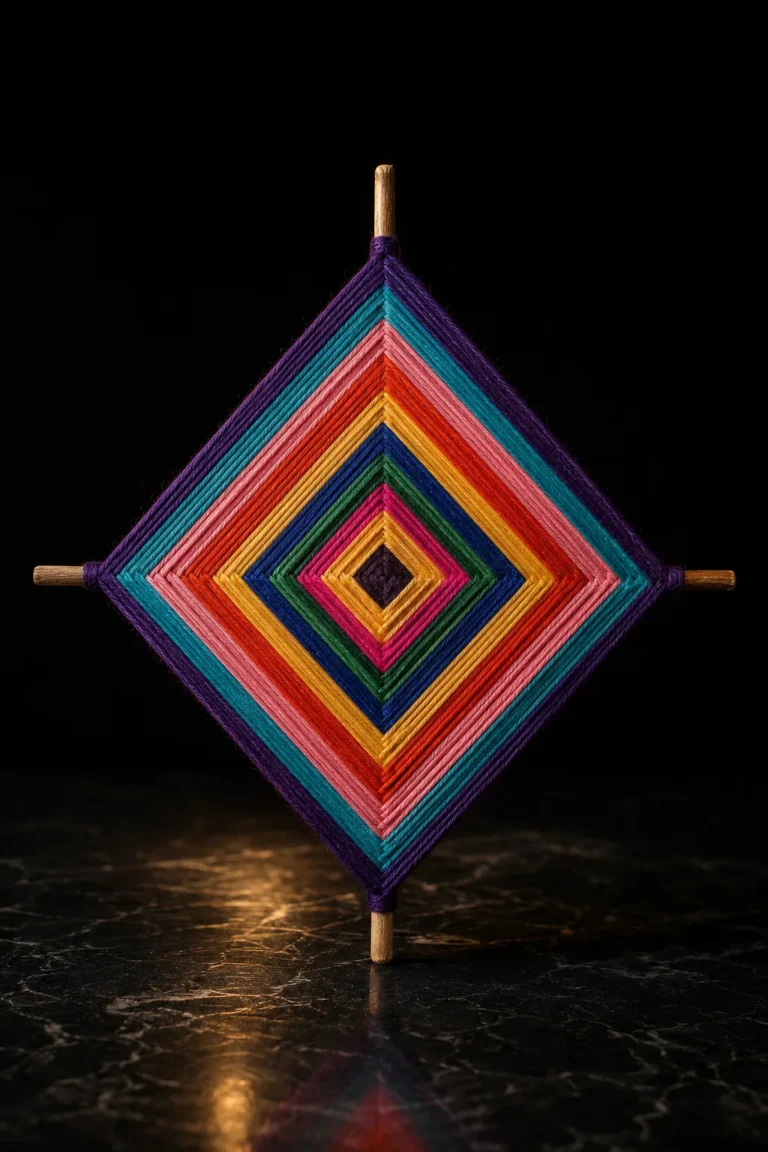
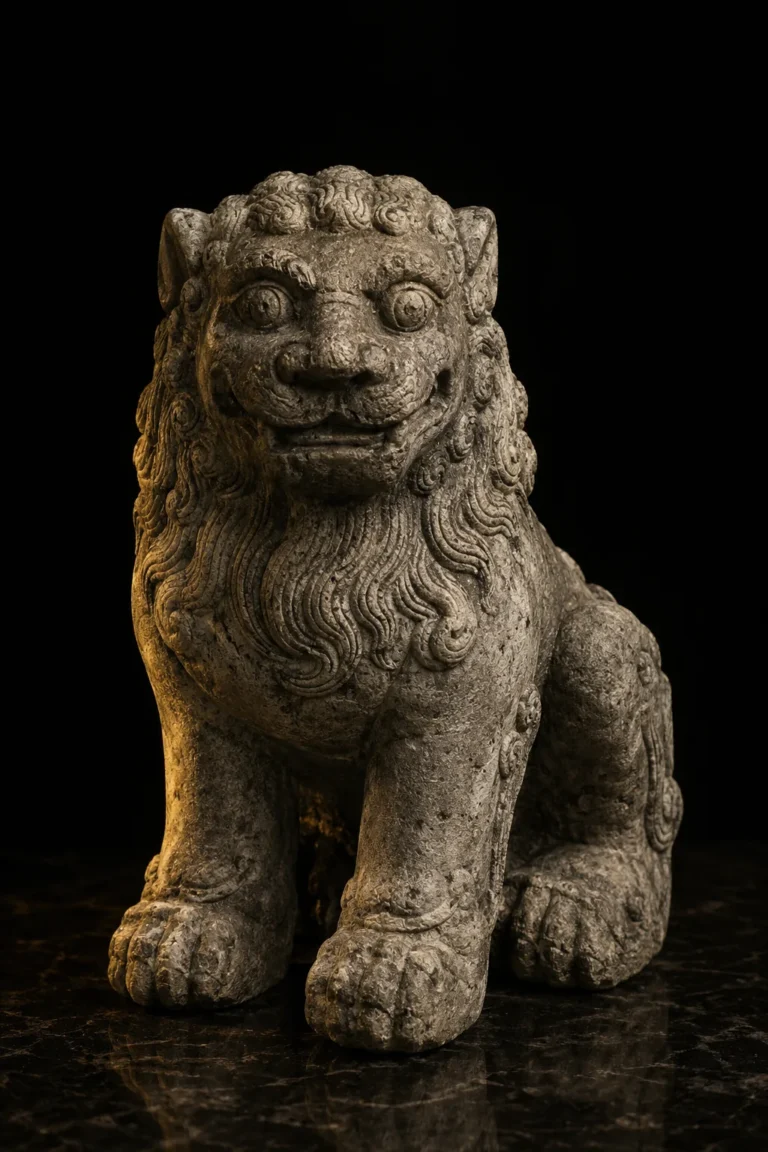
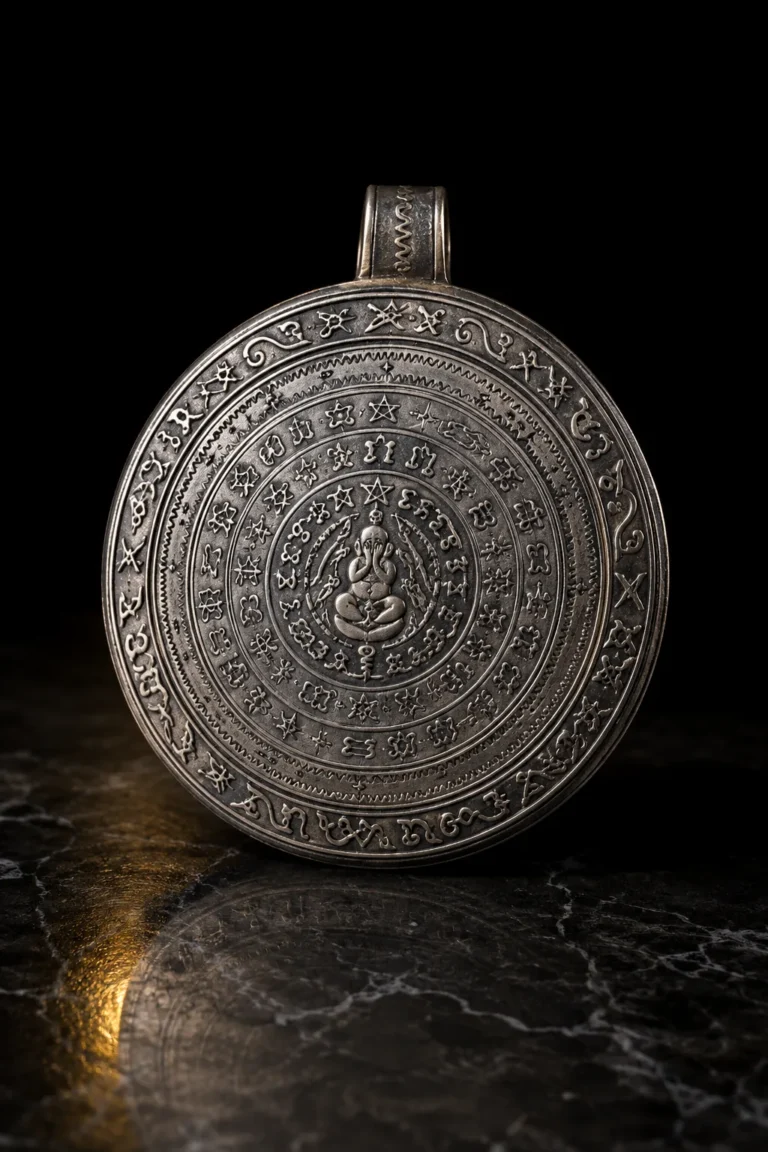
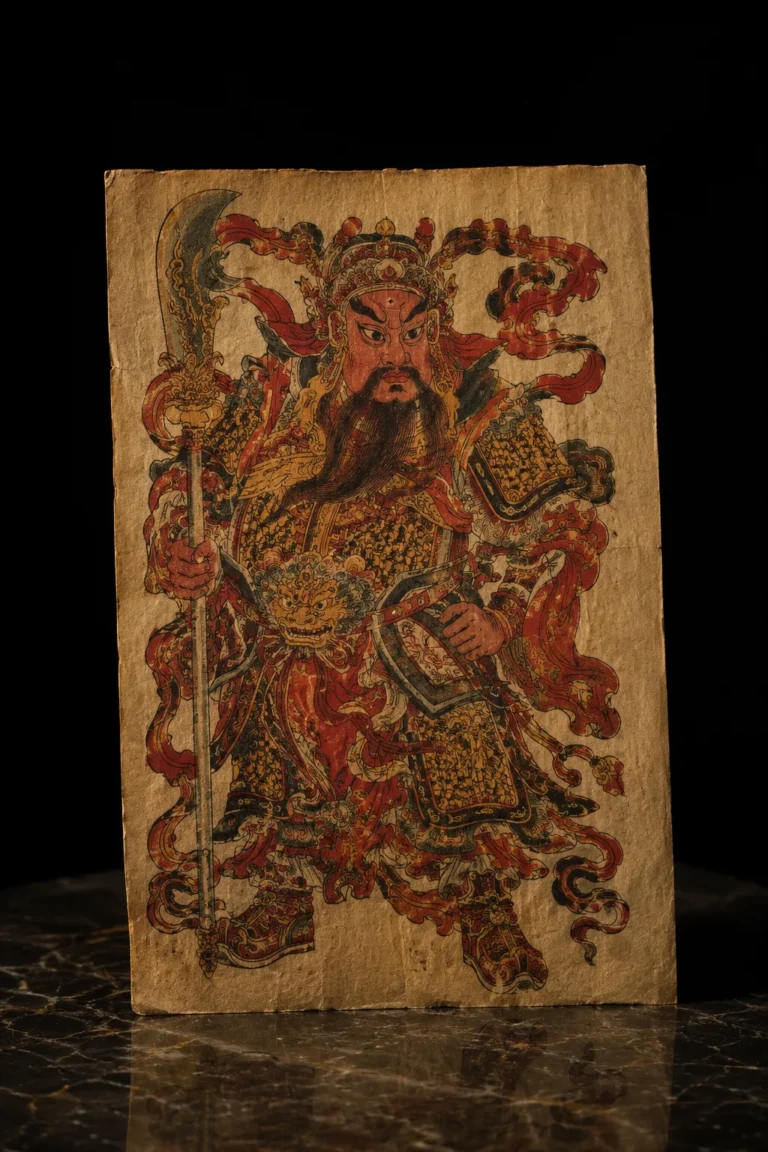
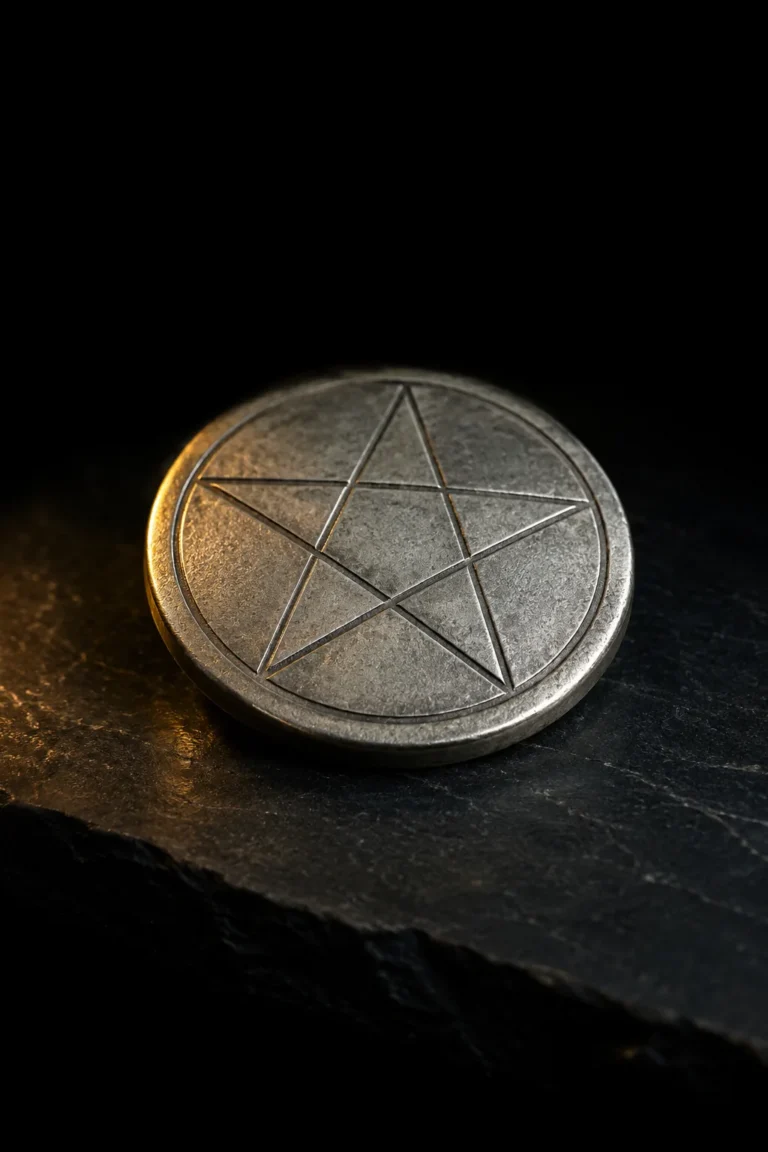
Protective symbols work through the sign itself: painted, carved or worn, they are meant to ward off or bind harmful influences. From the pentagram to the drude’s foot to the nazar against the evil eye, they share the idea that a particular shape or figure carries an apotropaic power.



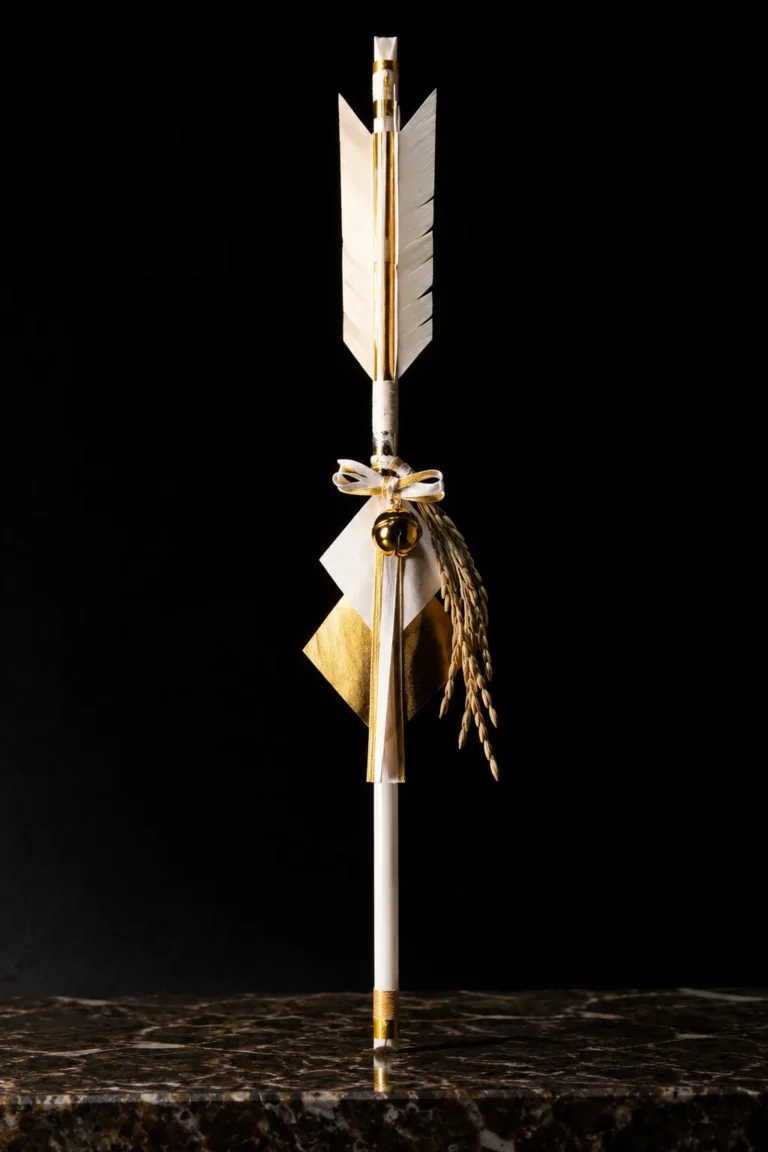
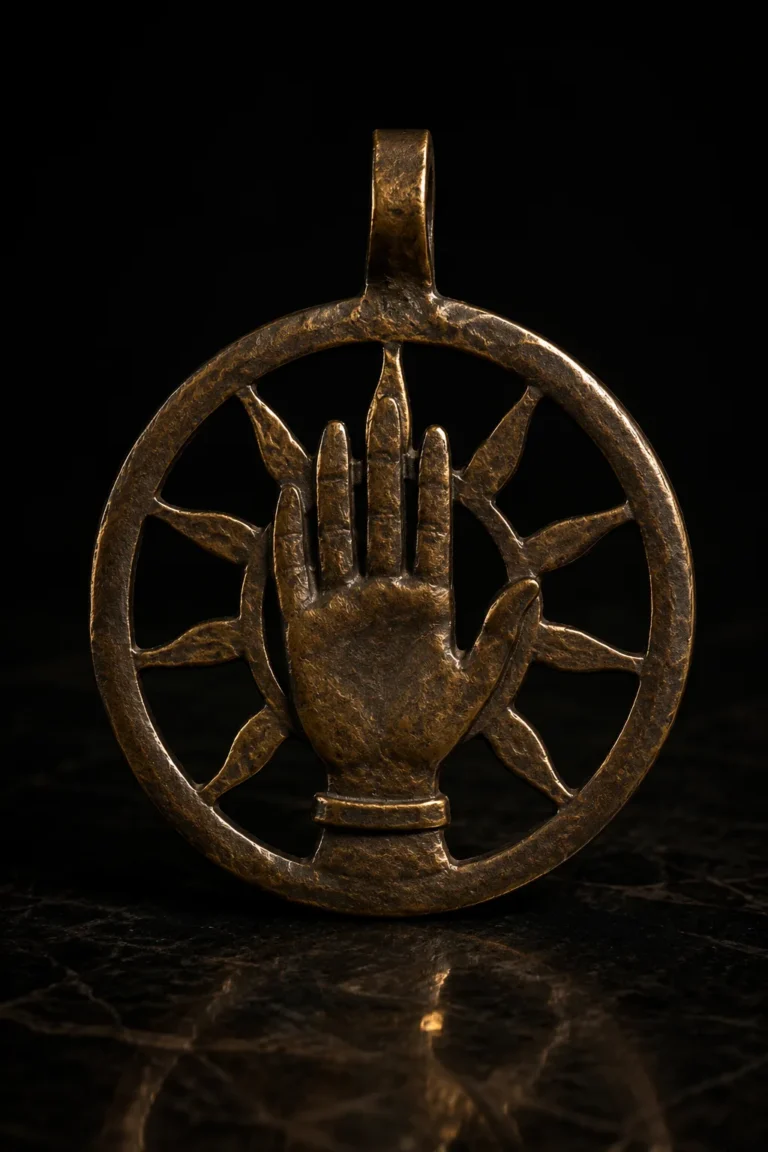
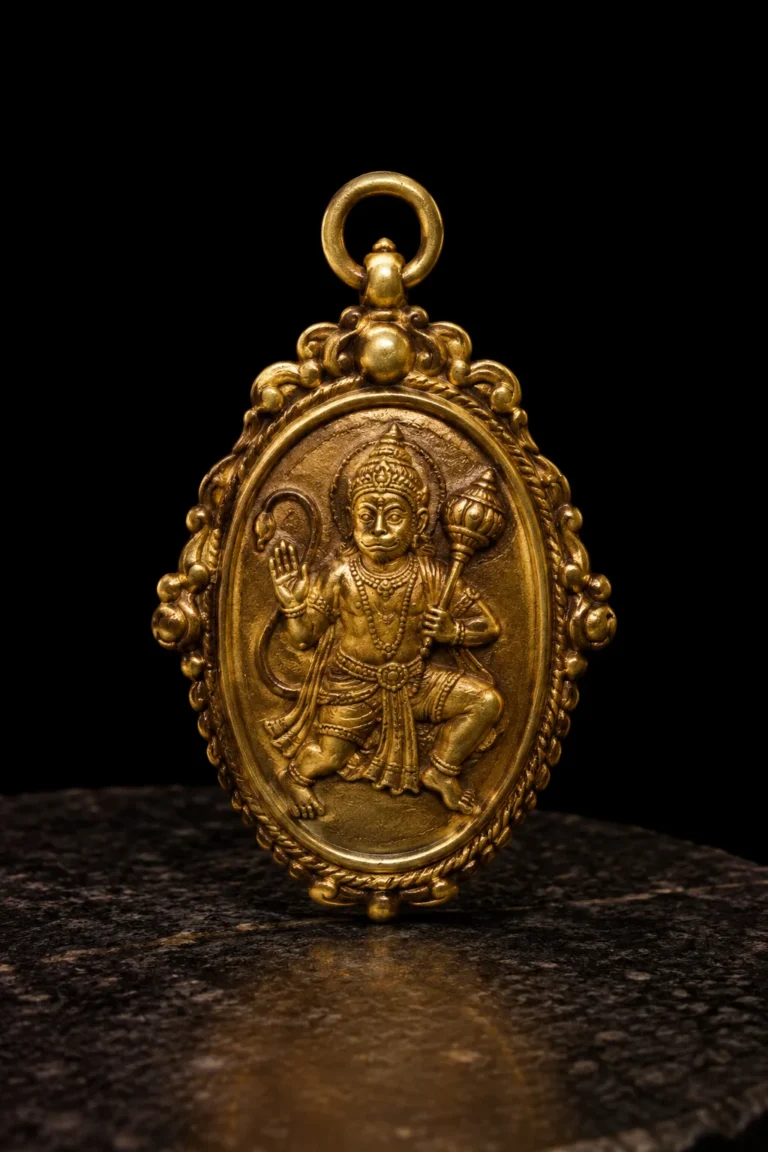
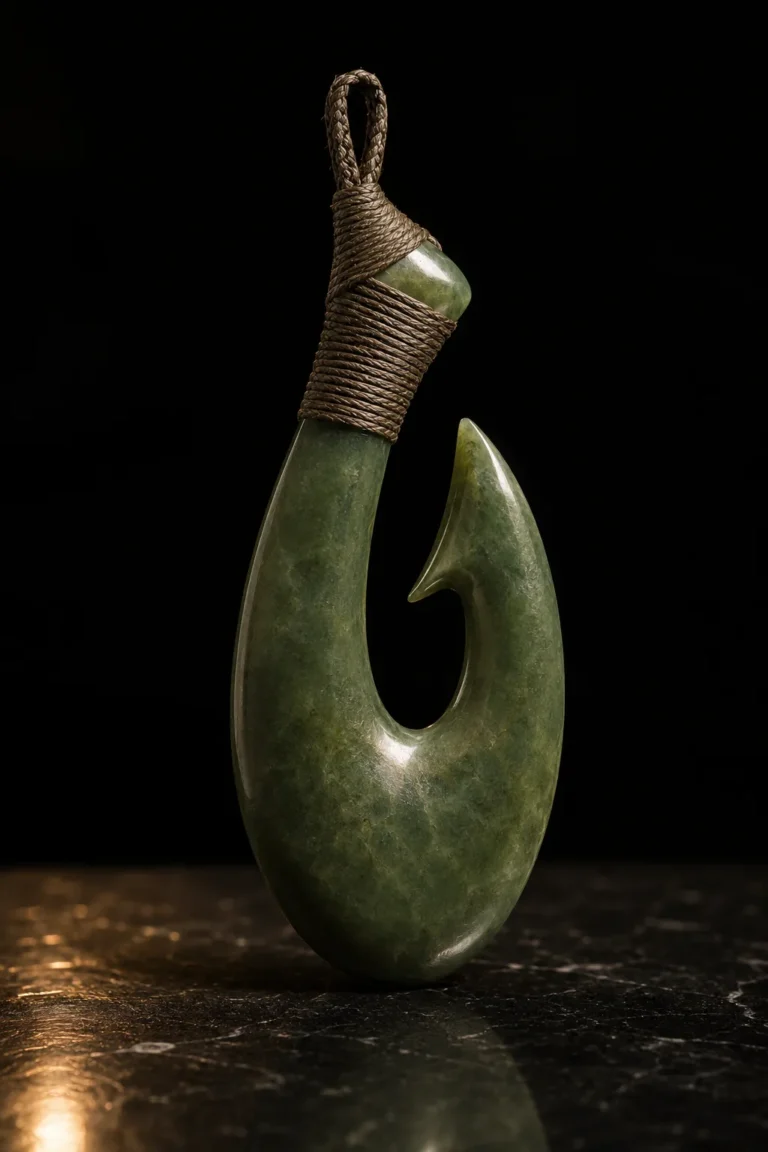
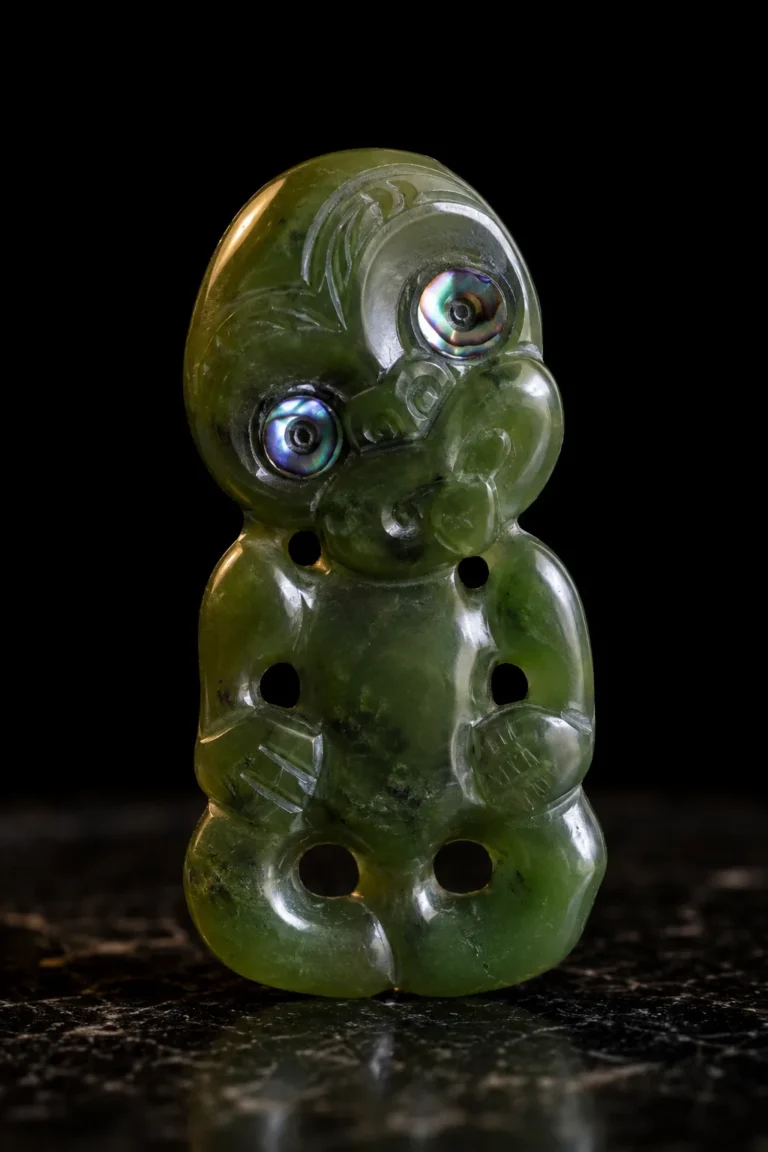
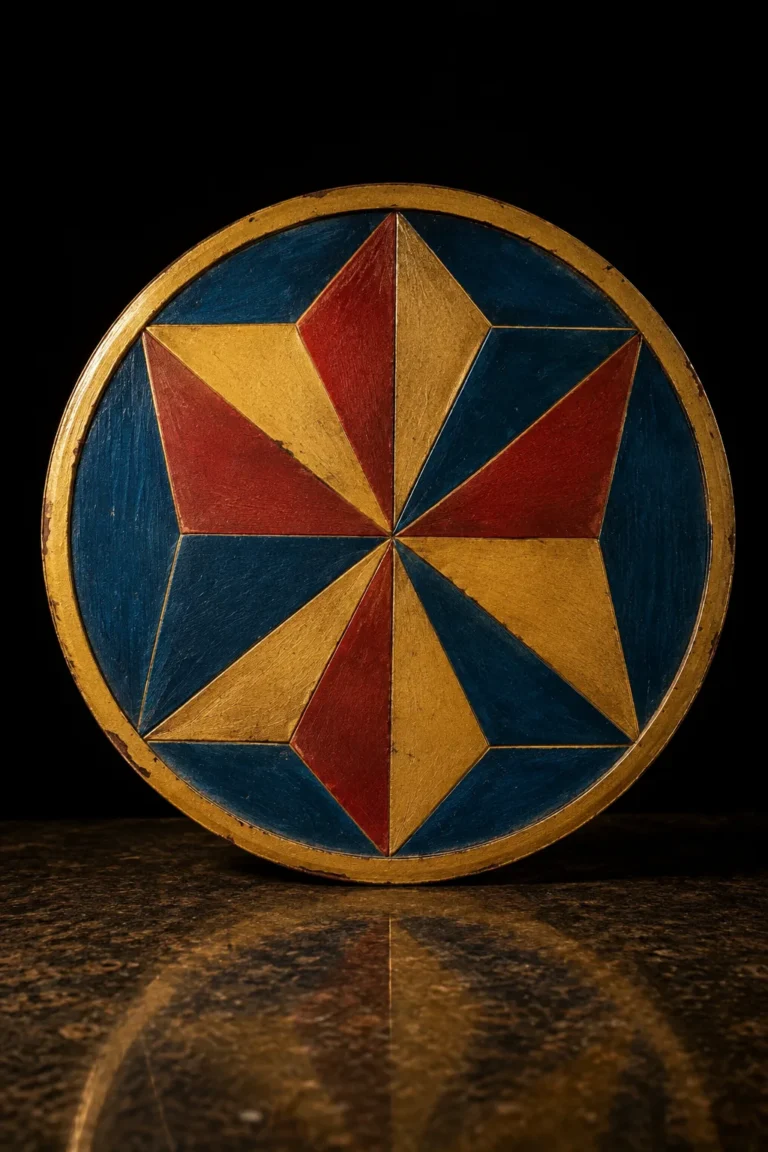
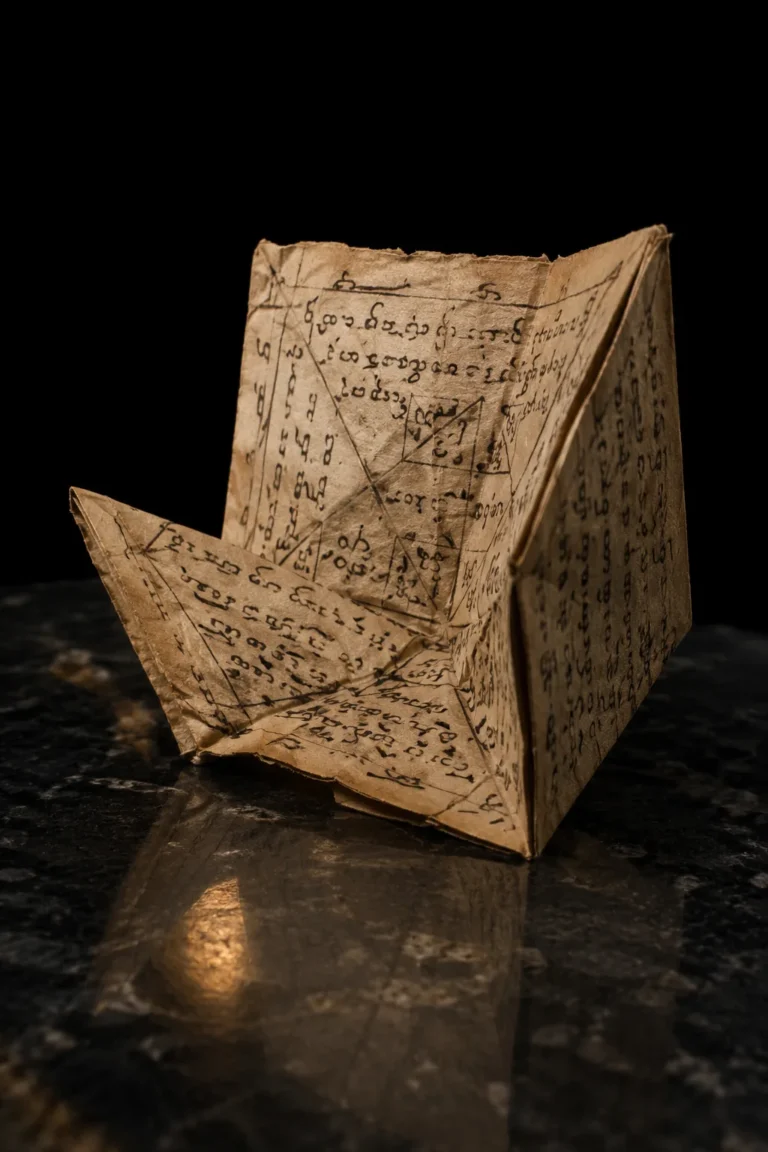
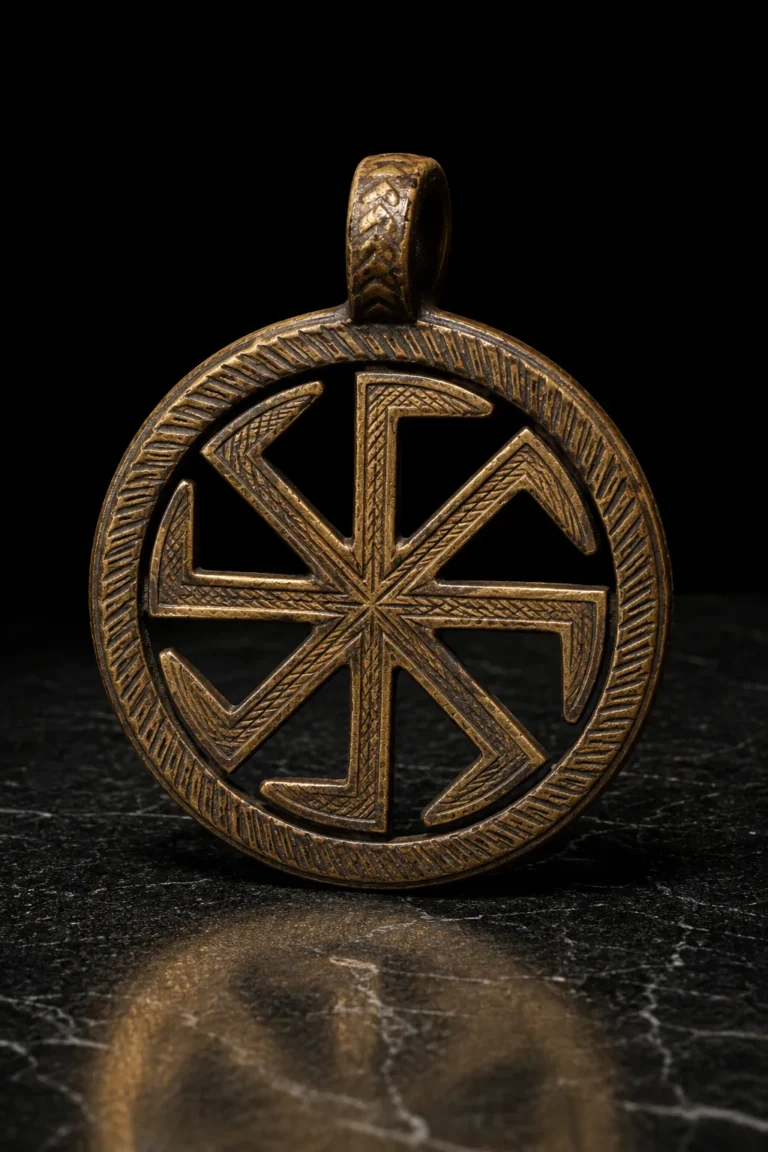
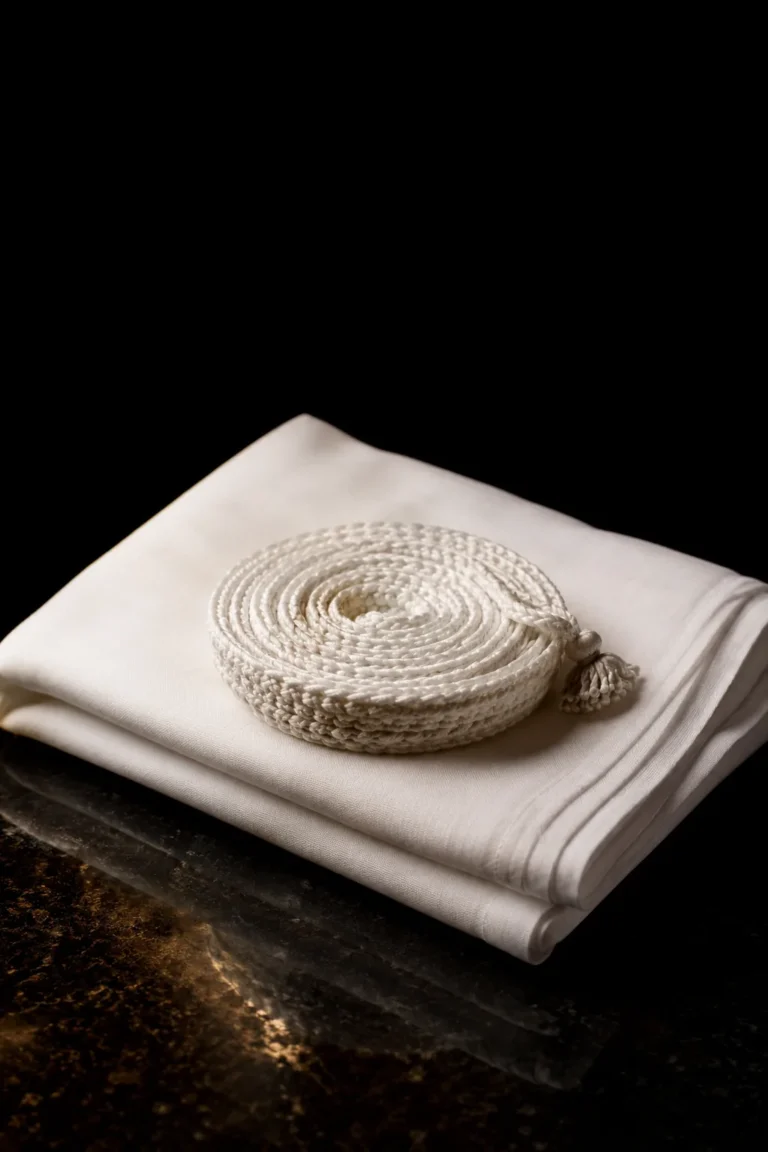
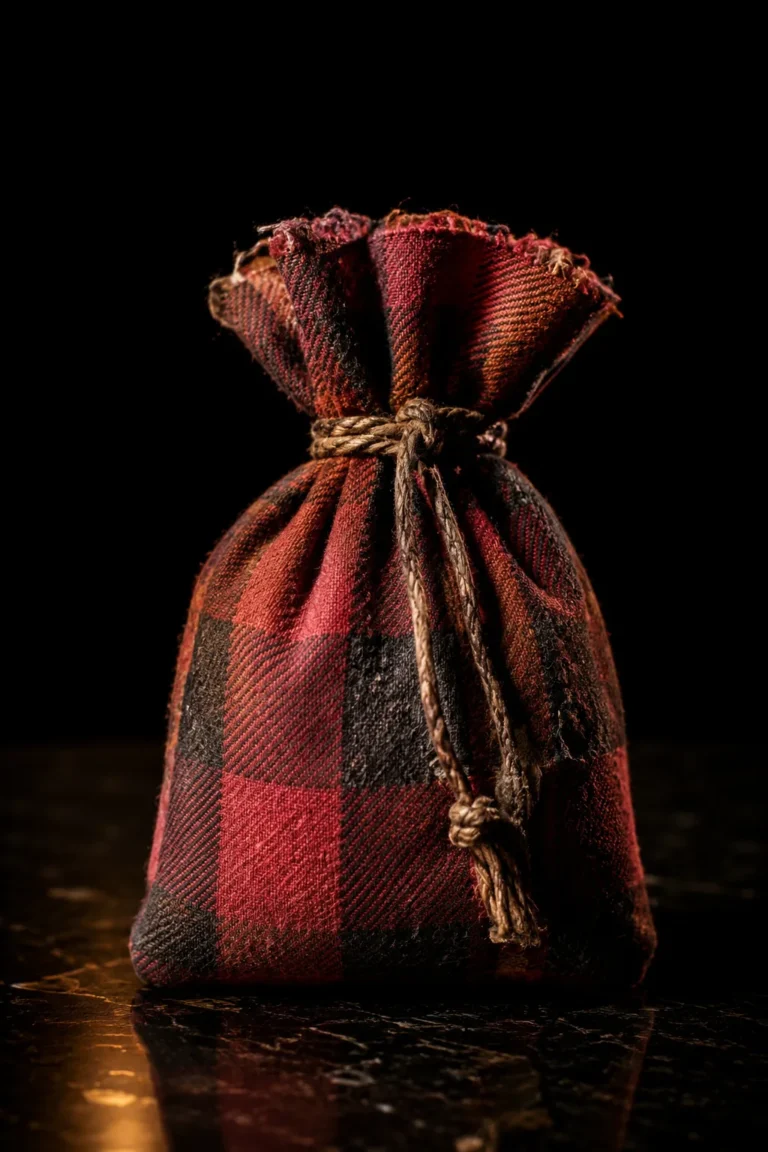
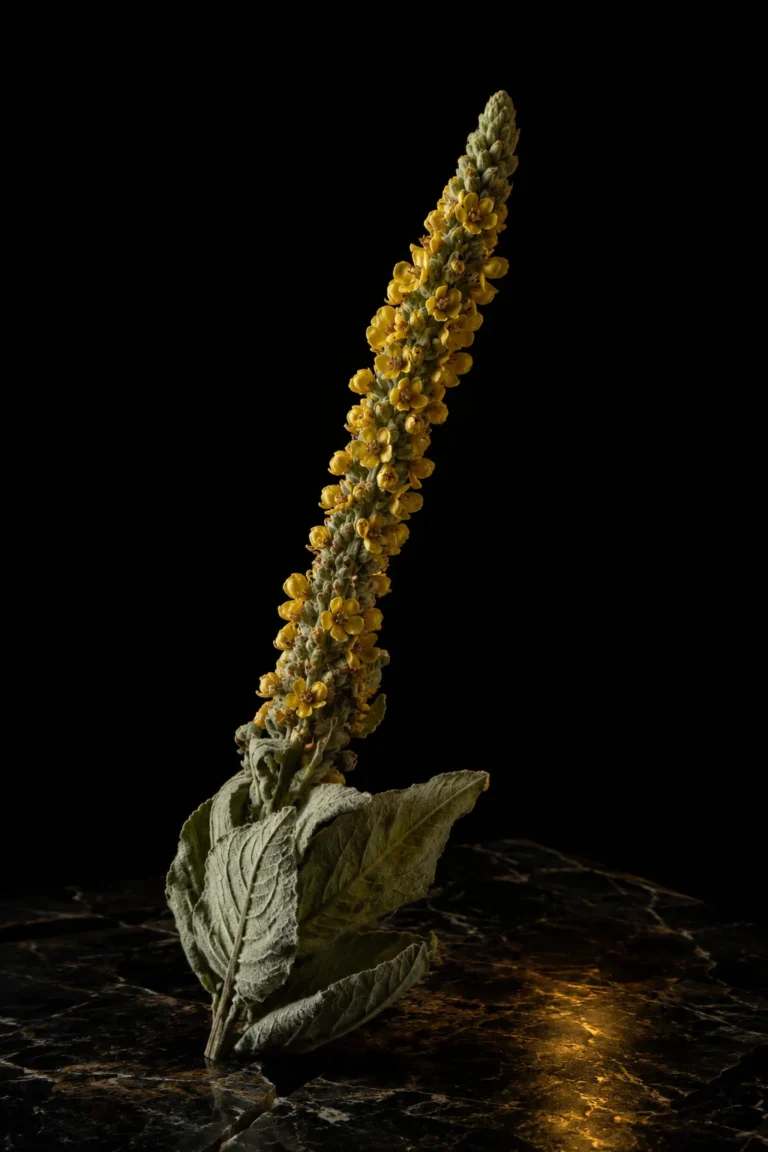
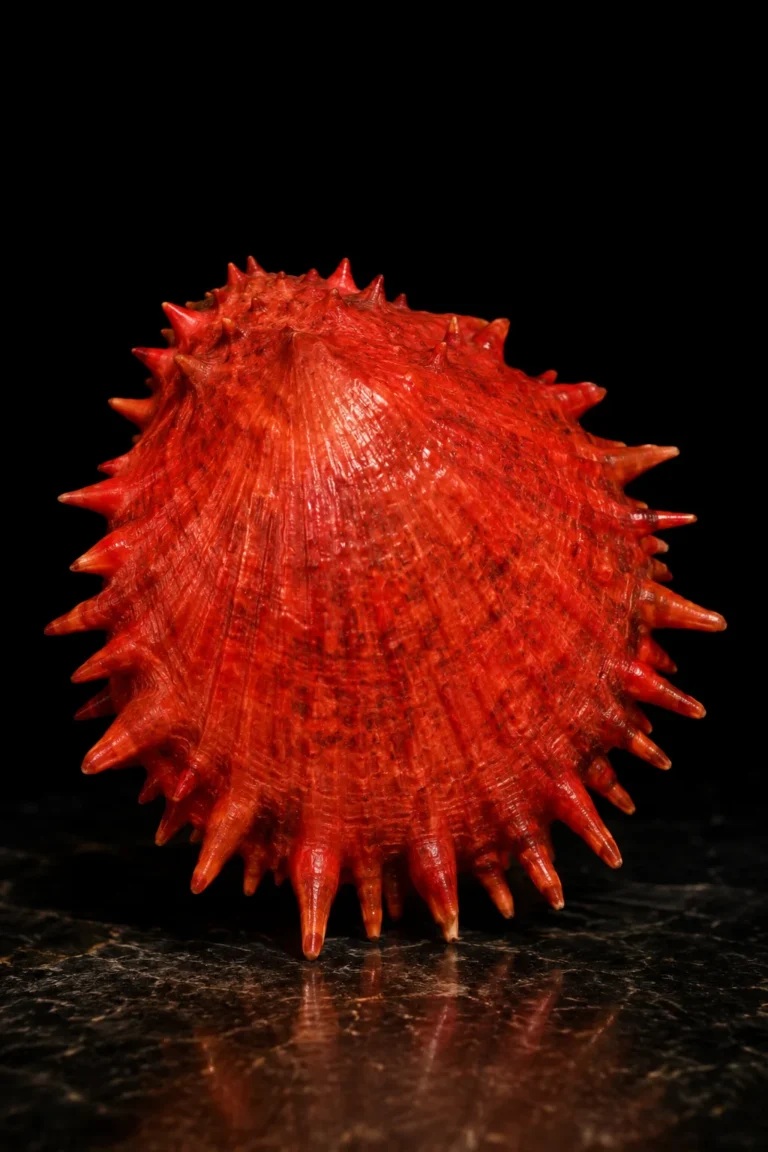
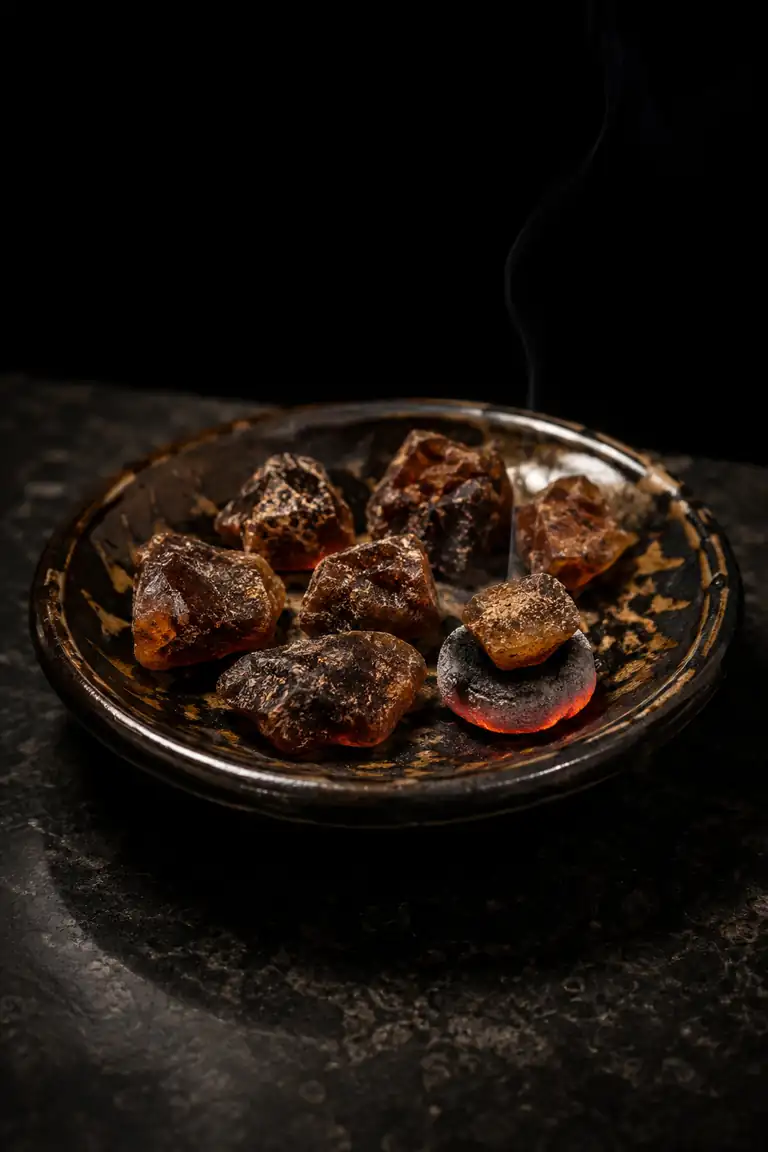
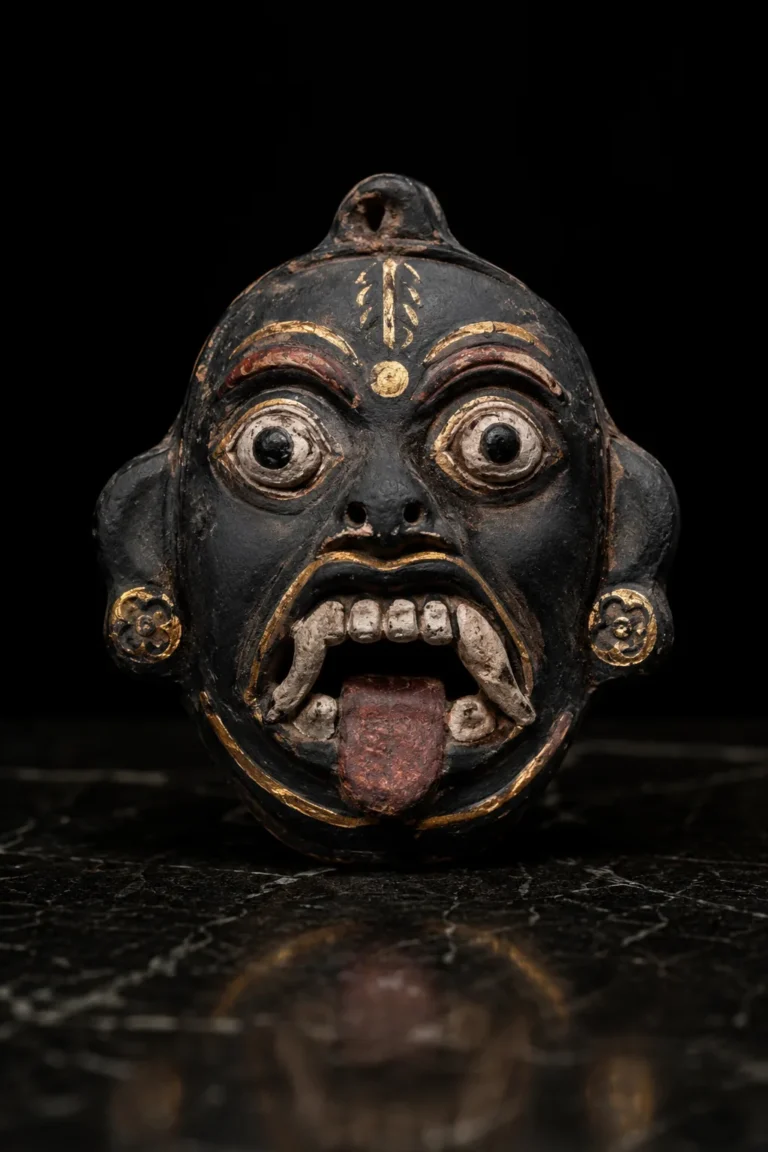
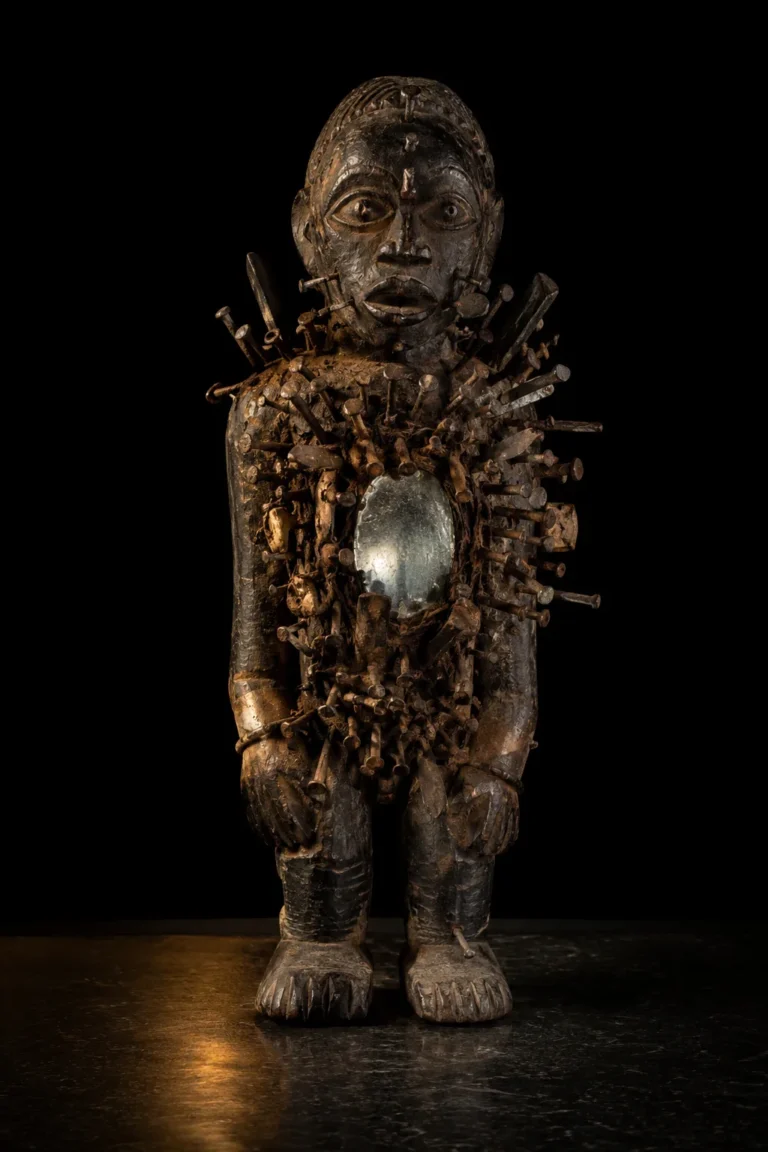
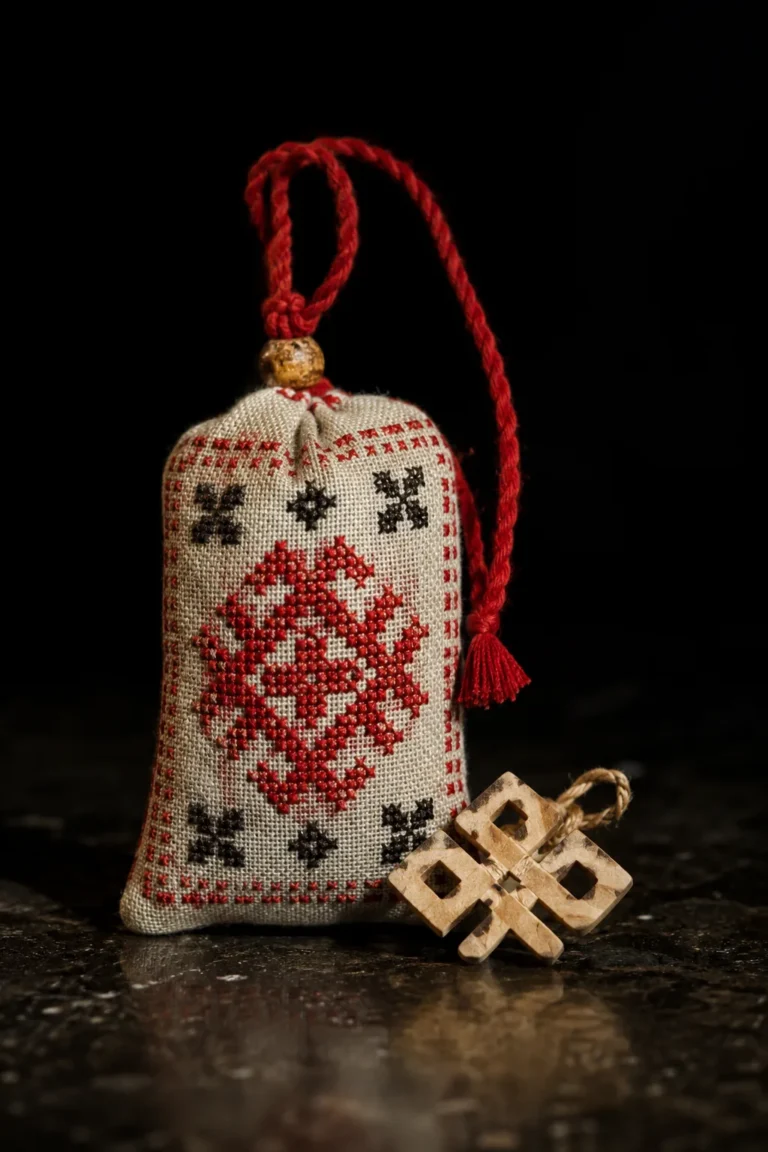

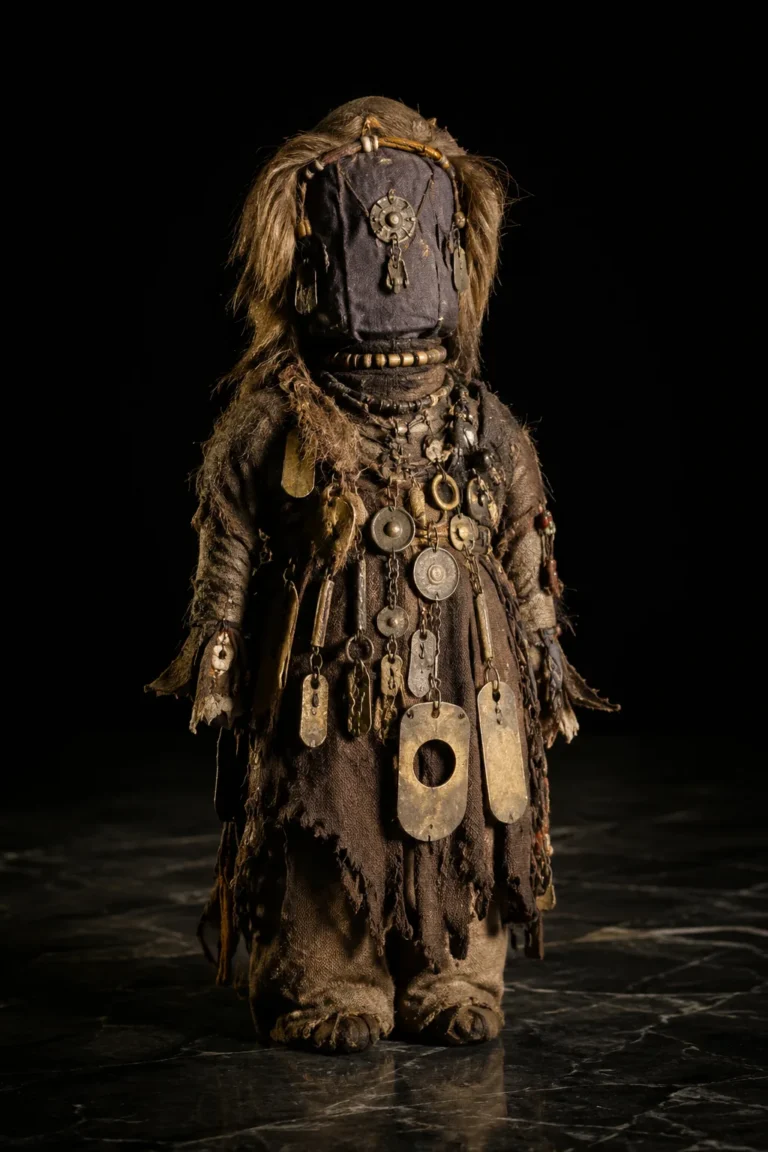

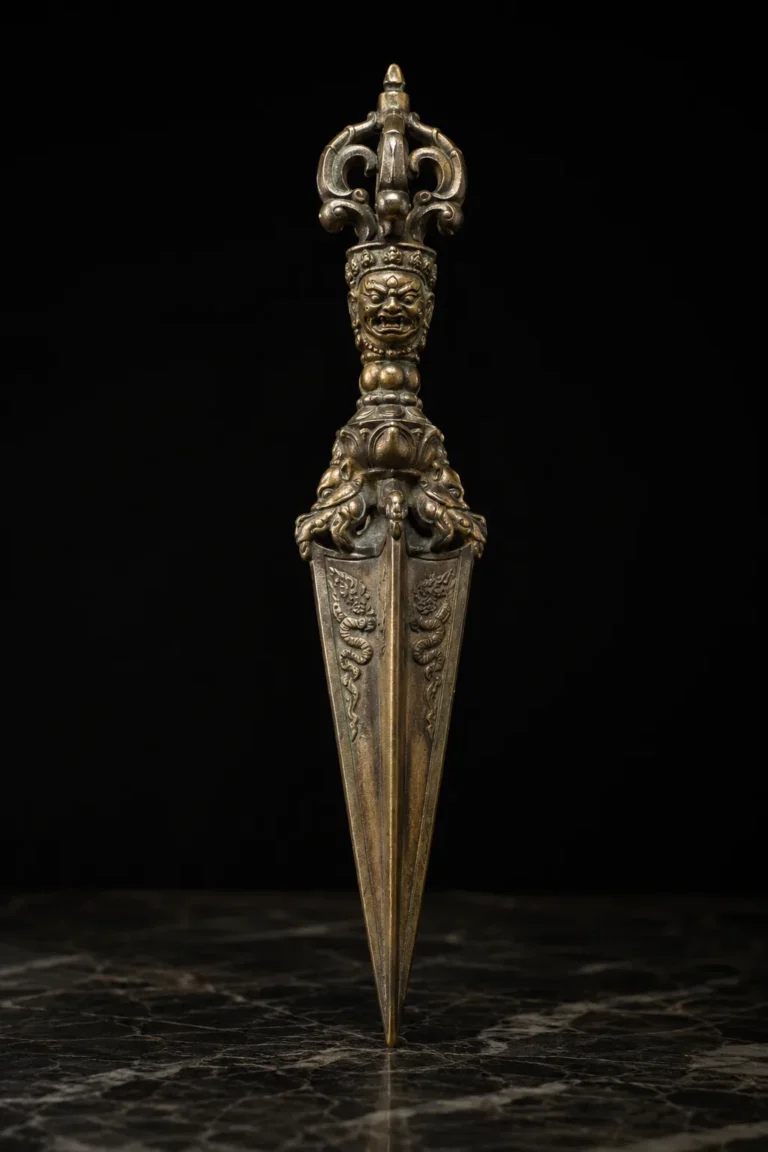
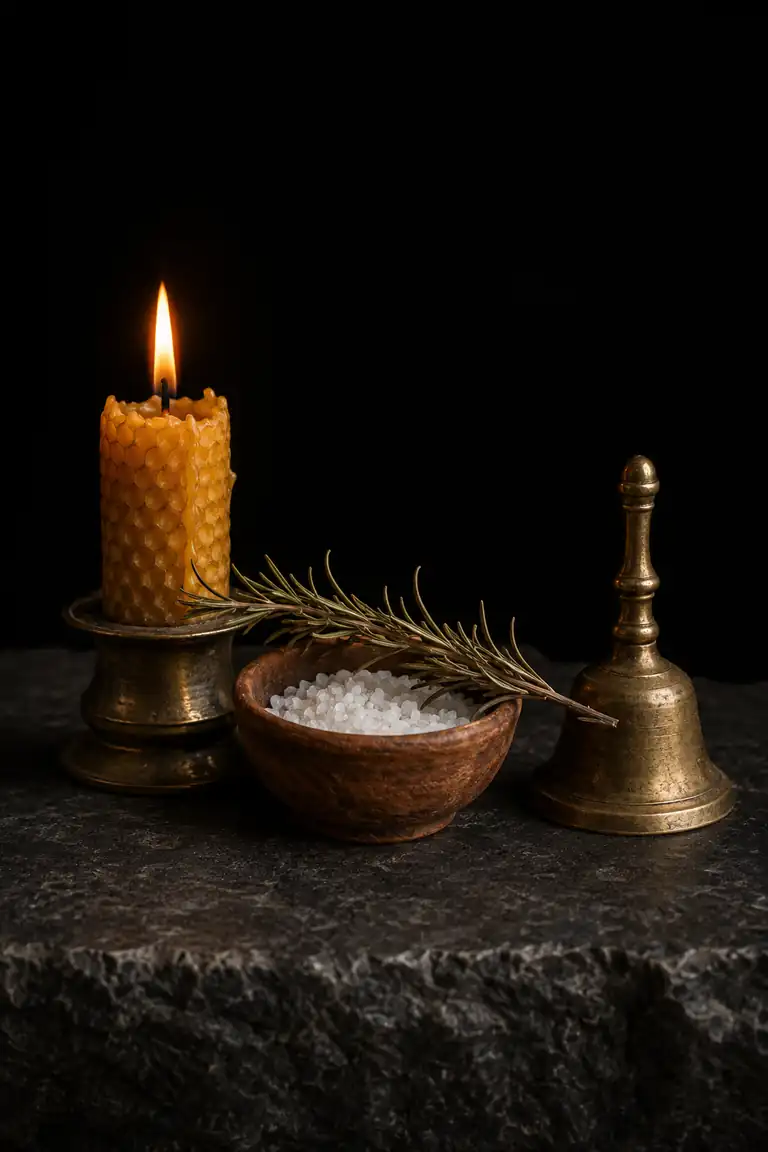
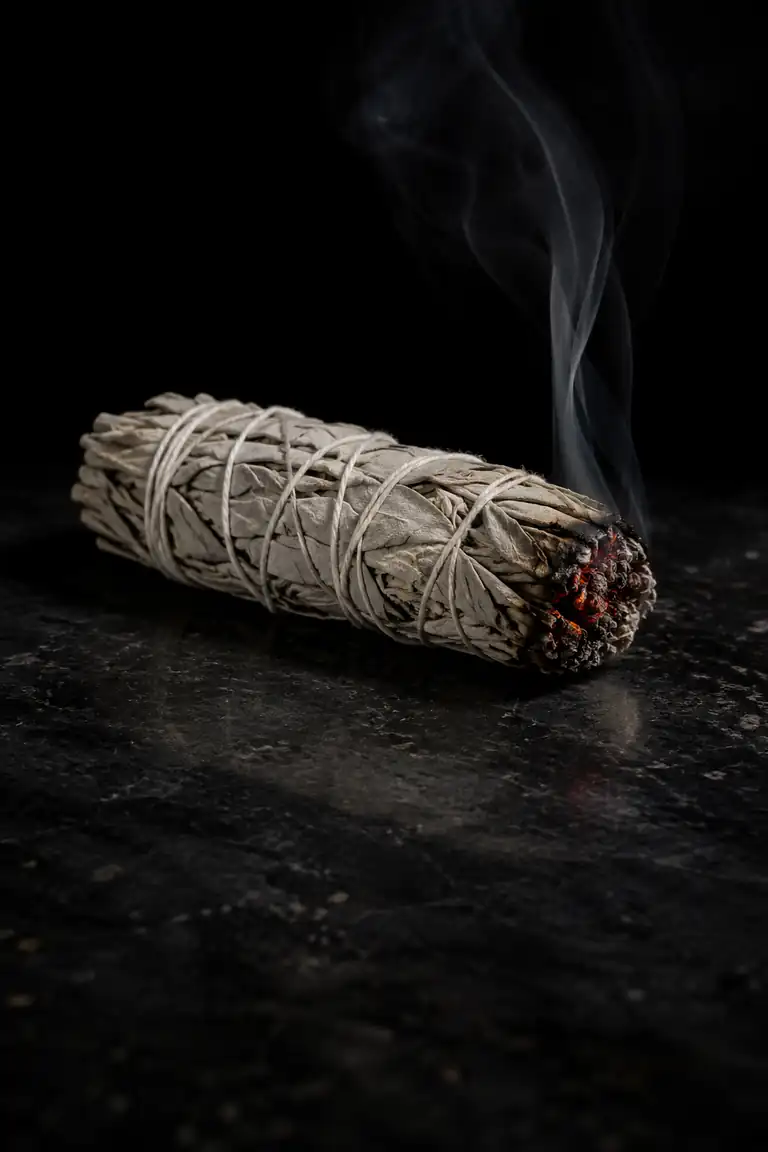
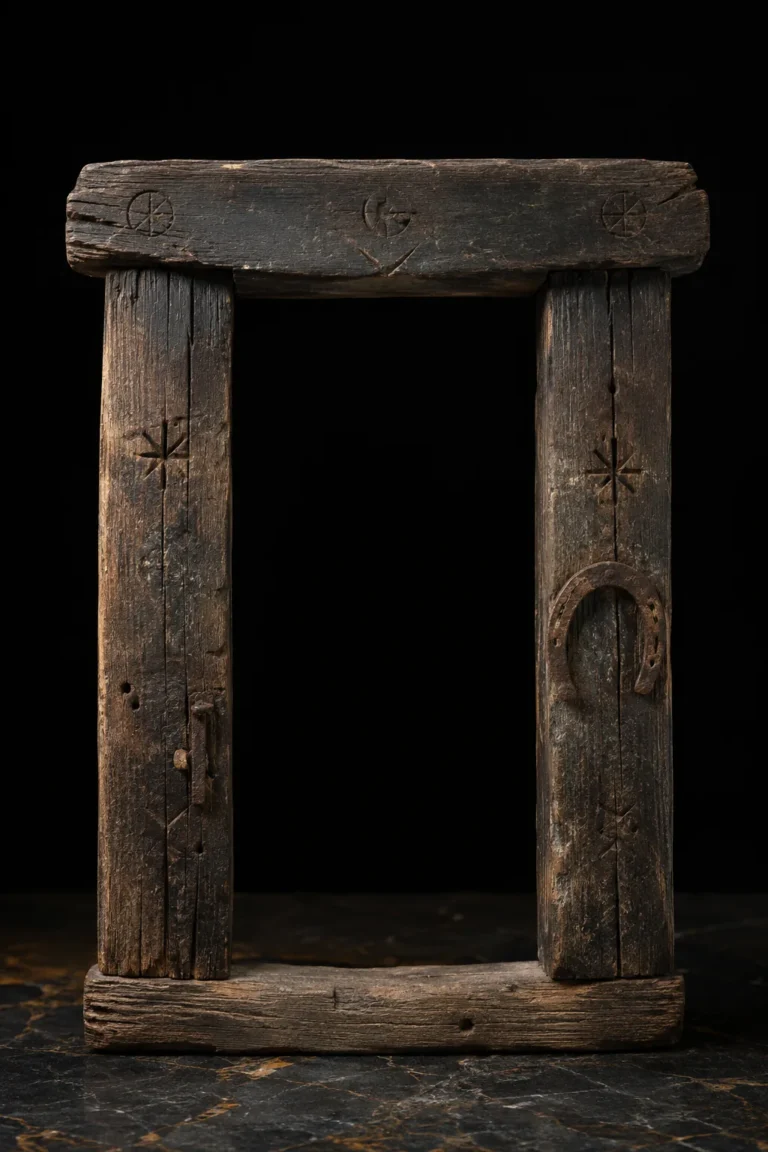
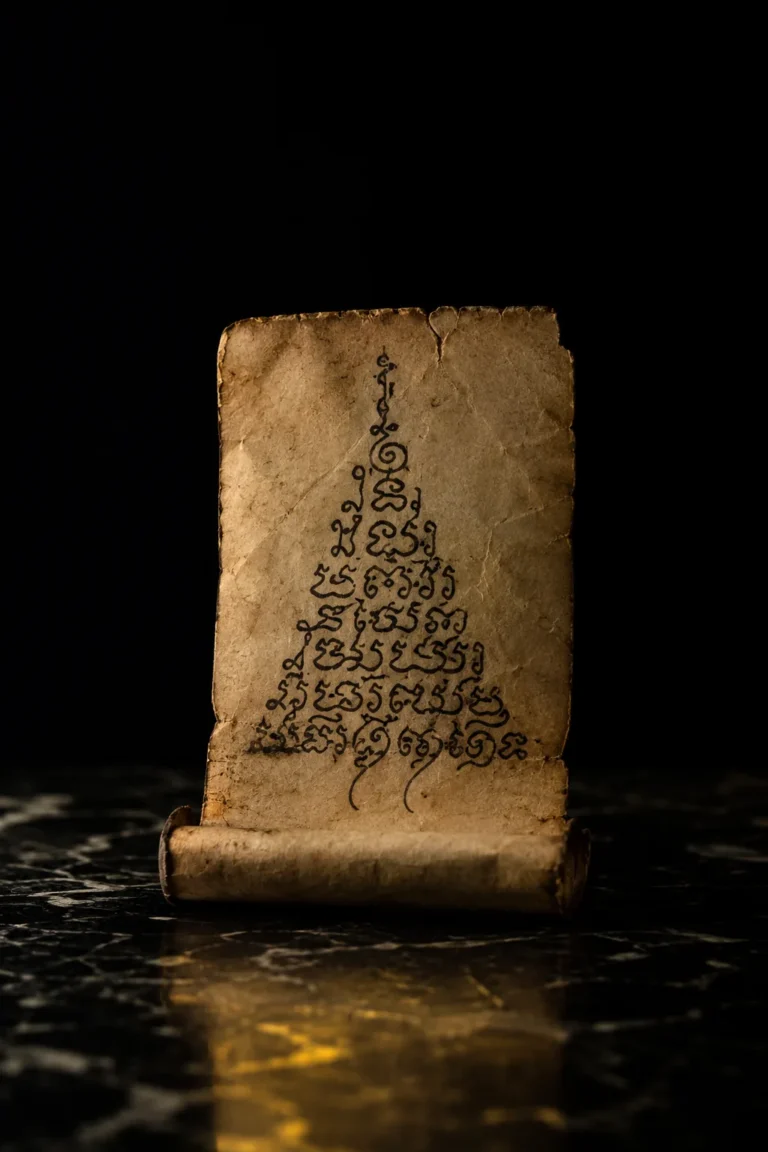
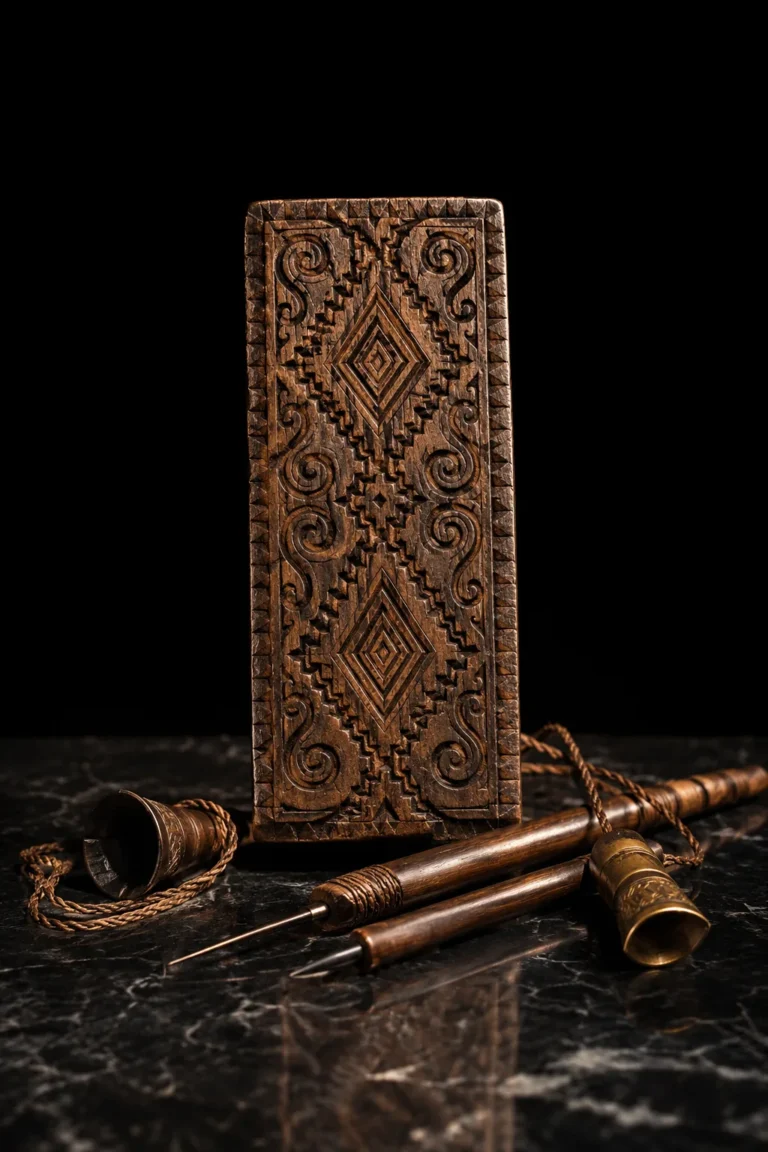
Not every protective means is an object: many traditions know recurring actions, such as smoke cleansing, charm-speaking, threshold and house protection rituals, or the invocation of protective powers. Such practices protect through their performance, often at particular places or at particular times.
Related Protective Items

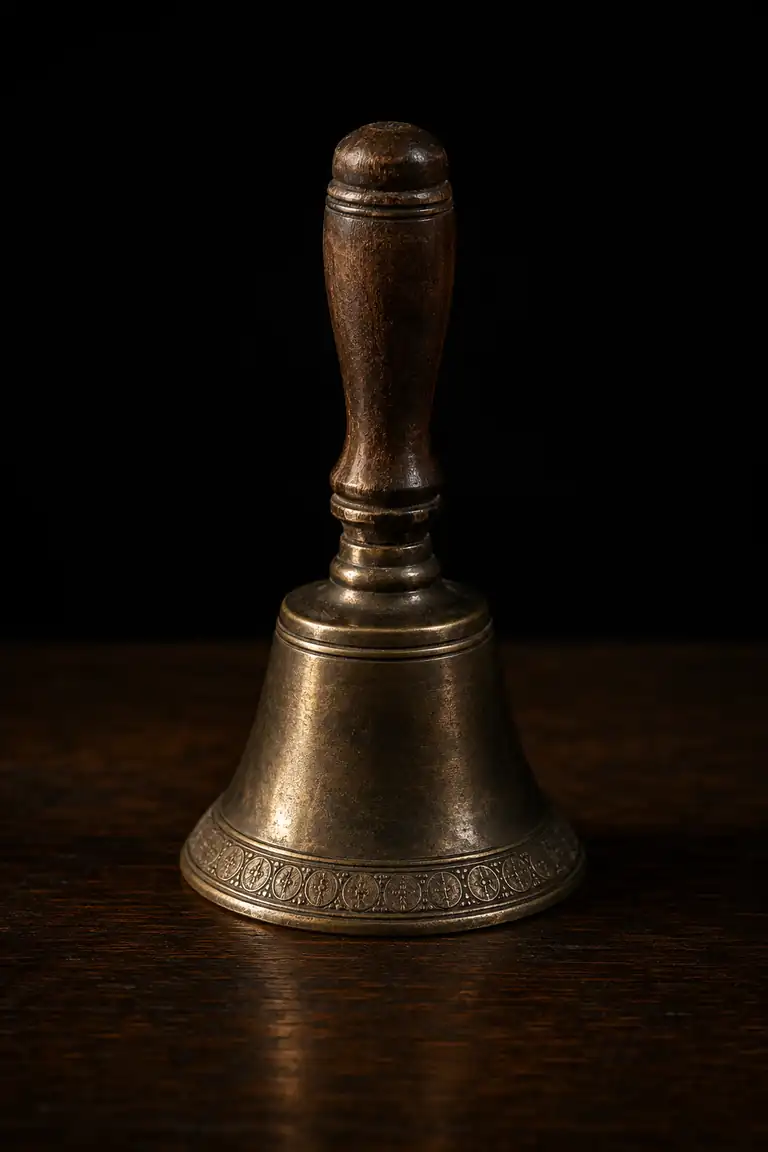
Bells and chimes as noise-making protection: why sound was directed against harmful influences, w...

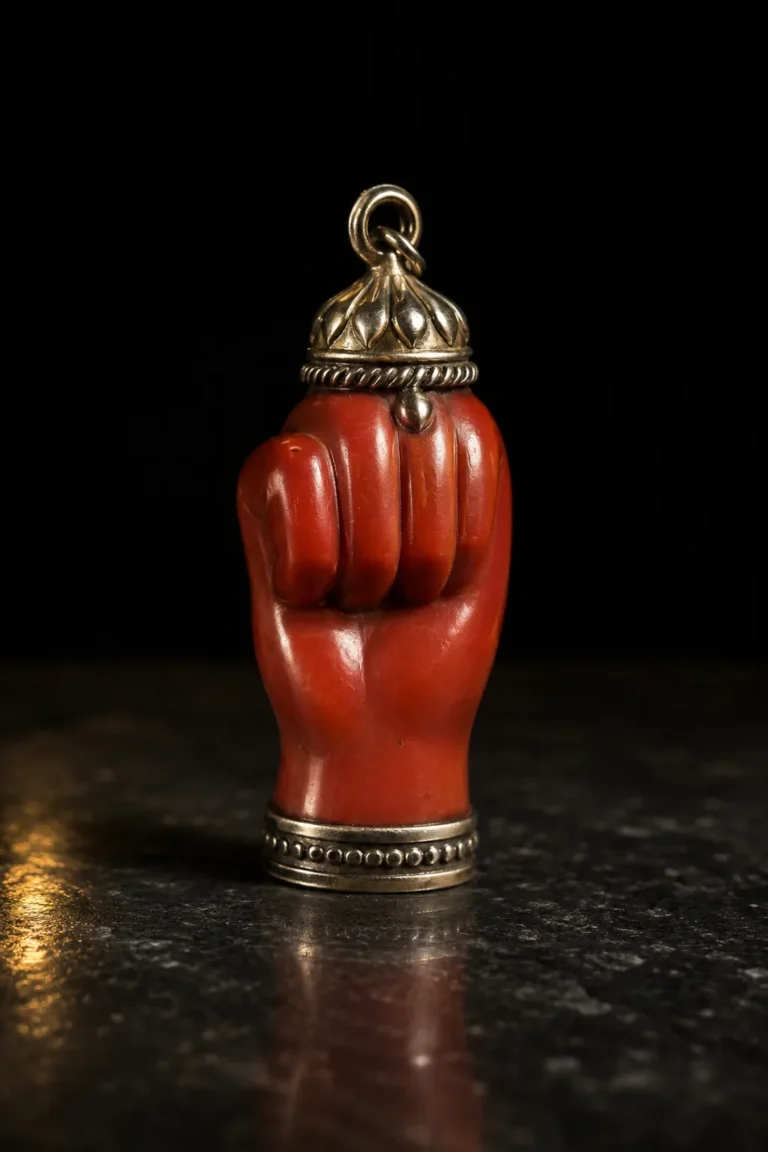
Mano fico is the fig-hand amulet, a fist with the thumb thrust through, used against the evil eye...

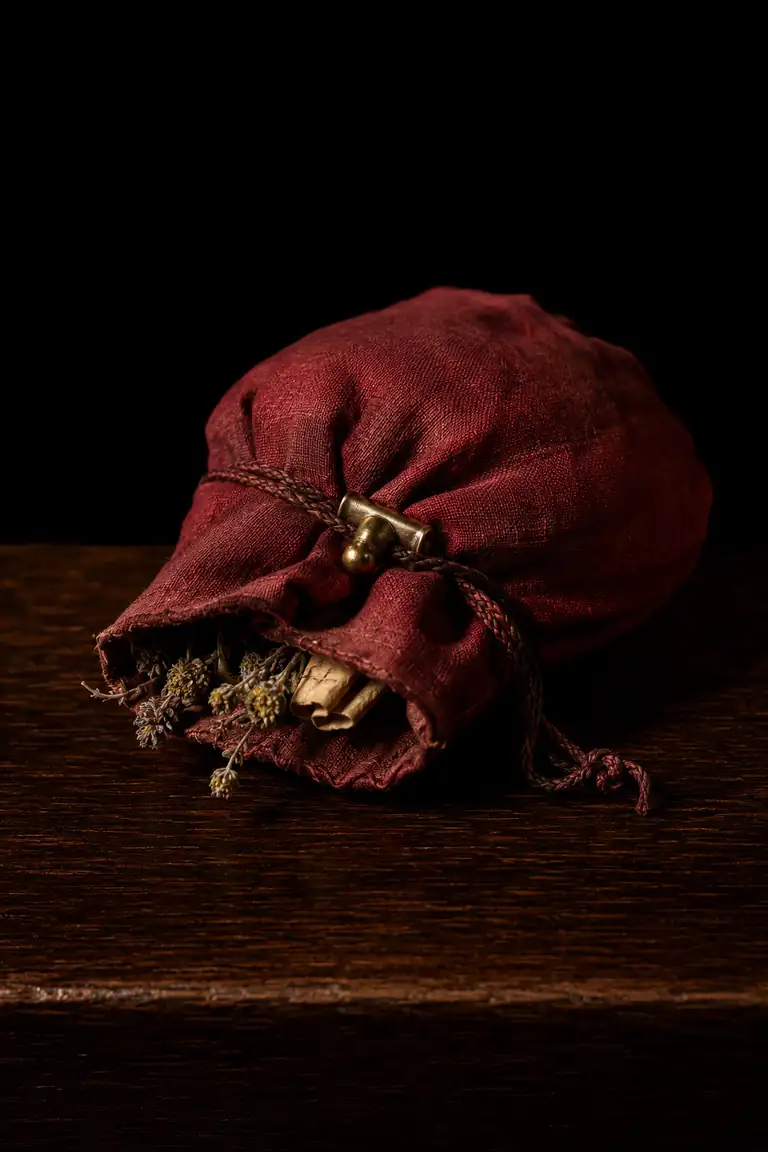
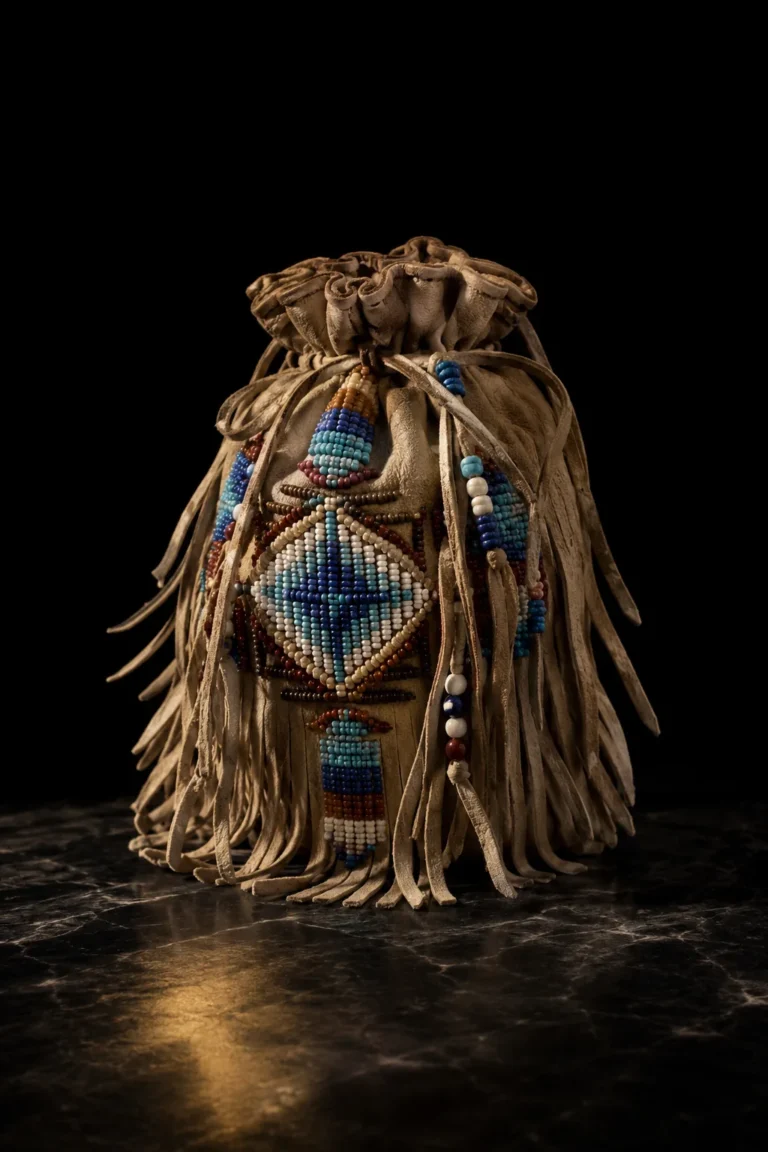
The mojo bag is the protective pouch of the North American Hoodoo tradition. Origin, structure an...

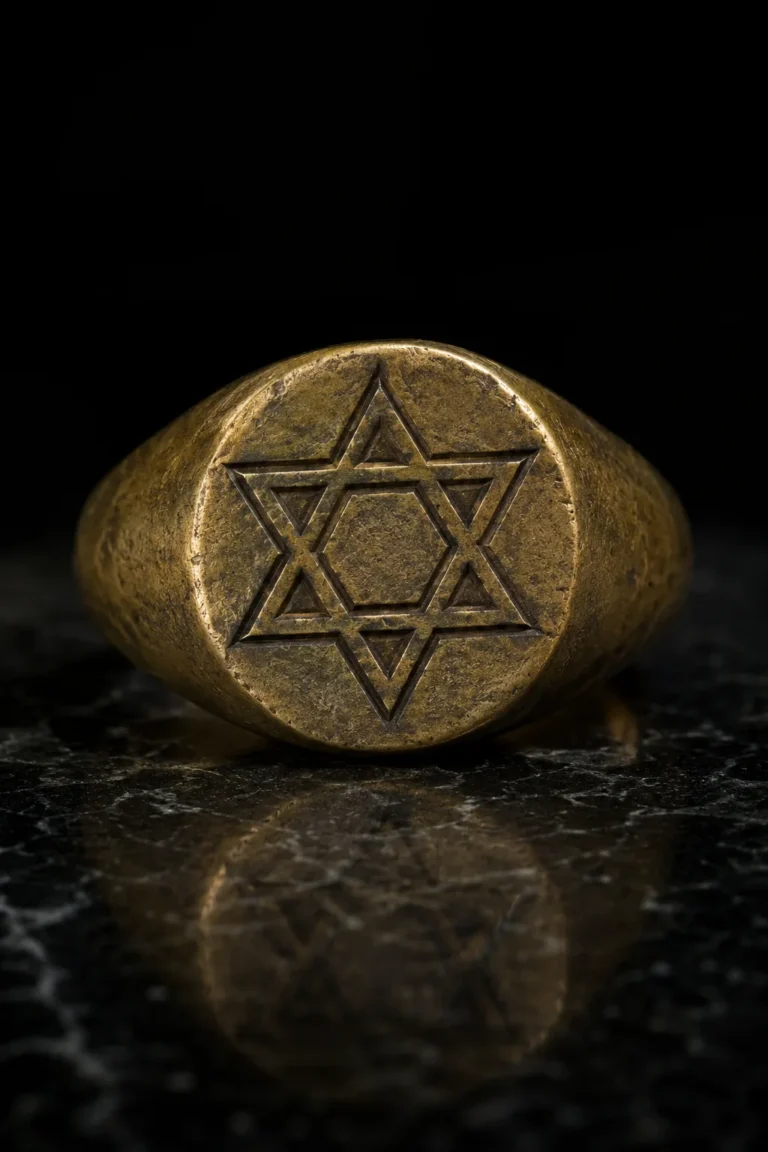
The Seal of Solomon is a protective sign with which, according to legend, King Solomon commanded ...

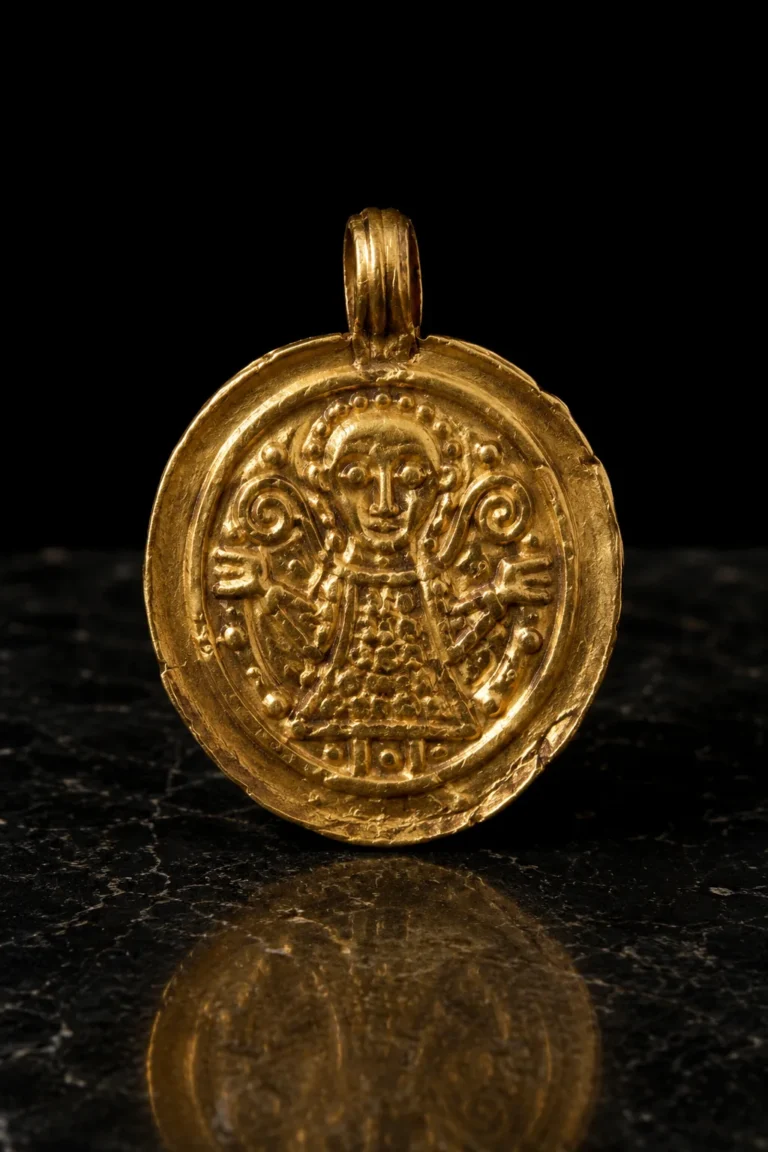
Bracteates were golden pendants of the Migration Period bearing protective images and runes. Thei...

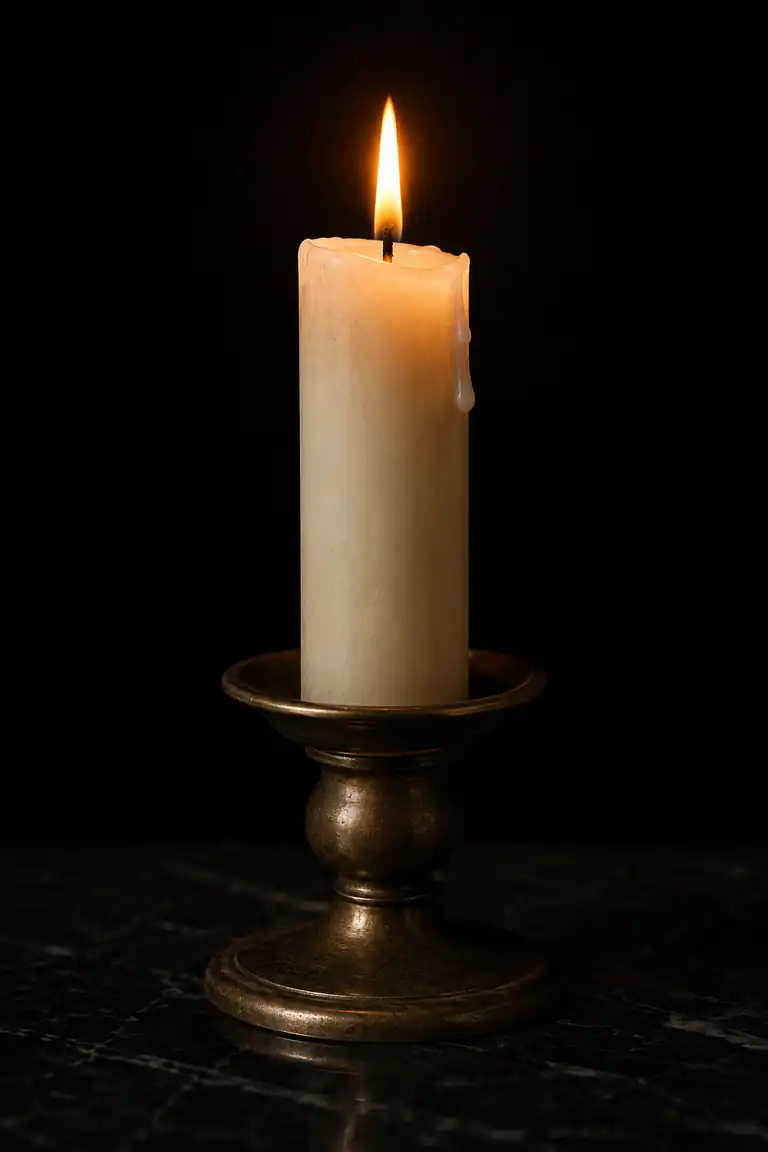
The protective candle in tradition: origin, working principle and cross-cultural use of the candl...