Fleabane – Protection against beschreien and counter-magic
By Ralf Ittermann · last reviewed on
Fleabane is the collective name for several plants to which folk belief attributes a special power against so-called beschreien and berufen: a form of the evil eye in which excessive praise or admiration, usually of children or young animals, was considered dangerous. The main plant in this group is blue fleabane (Erigeron acris), though larkspur species, popularly called consolida herb, are also recorded in the same role.
The countermeasure was as concrete as the presumed harm: herbs were placed in the cradle, added to the child’s bathwater or tied to the stable door to break the effect of the beschreien, the so-called counter-magic.
In folk belief, fleabane is used against beschreien and as counter-magic.
Quick Overview
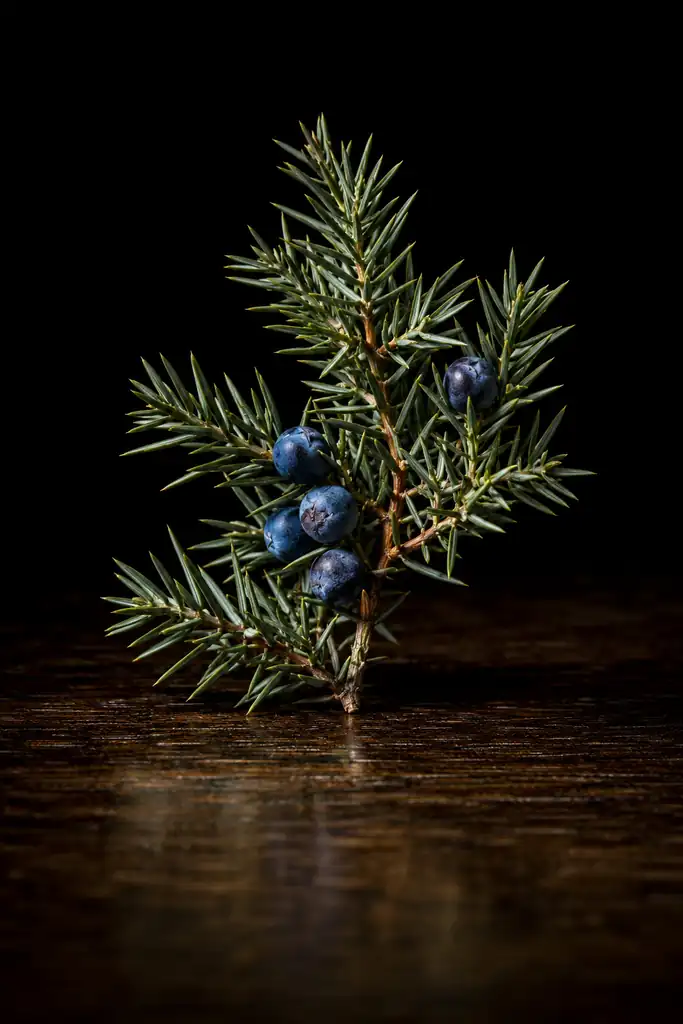
Folkloristic tradition uses the terms fleabane or beschreien-herb for a group of plants whose names refer directly to their protective function: they were meant to work against ‘berufen’ and ‘beschreien’. Alongside blue fleabane, these include toadflax, betony, vervain, thyme, as well as sprigs of juniper and mugwort.
What these plants have in common is their role in protecting children and young livestock, who were considered especially susceptible to the evil eye.
Origin and Tradition
In older German usage, ‘berufen’ denoted the idea that misfortune could be brought about simply by voicing an expectation, for instance when someone effusively praised a child’s health only for the child to fall ill shortly afterwards. ‘Beschreien’, closely related, referred to the harmful effect of an admiring look or a loud exclamation, related to the more general belief in the evil eye.
Children in the cradle and young livestock were considered especially at risk because they could not protect themselves. For this reason, fleabane was placed in the cradle, pushed under the pillow, or given to the child in the form of a herbal bath if it was suspected that beschreien had already occurred. Attached to the stable door, the same herb was meant to protect calves and foals from the same danger.
The Handwörterbuch des deutschen Aberglaubens records numerous regional variants of berufen- and beschreien-herbs, pointing to a practice widespread throughout the German-speaking world.
Operating Principle According to Tradition
The working principle of fleabane rests on the idea of counter-magic: harm that has already occurred, the beschreien, is meant to be undone through a second act. Tradition often links the very name of the plant to its task: what is called upon (‘berufen’) is also meant to be revoked.
Fleabane is also applied preventively, but in tradition often acts in response to a specific occasion: as a reaction to suffering already experienced and attributed to beschreien, such as a baby’s persistent crying or a cow failing to give milk.
Cross-Cultural Distribution
Belief in the evil eye and the associated protective practices extends far beyond the German-speaking world, for instance in the Mediterranean region under the names malocchio or mati. The specific fleabane herbs of German tradition, above all blue fleabane, are by contrast used mainly in Central Europe.
What the various cultures share is the basic idea that children and young animals require special protection, and that harm caused by words or looks can be undone through targeted countermeasures.
What It Is Used Against
In tradition, fleabane is used specifically against beschreien and berufen, that is, against harm believed to arise from excessive praise, envious looks or thoughtless remarks about children and young livestock.
As counter-magic, it is also applied to complaints already present and attributed to the evil eye, such as a child’s persistent unease with no discernible cause. The Protection Compass classifies fleabane among the herbs against the evil eye.
Application and Limits
Several forms of use are recorded: placing the herb in the cradle or under the child’s pillow, adding an infusion to bathwater, and hanging a bundle at the stable door. In some regions, the herb was also burned when beschreien was suspected, and the smoke wafted over the affected child or animal.
Tradition itself sets limits: fleabane was regarded as a response to suspected harm, not as proof of actual harm. It was understood as part of a broader protective practice that also included protective prayers and amulets, not as a replacement for them.
Literature (selection)
Related key terms: fleabane beschreien berufen evil eye child protection.
iWell Guard and Protective Traditions
The belief in warding off harmful stares shows how closely protection was linked with vulnerability in folk belief, especially for children who could not protect themselves. The wish to compensate for this defencelessness with a tangible means is the underlying idea that the iWell Guard also draws on.
Where a herb was once placed in the cradle, today a pendant carries the same basic idea of personal, portable protection into a contemporary form.
Personal experiences may vary. Not a medical device. No promise of healing.