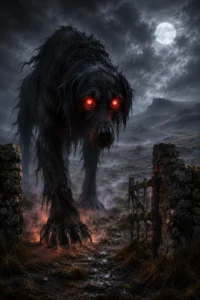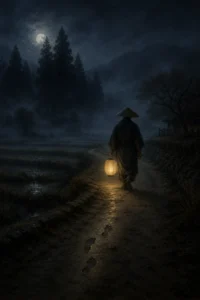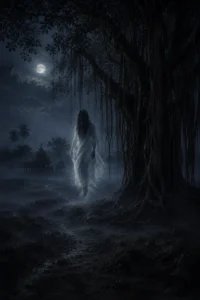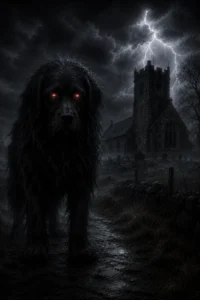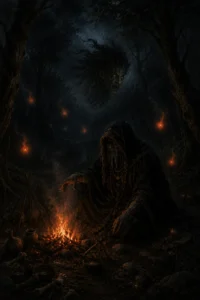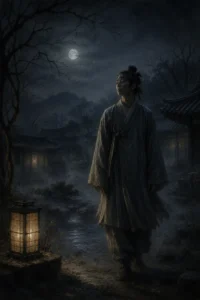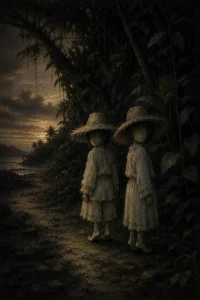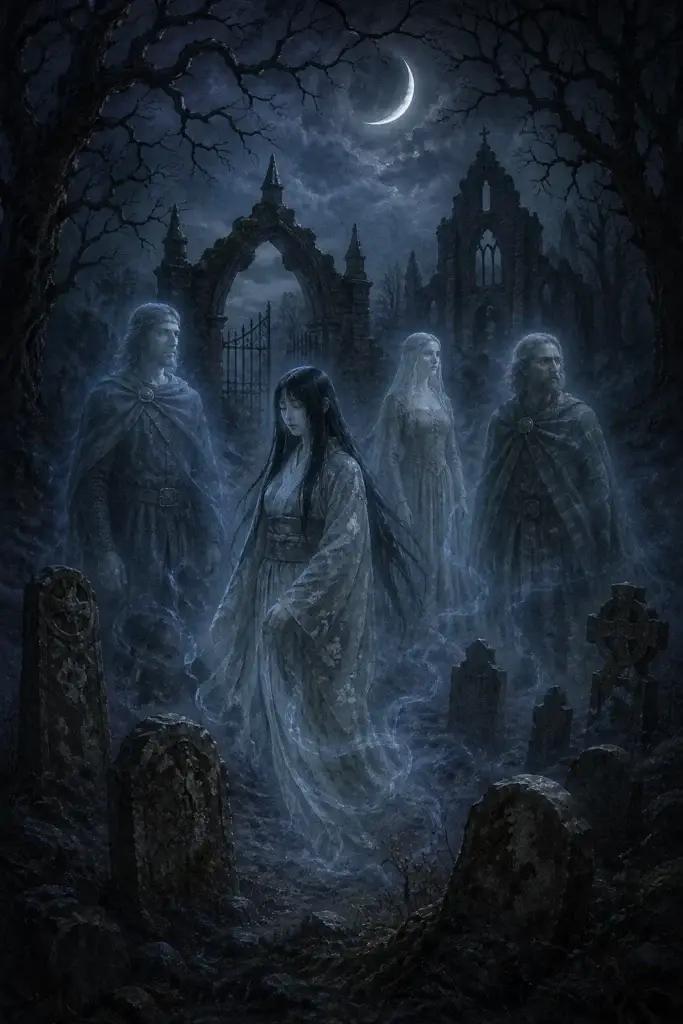
Spirits of the Dead, the Deceased as Beings Worldwide
Spirits of the deceased who did not take the regular path into the afterlife. Documented across cultures in Europe, Asia and the Near East.
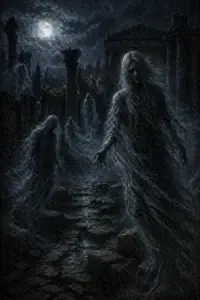
The deceased appear worldwide in numerous cultures as the spirits-of-the-dead class.
Table of Contents
Quick Overview (Definition List)
Type: Spirit Class: Spirits of the Dead Distribution: Cross-cultural (Asia, Europe, the Americas, Africa) Main characteristics: Human form, emotional entanglement, nocturnal activity, visibility Related sub-categories: Messengers of death, vengeful spirits, hauntings, night beings
Concept and Distinction
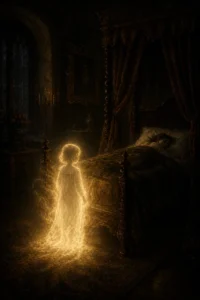
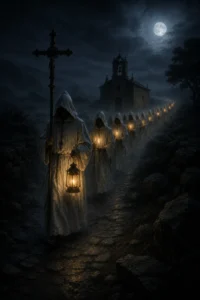
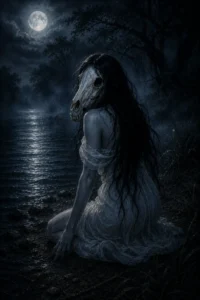
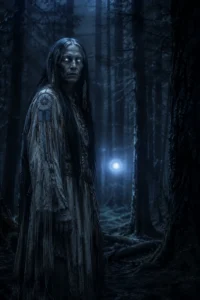
The term spirit of the dead differs from mere “ancestors” or invoked souls. While ancestors are regarded as protective beings who are consulted for advice or venerated, the spirit of the dead is a being that is “stuck”: it has found no peace and acts upon the living, usually unconsciously or out of desperation.
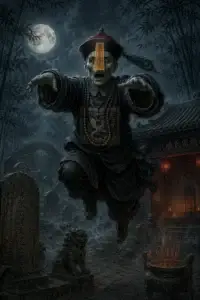
The Japanese Yuurei, the Slavic Upyr, the Norse Draugr and the Chinese Jiangshi are historically distinct categorizations of the same underlying phenomenon: a dead person who does not rest.
Classification
In the iWell Guard classification, spirits of the dead are the sub-class of spirits understood as spirits of the deceased. They differ from death deities (divine instances with a relation to the dead, such as Hades or Yama) and from messengers of death (a mediating function without a deceased status of their own).
The concept of the persisting spirit of the dead is one of the oldest in the history of religion and is attested in practically all developed cultures with their own designations, rituals and means of protection.
Cultural-Historical Examples
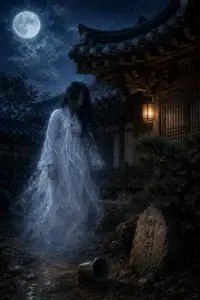
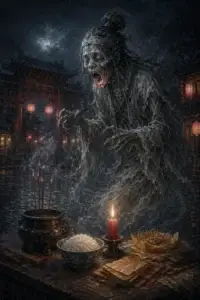
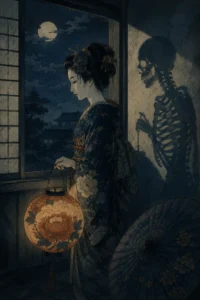
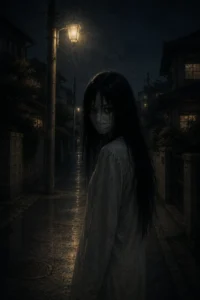
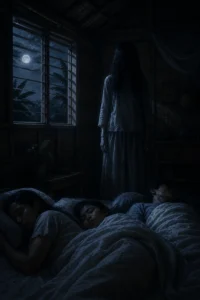
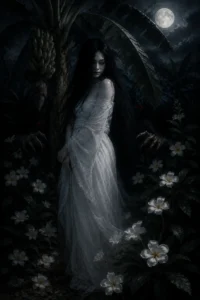
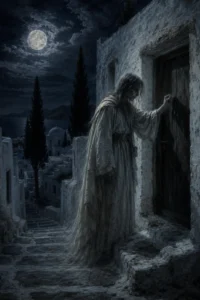
In Japan, the Yuurei manifests as a female or male figure, often in a white burial garment, with long black hair and a despairing expression: an archetype that lives on in Kabuki theatre and in modern horror films.
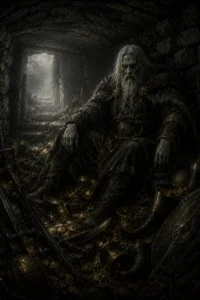
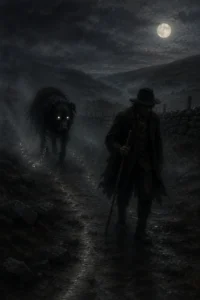
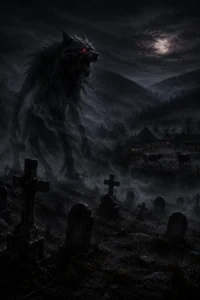
The Yuurei appears at night and seeks revenge for injustice or wishes to fulfil an unfinished love. The Northern European Draugr, by contrast, is a corpse-like wanderer who does not leave his burial-mound realm and guards treasures or attacks travellers: a spirit of the dead with physical substance.
In Tang-dynasty China, the Jiangshi was a bloated corpse that was “activated” through magical errors or evil intent and killed without mercy. European folklore (Central and Eastern Europe) knows the Dybbuk, a spirit that enters a living person and inhabits their body, a variant of the spirit-of-the-dead concept with psychological intensity.
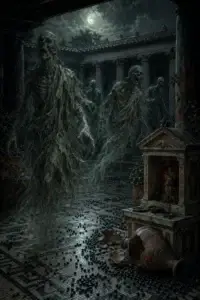
In Mesopotamia and ancient Egypt, spirits of the dead were tamed through burial rituals; whoever denied these risked being haunted by an Edimmu.
Examples from Various Traditions
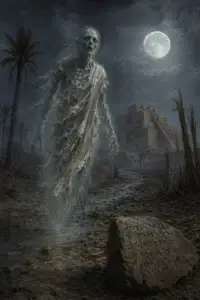
The Egyptian tradition knows the Ba and the Ka as aspects of the deceased self that continue to exist after death and require ritual care (Book of the Dead, mortuary temple).
The Mesopotamian tradition speaks of Etemmu or Edimmu as spirits of the deceased who can become dangerous to the living without a proper burial.
The Greek tradition knows the Eidola and Psyche as shades of the dead in the underworld; ritual treatment takes place in the Choe offering rites and at the Athenian Anthesteria festival.
The Japanese tradition knows Yuurei as spirits of the deceased with unfinished business; the Korean Cheonyeo-gwishin is the spirit of a woman who died unmarried. The Slavic tradition knows Drekavac and similar figures as spirits of children who died unbaptized.
State of the Sources
Spirits of the dead are consistently documented in written sources: Japanese Noh and Kabuki texts (from the 15th century), Slavic collections of legends (19th-century Romanticism), Chinese classical novellas (Liaozhai Zhiyi, 17th century), Scandinavian sagas (written down from the 12th/13th century, the tradition being older) and Jewish Kabbalah texts (Middle Ages).
The religious literature (Buddhism, Daoism, Christianity) treats spirits of the dead as a theological problem: how long did a soul linger between the worlds? Could it be redeemed?
Contemporary Significance / Related Beings
Spirits of the Dead in the iWell Guard Protective Field
Spirits of the dead fall under protective layers 2 and 3 of the iWell Guard mantra (see function overview). Attempts by spirits of the dead to influence the wearer or to draw energy from them are rejected by the protective shield.
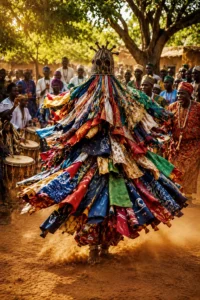
The iWell Guard position follows the religious-historical observation that not all spirits of the dead are hostile; many cultural traditions integrate them respectfully into daily life as ancestral spirits (Día de los Muertos, the Bon festival, the Feast of All Souls).
The protection is directed against harmful manifestations, not against the respectful remembrance of the deceased.
Further standard works in the literature index.
iWell Guard and Traditions of Protection
The concepts of spirits of the dead documented here are a religious-studies classification of cross-cultural conceptions.
iWell Guard ties into the millennia-old line of wearable protective objects, from Pazuzu pendants in Mesopotamia through the Hamsa and evil-eye amulets in the Mediterranean region to the Mezuzah on Jewish doorposts and Christian protective medallions.
A contemporary form of this, made in Germany, with a clearly documented material architecture (41 layers, solid gold, platinum, silver). 30-day right of return.
Not a medical device. No promise of healing. Personal perceptions may vary.
Spirits of the Dead at a Glance