La Planchada and service in starched white
By Ralf Ittermann · last reviewed on
La Planchada is a spirit of Mexican tradition.
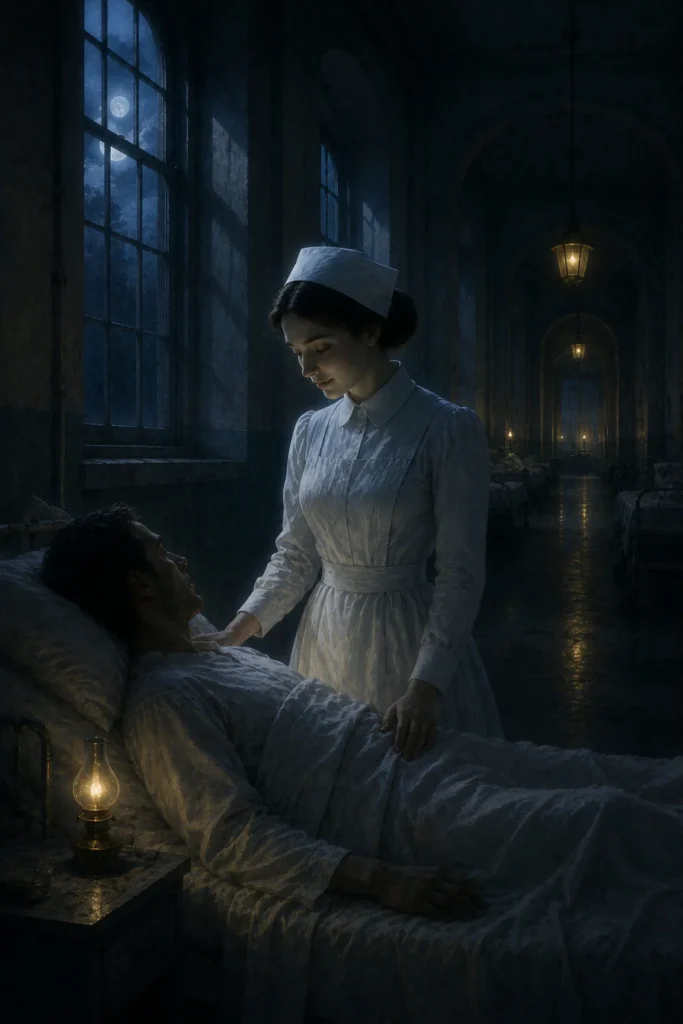
She cares for the sick in an immaculately starched white uniform.
La Planchada, the Ironed One, is the spirit of a nurse in an immaculately starched white uniform who appears in Mexican hospitals and tends to patients. Unlike most female spirits of the dead in Mexico, she is regarded mainly as a benevolent, comforting apparition.
The legend is a modern urban narrative of Mexican hospitals, with accounts dating from the 1930s, canonically located at the Hospital Juárez in Mexico City.
Type: Benevolent hospital spirit, modern urban legend
Origin: Mexican hospital folklore, accounts dating from the 1930s
Texts: sparse, popular sources
Period: 20th century to the present
Appearance: nurse in an immaculately starched, crease-free white uniform
Source context
Period of the Texts
20th century to the present: The accounts begin in the 1930s and continue to be passed on in Mexican hospitals to this day.
Area of Diffusion
Mexican hospitals, canonically the Hospital Juárez in Mexico City, from where it spread to other clinics across the country.
Sources
Sparse and popular: dedicated scholarly monographs are lacking, and the source material is considerably thinner than for La Llorona, resting on collections of legends and narrative archives.
Name and variants
Spanish: planchada means ironed or starched and describes her flawlessly smooth, immaculate uniform. La Planchada literally means the Ironed One.
Nature and effect
Appearance
La Planchada appears as a nurse in an immaculately starched, crease-free white uniform, usually in corridors and hospital rooms of Mexican clinics. A cool draft or footsteps in empty hallways are also reported to accompany her arrival.
Effect
She cares for the sick, administers medication and offers comfort. Sudden, unexplained recoveries of patients are described, with the staff responsible later denying they were in the room. Unlike most spirits of the dead, her effect is mainly benevolent, not harmful.
Profile: La Planchada
The key aspects of the ironed nurse at a glance.
Modern urban legend of Mexican hospital folklore, with no pre-colonial core.
Patients and medical staff in Mexican hospitals, to whom she provides care and comfort.
Nurse in an immaculately starched, crease-free white uniform, usually in corridors and hospital rooms.
Care, comfort and unexplained recovery of the sick; unlike other female spirits, mainly benevolent.
No defensive ritual is recorded, rather respect and gratitude; staff pass the story on at the bedside.
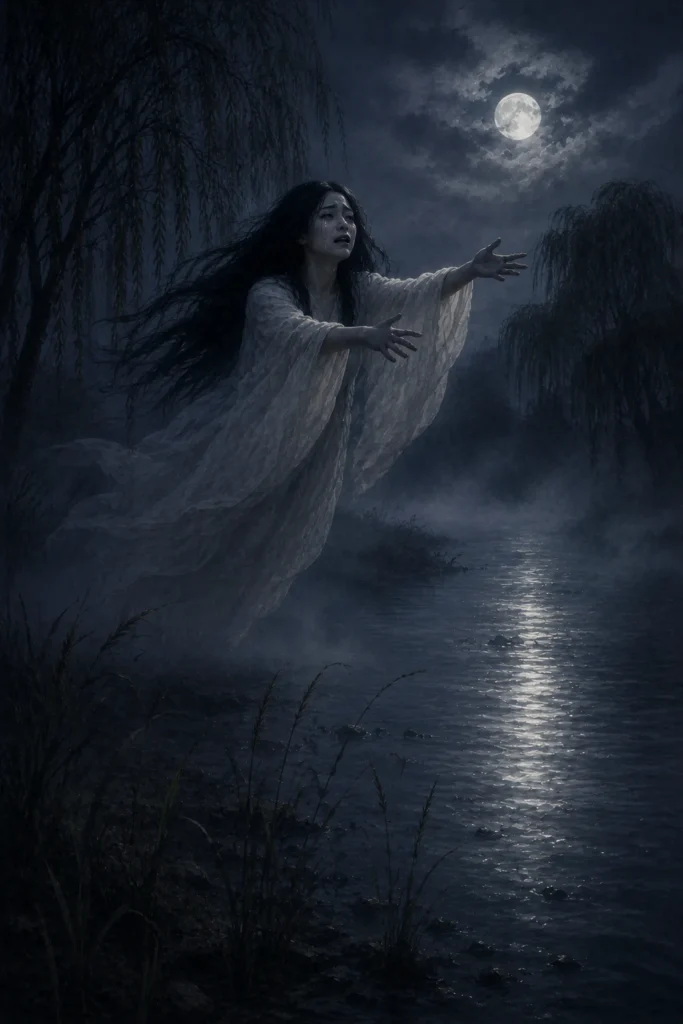
The weeping La Llorona as a counter-image among Mexico’s female spirits, along with the European White Lady as a helpful variant of the White Lady.
Heartbreak, medical error and penance in a smock
The name is Spanish: planchada means ironed or starched, after the flawlessly smooth uniform of the apparition. The core versions of the legend are inconsistently transmitted: often it is a nurse who falls in love with a doctor, dies of grief after a disappointment, and returns as a spirit to atone through continued nursing care. Other variants name a nurse whose treatment error cost a patient’s life.
As a modern institutional legend, La Planchada has no pre-colonial core and combines Catholic motifs of penance with the ideal of the self-sacrificing carer. The accounts begin in the 1930s and are canonically linked to the Hospital Juárez in Mexico City, from where the legend spread to other hospitals across the country.
Hospital folklore without the big screen
La Planchada is a fixture of Mexican hospital folklore and urban legend, present in legend collections, blogs and narrative formats. There is as yet no major film production comparable to that of La Llorona; the scholarly literature on her is considerably thinner, and reliable monographs are lacking.
From a religious-studies perspective, La Planchada is a modern urban legend with a Catholic theology of atonement, penance through continued service. She is at the same time an expression of collective institutional fear of hospitals and a figure of comfort in everyday clinical life.
Respect instead of defence
As a benevolent spirit, La Planchada rarely prompts protective practices, and no documented cult exists. The attitude towards her tends to be respectful and grateful, with staff passing the story on at the bedside. Where protection is mentioned at all, it involves general Christian signs: the light of a protective candle kept as a vigil at the bedside, blessed holy water as a sign in dealing with the apparition, and a worn amulet. No specific protective rituals directed against her have been recorded.
The comforting exception among Mexico's female spirits
La Planchada is related to the broad motif of the helpful or repentant hospital ghost, making her closest counterpart the European White Lady in her grey or white clinic variant. Unlike Mexico’s other female spirits, most notably the weeping La Llorona, she is primarily benevolent rather than harmful. As a posthumous apparition without malevolent magic, she is also related to the Philippine Multo, the spirit of a deceased person.
Frequently asked questions about La Planchada
Is she dangerous?
Generally not: she is regarded mainly as a benevolent caring spirit without malevolent magic.
Where does the name come from?
From her immaculately starched, ironed uniform, Spanish planchada.
Where does she appear?
In hospitals, canonically at the Hospital Juárez in Mexico City.
Further links
Further reading:
- La Llorona – the weeping counterpart among Mexico’s spirits of the dead
- White Lady, Multo – related hospital and spirits of the deceased
- Protective candle, holy water, amulet – traditional protective signs
- Protection Compass – an overview of protective means
Literature (selection)
Further standard works in the bibliography.
As an ironed nurse, La Planchada remains a Mexican hospital ghost who cares for and comforts, where other spirits of the dead in the country mostly spread fear.