iWell Guard

Mapuche Mythology, Pillán and the Spirit World of Chile

The Mapuche, with around 1.75 million people the largest indigenous population group in Chile, and with a further roughly 200,000 people also present in Argentina, maintain a living religious tradition in the Araucanía region and in neighbouring Patagonia. The Machi shamans with their Kultrun drum, the Pillán spirits of the volcanoes and the flood myth of the serpents Caicai and Trentren are among the best-known elements of this tradition, which remains actively practised to this day.

The Mapuche spirit world is closely tied to the sea, volcanoes and the forces of the landscape.

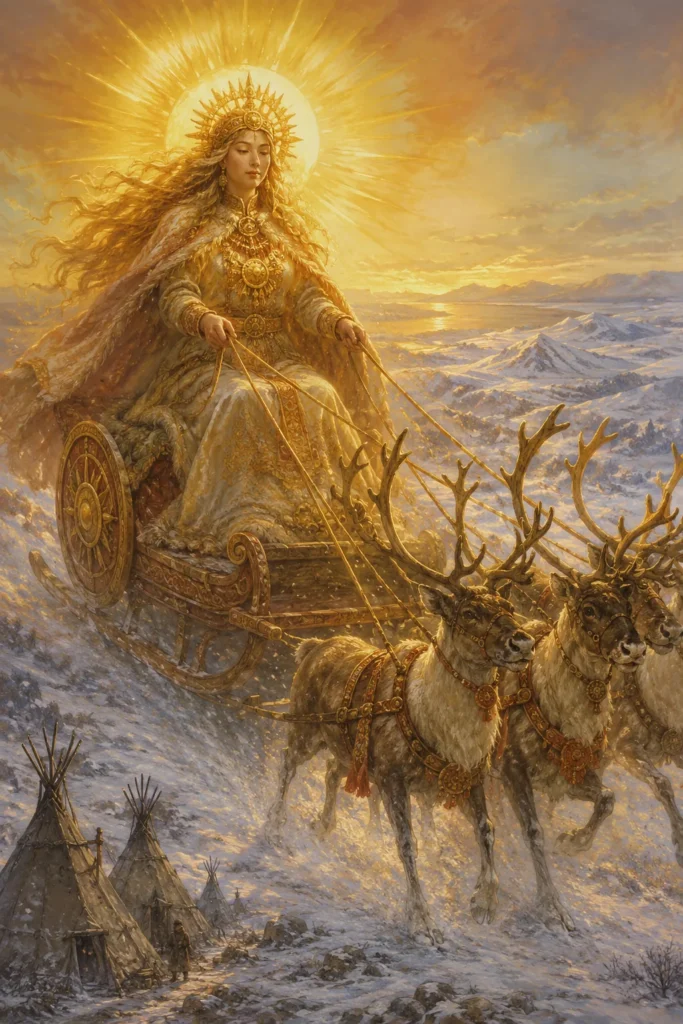
Beaivi: gods from the Sami tradition, historically illustrative
The Machi tradition forms the backbone of religious practice in Wallmapu.

The Mapuche spirit world is divided into ancestral and volcano spirits around Pillán, sea beings such as Sumpall and Pincoya, and ambivalent Kalku spirits. They are still passed down today in the Machi tradition of Chile and Argentina.

Mapuche, Language and Settlement Area

The Mapuche speak Mapudungun, a language isolate classified as endangered, which is supported today by bilingual schools and dedicated radio programmes. According to the 2017 census, around 1.75 million people in Chile, just under 10 percent of the population, identify as Mapuche, and around 200,000 in Argentina according to the 2010 census.

The core settlement area lies in the Chilean region of Araucanía and in neighbouring Patagonia in Argentina, often referred to by political representatives as Wallmapu. Historically, the Mapuche successfully resisted the expansion of the Inca Empire in the 15th century, and from around 1550 resisted the Spanish colonial power for centuries in the so-called Arauco War, with the Bío-Bío River long regarded as a recognised border. Land rights conflicts persist in the region to this day.

Volcano and sea order the spirit world of the Mapuche: the Pillán ancestor spirits in the earth and volcanoes, beings such as Sumpall and Pincoya in the water. The Machi tradition of Chile and Argentina keeps this knowledge alive to this day.

Pillán, Ngünechen and the Ancestor Spirits of the Volcanoes

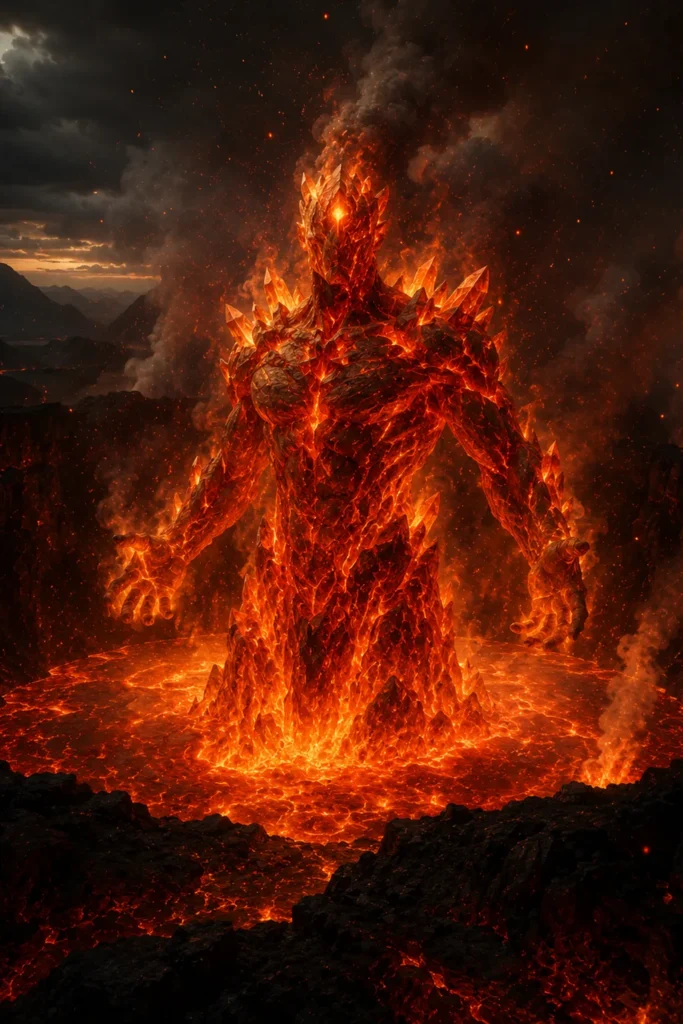
Pillán refers to ancestor and nature spirits often associated with volcanoes, such as the Villarrica volcano, whose eruptions were traditionally interpreted as the work of a Pillán. Some traditions trace Pillán back to deified powerful ancestors, such as deceased leaders (Lonko).

Ngünechen, a creation principle or creator deity, is conceived in some accounts as a fourfold unity and is regarded as a superordinate ordering power, while the Pillán act as mediating, ambivalent natural forces, for example in lightning and volcanic eruption. The precise system underlying this relationship is not described consistently in the ethnographic literature.

Machi, Kultrun and Ngillatun

The Machi is the central religious and medical authority of the Mapuche, predominantly, but not exclusively, a woman; the calling often comes through dream or illness, followed by an initiation (Machiluwün) under the guidance of an experienced Machi. Her most important instrument is the Kultrun, a sacred drum painted with a cosmogram that is used in diagnosis and trance.

In front of the Machi’s house stands the Rewe, a stepped sacred pole or tree regarded as an axis between the earthly and the upper world. During the Ngillatun, a periodic community ritual for fertility and wellbeing, the Machi leads the assembled community with dance, song and Kultrun. The ethnographer Ana Mariella Bacigalupo has documented in detail the continuing social significance of this practice, which remains active to this day.

The Flood Myth of Caicai-Vilu and Trentren-Vilu

At the centre of one of the best-known Mapuche myths is the struggle between the sea serpent Caicai-Vilu, who conjures up a great flood, and the earth and mountain serpent Trentren-Vilu, who raises the land to save the people. According to tradition, those who fail to reach the mountain peaks in time are transformed into a fish or another sea creature.

Particularly in the storytelling tradition of the island of Chiloé, this myth is regarded as the origin story of the region’s rugged island landscape; it remains a living part of oral tradition without a single canonical version.

Frequently Asked Questions about Mapuche Mythology

Who are the Mapuche?


The Mapuche are the largest indigenous population group in Chile, around 1.75 million people, with a further roughly 200,000 people in Argentina. They speak Mapudungun and live mainly in the Araucanía region and in neighbouring Patagonia.

What is a Machi?


The Machi is a shamanic ritual specialist of the Mapuche, predominantly a woman, responsible for healing, divination and leading community rituals such as the Ngillatun. Her most important tool is the sacred Kultrun drum. The Machi tradition is an actively practised reality to this day, not a historical memory.

What are Pillán?


Pillán are ancestor and nature spirits often associated with volcanoes. According to tradition, their effect is seen in lightning, thunder and volcanic eruption.

What does the myth of Caicai and Trentren tell?


The myth recounts the struggle between the sea serpent Caicai-Vilu, who conjures up a flood, and the mountain serpent Trentren-Vilu, who saves the land. Particularly on the island of Chiloé, it is regarded as the origin story of the island world.

Kalku, Anchimayen and the Ambivalence of Magic

Kalku refers to a person to whom harmful magic is attributed, in a sense the counterpart to the healing Machi. Historically, the boundary between the two roles was fluid and depended strongly on attribution by the accusing community; the concept served above all as an explanatory model for unexplained misfortune, illness or death.

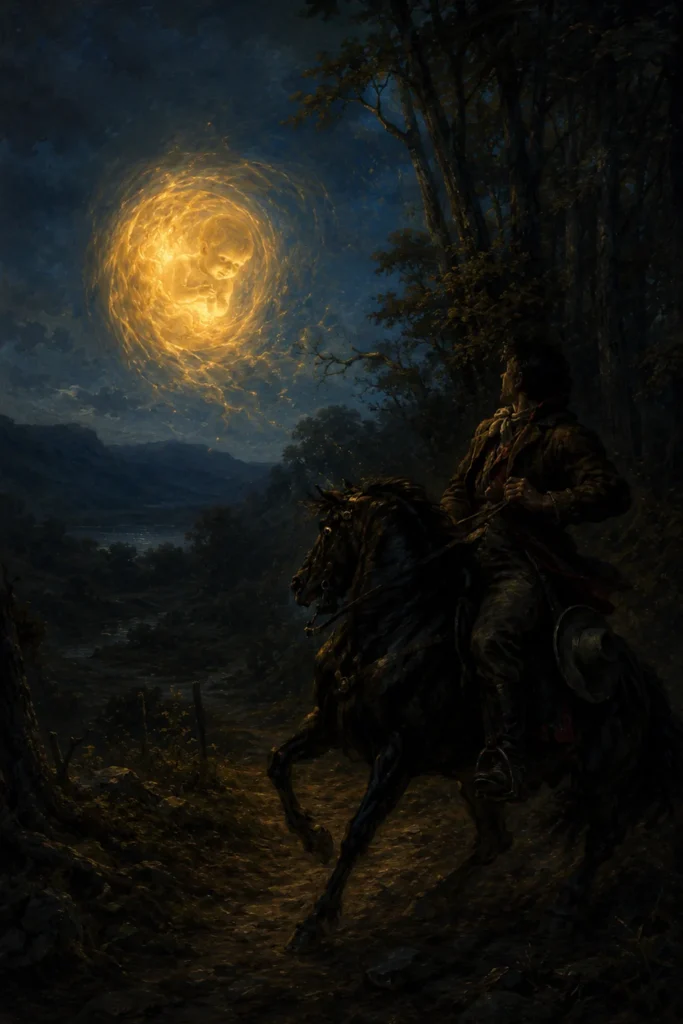
Anchimayen is a fire spirit that, according to tradition, is often interpreted as the soul of a deceased child and imagined as a servant or companion spirit of a Kalku. Research, for example on Kalku accusations in the 17th and 18th centuries, shows that such attributions were closely linked to social conflicts.

Sea Beings of Chiloé Mythology: Pincoya and Sumpall

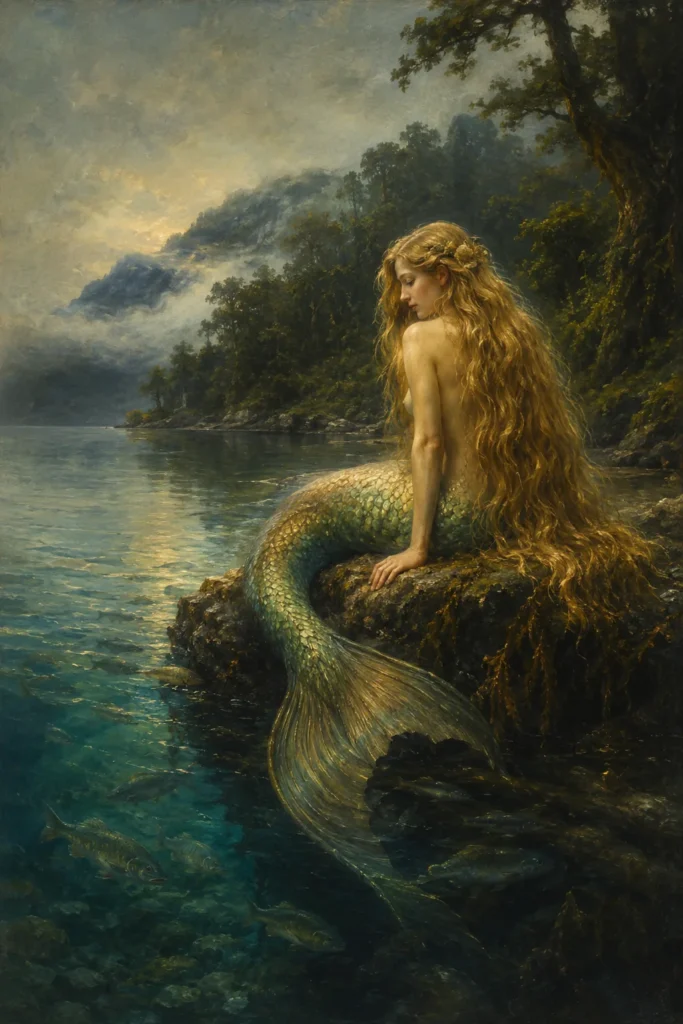
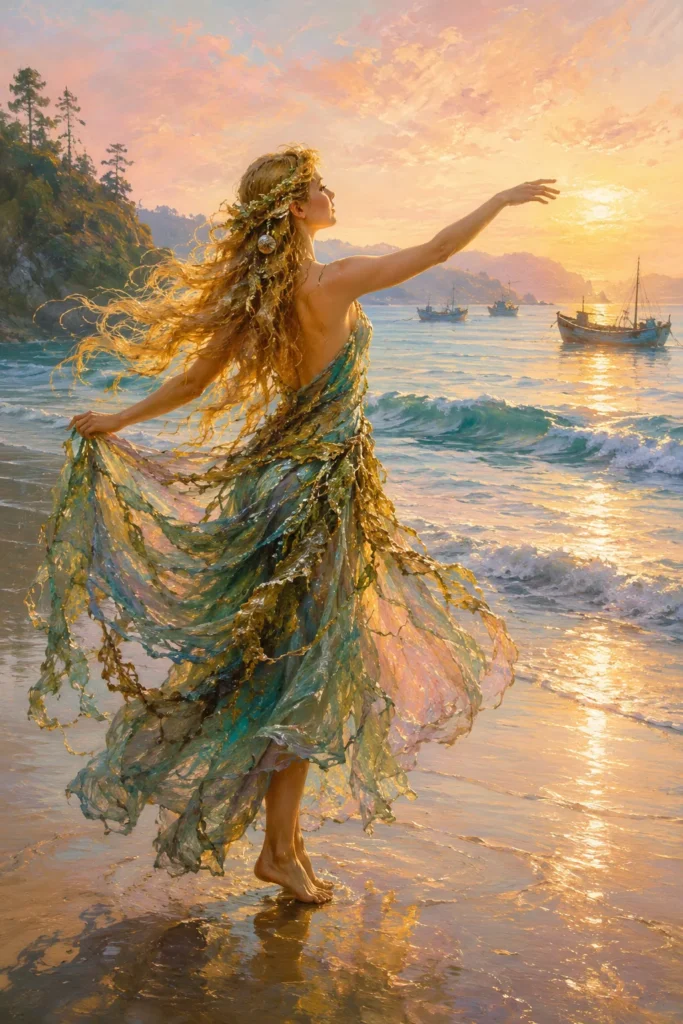
Sumpall is regarded as a water and fish spirit, a human-fish hybrid being who, as ‘Lord of the Fish’, decides on luck in fishing. Pincoya, a sea fairy of Chiloé mythology, dances on the beach according to tradition, with the direction of her dance, towards the sea or towards the land, said to determine abundance or scarcity of fish.

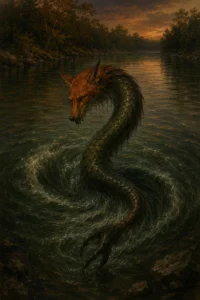
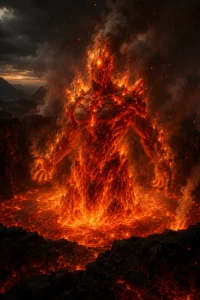
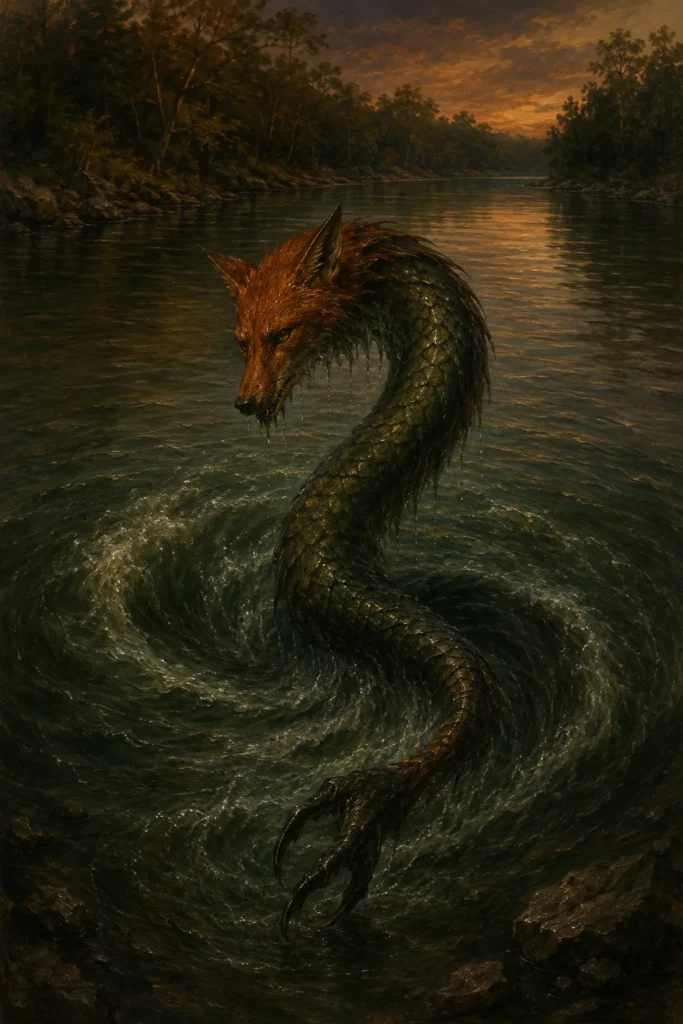
By contrast, Nguruvilu, a serpent-like river monster that stalks travellers and livestock at river crossings, is considered dangerous. Cherufe, a fiery being living beneath volcanoes and the earth, is linked in more recent, literarily shaped versions to the motif of human sacrifice.

Colonisation, Resistance and Mapuche Tradition Today

The Mapuche successfully resisted the expansion of the Inca Empire in the 15th century and, from around 1550, waged military resistance against the Spanish colonial power for centuries, known as the Arauco War. It was not until the 19th century that the Chilean state forcibly incorporated the Araucanía region in the course of the so-called Pacificación de la Araucanía, accompanied by land loss and missionary activity.

Land rights conflicts persist in the region to this day between Mapuche communities, forestry and agricultural companies, and the Chilean state. At the same time, the Machi tradition has remained a lived, recognised religious practice, often combined with biomedical care, and the subject of ongoing ethnographic research, among others by Ana Mariella Bacigalupo and the archaeologist Tom Dillehay.

A People of Two States and Their Regional Diversity

The Mapuche today live mainly in the Chilean region of Araucanía and in neighbouring Patagonia in Argentina, an area that political representatives often refer to collectively as Wallmapu. Historically, the Mapuche were divided into several regional groups, such as the coastal Mapuche (Lafkenche), the inhabitants of the Andes (Pewenche), and the inhabitants of the plains and lake landscapes, whose ways of life and local traditions differed.

On the island of Chiloé, strongly shaped by Spanish colonisation and Catholic mission since the 16th century, a particularly rich storytelling tradition developed, partly interwoven with European elements, around sea beings such as Pincoya, Sumpall and the flood myth of Caicai and Trentren, which in this particular form is not equally well known throughout the entire Mapuche territory.

The practice of the Machi and the significance of individual spirit beings such as Pillán or Nguruvilu likewise vary between regions. Sweeping statements about ‘Mapuche mythology’ therefore obscure considerable internal diversity between the Andes, the coast and the island world.

What most groups have in common is the central role of the Machi as mediator with the spirit world, the veneration of the Pillán ancestor spirits, and the notion of an animate landscape populated by numerous beings. These shared elements, too, are documented to varying degrees across regional sources.

Kultrun, Rewe and the Powers of the Mapuche Worldview

The best-known religious object of the Mapuche is the Kultrun, the sacred drum of the Machi. Its skin membrane is often painted with a cosmogram depicting the four cardinal directions and the various levels of the world, thereby forming an image of the cosmology.

The Machi uses the Kultrun in diagnosis, healing ritual and trance, during which her soul makes contact with spirits and ancestors. In front of her house stands the Rewe, a stepped sacred pole or tree regarded as an axis between the earthly and the upper world and a site of central rituals.

The Mapuche worldview recognises Ngünechen as an overarching creation principle, as well as a multitude of Pillán, ancestor and nature spirits associated above all with volcanoes. Alongside them, numerous beings populate the landscape: water spirits such as Sumpall and Nguruvilu, sea fairies such as Pincoya, fiery figures such as Cherufe and Anchimayen, and the serpent Caicai-Vilu from the flood myth.

Facing the Kalku, a person associated with harmful magic, stands the healing Machi as a counterpart, with the boundary between the two roles historically fluid and strongly dependent on social attribution.

There is no final agreement on the precise system underlying this worldview, because tradition varies regionally and many narratives were only recorded in writing in the 19th and 20th centuries. The continuing practice of the Machi and the Ngillatun ritual is an important, living source that resists purely historical reconstruction.

The Sources: Colonial Accounts, Ethnography and Oral Storytelling Tradition

Early written testimonies concerning Mapuche religion come from Spanish chroniclers and missionaries of the 16th and 17th centuries, who, in the context of the Arauco War, reported on Mapuche customs perceived as foreign. As elsewhere, these texts are strongly shaped by the perspective of the colonial power.

In the late 19th and early 20th centuries, the German-Chilean linguist Rodolfo Lenz laid the groundwork for the first systematic scholarly study through his studies of Mapudungun and oral storytelling tradition, work later taken up by ethnographers.

The archaeologist Tom Dillehay, known above all for his excavations at Monte Verde, has made important contributions to historical understanding through long-term studies of Mapuche history and resistance. For present-day religious practice, the ethnographer Ana Mariella Bacigalupo is a central source; her work on gender, power and healing among Chilean Machi is regarded as standard reference literature.

Oral storytelling tradition itself forms a distinct category of sources, the myths of Pillán, Caicai-Vilu and Trentren-Vilu or the sea beings of the Chiloé region, which continue to be told and continually reshaped to this day. They are not fixed in a single canonical version, which complicates their evaluation from a history-of-religions perspective, but at the same time constitutes their vitality as an active tradition.

Researchers emphasise that Mapuche religion is not a closed historical entity, but a continually evolving, presently practised tradition whose scholarly description must take this living character into account.

Colonisation, Land Conflicts and Living Tradition Today

The Mapuche successfully held their ground against the expansion of the Inca Empire in the 15th century and, from around 1550, resisted the Spanish colonial power for centuries in the so-called Arauco War, with the Bío-Bío River long forming a recognised border with Spanish-controlled territory.

It was not until the late 19th century that the Chilean state forcibly incorporated the Araucanía region in the course of the military campaigns known as the Pacificación de la Araucanía, accompanied by land loss, resettlement into reducciones, and intensified Christian mission. Similar processes took place on the Argentine side during the same period.

Despite this pressure, the religious practice of the Machi, the Ngillatun ritual and the veneration of Pillán and other spirit beings was preserved, often closely linked to the social and political self-organisation of the communities.

Considerable land rights conflicts persist in the Araucanía to this day between Mapuche communities, forestry and agricultural companies, and the Chilean state, accompanied by political disputes over recognition and autonomy.

Unlike many historically suppressed traditions, Mapuche religion is not a culture of remembrance but a presently, actively practised tradition. Machi work today as recognised ritual specialists, the Ngillatun continues to be celebrated, and oral narratives of Pillán, Caicai-Vilu, Trentren-Vilu and the beings of Chiloé mythology are passed on into the present.

Scholarly description and public perception must therefore take into account that this is a living religious practice of a people that exists today, not a closed historical subject.

The Machi shamans of the Mapuche combine Kultrun, Rewe and the Ngillatun ritual into a protective and healing tradition that remains actively practised to this day, in which the ancestral and volcanic powers known as Pillán spirits are closely interwoven with family and community.

Related key terms: Mapuche Machi Kultrun Rewe Ngillatun Pillán Wallmapu Araucanía Chiloé Chile.

Protective Objects in This Cultural Tradition

Mapuche tradition includes the Kultrun as the sacred drum of the Machi, the Rewe as a stepped sanctuary in front of her house, and silver jewellery (platería mapuche) with a protective and status-indicating function; personal, portable amulets in the narrower sense are less well attested than these ritual and communal forms of protection, comparable at most to protective herbs or protective symbols of other cultures. An overview of protective objects from various traditions is offered by the Protection Compass.

iWell Guard fits into this cultural-historical lineage of portable protective objects, in a contemporary material architecture, manufactured in Germany. 41 layers, genuine gold, platinum, silver. 30-day right of return.

Personal experiences may vary. Not a medical device. No promise of healing.