iWell Guard

Pugot, the headless terror of the duhat trees

Pugot is a spirit of Philippine tradition.

A black, headless spirit that, as Pugot Mamu, eats children.

SpiritPhilippines

Table of Contents

Pugot, spirit of Philippine tradition
Pugot

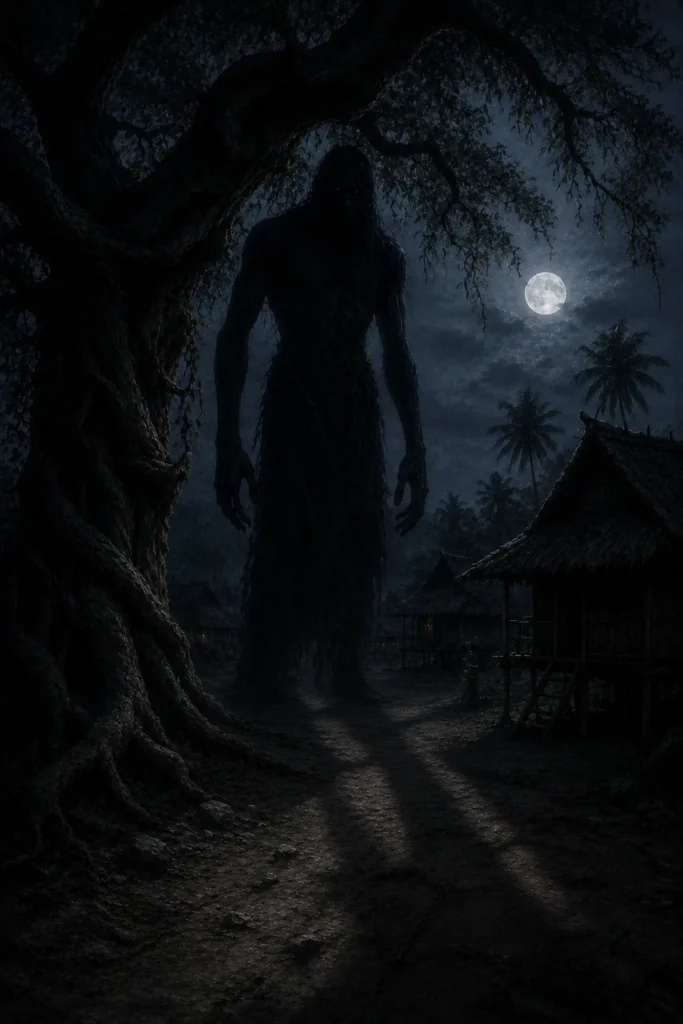
Pugot is a large, black, headless terror-being of Philippine folklore that dwells in trees and in the dark. While the Pugot of the Ilocos region, as a spirit, mainly frightens, the Pugot Mamu of Pampanga is a corporeal, child-eating being.

The tradition belongs to regional folklore, as recorded by Maximo Ramos in his study of Philippine lower mythology; the source material remains scarce. The Pugot prefers trees such as duhat, santol and tamarind as its dwelling, where at night it frightens passers-by and can change its shape, appearing for instance as a pig, dog or human.

Overview: Pugot

Type: Headless terror-being, regionally interpreted as a corporeal child-eater
Origin: Philippine regional folklore, recorded in Ramos’ lower mythology
Texts: Ramos, The Creatures of Philippine Lower Mythology (1971), scarce source material
Period: oral tradition continuing into the present
Appearance: large, black, headless being, shape-shifting

Area of origin and sources

Period of the Texts

Oral into the present: The figure belongs to regional folklore and is recorded by Ramos in his study of Philippine lower mythology.

Area of Diffusion

The Pugot is chiefly found in the Ilocos region, while the corporeal Pugot Mamu occurs in Pampanga.

Sources

Scarce: No dedicated academic monographs exist; the tradition relies primarily on Ramos and regional collections.

Name and variants

Philippine: The name Pugot means the beheaded one or the headless one; Mamu is a regional addition of the Kapampangan terror-figure Pugot Mamu.

Form and effect

Appearance

The Pugot is a large, black, headless being capable of shape-shifting, taking forms such as a pig, dog or human. It prefers trees such as duhat, santol and tamarind as its dwelling, where it hides in the darkness.

Effect

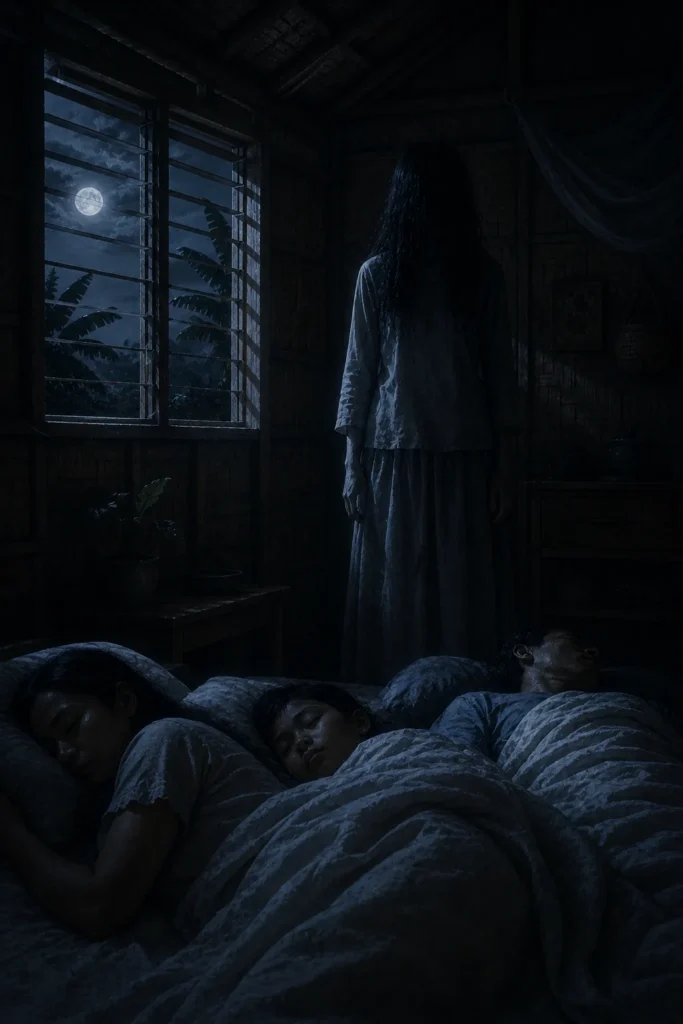
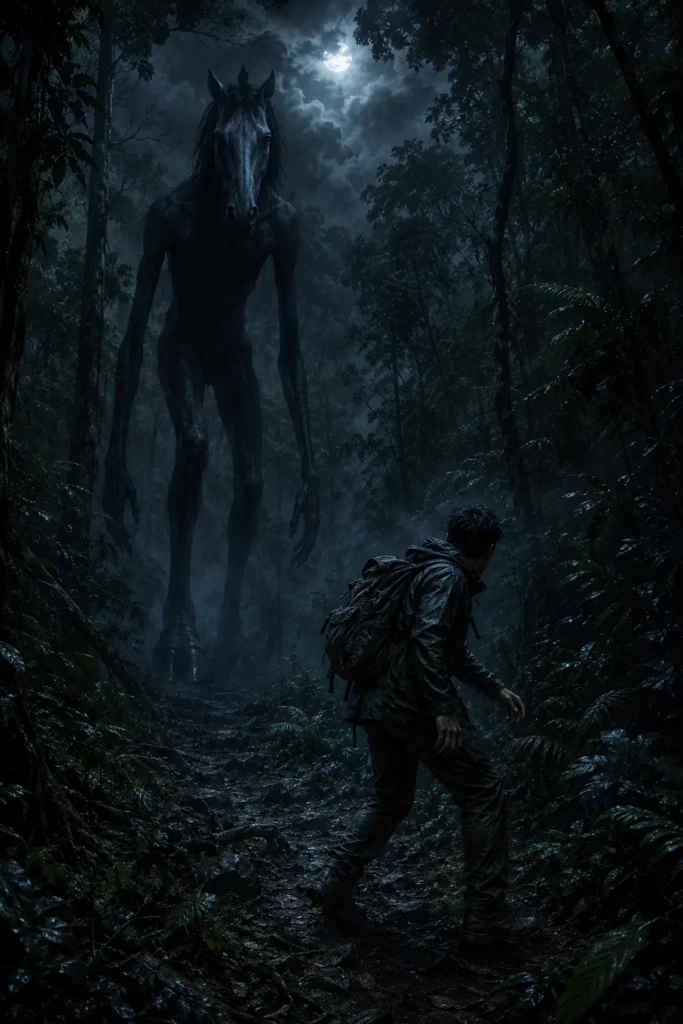
The Pugot frightens night-time passers-by and dwells in trees; as a spirit it chiefly represents fear of the darkness and of eerie places. The Pugot Mamu, by contrast, is a corporeal being of flesh and blood with an insatiable hunger for children, whom it devours through a tooth-lined opening on the upper part of its body.

Profile: Pugot

The key aspects of the headless terror-being at a glance.

Cultural Context

A regional terror-figure of Philippine folklore, recorded in Ramos’ lower mythology alongside numerous other spirit beings.

Relates To

Night-time passers-by frightened by the Pugot, and children who fall victim to the corporeal Pugot Mamu.

Depiction

A large, black, headless being that can appear as a pig, dog or human.

Sphere of Influence

Fright and warning from the Pugot, deadly hunger for children from the Pugot Mamu.

Approach

Avoiding inhabited trees and dark places at night, along with blessed objects, salt and prayer.

Related

Aswang and Multo as further Philippine spirit beings, along with the headless Wutou-gui of China.

The beheaded priest and the hunger of the Pugot Mamu

The name Pugot means the beheaded one or the headless one; Mamu is a regional addition of the Kapampangan terror-figure. One line of tradition interprets the Pugot as the spirit of a beheaded priest, revealing the figure’s Catholic imprint.

An important distinction: the Pugot is regarded as a spirit that mainly frightens, whereas the Pugot Mamu is considered a being of flesh and blood with an insatiable hunger for children, whose opening on the upper part of its body functions as a tooth-lined maw. Both figures share the headless, black appearance, but only the Pugot Mamu kills.

A terror-figure between storytelling and comics

The Pugot is a regional dread figure and, after the Aswang, is regarded as the best-known dread figure of Pampanga. It appears in local stories, comics and Halloween contexts.

From a religious-studies perspective, the Pugot links the worldwide motif of the headless being with local forest-spirit beliefs and, in its interpretation as a beheaded priest, with the Catholic character of the Philippines. It remains a regional dread and boundary figure of the night.

Avoided trees and consecrated defences

What is chiefly recorded is the avoidance of inhabited trees and dark places at night. Generally, consecrated objects, salt and prayer, along with a worn amulet and holy water as a Christian sign, are regarded as ways of dealing with the dread being. The specific protective lore is regional and less well documented than in the case of the Aswang or the Manananggal.

Headless figures in cultural comparison

As a headless dread being, the Pugot is comparable in motif to the headless riders and spirits of other cultures, such as the Chinese Wutou-gui and the Irish Dullahan. Its black, giant, shape-shifting character also points to local giant and forest-spirit motifs.

Frequently asked questions about the Pugot

Is Pugot the same as Pugot Mamu?

Related but distinct: the Pugot is a headless spirit, often of a beheaded priest, and tends to frighten; the Pugot Mamu is a corporeal, child-devouring being.

Where does it live?

In trees such as duhat, santol and tamarind, and in dark places.

Can it change shape?

Yes, among other things as a pig, dog or human.

Further links

Recommended internal links:

Literature (selection)

A selection of key sources and studies:
  • Ramos, Maximo D.: The Creatures of Philippine Lower Mythology. Quezon City 1971.

Further standard works in the bibliography.

As a headless dread being, the Pugot remains a dual figure of the Philippine night: the silent spirit of the Ilocos trees frightens, yet where it turns into the corporeal Pugot Mamu, the warning ends in a hunger for children.

Classification & Protection

IIILEVEL
The Protection Compass assigns this being to influence level III, Burdensome influence.

Against its influence, cross-cultural tradition names these protective means:

Compare in the Protection Compass →

Recommended protective means

iWell Guard

The simplest protective means in this collection: 41 layers of fine gold 999, platinum, silver and silicon, manufactured in Ruhla, Thuringia. It requires no activation, is bound to no person, and is effective within a radius of around 50 meters, even without being worn.

All protective means at a glance →