Doppelsauger and the consuming debt of the twice-suckled child
By Ralf Ittermann · last reviewed on
Doppelsauger is a demon of Germanic tradition.
A dead child gnaws at its own chest and consumes relatives.
The Doppelsauger is a consuming undead being of Wendish-North German tradition and is closely related to the Nachzehrer. It originates from a child who, after being weaned, suckled at the mother’s breast a second time, behaviour that was regarded in popular belief as an omen of future misfortune.
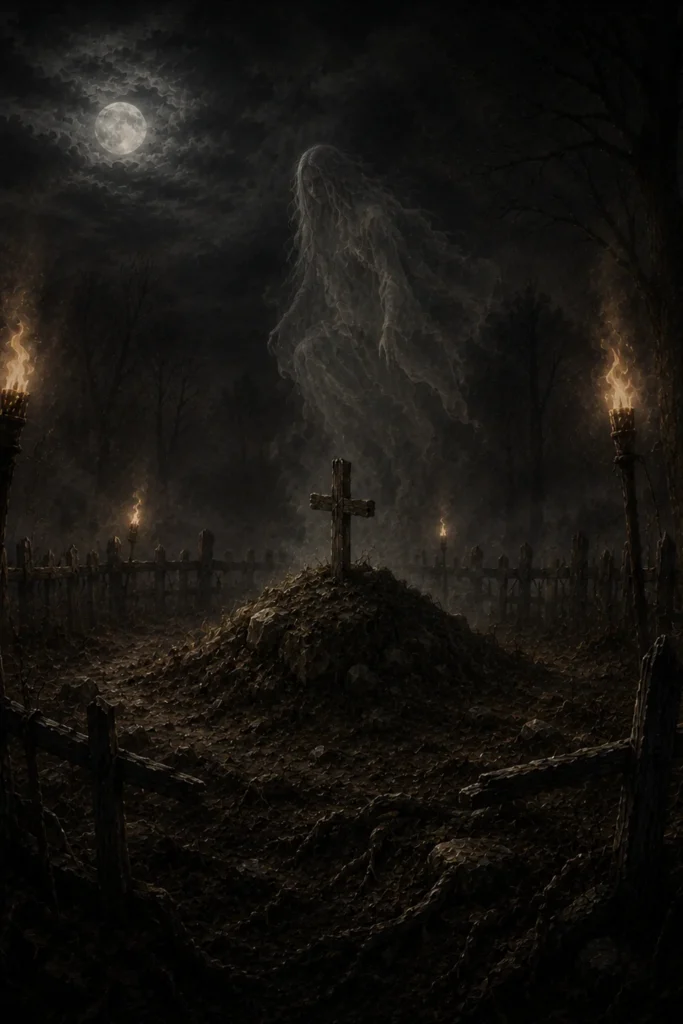
If this child dies, it first devours its own chest flesh in the grave and then consumes a living relative from a distance, who rapidly wastes away and dies. The belief is recorded among the Wends around Hannover and documented in the Handwörterbuch des deutschen Aberglaubens; as a childhood special form, the Doppelsauger, like the Nachzehrer, falls under the umbrella term Wiedergänger.
Type: Consuming undead, childhood special form of the Nachzehrer
Origin: Wendish-North German popular belief around the second suckling as an omen
Texts: sparse, recorded in the Handwörterbuch des deutschen Aberglaubens
Period: early modern popular belief
Appearance: childhood revenant that gnaws at its own chest flesh in the grave
Context of the tradition
Period of the Texts
Early modern popular belief: the Doppelsauger is recorded in the Handwörterbuch des deutschen Aberglaubens and is thus lexically attested.
Area of Diffusion
North Germany, especially the area around Hannover and the Wendland; in later reception, Austria and Bavaria are also mentioned.
Sources
Sparse: The Doppelsauger is attested chiefly as a close relative of the Nachzehrer, and independent sources are hardly to be expected.
Name and variants
German: The name means the twice-suckling one, after a child that suckled at the breast a second time after weaning. Regionally, the spelling Doppelsüger is also common. The belief is documented among the Wends, the West Slavs around Hanover.
Appearance and behaviour
Appearance
The Doppelsauger is a childlike undead being. The autophagic motif, the consumption of its own breast flesh in the grave, closely links it to the Nachzehrer. Symbolically, it represents the transfer of a debt of consumption between generations, from the dead child to the living relatives.
Effect
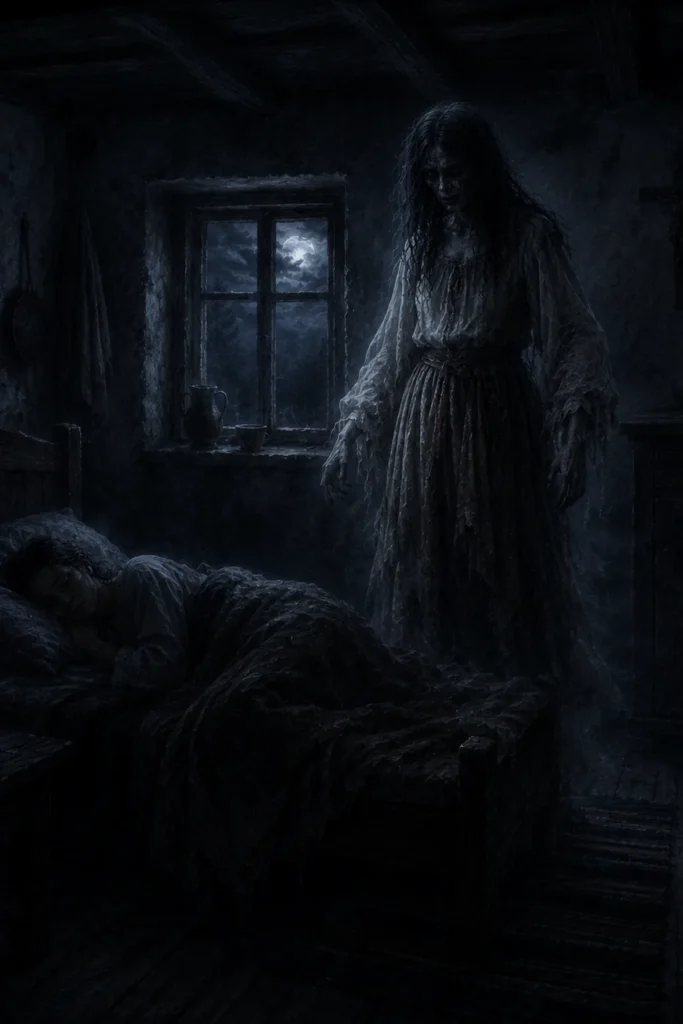
In the grave, the Doppelsauger first devours its own breast flesh and then drains a relative from a distance, who quickly wastes away and dies. The effect resembles that of the Nachzehrer but is directed at its own family.
Profile: Doppelsauger
The key aspects of the consuming child spirit at a glance.
A Wendish-North German special form of the consuming revenant, recorded in the Handwörterbuch des deutschen Aberglaubens.
Its own living family: the Doppelsauger specifically drains a relative from a distance.
A childlike corpse in the grave, recognisable by its own gnawed breast flesh.
Fatal remote draining of a single relative, who quickly wastes away and dies.
Coin and board against chewing, a blow with a spade to the neck for final destruction.
The Nachzehrer as its closest relative, and the Wiedergänger as the umbrella term.
The second suckling as an omen of misfortune
The name Doppelsauger means the twice-suckling one: it derives from a child that suckled a second time at its mother’s breast after weaning, a behaviour that in Wendish-North German folk belief was considered an omen of future misfortune. The belief is documented among the Wends, the West Slavs around Hanover, and recorded in the Handwörterbuch des deutschen Aberglaubens.
If the child dies, it becomes a Doppelsauger in the grave: it first gnaws at its own breast flesh and then drains a living relative from a distance. This makes the Doppelsauger a direct, childlike relative of the Nachzehrer, with which it shares the core autophagic motif of gnawing at its own body in the grave.
From folk belief to vampire encyclopedia
In English-language folklore literature, the Doppelsauger has been popularised as one of the most grotesque vampires and is regularly mentioned in vampire encyclopedias. An independent modern afterlife, however, is barely evident.
From a religious-studies perspective, the Doppelsauger is a regional, Slavic-influenced special form of the consuming revenant, and an example of the connection between burial ritual, fear of children, and explanations of disease in the North German-Wendish region.
Coin, board, and the blow with the spade
Several rites against the Doppelsauger are well documented: a coin was placed between the corpse’s teeth and a semicircular board under the chin, so that the mouth could no longer reach its own breast, and care was taken that the burial clothing did not touch the lips. For final destruction, a blow with a spade to the corpse’s neck was used. In the Wendish-North German environment, garlic was also considered a means against the suckling undead, cold iron as protection against the revenant, and a threshold protection at door and chamber was meant to additionally protect the threatened relatives.
The Doppelsauger among the consuming dead
The Doppelsauger is as closely related to the Nachzehrer as no other being: both are autophagic undead that consume from the grave, but the Doppelsauger derives specifically from the child’s twofold suckling. Like the Nachzehrer, it falls under the umbrella term Wiedergänger. Further afield, it is closely related to the bloodsucking Strigoi, which likewise steals blood and life force from its own family.
Frequently asked questions about the Doppelsauger
How does a Doppelsauger arise?
From a child that suckled again at its mother’s breast after weaning and then died.
How is it rendered harmless?
Traditionally by a blow with a spade to the neck, along with preventing chewing using a coin and a board.
How does it relate to the Nachzehrer?
Very closely: both are autophagic undead that consume from the grave; the Doppelsauger is the childlike, twice-suckling special form.
Further links
Further reading:
- Germanic – all beings of the Germanic tradition
- Nachzehrer – the bloodless consuming undead, whose childlike special form is the Doppelsauger
- Wiedergänger – the Germanic umbrella term for the returning dead
- Strigoi – the bloodsucker as a further parallel
- Garlic, iron, threshold protection – traditional protective means
Literature (selection)
Further standard works in the bibliography.
As a Wendish undead being, the Doppelsauger remains the childlike sister figure of the Nachzehrer: a twice-suckled child that, in death, passes its own debt of consumption on to the family.