iWell Guard

Juniper: Incense Plant and Protective Shrub

Incense materialIncense and Purification

Juniper is the classic incense material of German-speaking and northern European folk belief.

While frankincense dominates in the ecclesiastical context, smoking out with juniper twigs belonged to the household practice of farmers: the master or mistress of the house would move through house, stable and barn with burning twigs in order to drive out evil spirits, illnesses and harmful powers.

This practice was not led by the church but was part of a folk custom that reached its peak during the Smoke Nights between Christmas and Epiphany. In the context of incense materials and purifying agents, juniper stands as the central European counterpart to the more exotic resins of the south.

Juniper is at once an incense plant and a protective shrub, and smudging with its twigs counts among the classic forms of folk purification.

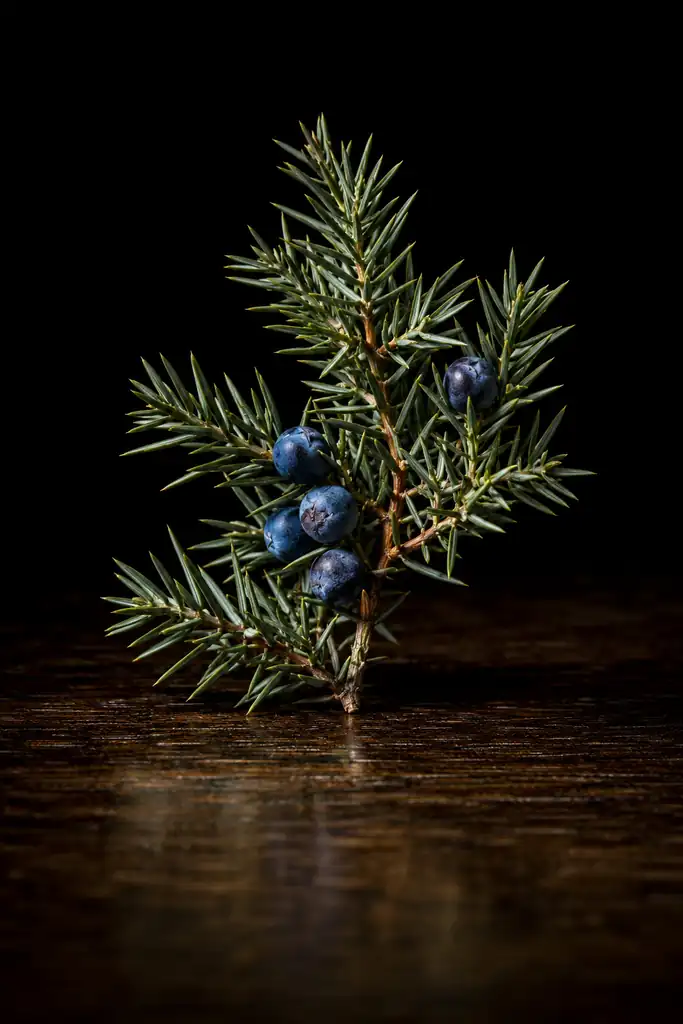
Juniper: incense plant and protective shrub, historical illustration

Quick Overview

Juniper (Juniperus communis) is a coniferous shrub found throughout Europe and northern Asia. When burned, its wood and berries give off a pungent, resinous smoke with a characteristic smell of turpentine and resin. In folk tradition this smell itself is regarded as harmful to spirits and disease germs alike.

In older German vernacular, the juniper was called “Krammetstrauch” (juniper shrub); its protective power was attributed to it not only as an incense material but also as a threshold plant and an ingredient in amulets.

Origin and Tradition

The Smoke Nights, also called the Twelve Nights, Rough Nights or the Twelves, denote the period from 24 December to 6 January.

According to old folk belief, the boundaries between the world of the living and the world of the dead were considered especially permeable during this time; wandering spirits, wild hosts and harmful powers were to be kept away or driven out of the house by means of noise, fire and incense smoke.

Smoking out with juniper was a fixed component of these nights in many regions of the German-speaking area, particularly in Austria, Bavaria, Switzerland and Tyrol. Living quarters were smoked, and so were stables, barns and storerooms.

This practice was especially common with regard to livestock: animals were considered susceptible to the evil eye and to harmful powers; the juniper protected them from such influence and from illness.

A further attested practice was smoking in spring, in order to cleanse the house after winter, as well as smoking on special occasions: moving into a new house, the birth of a child, or a serious illness in the household.

The Handwörterbuch des deutschen Aberglaubens records for the juniper a dense body of evidence from all German-speaking regions, documenting its dual role as a protective plant (on the house) and an incense material (in the house).

Principle of Action according to Tradition

The strong, pungent smoke of the juniper was regarded in folk tradition as especially “potent” and intolerable to everything harmful. The principle is one of tolerability: what is pleasant for human beings, or at least bearable, is shunned by evil.

Juniper smoke was described as unpleasant for spirits and evil powers, while it was considered purifying and even wholesome for human beings.

In addition, the juniper is credited in tradition with an ability to bind: harmful influences are driven out, bound by the smoke and carried away with it. For this reason it was customary in some areas to open all windows after the smoking, so that the smoke and what it had bound could leave the house.

In folk belief the juniper is also regarded as a boundary plant: it grows preferentially at the edges of forests and on heathlands, that is, in transitional zones.

This characteristic of thriving at boundaries made it, within the symbolic logic of tradition, a mediator between the worlds and thus an effective protective sign at thresholds and entrances.

Cross-Cultural Distribution

Juniper as an incense plant extends beyond the German-speaking area. In Scandinavian countries, smoking with juniper brushwood is likewise attested, particularly in Norway and Sweden, where it was used against illnesses in humans and animals.

In Lapland and among the Sami peoples, juniper was one of the most important protective herbs of the healers (the noaidi).

In Slavic folk belief, juniper (Serbian: kleka, Russian: mozhzhevelnik) is used in a similar way: it protects houses and stables from evil spirits and witchcraft and is hung on front doors or planted near thresholds.

In the Celtic sphere, juniper is likewise attested as a protective plant, particularly in Ireland and Scotland, where it was held to protect against the evil eye and against fairies.

The breadth of this tradition shows that the juniper as a protective plant is anchored in a connected Eurasian cultural area, albeit with differing ritual forms. Parallels to other incense materials such as sage or frankincense lie in the shared logic of repelling smoke.

What It Is Used Against

Folk tradition employs juniper against a broad spectrum of harmful powers. First and foremost are illness spirits, that is, beings or powers that afflict humans and animals with plagues, fever and other diseases.

The equation of illness with evil influence is a matter of course in pre-modern folk medicine; smoking out in times of illness was therefore at once a medical and a protective act.

In addition, juniper is regarded in tradition as effective against:- Wild hosts and the spirits of the Smoke Nights, that is, wandering spirits of the dead and nocturnal powers- The evil eye (the envious glance), which can harm humans and animals- Acts of witchcraft directed against the household or the livestock- Changeling traditions: in some regions juniper was described as protection against the swapping of newborns

The Protection Compass assigns juniper to the specific types of beings for which it is attested in various sources.

Application and Limits

Smoking out with juniper is traditionally done by burning fresh or dried twigs and berries. The twigs are lit and then partly extinguished, so that they smolder; the smoke is carried through all the rooms.

Particular attention was paid to the order: from the interior of the house toward the door, so that what is harmful leaves the house and does not penetrate more deeply.

The timing is considered decisive in tradition. Smoking during the Smoke Nights was especially effective because it took place at the time when the danger was greatest. Regular smoking out over the course of the year was meant to maintain the protective effect.

A limit of the practice lies in the tradition itself: juniper alone does not replace a comprehensive protective act. In folk practice it was combined with prayers, the sign of the cross, salt and further means of protection. The Protection Compass shows these combinations in their traditional interrelation.

Literature (Selection)

  • Handwörterbuch des deutschen Aberglaubens. Ed. by Hanns Bächtold-Stäubli. Berlin: de Gruyter, 1927-1942.
  • Lily Weiser-Aall: Volkskundliche Kommentare zu altnordischen Texten. Oslo: Universitetsforlaget, 1966.
  • Eva Pócs: Between the Living and the Dead: A Perspective on Witches and Seers in the Early Modern Age. Budapest: Central European University Press, 1999.
  • Lutz Röhrich: Lexikon der sprichwörtlichen Redensarten. Freiburg: Herder, 1991.
  • Adolf Spamer: Romanusbüchlein. Berlin: Akademie-Verlag, 1958.

Related key terms: burning juniper, juniper shrub, stable cleansing.

iWell Guard and Protective Traditions

Smoking with juniper is an expression of the will to set boundaries: between inside and outside, between protected space and uncertain world. This will to set boundaries is the principle behind all the protective traditions that the iWell Guard brings together.

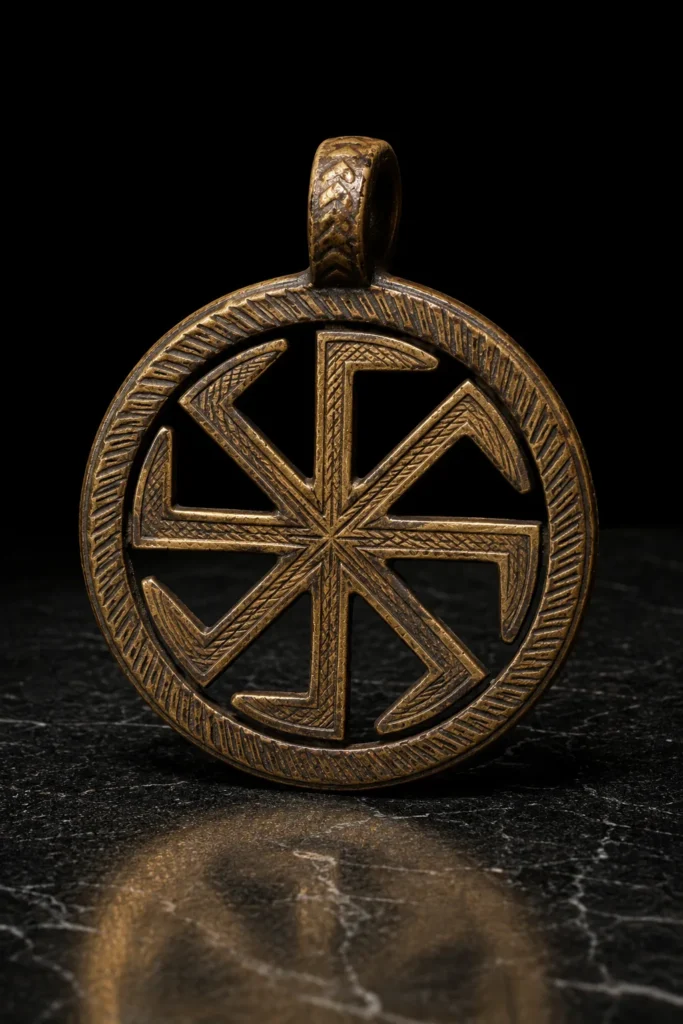
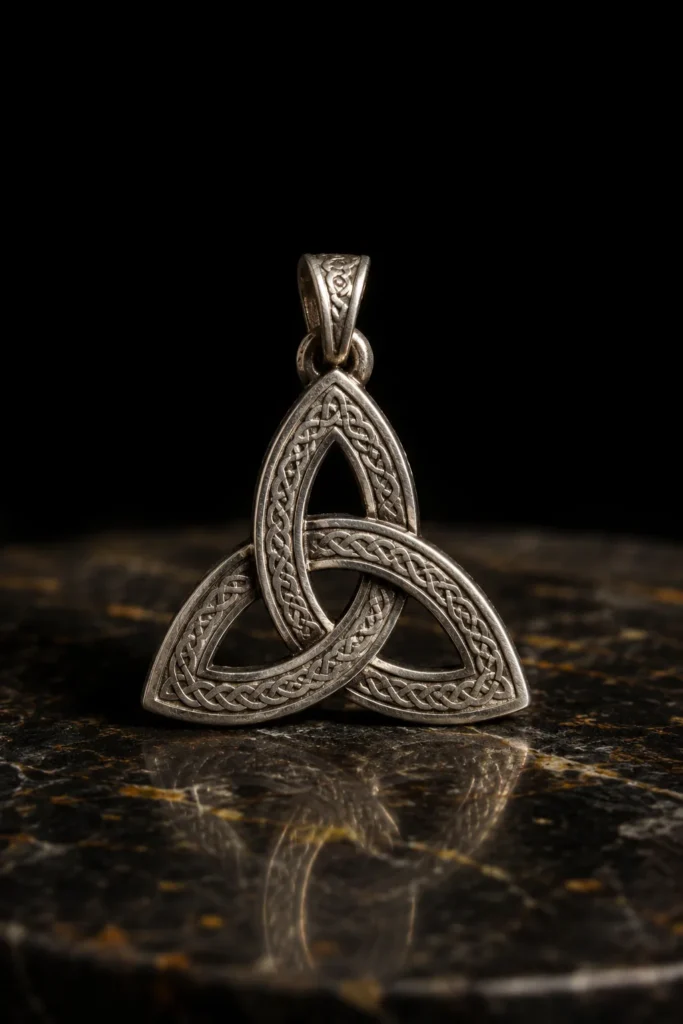
What the mistress or master of the house sought to achieve through the annual smoking, namely a clearly defined, protected area for their own family, the pendant translates into a personal boundary carried with you. The symbolic logic is the same; the form is adapted to the modern way of life.

Personal experiences may vary. Not a medical device. No promise of healing.