Oregano – protective herb against bewitchment
By Ralf Ittermann · last reviewed on
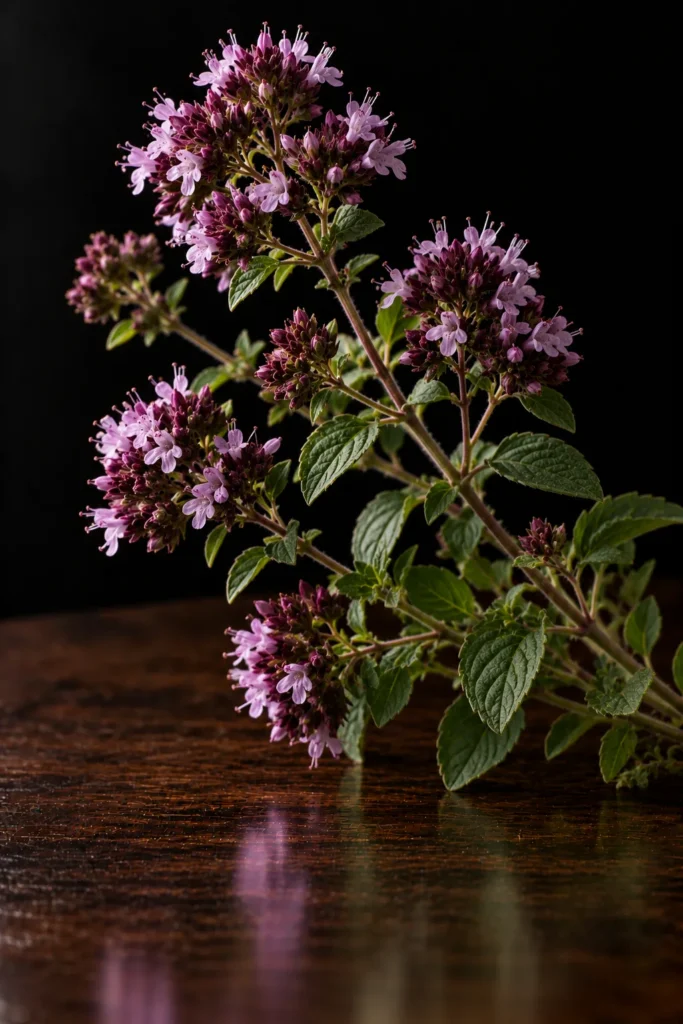
Oregano, botanically Origanum vulgare and closely related to Mediterranean oregano, bears the German folk name Wohlgemut. The name points to a double meaning: the mood-lifting effect attributed to the herb and its role as a protective herb, believed to keep sorrow and harmful influences at bay.
A well-known mnemonic saying, still known today, sums up the protective function of oregano in a fixed formula: ‘Valerian, oregano and dill, the witch cannot do as she will.’ It shows how firmly oregano, alongside valerian and dill, was anchored in the idea of protection against bewitchment.
Oregano is regarded in folk belief as a protective herb against bewitchment.
Quick Overview
Oregano (Origanum vulgare), also called wild marjoram, is a member of the mint family with a spicy scent that grows on dry grassland, forest edges and roadside banks. Folk names such as Wohlgemut, bridal herb and devil’s flight point to its role as a herb against bewitchment and misfortune.
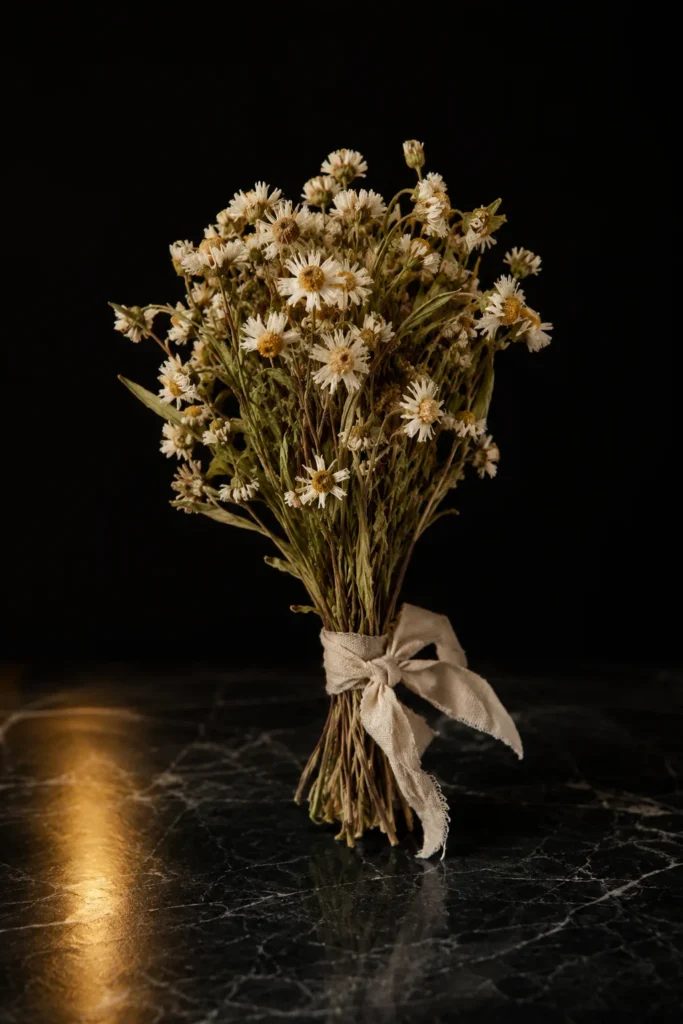
Dried oregano flowers were kept in small boxes, scattered around the house or woven into bridal decorations to protect residents and the bride from harmful magic.
Origin and Tradition
The name Wohlgemut originally referred to the power attributed to oregano to ‘dissolve all sorrow and make people cheerful of mind’, as older herbal books put it. From this strengthening effect arose the idea that a mind strengthened by oregano would also be less susceptible to bewitchment.
As the byname devil’s flight, it is recorded that the devil himself is said to avoid the plant; as bridal herb, oregano was woven into bridal wreaths to protect the bride on her wedding day, a transition regarded in tradition as particularly vulnerable, from evil forces. In the Middle Ages, dried oregano flowers were held under the nose to drive away harmful influences, a custom that highlights oregano’s closeness to the Beruf and Beschrei herbs, among which it is also counted.
The mnemonic saying ‘Valerian, oregano and dill, the witch cannot do as she will’ links three herbs jointly credited with a particularly reliable power against witchcraft. Such rhymes served the oral transmission of herbal knowledge and are a typical feature of folk tradition.
Operating Principle According to Tradition
The intense, spicy scent of oregano is regarded in tradition as the basis of its protective effect: what refreshes and cheers people is also thought to confuse and repel bewitching forces.
Alongside this, the name Wohlgemut itself plays a role in the principle of effect: a strengthened, untroubled mind is considered less receptive to harmful magic, so that the herb’s soul-strengthening and repelling effects are thought to interlock.
Cross-Cultural Distribution
Origanum vulgare is known throughout the Mediterranean region as a culinary and medicinal herb; in Greek antiquity the plant was dedicated to Aphrodite and used at weddings, a possible root of the Central European bridal-herb custom.
In Central Europe, its significance as a protective and healing herb came to the fore more strongly than its culinary use, documented in numerous herbal books and in the folkloristic collection of the Handwörterbuch des deutschen Aberglaubens.
What It Is Used Against
In tradition, oregano is used primarily against bewitchment, and also against theft in the house, curses and general misfortune. As a bridal herb, it specifically protects the bride from harmful magic on her wedding day.
Together with valerian and dill, oregano forms, according to the traditional mnemonic verse, a trio against the works of the witch. The Protection Compass lists this combination among the tried and tested herbal alliances of tradition.
Application and Limits
Dried oregano flowers were scattered loosely around the house, kept in small wooden boxes or carried in protective pouches. For weddings, sprigs of oregano were woven into the bridal wreath or the wedding dress.
As with most averting and counter-spell herbs, the same applies here: oregano was not understood as a standalone means but was used in combination with valerian, dill and other protective practices. This combination remains purely a matter of tradition, without any guarantee of effect.
Literature (selection)
Related key terms: oregano wild marjoram bewitchment witch’s herb origanum.
iWell Guard and Protective Traditions
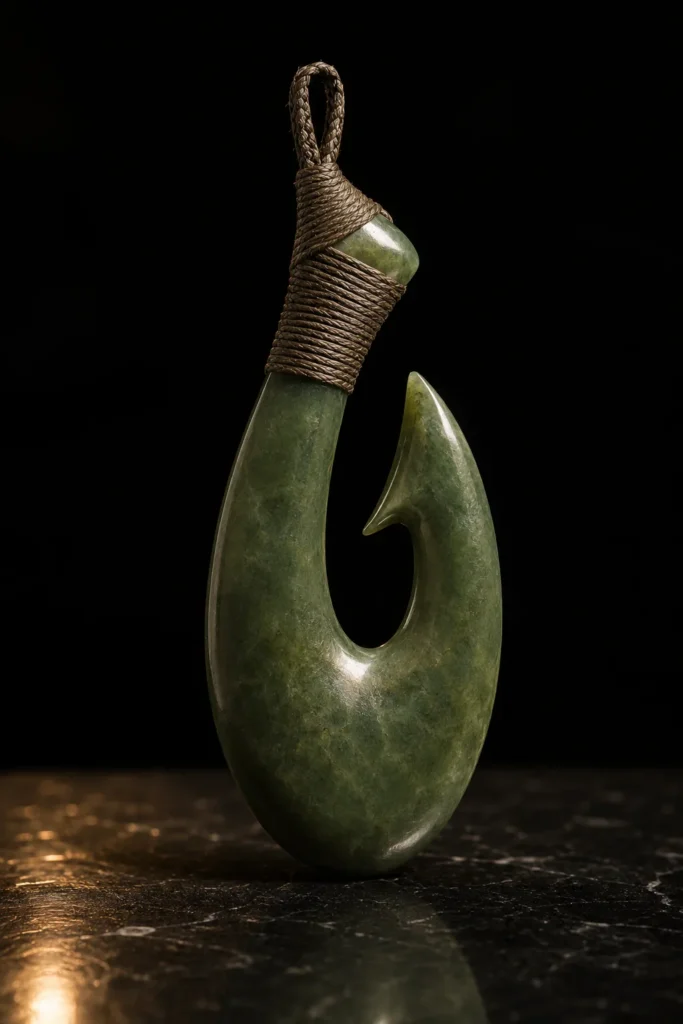
In tradition, oregano combines two levels of protection: inner strengthening and the warding off of external threats. This interplay of inner calm and a visible protective sign also shapes the idea behind the iWell Guard.
Where oregano flowers were once carried in a small box, the pendant now serves as a modern form, worn permanently on the body, of the same need for tangible protection.
Personal experiences may vary. Not a medical device. No promise of healing.