
Amulet, Talisman and Protective Sign: Basics
→ To the being
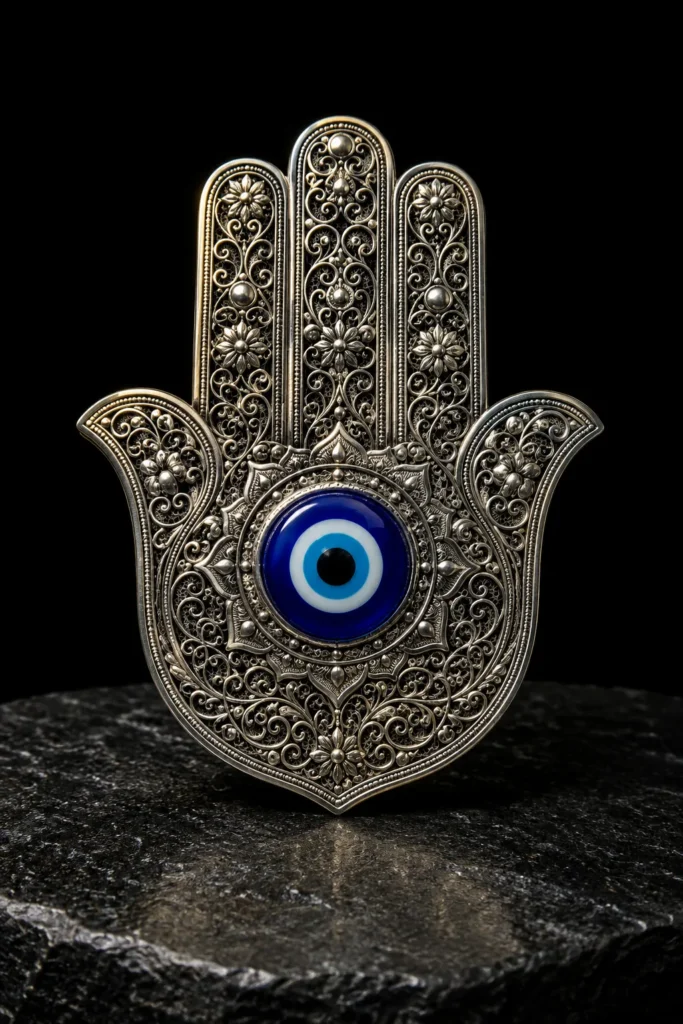
Hamsa
→ To the being
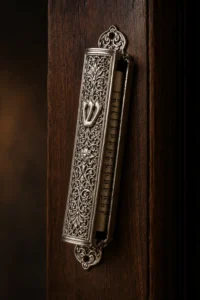
Mezuzah
→ To the being

Evil Eye
→ To the being

Nazar Boncuğu: The Blue Protective Eye Against the Evil Eye
→ To the being

Eye of Horus – the Wedjat as an Egyptian protective symbol
→ To the being

Pazuzu Amulet – Mesopotamian protection against Lamashtu
→ To the being

Thor’s Hammer – Mjölnir as a Germanic Protective Symbol
→ To the being

Cross and Crucifix: the Christian Protective Sign
→ To the being

Christian Protective Medals – Benedict, Mary, Christopher
→ To the being

Pentagram: The Five-Pointed Star as a Protective Sign
→ To the being

Om: the sacred sign as protection and blessing
→ To the being

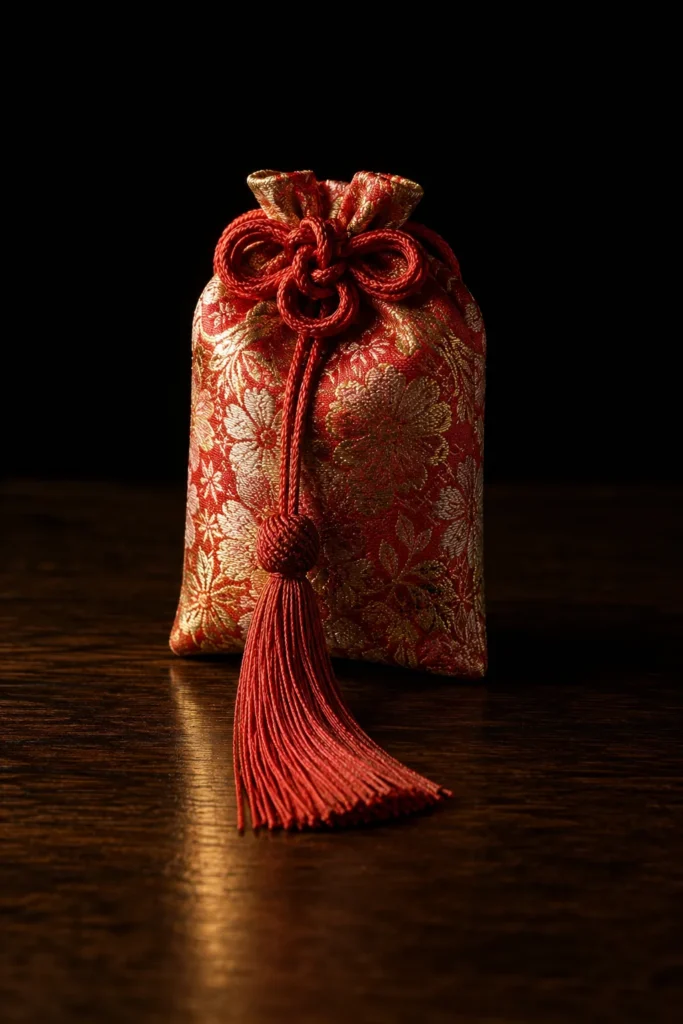
Omamori: the Japanese protective pouch
→ To the being

Dreamcatcher: Protective Object of the Ojibwe
→ To the being

Horseshoe: the good-luck and protective symbol above the door
→ To the being
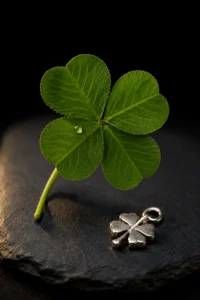
Four-leaf Clover: Good-luck and Protective Sign
→ To the being
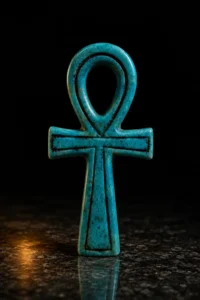
Ankh: the Egyptian Sign of Life as a Protective Symbol
→ To the being

Djed Pillar: the Egyptian Sign of Stability
→ To the being

Scarab: the Egyptian Amulet of Rebirth
→ To the being

Star of David: the Magen David as a sign of protection
→ To the being

Red Thread: the protective band against the evil eye
→ To the being

Celtic Cross: High Cross and Symbol of Protection
→ To the being

Triquetra: the Celtic trinity knot
→ To the being

Valknut: the Norse knot of the slain
→ To the being

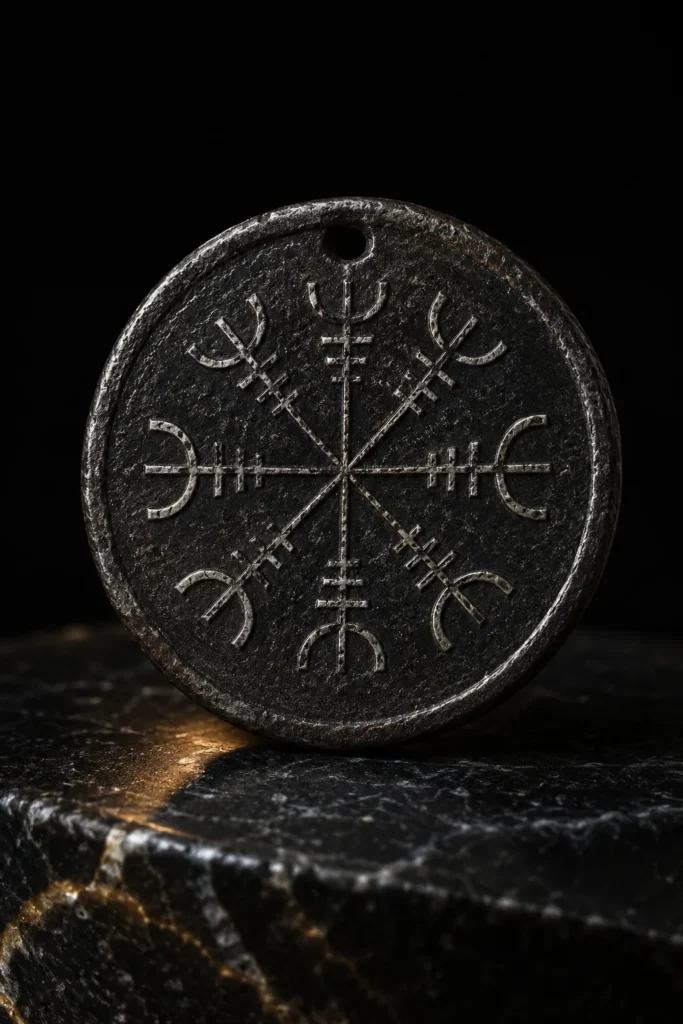
Vegvísir: the Icelandic signpost as a protective sign
→ To the being

Endless Knot: The Buddhist Symbol of Good Fortune
→ To the being

Vajra: Thunderbolt and Diamond in Buddhism
→ To the being

Gau: the Tibetan Amulet Capsule
→ To the being

Bagua Mirror: the Chinese Protective Mirror
→ To the being
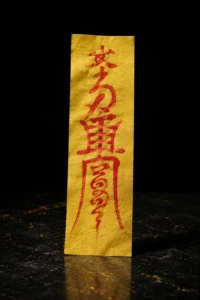
Bujeok: The Korean Protective Talisman
→ To the being

Daruma: the Japanese wish and protection doll
→ To the being
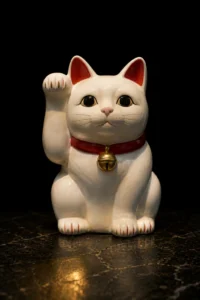
Maneki-neko: the Japanese beckoning lucky cat
→ To the being
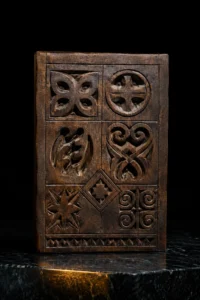
Adinkra: the symbols of the Akan from Ghana
→ To the being
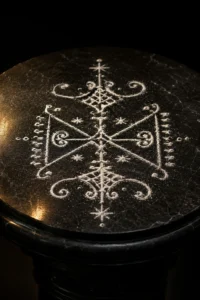
Veve: the Ritual Signs of Vodou
→ To the being
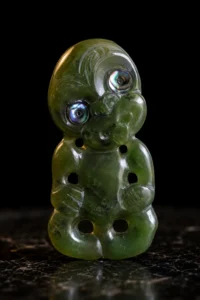
Hei-tiki: the Pendant of the Maori
→ To the being

Faravahar: the Symbol of Zoroastrianism
→ To the being

Kolowrat: the Slavic Sun Wheel
→ To the being
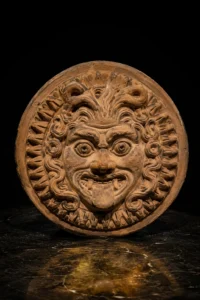
Gorgoneion: the Head of Medusa as a Protective Sign
→ To the being

Bulla: the Roman Protective Amulet for Children
→ To the being

Taʿwīz: the Islamic Protective Amulet
→ To the being

Rudraksha: the Sacred Bead of Shiva
→ To the being

Chakana: the Andean Cross of the Inca
→ To the being
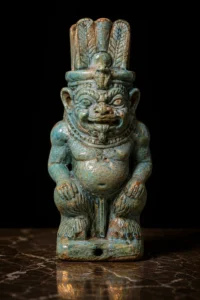
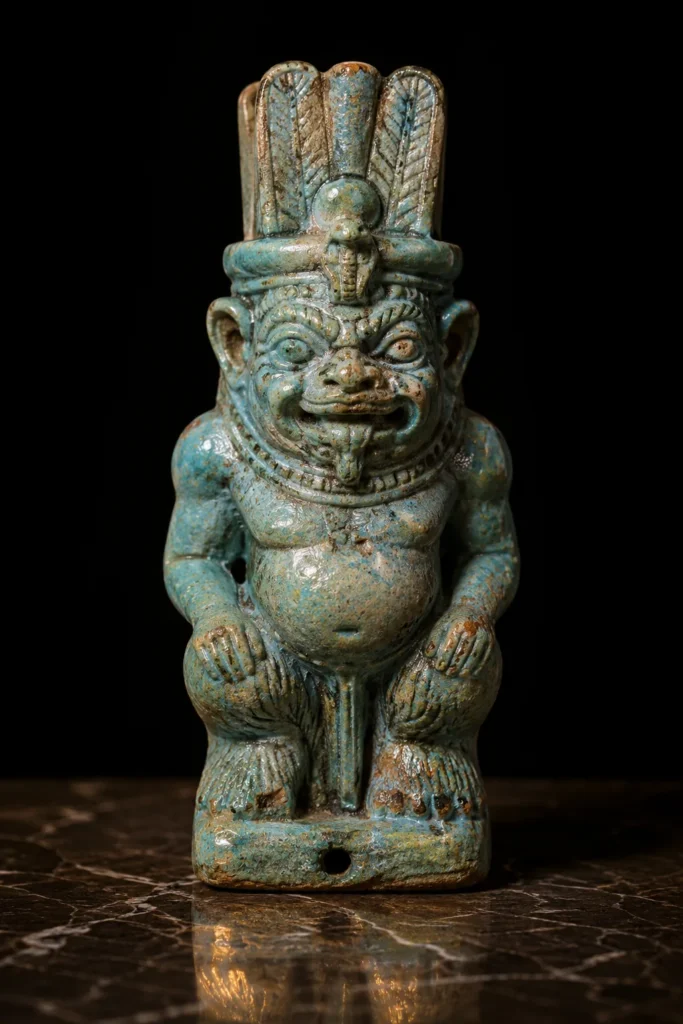
Bes Amulet: the Egyptian Protective God of Home and Childbirth
→ To the being
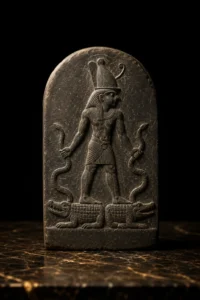
Cippus of Horus: the Egyptian Protective and Healing Stele
→ To the being
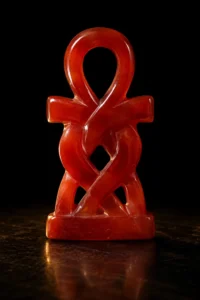
The Isis Knot (Tyet): the Tyet Amulet of the Goddess Isis
→ To the being

Menat: the Egyptian Neck Amulet of Hathor
→ To the being

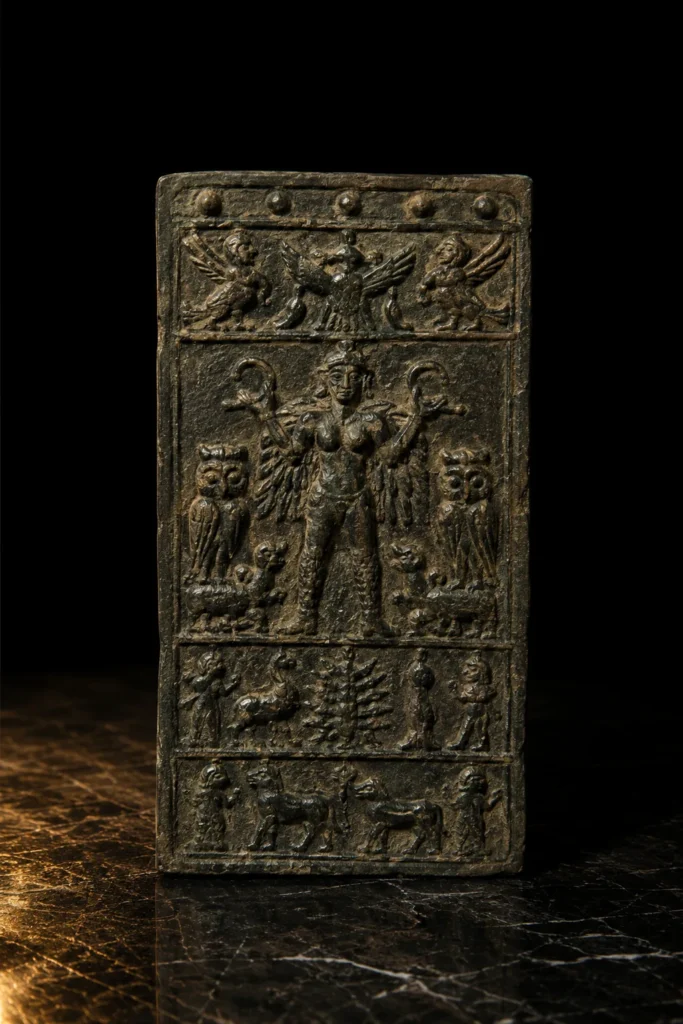
Lamashtu Plaque: Protective Tablet against the Childbed Demon
→ To the being
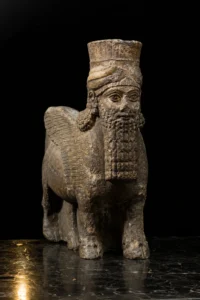
Lamassu: the Winged Gate Guardian of Mesopotamia
→ To the being

Apkallu: the protective figures of Mesopotamian houses
→ To the being

Cylinder Seal: Seal and Amulet of the Ancient Near East
→ To the being
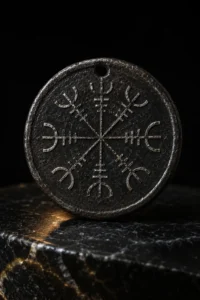
Ægishjálmur: the Helm of Awe
→ To the being

Protective Runes: Runes as Germanic Protective Signs
→ To the being
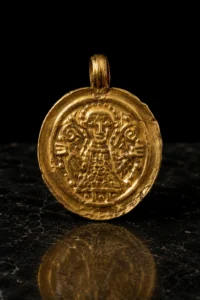
Bracteate: the golden protective medallion of the Migration Period
→ To the being

Troll Cross: The Iron Protective Amulet Against Trolls
→ To the being
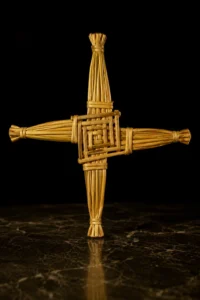
Brigid’s Cross: the woven protective cross of Ireland
→ To the being

Triskele: the triple spiral sign
→ To the being

Awen: the sign of inspiration
→ To the being

The Thunder Sign: the Slavic Mark Against Lightning
→ To the being

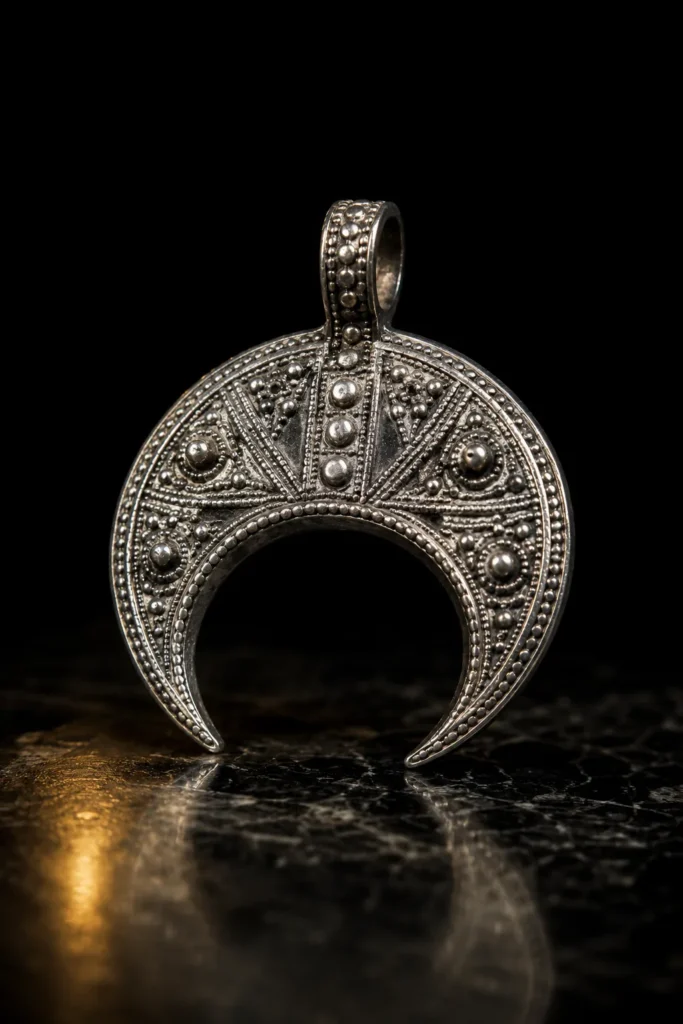
Lunula: the Roman crescent amulet of girls
→ To the being
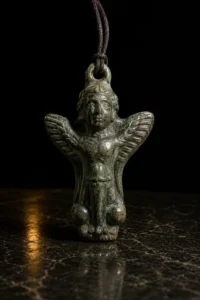
Fascinum: the Roman protective amulet against the evil eye
→ To the being

SATOR square: the magical letter square
→ To the being

Abracadabra Triangle: the diminishing protective amulet
→ To the being

Chai: the Hebrew sign for life
→ To the being

Kabbalistic Amulet: the Jewish protective amulet
→ To the being
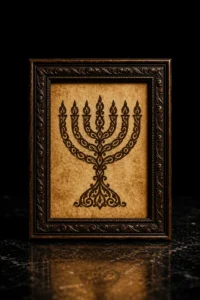
The Shiviti Plaque: the Jewish Devotional and Protective Image
→ To the being

Seal of Solomon: the sign over the spirits
→ To the being
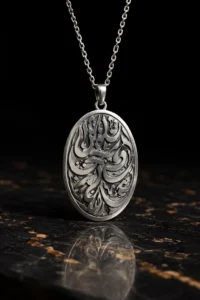
Ayat al-Kursi: the Throne Verse as a text of protection
→ To the being
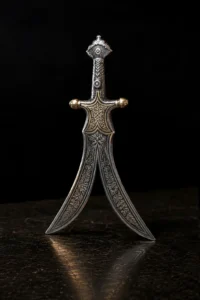
Zulfiqar: the Sword of Ali as a Sign of Protection
→ To the being

Buduh: the magic square of Islam
→ To the being

Mashallah: the protective formula against the evil eye
→ To the being

Gris-gris: the worn protective pouch
→ To the being
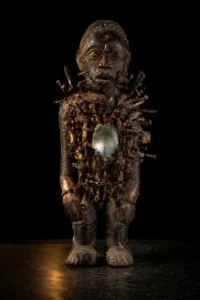
Nkisi: the power figure of the Kongo region
→ To the being

Mojo Bag: the Protective Pouch of the Hoodoo Tradition
→ To the being

Eleggua: the Protective Head at the House Entrance
→ To the being

Kushti: the sacred girdle of the Zoroastrians
→ To the being

Lilith Amulet: protection in the Jewish childbed
→ To the being

Cornicello: the Italian horn amulet
→ To the being

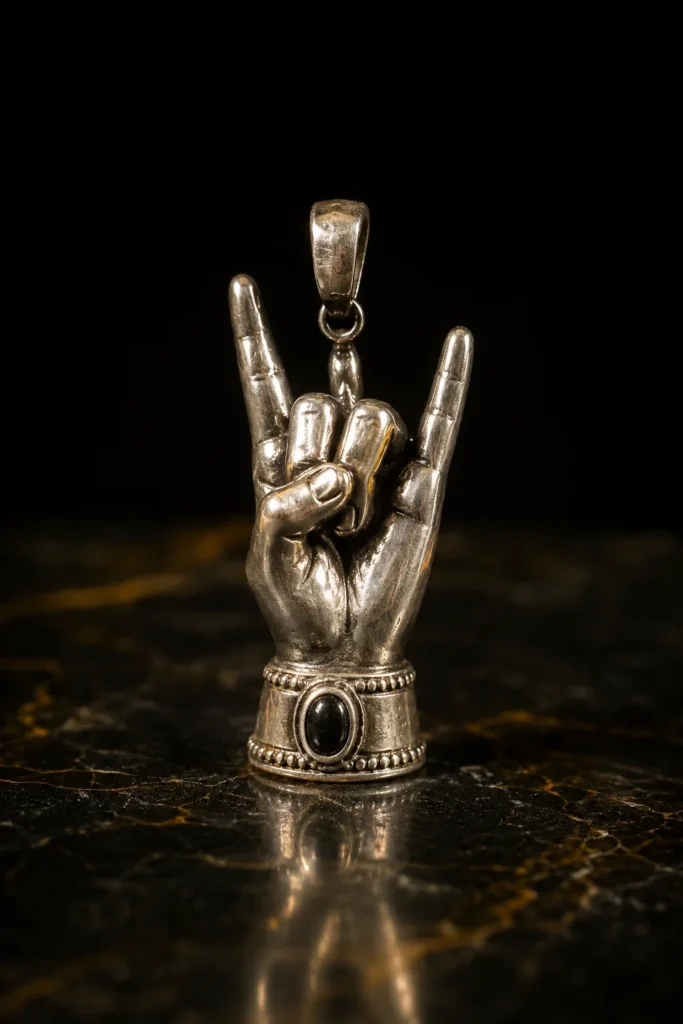
Mano cornuta: the horned hand against the evil eye
→ To the being

Mano fico: the fig hand as a protective amulet
→ To the being
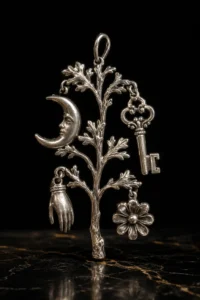
Cimaruta: the Neapolitan rue-sprig amulet
→ To the being
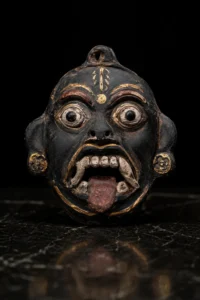
Nazar Battu: the Indian apotropaic grimace
→ To the being

Azabache: the black jet fist against the evil eye
→ To the being
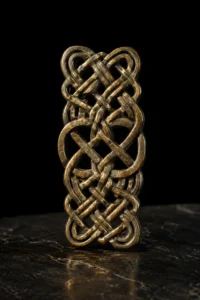
The Celtic knot: the endless knot pattern
→ To the being

Hand of God: the Slavic protective sign Ręka Boga
→ To the being

Obereg: the Slavic Collective Term for Protective Amulets
→ To the being
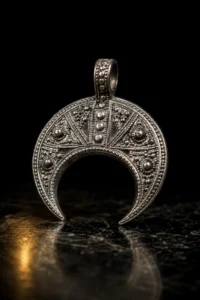
The Slavic Lunula: the crescent-moon-shaped amulet
→ To the being

Ashtamangala: the eight auspicious symbols
→ To the being

Dharmachakra: the Wheel of the Buddhist Teaching
→ To the being
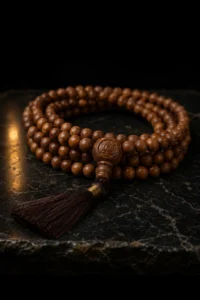
Mala: the Buddhist prayer-bead string of 108 beads
→ To the being
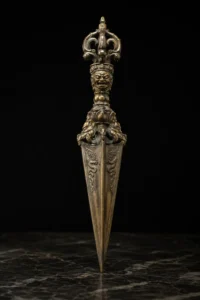
Phurba: the three-sided ritual dagger of Tibet
→ To the being
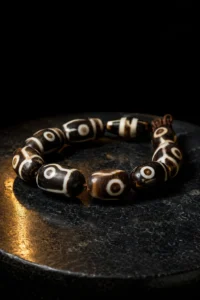
Dzi beads: the agate beads of Tibet
→ To the being
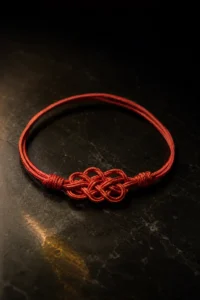
Protection knot: the blessed cord of Tibet
→ To the being

Wind Horse: the Lungta of the Tibetan Prayer Flags
→ To the being

Fu Talisman: the Daoist paper talisman
→ To the being

Coin Sword: the Daoist warding object made of bronze coins
→ To the being

Coin Amulet: the Chinese lucky coin
→ To the being
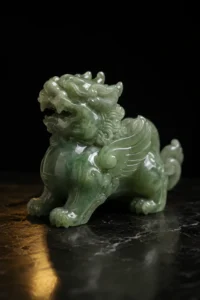
Pixiu: the winged mythical creature as a protective figure
→ To the being

Menshen: the Chinese door gods
→ To the being

Peach Wood: the demon-averting wood of China
→ To the being

Sri Yantra: the geometric worship diagram of Hinduism
→ To the being

Black Thread: the protective band against the evil eye
→ To the being

Hanuman-Kavach: the protective pendant and the protective hymn of Hanuman
→ To the being

Tilaka: the forehead mark of Hinduism
→ To the being

Trishula: the trident of Shiva
→ To the being

Swastika: the ancient sign of good fortune and protection in Hinduism
→ To the being

Medicine Bag of the Plains Peoples of North America
→ To the being

The Medicine Wheel: Stone Circle of the Four Directions
→ To the being

God’s Eye (Ojo de Dios) of Mexico’s Huichol
→ To the being
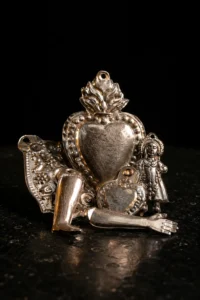
Milagros: Votive Plaques of Folk Piety
→ To the being

Mullu: sacred Spondylus shell of the Andes
→ To the being

Hei Matau: Fish-Hook Pendant of the Māori
→ To the being

Sami Drum: Shaman Drum from Sápmi
→ To the being

The Inuit Amulet Belt: Protection from the Arctic
→ To the being

Toli: the Bronze Shaman’s Mirror of Siberia
→ To the being

Ongon: the material dwelling of the protective spirit
→ To the being
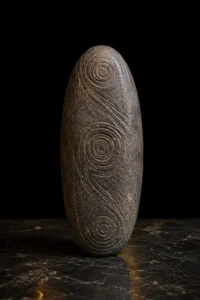
Churinga: Sacred Object of the Aboriginal Peoples of Australia
→ To the being
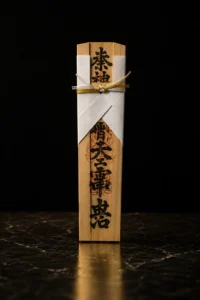
Ofuda: the Japanese shrine talisman for the home altar
→ To the being

Shimenawa: the sacred rice-straw rope of Shinto
→ To the being
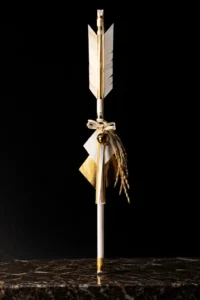
Hamaya: the demon-breaking arrow for the Japanese New Year
→ To the being

Shisa: the lion-like roof guardians of Okinawa
→ To the being
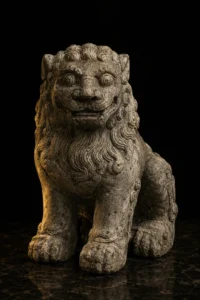
Haetae: the Korean Guardian Being Against Fire and Calamity
→ To the being

Dokkaebi Tile: the demon-averting face on Korean roofs
→ To the being
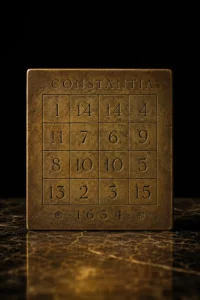
Magic Squares as Protective Signs: Number Grids
→ To the being

The Protective Circle as a Boundary Against Harm
→ To the being

Threshold Protection: Door, Window and House Entrance
→ To the being
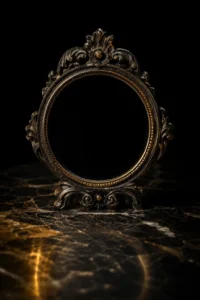
Mirrors as a Means of Defense: The Principle of Reflection
→ To the being

Salt and Iron as Apotropaic Substances
→ To the being
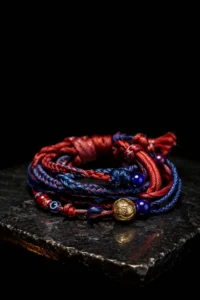
Protective Colors: Blue, Red and Black as Defense
→ To the being

Protective Gestures: Fig, Horns Gesture, Warding Hand
→ To the being

Protective Tattoo: Permanent Signs in the Skin
→ To the being

Bells and Chimes as Noise-Making Protection
→ To the being
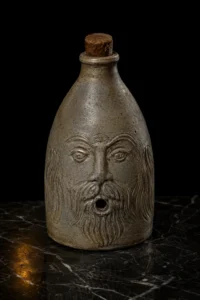
Witch Bottle: A Buried Vessel Against Harmful Magic
→ To the being

Apotropaic Incised Marks: Protective Marks on Buildings
→ To the being

Hex Signs: painted star rosettes of the Pennsylvania Dutch
→ To the being
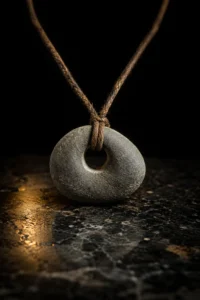
Hagstone: the Holed Protective Stone of Folk Magic
→ To the being

Rowan: Protective Tree and Wood of Folk Magic
→ To the being

Himmelsbrief: Worn Protective Letter of Folk Piety
→ To the being
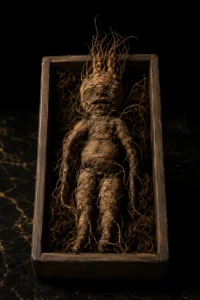
Mandrake: Protective and Lucky Root of Folk Magic
→ To the being
Lucky Charms: Meaning, Origin and Overview
→ To the being