Pillán, elevated ancestors in thunder and volcanic fire
By Ralf Ittermann · last reviewed on
Pillán is a spirit of Mapuche tradition.
Elevated ancestors, acting in thunder, lightning and volcanic fire.
Pillán, also spelled Pillan, is a central figure of Mapuche religion: a spirit of fire, thunder and volcanoes. The pillán are largely elevated ancestors, deceased chiefs and warriors, who dwell in the high cordillera and protect land and community.
As an angered power, they manifest in volcanic eruption and storms. Pillán is thus the tendentially benevolent counterpart to the malevolent Cherufe, the lava demon of the same volcanic landscape.
Type: Ancestor and nature spirit of fire, thunder and volcanoes
Origin: Mapuche religion of Chile and Argentina
Texts: colonial chronicles, modern ethnographies, the personal testimony of Pascual Coña
Period: attested from colonial and ethnographic sources, living tradition
Appearance: an acting power in thunder, lightning, volcano and fire

Textual history
Period of the Texts
Pillán is already mentioned in colonial chronicles, among others by Jerónimo de Bibar and Alonso de Ovalle, and is documented right up to modern ethnographies.
Area of Diffusion
Chile and Argentina, the Mapuche territory on both sides of the Andes; the high cordillera is considered the dwelling place of the pillán.
Sources
Good: colonial chronicles, the ethnographies of Lenz, Guevara and Latcham, and the personal testimony of Pascual Coña.
Name and variants
Mapudungun: pillañ denotes a category of powerful ancestor and nature spirits, in part associated with a soul or spirit and with thunder; the exact root has not been reliably reconstructed.
Nature and effect
Appearance
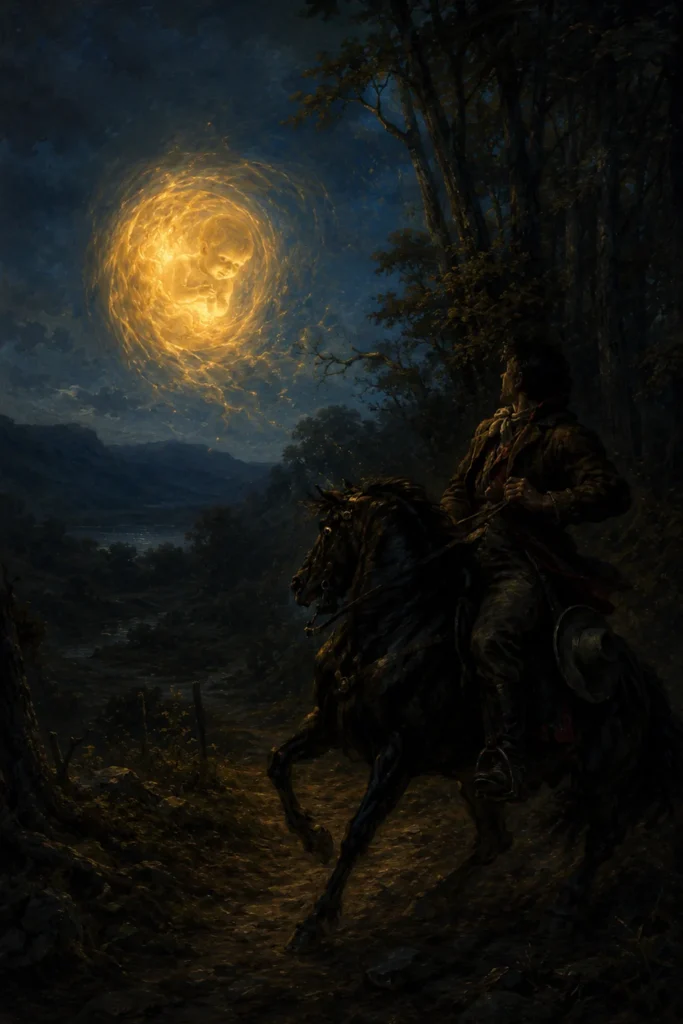
Pillán usually does not appear as a fixed form, but as an acting power in thunder, lightning, volcano and fire. The pillán are largely the elevated ancestors, deceased chiefs and warriors, who dwell in the upper world, the wenu mapu.
Effect
Pillán is ambivalent, but fundamentally inclined towards benevolence: a good Pillán protects land and community, while an angered one manifests in volcanic eruption and storms. He mediates between the living and the higher powers and is associated with the sun power Antü.
Profile: Pillán
The most important aspects of the fire and thunder spirit at a glance.
A central figure of living Mapuche religion, in which ancestor veneration and nature power coincide.
Land and community: a good Pillán protects both and mediates between the living and the higher powers.
No fixed form: Pillán acts in thunder, lightning, volcano and fire; the pillán dwell in the upper world, the wenu mapu.
An elevated ancestor spirit, protector and mediator; as an angered power he manifests in volcanic eruption and storms.
Invocation in the community ritual Ngillatun at the Rewe, led by the Machi, with offerings of maize, beans, muday and animal sacrifices.
The Andean lightning deity Illapa as a structural parallel; as the benevolent volcano pole, Pillán is close to a beneficial facet of Pele.
From the chronicles to Pascual Coña
Mapudungun pillañ denotes a category of powerful ancestor and nature spirits, in part associated with a soul or spirit and with thunder; the exact root has not been reliably reconstructed. Pillán is well attested: mentioned already in colonial chronicles, among others by Jerónimo de Bibar and Alonso de Ovalle, and described in detail in the modern ethnographies of Lenz, Guevara and Latcham, as well as in the personal testimony of Pascual Coña.
This breadth of sources shows a tradition with depth: from the earliest reports of the colonial period to the records of the 20th century, Pillán remains the instance to whom the community turns with pleas for protection and fertility.
Living tradition and classification
Pillán is a firm part of Chilean-Argentine Mapuche culture, present in school materials and in place names containing Pillán. Mapuche religion is alive.
In religious studies, Pillán is a model example of the elevated ancestor and fire spirit, in whom ancestor veneration and nature power coincide. Two clarifications are important: Pillán is the tendentially benevolent counterpart to the malevolent Cherufe, and he is not a single deity but a category of ancestor spirits.
Ngillatun: invocation at the Rewe
Pillán is invoked in the great community ritual Ngillatun at the Rewe, the notched cult pole, led by the Machi, the shaman or shamaness, with the Kultrung drum. Offerings of maize, beans, the maize drink muday and animal sacrifices are made. Unlike with the Cherufe, this concerns favourable cult practice, pleas for protection and fertility, not defence.
Thunder spirits and volcano powers compared
Frequently asked questions about Pillán
What is Pillán?
A spirit of fire, thunder and volcanoes of the Mapuche, largely an elevated ancestor who dwells in the high cordillera.
Is Pillán good or evil?
Predominantly benevolent and protective; dangerous only as an angered nature power that manifests in volcanic eruption and storms.
How is Pillán venerated?
In the community ritual Ngillatun at the Rewe, led by the Machi, with offerings of maize, beans and the maize drink muday.
Further links
Further reading:
- Cherufe – the malevolent counterpart in Mapuche religion
- Pele – the Hawaiian volcano goddess as a parallel
- Protective candle, smudging, amulet – traditional protective means
- Protection Compass – protective means at a glance
Literature (selection)
Further standard works in the bibliography.
As Mapuche fire spirit and ancestor spirit of thunder and volcano, Pillán stands for a religion in which the ancestors do not vanish but continue to act in the high cordillera: protecting, mediating and dangerous only as an angered nature power.