iWell Guard

Fire Spirits, Fire Beings and Fire Deities Worldwide

Beings that embody fire or dwell within it: from hearth goddesses to smith gods, nocturnal will-o’-the-wisps and volcano spirits. Attested across cultures, from the Roman Vesta to the Lithuanian house fire of Gabija.

Fire was at once a tool, a danger and a sanctuary for early societies, so the web of deities, spirits and natural phenomena woven around flame, embers and light is correspondingly dense.

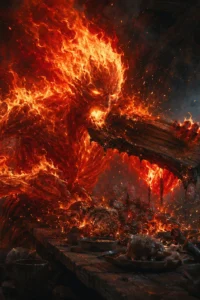
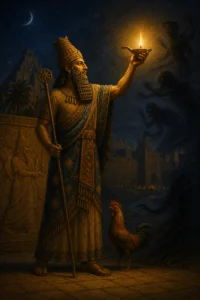
When flames take on a face. This overview gathers Fire Spirits Worldwide, from hearth goddesses to divine Smiths who shape flame into craft.

Topic OverviewCross-cultural

Table of Contents

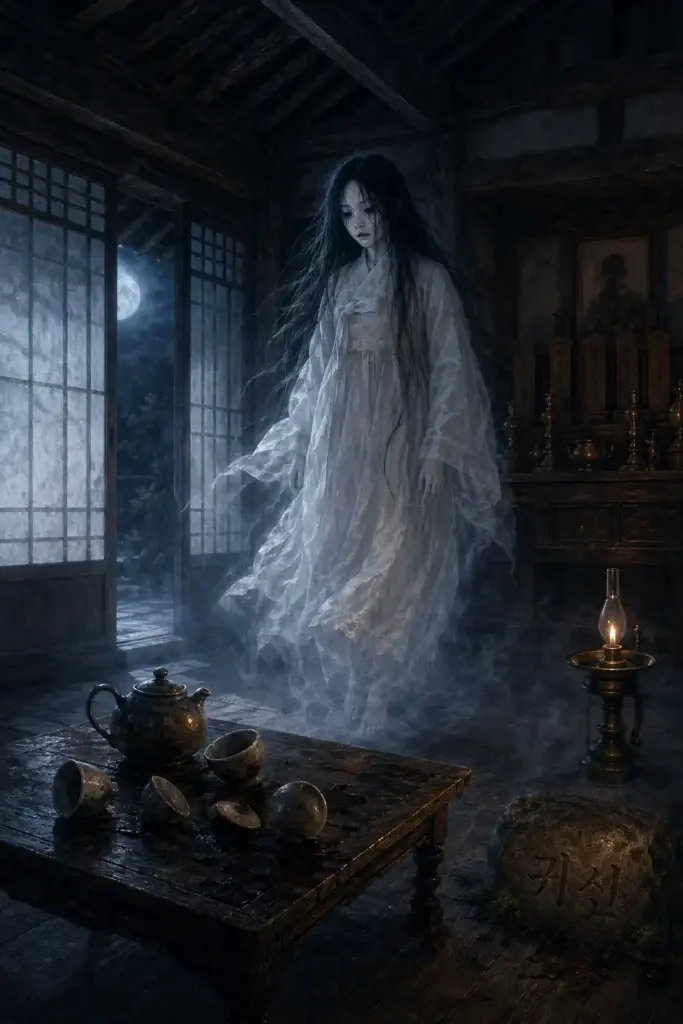
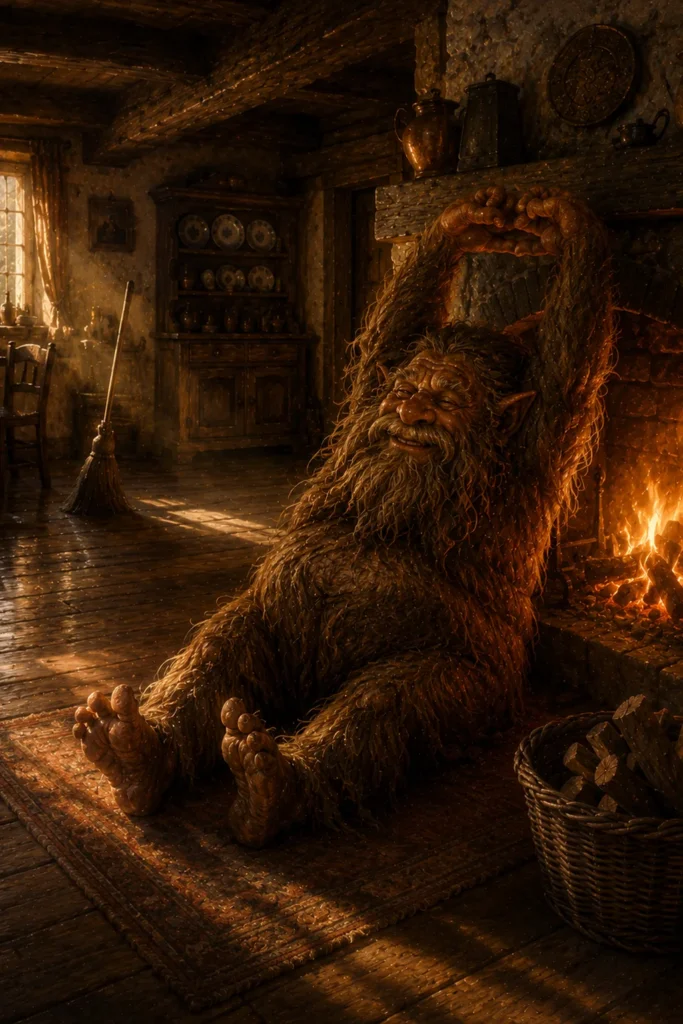
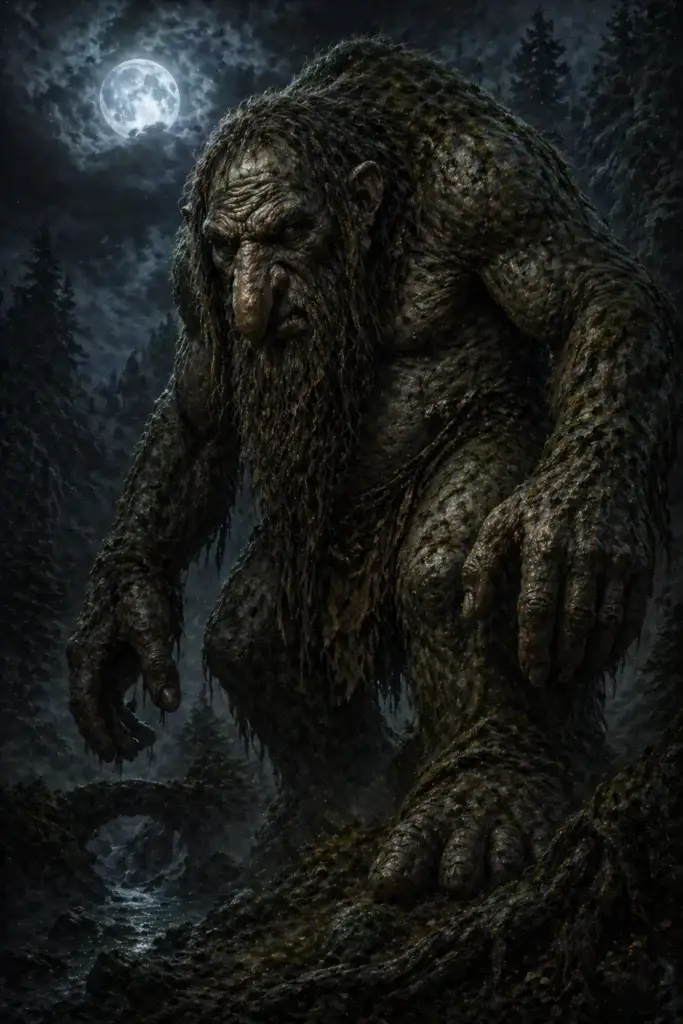
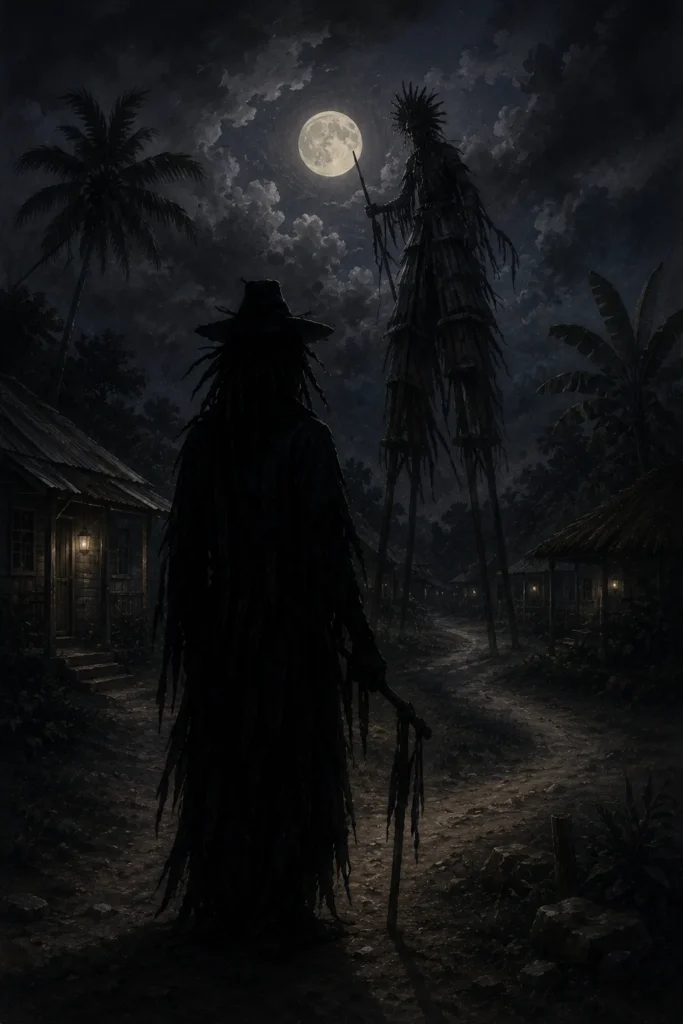
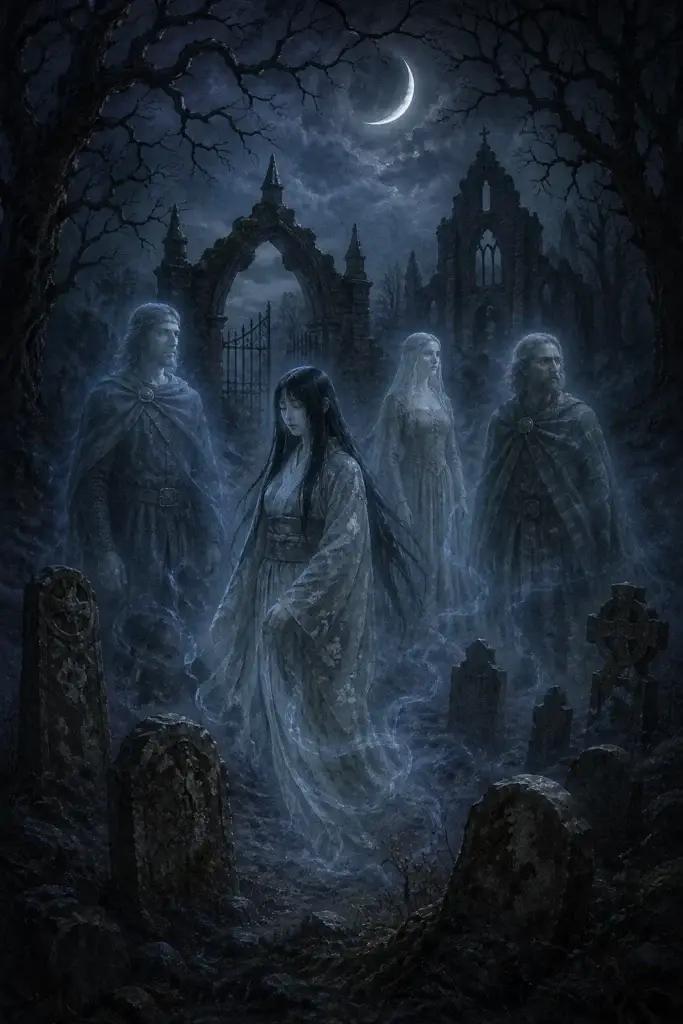
Spirits of the Dead, cross-cultural collective illustration of the spirits subcategory

Quick Overview (Definition List)

Type: Nature spirit Class: Fire spirits Distribution: Cross-cultural (Europe, Asia, Oceania, the Americas, Africa) Main features: Embodiment of hearth fire, forge embers or volcanic fire, nocturnal light, purifying and destructive power Related subcategories: Hearth goddesses, smith gods, will-o’-the-wisps, volcano beings

Term and Scope

The term fire spirit covers a highly heterogeneous field: from the Roman state goddess Vesta to the smith god to the flickering light that wanders over moors at night. What unites these beings is not a shared form but an element whose dual nature of benefit and danger was interpreted religiously. Hearth goddesses and smith gods count among humanity’s earliest attested fire cults.

In Zoroastrianism, the Persian Atar is regarded not as a symbol but as a pure, present manifestation of Ahura Mazda’s divine order, while the Japanese kami Kagutsuchi, in the narrative of the Kojiki, kills his mother Izanami through his own birth, thereby foreshadowing fire’s destructive side.

Classification

In the iWell Guard classification, fire spirits form a subclass of nature spirits bound to the element of fire, and, like all being groups in this lexicon, belong to the subclasses of the general Spirits main class.

They differ from sun deities (a cosmic light source without a fire connection in the narrower sense) and from pure lightning and storm gods (atmospheric rather than earthly fire). Within the group, research distinguishes at least four functional types: hearth goddesses as guardians of the domestic fire, smith gods as craft deities, will-o’-the-wisp beings as a natural phenomenon attributed with agency, and volcano beings as an embodiment of geological fire power.

Examples from Cultural History

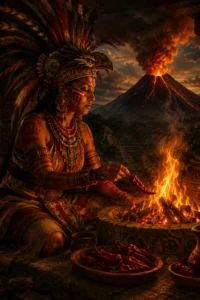
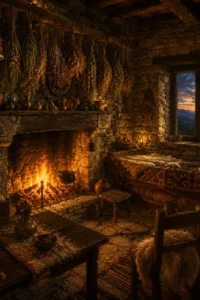
As guardian of the domestic hearth fire, the Lithuanian Gabija stands alongside the Roman Vesta and the Greek Hestia: the fire in the house was never allowed to go out, and its extinguishing was seen as an omen of misfortune or death in the family. The Aztec Chantico unites hearth fire and volcanic violence in a single figure and was worshipped both as guardian of the house and as goddess of spicy food.

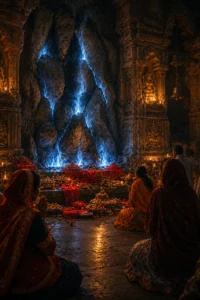
In Zoroastrianism, Atar is not merely one fire deity among many, but the son of Ahura Mazda and bearer of ritual purity; the fire temples of Zoroastrianism (Atash Behram) that still burn today have kept this tradition unbroken. The Japanese Kagutsuchi and the Mexican Xiuhtecuhtli show how closely fire, rulership and cosmogony can be linked: the Aztecs regarded Xiuhtecuhtli as the ‘old god’ and lord of time, whose cult renewed the cosmic order every 52 years in the New Fire ceremony.

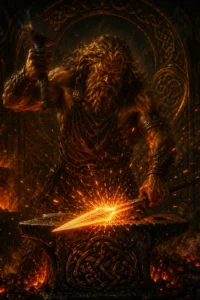
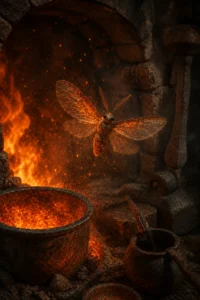
Smith gods form a distinct subgroup: according to legend, the Irish Goibniu forged indestructible weapons for the Túatha Dé Danann, while the Germanic Wayland the Smith is handed down in several medieval versions as a captive, vengeful craftsman. The Norse fire giant Surtr belongs to a third category: the eschatological, world-destroying fire that, according to Snorri’s Edda, burns the nine worlds at Ragnarök.

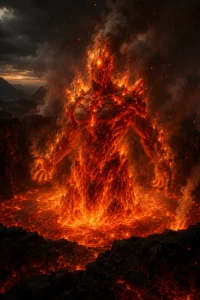
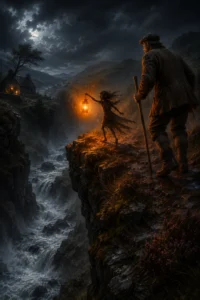
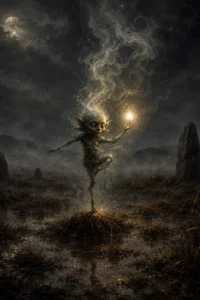
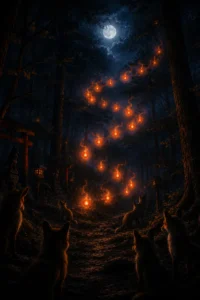
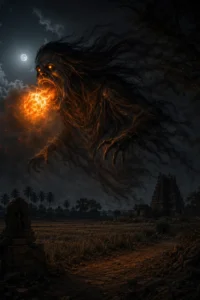
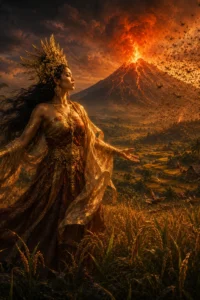
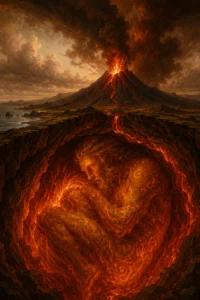
The English figure Hinkypunk represents a third, less divine category: the ghost light that leads travellers off the safe path, today explained mostly in botanical terms by marsh gas (methane) and its spontaneous ignition, though interpreted in folklore as an independent being. The Chilean volcano spirit Cherufe anchors eruptions in a narrated cause: the wrath or hunger of a being living inside the mountain.

Examples from Different Traditions

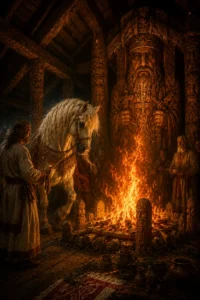
The Slavic tradition includes Svarozhich, son of the heavenly smith Svarog, a fire deity whose cult, according to the chronicles of Procopius and later Russian sources, was linked to the hearth fire and the consecrated sacrificial fire. The Bulgarian-Serbian folk tradition surrounding Ognyena Maria merges Saint Margaret with a pre-Christian fire and lightning goddess regarded as the sister of the thunder god Perun.

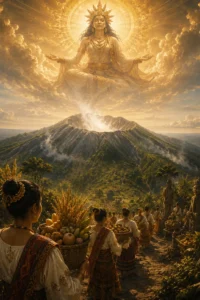
In Sicilian antiquity, Adranus was worshipped as a local fire god at the foot of Mount Etna, whose sanctuary, according to ancient authors, was guarded by sacred dogs. In the Philippines, the Bicol fire god Gugurang explains volcanic eruptions as punishment for ingratitude in the Mount Mayon myth, while Kan-Laon gave his name to the eponymous volcano on Negros.

Source Material

Fire cults are among the well-documented areas of comparative religious history: the Avestan texts of Zoroastrianism (Yasna, Vendidad, transmitted from the 1st millennium BCE, fixed in writing under the Sassanids), the Japanese Kojiki (712 CE) and Nihonshoki (720 CE), Roman Vesta rites (Ovid, Fasti; Plutarch, Numa) and Aztec codices (Codex Borgia, Codex Florentino, 16th century, recorded by Bernardino de Sahagún) provide continuous written testimony.

For European will-o’-the-wisp folklore, most records date from the 18th and 19th centuries (British and German collections of legends), while Slavic fire deities such as Svarozhich are reconstructed mainly from medieval chronicles (Procopius of Caesarea, 6th century; Helmold of Bosau, 12th century) and later folkloric field studies, with correspondingly greater uncertainty in matters of detail.

Contemporary Significance / Related Beings

Fire remains a central symbol in present-day rituals: the Olympic flame and the eternal light in memorial sites, which draw on the old tradition of Spirits of the Dead veneration, reach directly back to the old fire-goddess concepts, even though the religious framing today is mostly secular.

Related being groups include air and wind spirits, which, in interplay with fire, explain storms and forest fires, as well as earth and mountain spirits, which locate volcanic fire geologically. The boundary with pure forest spirits is fluid in the case of volcano spirits, since both natural forces can be bound to the same place.

Deeper Religious-Historical Layer

Comparative religious studies generally classify fire veneration not as a distinct world religion but as a structural element spanning religions, appearing in some form in nearly every historically documented cult, from the Vedic Agni sacrifice to the Celtic Beltane fire.

A methodological difficulty lies in distinguishing between the venerated element itself (fire as a medium of sacrifice) and the personified fire being (a deity or spirit with its own name and its own narrative). Both levels coexist in most traditions, and the sources do not always separate them clearly.

Research on the Interpretation of Will-o’-the-Wisps

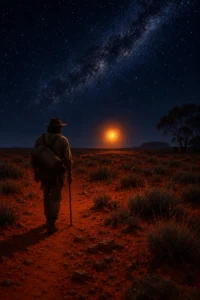
The folk ghost lights (Hinkypunk, Ellylldan, Min-Min light) are, from a scientific perspective, explained mainly by marsh-gas self-ignition, bioluminescence or atmospheric refraction of light (Corliss, William R., ‘Handbook of Unusual Natural Phenomena’, 1986). These explanatory attempts do not rule out the folkloric interpretation but describe a different level of understanding of the same phenomenon.

At iWell Guard we hold both readings in parallel and state the methodological frame in which each statement is made.

Select bibliography on fire spirits:

  • Bachelard, Gaston: Psychoanalyse des Feuers. Hanser, München 1985 (frz. Original 1938).
  • Boyce, Mary: Zoroastrians: Their Religious Beliefs and Practices. Routledge, London 1979.

Note: This selection serves as orientation; detailed entries follow their own curated source list.

Fire Spirits in the iWell Guard Protective Field

Fire spirits fall under Protection Layer 2 of the iWell Guard mantra (see Function Overview). Uncontrolled, destructive fire influences are classified by the protective shield as a burdening influence.

The iWell Guard position follows the historical observation that fire was thought of ambivalently in almost all cultures: as a purifying, warming force (hearth fire, smudging fire) and at the same time as a destructive danger. The idea of protection is directed against the destructive side, not against ritual or domestic fire itself.


Further standard works in the bibliography.

iWell Guard and Protective Traditions

The fire-spirit concepts documented here are a scientific classification of cross-cultural ideas.

Fire itself served in many cultures as a protective means against baleful beings: the protective fire at solstice days, the consecrated protective candle at the home altar, and smudging with herbs to purify rooms go back to the same basic conviction as amulets: visible signs are meant to ward off invisible forces. Anyone who wants to compare different protective traditions will find a classification in the Protection Compass.

A contemporary example of this line of wearable protective objects is manufactured in Germany, with a documented material architecture of 41 layers, real gold, platinum and silver, and a 30-day right of return.

Not a medical device. No promise of healing. Personal perceptions may vary.

Fire Spirits at a Glance

Adranus
Adranus
→ To the being
Aed
Aed
→ To the being
Aganjú
Aganjú
→ To the being
Aleya
Aleya
→ To the being
Atar
Atar
→ To the being
Auahitūroa
Auahitūroa
→ To the being
Boitatá
Boitatá
→ To the being
Caca
Caca
→ To the being
Cacus
Cacus
→ To the being
Chantico
Chantico
→ To the being
Cherufe
Cherufe
→ To the being
Chir Batti
Chir Batti
→ To the being
Curicaueri
Curicaueri
→ To the being
Eate
Eate
→ To the being
Ellylldan
Ellylldan
→ To the being
Enji
Enji
→ To the being
Gabija
Gabija
→ To the being
Girra
Girra
→ To the being
Goibniu
Goibniu
→ To the being
Grannus
Grannus
→ To the being
Gu
Gu
→ To the being
Gugurang
Gugurang
→ To the being
Hinkypunk
Hinkypunk
→ To the being
Hitodama
Hitodama
→ To the being
Hobby Lantern
Hobby Lantern
→ To the being
Ishum
Ishum
→ To the being
Jagaubis
Jagaubis
→ To the being
Joan the Wad
Joan the Wad
→ To the being
Jwala Ji
Jwala Ji
→ To the being
Kagutsuchi
Kagutsuchi
→ To the being
Kamuy-Huci
Kamuy-Huci
→ To the being
Kan-Laon
Kan-Laon
→ To the being
Kitsunebi
Kitsunebi
→ To the being
Kojin
Kojin
→ To the being
Kollivay Pey
Kollivay Pey
→ To the being
Konohanasakuya-hime
Konohanasakuya-hime
→ To the being
Kresnik
Kresnik
→ To the being
Lalahon
Lalahon
→ To the being
Lantern Man
Lantern Man
→ To the being
Logi
Logi
→ To the being
Luz Mala
Luz Mala
→ To the being
Mahuika
Mahuika
→ To the being
Masaw
Masaw
→ To the being
Min-Min Light
Min-Min Light
→ To the being
Nëna e Vatrës
Nëna e Vatrës
→ To the being
Nusku
Nusku
→ To the being
Odqan
Odqan
→ To the being
Ognjena Marija
Ognjena Marija
→ To the being
Onibi
Onibi
→ To the being
Peklenc
Peklenc
→ To the being
Pillán
Pillán
→ To the being
Pyrausta
Pyrausta
→ To the being
Rūaumoko
Rūaumoko
→ To the being
Salamander
Salamander
→ To the being
Black God
Black God
→ To the being
Shango
Shango
→ To the being
Sinmara
Sinmara
→ To the being
Spunkie
Spunkie
→ To the being
Surtr
Surtr
→ To the being
Svarožič
Svarožič
→ To the being
Tatewari
Tatewari
→ To the being
Tine Ghealáin
Tine Ghealáin
→ To the being
Wayland the Smith
Wayland the Smith
→ To the being
Xiuhtecuhtli
Xiuhtecuhtli
→ To the being
Zhurong
Zhurong
→ To the being