Butz, the frightening spirit of the nursery
By Ralf Ittermann · last reviewed on
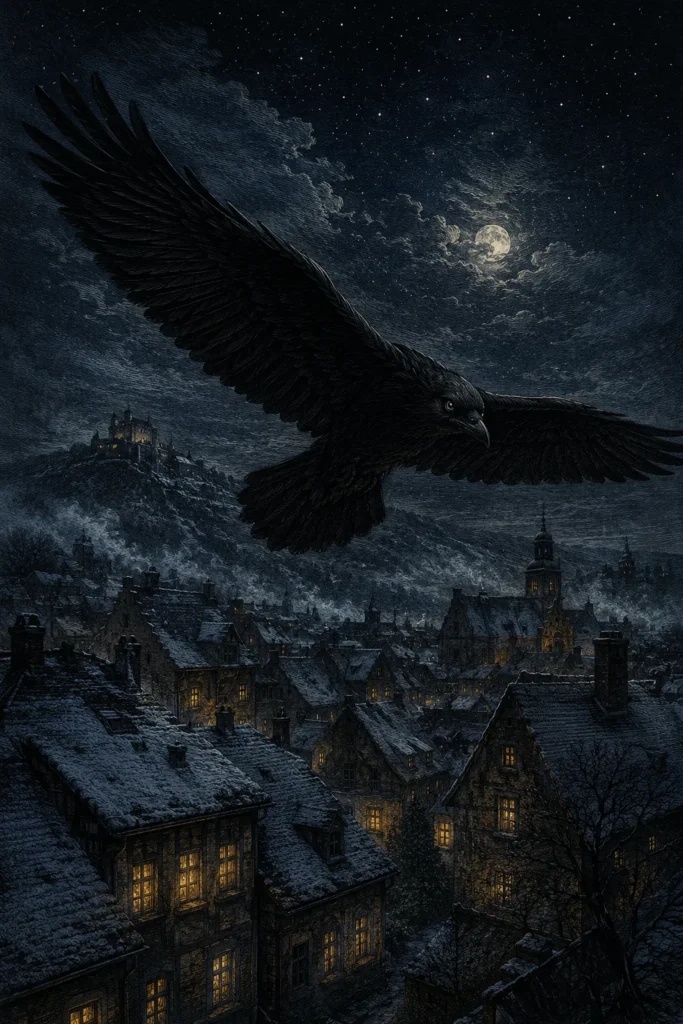
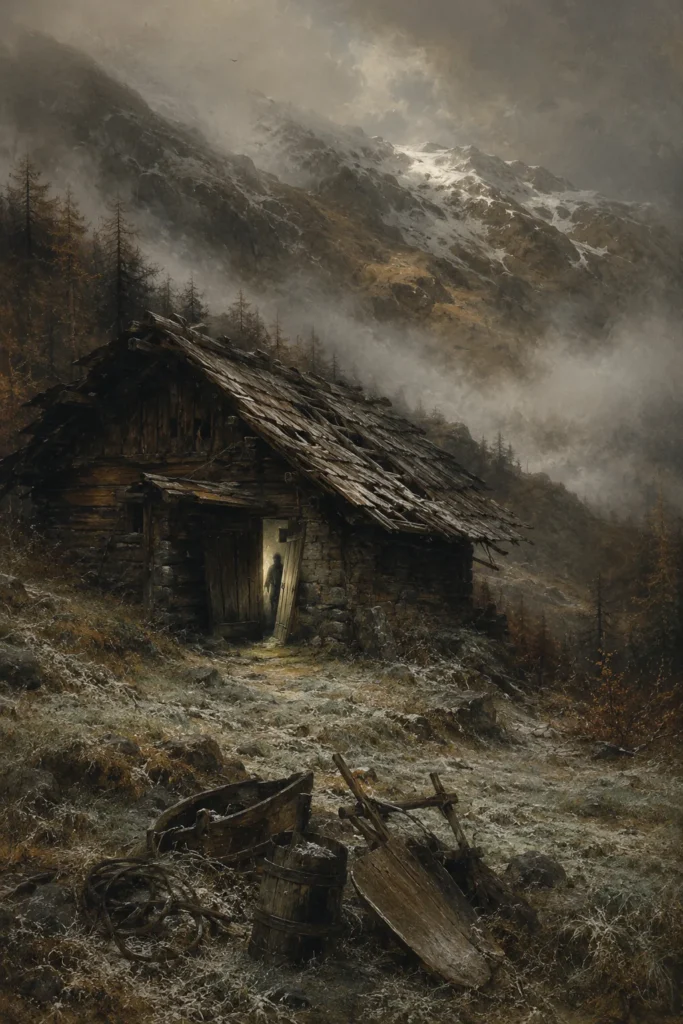
The Butz is a spirit of the alpine tradition.
The Butzemann, who calls disobedient children to order. As a bogeyman of the nursery, the Butz has served for generations to call disobedient children to order. The Butz is regarded as a well-known bogey figure of the Alpine region.
The Butz, also called Butzemann or Bützel, is a southern German and Swiss figure of fright and poltergeist activity, best known as a figure used to frighten children. Originally, the name served as a collective term for frightening demons and ghosts in general, before it narrowed to a familiar figure with which adults admonished disobedient children.
The Butzemann gained fame beyond the narrower circle of legend chiefly through the children’s song about the dancing Butzemann, which appeared in 1808 in Des Knaben Wunderhorn.
Type: figure used to frighten children and poltergeist, sometimes a disguised masked figure
Origin: Middle High German roots, attested in writing from the 16th century
Texts: Liber vagatorum (1510), Deutsches Wörterbuch, Des Knaben Wunderhorn (1808)
Time: at night and in dark corners of the house, at thresholds and behind doors
Appearance: disguised, goblin- or dwarf-like figure, often with a white cloth and broom, or an invisible poltergeist

Textual history
Period of the Texts
An early written record can be found in 1510 in the Liber vagatorum; the figure is attested as a folk song figure since 1808 through Des Knaben Wunderhorn, and in its onomatopoeic, well-known form since 1853.
Area of Diffusion
Widespread in the southern German and Swiss language area, with related forms such as the Frisian-English Puck, the English Bogeyman and the Swedish Pocker in the northern and Scandinavian regions.
Sources
Well documented through dictionaries and collections of legends from a linguistic-historical perspective; as an independent legendary figure, however, the source material is rather sparse and inconsistent.
Name and variants
Origin: A derivation from Middle High German butze, meaning mask, larva, bogeyman, ghost, is considered, as is a connection with Old High German bôzen in the sense of striking, pushing, poltering; the interjection buh is also cited as a possible origin. The diminutive form Bützel points to a small, stocky figure.
Form and effect
Appearance
The Butz appears inconsistently, usually as a disguised, goblin- or dwarf-like figure in a white cloth, occasionally holding a broom, or as an invisible house spirit perceptible only through poltering and knocking. In Alemannic carnival customs, the Butz appears masked and disguised, bearing features of an embodiment of misfortune, plague and death.
Effect
As a figure used to frighten children, the Butz is invoked by adults to induce disobedient children to obey. As a disguised, performed figure, it appeared in person during corresponding customs, knocking and poltering at doors or windows and vanishing again without causing any real harm. The children’s song transformed this effect into something playful: the Butzemann dances around the house and gives well-behaved children apples.
Profile: Butz
The key aspects of the frightening figure at a glance.
Southern German and Swiss figure of fright and poltergeist activity, with relatives such as the English Bogeyman and the Swedish Pocker.
Chiefly children, who are to be admonished to obey, alongside household members in general when faced with unexplained poltering.
Disguised figure in a white cloth with a broom, or an invisible poltergeist; in carnival customs also a masked figure associated with misfortune and death.
An educational figure used to admonish disobedient children, as well as an explanation for nocturnal poltering in the house, without documented real harm.
Not a cult, but an educational custom and carnival mask; the central countermeasure was good behaviour rather than magical defence.
From collective name to figure used to frighten children
The origin of the word Butz is not fully clarified. A derivation from Middle High German butze, meaning mask, larva, bogeyman, ghost, is considered, as is a connection with Old High German bôzen in the sense of striking, pushing, poltering, which points to the poltergeist component of the figure. An early written record can be found in 1510 in the Liber vagatorum, where a Butzeilman is mentioned in the Rotwelsch cant.
As a collective term, Butz initially referred generally to frightening, goblin- or dwarf-like ghosts, and only gradually narrowed into a fixed figure used to frighten children. In 1819, Wilhelm Grimm described the living folk custom in which someone would usually disguise themselves with white cloths and take a broom in hand to frighten children. In Alemannic carnival customs, the Butz also appears as a disguised masked figure, in some places associated with plague and death.
From children's song to figure of speech
The Butz remained known chiefly through the children’s song Es tanzt ein Bi-Ba-Butzemann, whose onomatopoeic form is attested since 1853 and which still ranks among the core body of German-language children’s songs today. As a general figure used to frighten children, the Butzemann lives on in regional figures of speech and in the popular mind as an image for something eerie yet ultimately harmless.
From a religious-studies perspective, the Butz can be read as an example of the narrowing of an originally broad, unspecific term for demons into a single, clearly defined legendary figure. The development from a general frightening ghost, through the disguised adult figure in educational and carnival customs, to a harmless song figure shows how popular figures of fear can be made pedagogically useful without their original, demonic layer of meaning disappearing entirely. As an independent legendary figure causing actual harm, the Butz is barely attested; it remains primarily a figure of fright and education, not a real threat.
Education instead of protective magic
For the Butz as an independent legendary figure, specific, separately transmitted means of defence are not attested in the available sources; in this it differs from more pronounced demonic figures such as the Drud or the Alp. Where the Butz was understood in a broader sense as a disguised poltergeist, people drew on the means generally used in house protection against unexplained poltering and nocturnal disturbance, such as signs and herbs at thresholds, as well as order and cleanliness in the house. The central countermeasure against the Butz as a figure used to frighten children was not, however, a magical one, but an educational one: good, obedient behaviour.
Schrat, Wild Man and other house spirits
The Butz belongs to a broad family of goblin- and poltergeist-like house spirits. Closely related to it is the Schrat, which likewise shifts between forest spirit and house spirit, as well as the Wilder Mann, a masked, frightening figure of folk customs. The more helpful Heinzelmann and the ship-bound Klabautermann share with the Butz the basic figure of the small, poltergeist-like house spirit, but their effect leans more towards being helpful or warning rather than pure fright.
Frequently asked questions about the Butz
Is the Butz the same as the Butzemann from the children’s song?
Essentially yes, but the song ‘Es tanzt ein Bi-Ba-Butzemann’ transformed the older, more serious frightening figure into a friendly, dancing dwarf who gives good children apples. The original warning function of the name is only faintly recognisable in this.
Where does the name Butz come from?
Linguistic research is not entirely in agreement; a derivation from Middle High German butze, meaning mask, ghost, and a connection with bôzen, meaning to push, to rumble, are both considered.
Is the Butz dangerous?
According to tradition, not in the sense of a real threat; it primarily serves to discipline disobedient children and appears in Fasnacht customs as a performed masked figure. Independent legends featuring actual harm caused by the Butz are barely documented.
Further links
Further reading:
- Alpine region – all beings of the alpine legendary world
- Schrat, Wilder Mann – related forest and frightening figures
- Heinzelmann, Klabautermann – further small house spirits
- Threshold protection, House protection, Bells – traditional protective means
- Protection Compass – protective means at a glance
Literature (selection)
Further standard works in the bibliography.
As a Butz legendary figure, this character survives to this day above all in the children’s song about the Bi-Ba-Butzemann: a frightening figure that, over time, turned from a warning ghost into a dancing, apple-giving house spirit of the nursery.