Funayūrei, the Water-Scooping Spirits of the Drowned
By Ralf Ittermann · last reviewed on
Funayūrei are spirits of Japanese tradition.
Drowned sailors scoop water into foreign boats with ladles. The tradition names them the Water-Scooping spirits, drowned sailors who fill foreign boats until they sink. Funayūrei are ship spirits of Japanese legend, and the following pages set out how the seafaring context shapes the accounts.
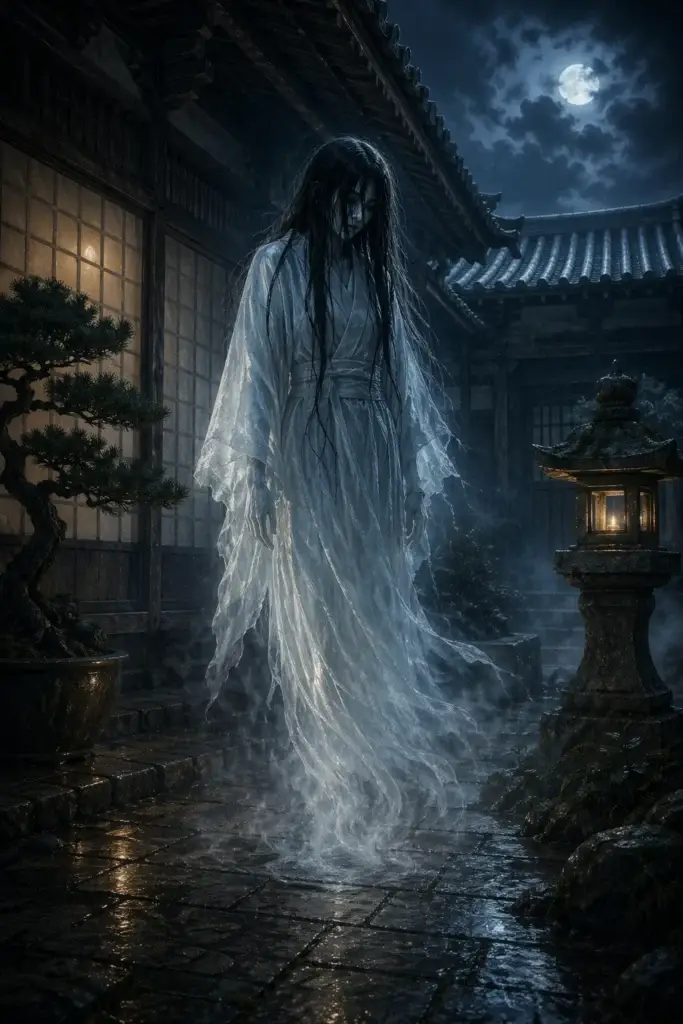
The Funayūrei, also spelled Funayurei, are in Japan the spirits of those who died at sea: a luminous mist that at night takes the form of a ghost ship.
With ladles they fill boats with water until they sink, as muenbotoke, the dead without funeral rites.
Type: ship spirits of those who died at sea
Origin: Japanese seafaring tradition
Texts: Toriyama Sekien, 1779
Period: Edo period to the present
Appearance: pale figures, ghost ship

Context of Tradition
Period of the Texts
Oral folk tradition, first recorded pictorially around 1779 by Toriyama Sekien.
Area of Diffusion
The coasts and seas of Japan, especially the Seto Inland Sea and the Chōshi region.
Sources
Good: regional legends and Yōkai picture books since the Edo period.
Name and variants
Japanese: funa means ship, yūrei spirit of the deceased. Regionally also mōjabune, bōko, ayakashi.
Appearance and Behaviour
Appearance
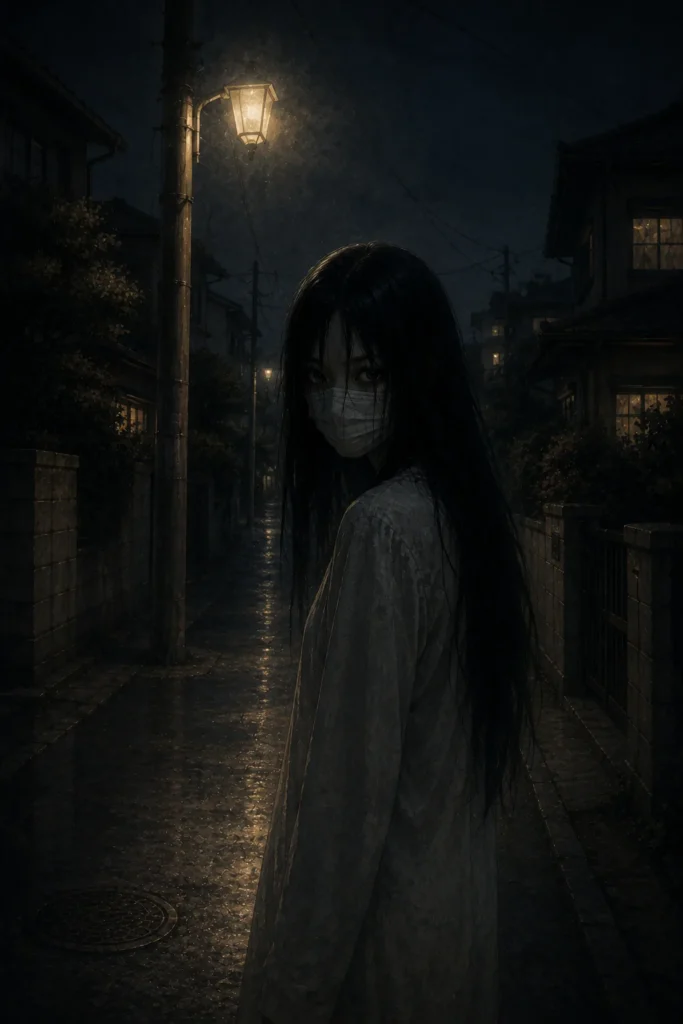
White funeral garments mark the Funayūrei, often first appearing as a luminous mist before a ghost ship takes shape.
Effect
With ladles they fill boats with water until they sink.
Profile: Funayūrei
The key aspects at a glance.
A fixed part of the Japanese Yōkai canon since the Edo period.
Boats and sailors, especially at night and during the Obon season.
Pale figures in funeral garments, a ghost ship formed from mist.
Flooding of boats, a growing ghostly crew.
A bottomless ladle, rice balls, avoiding taboo days.
Muenbotoke: the Unappeased Dead of the Sea
The name is composed of funa, ship, and yūrei, spirit of the deceased. Toriyama Sekien created the first pictorial version around 1779.
Underlying it is the concept of muenbotoke, the dead without funeral rites. In Shimane, the sixteenth night of Obon is considered a taboo day for setting sail.
From Yōkai Picture Book to Manga Classic
The Funayūrei are firmly rooted in the Yōkai canon, appearing in Shigeru Mizuki’s GeGeGe no Kitarō as well as in anime and manga.
In terms of religious studies, they are muenbotoke, unappeased spirits of the drowned, whose wrath arises from missing funeral rites.
The Bottomless Ladle and Other Countermeasures
People keep a hishaku without a bottom ready, one that cannot scoop water. Widespread is the throwing of rice balls into the sea as well as avoiding taboo days.
Salt, holy water and amulets are considered protective means.
Ghost Ships and the Drowned in Comparison
The Funayūrei belong to the circle of Japanese sea beings around the Kappa and the sea spirit Mouren Yassa. As spirits of the drowned, the Korean Mul Gwishin is also related to them.
Frequently asked questions about Funayūrei
What is the bottomless ladle for?
If you hand it to the spirits, they can no longer scoop water.
What distinguishes them from the Umibōzu?
The Umibōzu is a giant figure, while the Funayūrei are spirits appearing as a ghost ship.
Further links
Further reading:
Literature (selection)
Further standard works in the bibliography.
Anyone searching for Funayurei ghost ship tales or a drowned-spirit of Japan will find the same figure: a soul scooping water until the bottomless ladle is handed to it.