Yacuruna, water people of the mirror-reversed river city
By Ralf Ittermann · last reviewed on
Yacuruna are spirits of Peruvian (Amazonian) tradition.
Water people with reversed feet beneath the Amazon.
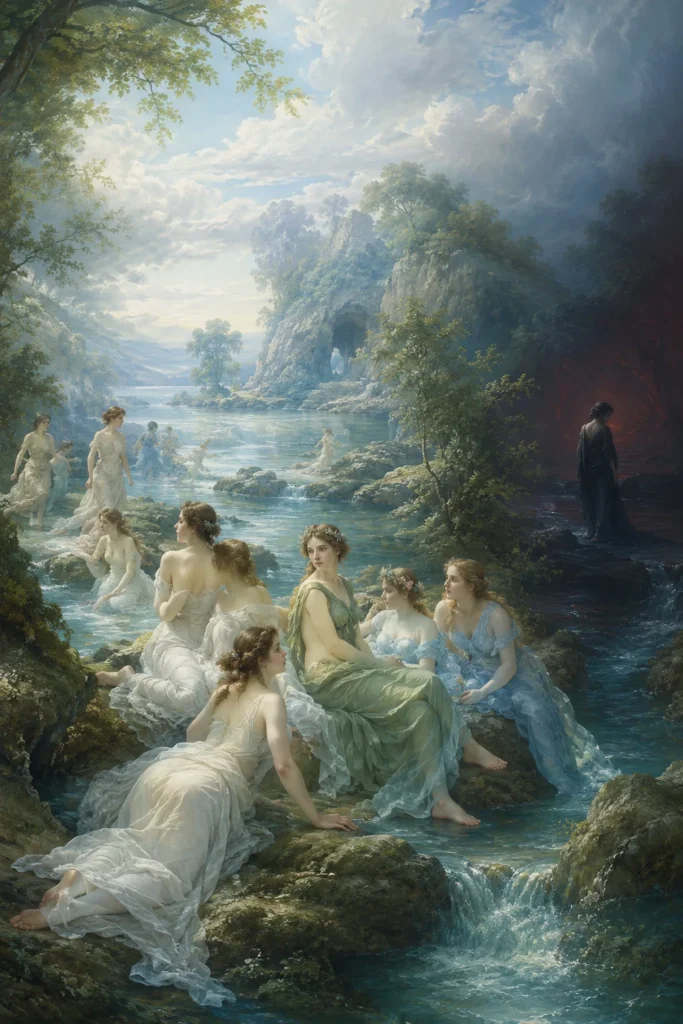
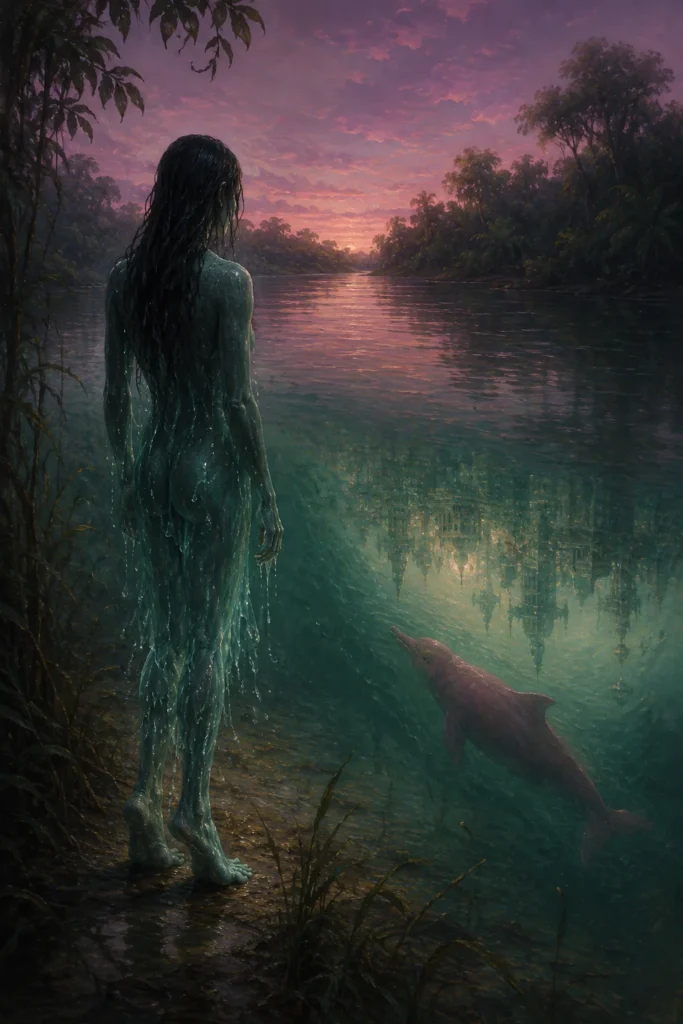
The Yacuruna are regarded as water people of the Peruvian Amazon; their name comes from Quechua: yaku, water, and runa, person. They inhabit a mirror-reversed river city and can transform into human, dolphin or giant serpent.
Those who come too close are abducted; as helper spirits they can also impart healing knowledge.
Type: Water people
Origin: Amazonian folk belief of Peru
Texts: ethnography
Period: oral, documented since the 20th century
Appearance: humanoid, reversed feet
Region of Origin and Sources
Period of the Texts
Orally transmitted, documented since the 20th century, still alive today within the ayahuasca tradition.
Area of Diffusion
The Peruvian Amazon region around Iquitos, bordering Brazil and Colombia.
Sources
Documented ethnographically, for instance by Luis Eduardo Luna, with no dedicated German-language monograph.
Name and variants
Quechua: yaku, water, and runa, person: Yacuruna literally means water people.
Appearance
Appearance
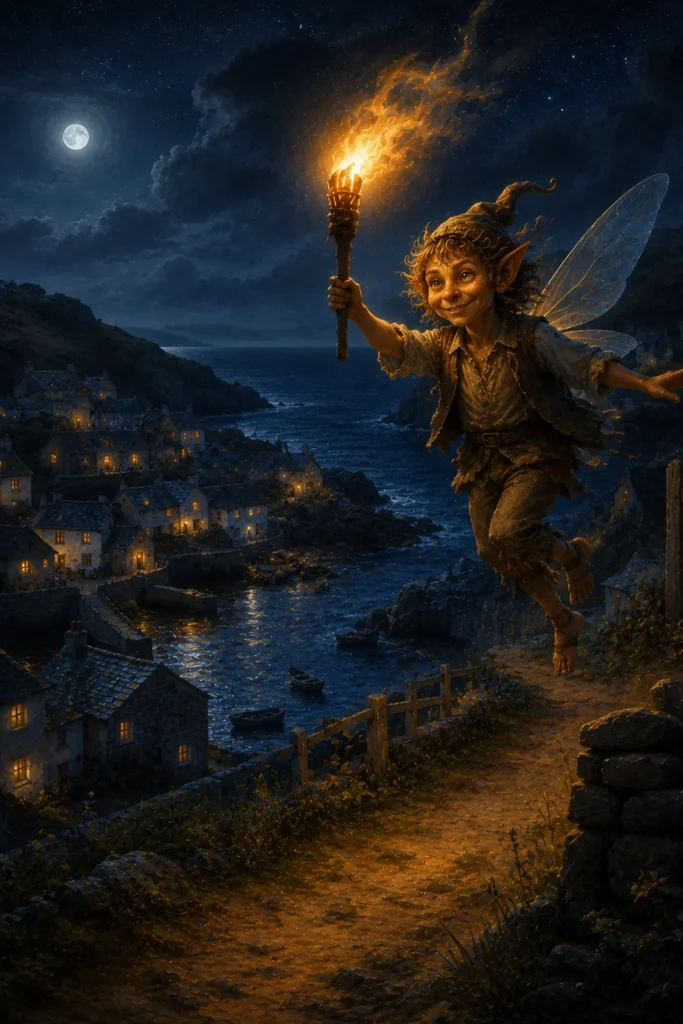
Humanoid water beings with reversed feet, a sign of the mirror-reversed underwater world.
Effect
They lure people and turn them into Yacuruna; as helper spirits they also impart healing knowledge.
Profile: Yacuruna
The key aspects of the water people at a glance.
Amazonian folk belief of Peru, rooted in the vegetalismo healing tradition.
Fishermen and river dwellers when careless; shamans acting as those who call upon them.
Humanoid form with reversed feet; capable of transforming into a dolphin or giant serpent.
Abduction of the careless, but also healing knowledge for the reverent.
Reverent behaviour by the water; the curandero retrieves those who have been abducted.
The Boto Encantado as a shapeshifting figure, along with Iara and Ipupiara from the same river basin.
From the Quechua name to shamanic vision
Yaku, water, and runa, person, together give the water people, rooted in vegetalismo and in ayahuasca visions.
Their defining feature is inversion: feet turned backward, and sometimes a head facing backward; their underwater cities mirror the human world.
Legends around Iquitos and ayahuasca culture
The Yacuruna belong to the body of Amazonian legends around Iquitos and remain present in ayahuasca culture.
From a religious-studies perspective they are nature spirits, liminal beings between the human and aquatic worlds, better described as ambivalent spirits than as demons.
Reverence for the river and the curandero
Well documented is the practice of respect towards the water: reverent behaviour, rituals of thanks. The curandero mediates and retrieves those who have been abducted. Amulet, incense burning and salt are regarded as protective means.
Water seducers of the Amazon and beyond
The closest parallel is the Boto Encantado, their shapeshifting counterpart, along with Iara and Ipupiara. Different is the Berberoka: it deliberately drowns its victims, whereas they tend to lure.
Frequently asked questions about the Yacuruna
Are the Yacuruna evil?
No, they are ambivalent: dangerous to the careless, otherwise bearers of healing knowledge.
Why do they have reversed feet?
They mark their affiliation with the mirror-reversed underwater world.
Further links
Internal links:
Literature (selection)
Further standard works in the bibliography.
Yacuruna Amazon: As water people of Peru, they inhabit a mirror-inverted city beneath the river, where humans become Yacuruna and Yacuruna become allies of shamans.