Berberoka, the water thief of the Apayao swamps
By Ralf Ittermann · last reviewed on
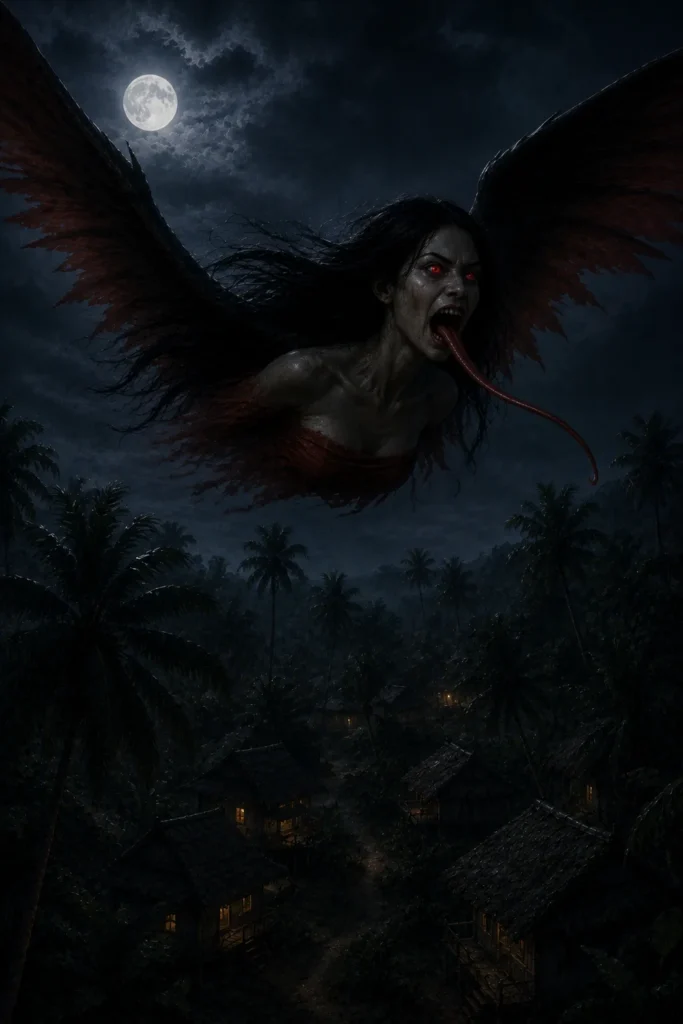
Berberoka is a demon of Philippine tradition.
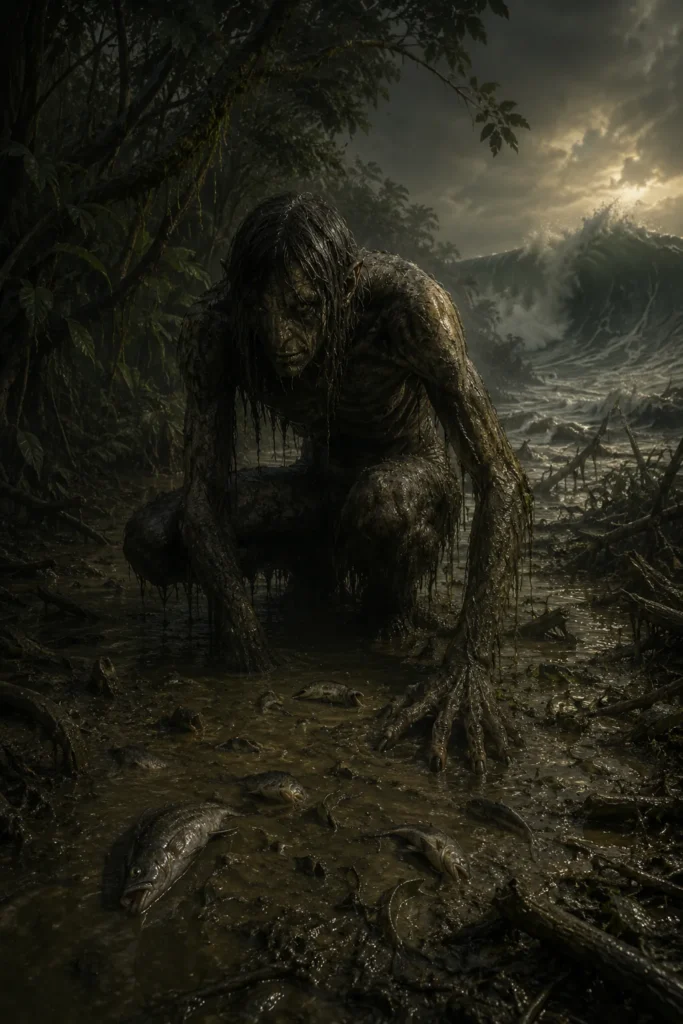
It drains the water and drowns its victims in the flood. The account names this demon the water thief of the Apayao swamps, draining pools before drowning its victims.
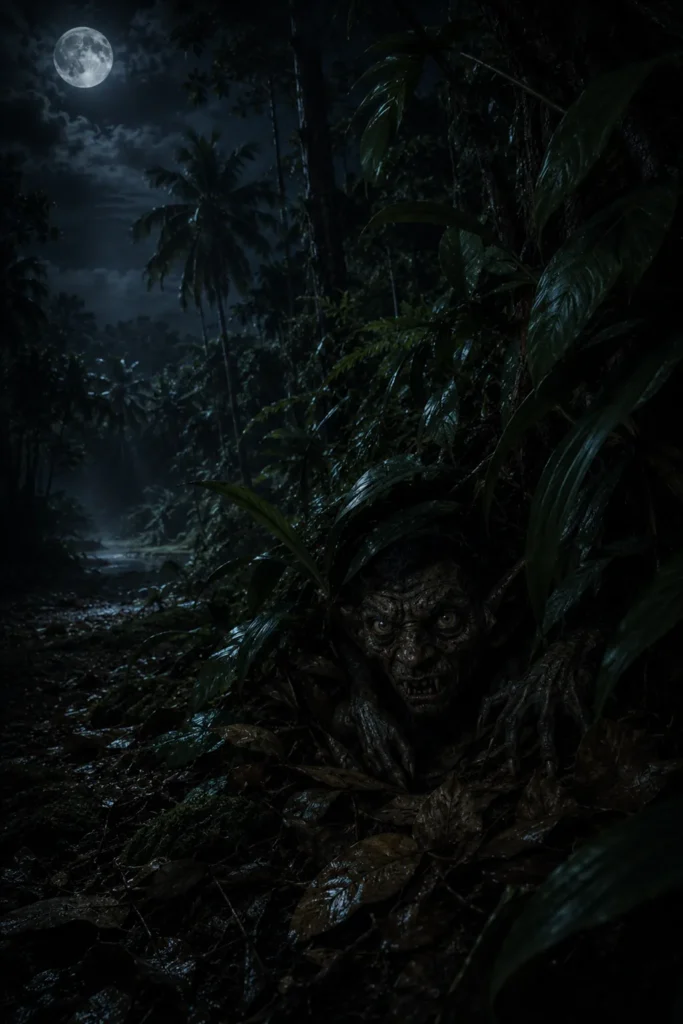
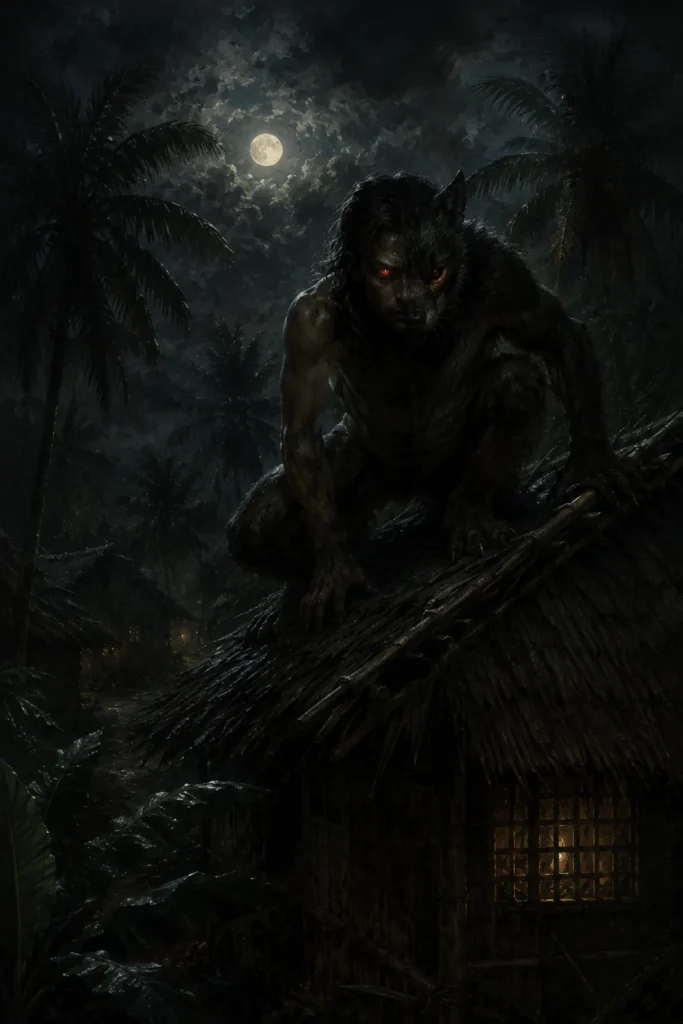
The Berberoka is a swamp monster of the Apayao in northern Luzon, an ogre-type being capable of changing size.
Its cunning: it drains ponds and rivers, exposing fish and luring people in, before the flood surges back and drowns them.
Type: Swamp monster, ogre type
Origin: Apayao folklore
Texts: Ramos tradition
Period: orally transmitted
Appearance: large, size-shifting being
Context of Tradition
Period of the Texts
Oral folklore of the Apayao and neighbouring groups, documented in the Ramos tradition and in bestiaries.
Area of Diffusion
Northern Luzon, above all the provinces of Apayao, Abra and Ilocos Norte.
Sources
Sparse: based on Ramos and bestiaries, academic specialist literature is lacking.
Name and variants
Language: The name Berberoka, also Berbaroka, is not etymologically secured; in English often translated as ogre.
Appearance and Behaviour
Appearance
Large, humanlike, size-shifting being of the ogre type found at swamps and rivers.
Effect
It drains water so that fish flounder; when people approach, the flood surges back and drowns them.
Profile: Berberoka
The key aspects of the swamp monster at a glance.
Part of the northern Luzon monster pantheon, listed alongside the Aswang types.
People near swamps, lured by exposed fish.
Large, gaunt monster that changes its size at will.
Water as a weapon: first drawn away, then a flood strike to drown victims.
Carrying crabs deters it; salt is not attested as protection.
The Sirena shares the luring motif but without song; unlike the Yacuruna, the Berberoka knows no negotiation.
Cunning at the empty riverbed
The Berberoka, also Berbaroka, belongs to Apayao folklore, attested for Apayao, Abra and Ilocos Norte, based on Ramos and bestiaries.
Its trickery is characteristic: water itself as a weapon, first receding, then suddenly striking back.
Minor figure of northern Luzon folklore
The Berberoka is listed among lesser-known Philippine legendary beings, less prominent than Aswang or Sirena.
From a religious-studies perspective, it is a predatory swamp demon with a bait trap: a cautionary myth about treacherous waters.
The crab taboo as protection
Well attested: the Berberoka fears crabs; carrying them deters it. In one legend, a woman kills it with an axe hidden in her hair, hence iron is considered a means of defence. Salt is not attested; crabs, amulet and protective circle remain source-based.
Water traps compared
Frequently asked questions about the Berberoka
How does the Berberoka kill?
It drains the water, lures with fish, and drowns its victims in the returning flood.
What is its weakness?
Crabs are considered a source-based countermeasure.
Further links
Internal links:
Literature (selection)
Further standard works in the bibliography.
Berberoka Philippines: As a swamp monster of Luzon, the water withdraws before striking back with lethal force, dragging unwary fishermen into the flood.