Guabancex, mistress of the storm collective
By Ralf Ittermann · last reviewed on
Guabancex is goddess of Taíno tradition.
The zemí who unleashes wind and water.
Guabancex is the Taíno zemí of storm and hurricanes. When angered, she unleashes wind and water and uproots trees; she acts as a triad with her herald Guataúva and the flood-bringer Coatrisquie.
The confirmed primary source is Fray Ramón Pané’s account of around 1498, which describes her as a female cemí, a stone idol. Importantly: she unleashes the storm, but is not herself named Hurricane; among the Taíno the storm is called juracán.
Type: Zemí of storm and hurricanes, mistress of a storm collective
Origin: Pre-colonial Taíno of the Greater Antilles
Texts: Ramón Pané, Relación acerca de las antigüedades de los indios, c. 1498
Period: pre-colonial era, documented around 1498
Appearance: female stone idol, a cemí

Context of Tradition
Period of the Texts
The figure belongs to pre-colonial Taíno culture; the confirmed primary source is Fray Ramón Pané’s account of around 1498, specifically chapter 23.
Area of Diffusion
The Greater Antilles and the Caribbean; Pané locates the idol in the territory of cacique Aumatex.
Sources
The source base is good but narrow: Pané’s Relación acerca de las antigüedades de los indios is the only confirmed primary source.
Name and variants
Taíno: Guabancex is a Taíno and Arawak name whose meaning cannot be securely established by etymology; interpretations such as Mistress of the Winds are reconstructions. The name does not mean hurricane: the storm is called juracán, and the word huracán does not appear in Pané.
Description
Appearance
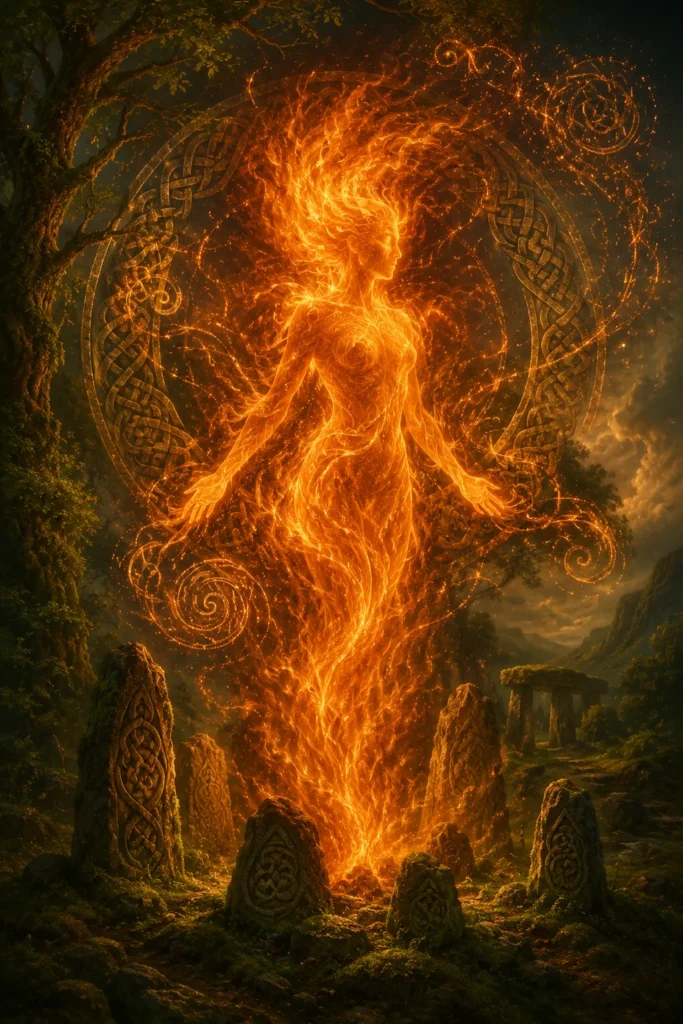
Pané describes only a female stone idol, without outstretched arms and without a spiral. The famous spiral or two-armed image often linked with the hurricane symbol is a modern interpretation of Antillean petroglyphs, retrospectively projected onto Guabancex.
Effect
When angered, Guabancex unleashes wind and water and uproots trees. She acts as a triad: she commands, Guataúva mobilises the storm forces as herald, and Coatrisquie gathers mountain water and sends it crashing down destructively. She is thus less a personification of storm than the mistress of a storm collective.
Profile: Guabancex
The key aspects of the storm zemí at a glance.
Female cemí of the pre-colonial Taíno, documented by Pané in the territory of cacique Aumatex; part of the Caribbean storm zemís.
The Taíno communities of the Greater Antilles, whose island world was directly exposed to storms and hurricanes.
A female stone idol, a cemí; the popular spiral and two-armed image is a modern interpretation, not Pané’s description.
Unleashed and angered, she stirs wind and water and uproots trees; she commands the triad of herald Guataúva and flood-bringer Coatrisquie.
For Guabancex specifically, Pané records no ritual or sacrificial practice; more generally for zemís he mentions idols, shaman consultation and the cohoba ritual.
Hurakan, the Heart of Heaven of the K’iche’: whether the Taíno word and the Maya name are connected remains unresolved.
Pané's chapter 23: the triad of the storm
Guabancex is a Taíno and Arawak name whose meaning cannot be securely established by etymology; interpretations such as ‘Mistress of the Winds’ are reconstructions. The reliable primary source is Fray Ramón Pané’s Relación acerca de las antigüedades de los indios of around 1498, specifically chapter 23.
There, Guabancex is a female cemí, a stone idol, in the territory of the cacique Aumatex, with two companions: Guataúva, the herald, who mobilises the zemís of wind and rain, and Coatrisquie, who gathers mountain water and sends it crashing down destructively. Guabancex commands, the companions execute: a storm as a collective division of labour.
Modern reception and classification
Guabancex is very present in Puerto Rican and Caribbean identity, Neo-Taíno and feminist reception, as a goddess of chaos and transformation, and is taken up journalistically during hurricane seasons. Many popular sources mix Pané’s facts with unsubstantiated embellishments.
From a religious-studies perspective, Guabancex is solidly grounded through the genuine primary source Pané, with name, triad and function of destruction. Important clarifications: Pané shows only a stone idol; the arm and spiral motif is a 20th-century interpretation. And Guabancex does not mean hurricane; the storm is called juracán, and the word huracán does not appear in Pané.
Zemí cult without a storm ritual
Pané provides no concrete ritual, offering or protective practice specifically for Guabancex. For zemís in general he records carved idols, questioning by the shamans, the buhitihu, and the cohoba ritual with a hallucinogenic snuff powder; relating this directly to Guabancex, however, would not be supported by the sources. Appeasement offerings specifically for her are likewise not attested in the primary sources.
Guabancex and the hurricane question
Guabancex corresponds to the K’iche’ storm god Hurakan, the Heart of the Sky, and stands within the line of Caribbean storm zemís. The distinction here is as important as the parallel: Hurakan is a creator figure of the Popol Vuh, Guabancex a documented cult figure of the Antilles, and whether the Taíno word and the Maya name are related remains unresolved. The European word hurricane derives directly from the Caribbean hurakán, not from her name.
Frequently asked questions about Guabancex
Who is Guabancex?
The Taíno zemí of storms and hurricanes, who acts as a triad together with Guataúva and Coatrisquie.
Is the spiral symbol old?
No. Pané describes only a stone idol; the spiral and arm motif is a 20th-century interpretation.
Does Guabancex mean hurricane?
No. The storm is called juracán; the word huracán does not appear in Pané.
Further links
Further reading:
- Hurakan – the Heart of the Sky of the Maya, on the hurricane question
- Amulet, Salt, Protective candle – traditional protective means
- Protection Compass – protective means at a glance
Literature (selection)
Further standard works in the bibliography.
Known as the Mistress of Hurricanes and, in modern usage, as the Taíno storm goddess, Guabancex remains the best-attested storm figure of the Caribbean: a stone idol in Pané, a triad in myth, and a name recalled anew with every hurricane season.