The female nature spirit of mountains, forests, and springs.
The Vila (South Slavic Vila, Bulgarian Samodiva or Samovila) is a female nature spirit found primarily in Serbian, Croatian, Bulgarian, and Slovenian tradition.
Vile appear as beautiful young women with long, flowing hair, often winged or clad in white garments, and they inhabit mountains, forests, clouds, springs, and lakes. They are neither clearly good nor clearly evil; instead, they embody the unpredictable power of wild nature.
Vile can heal, prophesy, and assist heroes. In Serbian heroic epic poetry, the Vila is the sworn sister and helper of Marko Kraljević. At the same time, they are dangerous: anyone who disturbs their round dance (the kolo), pollutes their spring, or eavesdrops on them is punished with illness, paralysis, or being forced to dance until death.
Some traditions interpret the Vila as the soul of a girl who died unbaptized or between betrothal and wedding.
Type: female nature spirit, ambivalent (healing and dangerous)
Origin: South Slavic nature belief, partly souls of the unbaptized deceased
Texts: South Slavic heroic epic poetry, folk songs, 19th-century ethnographies
Period: pre-Christian to the present
Habitat: mountains, forests, clouds, springs, lakes
Pre-Christian South Slavic tradition, richly documented in oral heroic epic poetry and folk song. The central collection phase took place in the 19th century through Vuk Stefanović Karadžić; the figure continues to be documented in Balkan folklore studies to this day.
The South Slavic heartland: Serbia, Croatia, Bosnia, Bulgaria (where the form is Samodiva), Slovenia, and North Macedonia. Related figures extend into the West and East Slavic world; however, the winged, dancing mountain woman is most densely attested in the South Slavic sphere.
Serbian heroic songs (Karadžić), Bulgarian and Macedonian folk-song collections, Croatian and Slovenian ethnographies, modern Balkan folklore studies.
Serbian/Croatian: Vila, plural Vile.
Bulgarian/Macedonian: Samodiva, Samovila.
Slovenian: Vila. In the German-speaking world the form Wila became established.
Etymology: disputed; proposed connections include Proto-Slavic viti (“to wind, to whirl”), with reference to the whirlwind and the round dance.
The Bulgarian name Samodiva is interpreted by folk etymology as “the one who is wild/divine for herself” and emphasizes the independence and untameable quality of the figure in relation to human order.
Beautiful young women with long, flowing hair, usually in white garments, often winged or possessing the ability to fly. In some traditions they have goat or horse feet, which they conceal beneath their clothing.
They dance the round dance (kolo) on mountain meadows, sing, heal with herbs, and prophesy. When disturbed, spied upon, or insulted, they punish with illness, paralysis, loss of voice, or dancing until exhaustion.
Mountain summits, forest clearings, clouds, springs, and lakes. Certain locations, round dances in the grass, individual trees, and springs are regarded as Vila places that people should avoid or enter with respect.
The Vila belongs to the ambivalent female nature spirits of the Slavic world, related to the East Slavic Rusalka. She combines two layers: the soul of an unredeemed deceased person and the personified power of wild nature.

The most important aspects of the Vila at a glance.
Female nature spirit of South Slavic folk religion, ambivalent between healing and punishment. Related to the East Slavic Rusalka.
Wanderers, shepherds, and heroes in the mountains, especially those who disturb their round dance, pollute their spring, or eavesdrop on them.
Beautiful young woman with long, flowing hair, white garment, winged or in flight; sometimes with concealed animal feet.
Heals, prophesies, and aids heroes; when disturbed, she punishes with illness, paralysis, or dancing until exhaustion.
Avoid Vila places, do not disturb their round dance, keep springs clean. Offerings of flowers, cakes, and ribbons placed at Vila trees were considered acts of reconciliation.
Rusalka, the Bulgarian Samodiva, nymphs of the ancient tradition, fairy- and elf-like nature spirits of Europe.
The most dangerous times were considered to be noon and midnight, as well as the weeks around Whitsun and Midsummer’s Day, when the Vile were said to dance with particular intensity. Shepherds and travellers would then avoid the high-lying meadows and individual trees.
People avoided Vila places, did not disturb any round dance in the grass, and kept springs clean. As a gesture of reconciliation, flowers, cakes, honey, or colourful ribbons were laid at Vila trees. Women skilled in herbal knowledge were considered capable of lifting illnesses inflicted by Vile.
Not every encounter was threatening: in heroic epic poetry, the Vila becomes the sworn sister (posestrima) of the hero, warns him, heals his wounds, and lends him her knowledge. Respectful conduct could transform the dangerous power into an ally.
South Slavic heroic epic poetry: In the Serbian heroic songs collected by Vuk Karadžić, the Vila is the constant companion of Marko Kraljević: helper, warner, and sworn sister. This makes her one of the defining figures of Balkan epic poetry.
Folk song and custom: Bulgarian and Macedonian Samodiva songs kept the figure alive well into the 20th century; ethnographic collections document numerous regional variants.
The Vila is present in literature, dance, and popular culture across the Balkans, and is received in neo-paganism and esotericism as a symbol of female natural power.
Recommended internal links:
A selection of key works on the Vila:
The protective and apotropaic practices presented here represent a religious-studies classification of established folk tradition. iWell Guard stands in the cultural-historical lineage of wearable protective objects and is a contemporary form of that tradition. More about iWell Guard →
Against its influence, cross-cultural tradition names these protective means:
Recommended protective means
The simplest protective means in this collection: 41 layers of fine gold 999, platinum, silver and silicon, manufactured in Ruhla, Thuringia. It requires no activation, is bound to no person, and is effective within a radius of around 50 meters, even without being worn.
Related Beings

The Nachtkrapp: nocturnal terror bird of South German-Austrian children's folklore. Origin, appea...

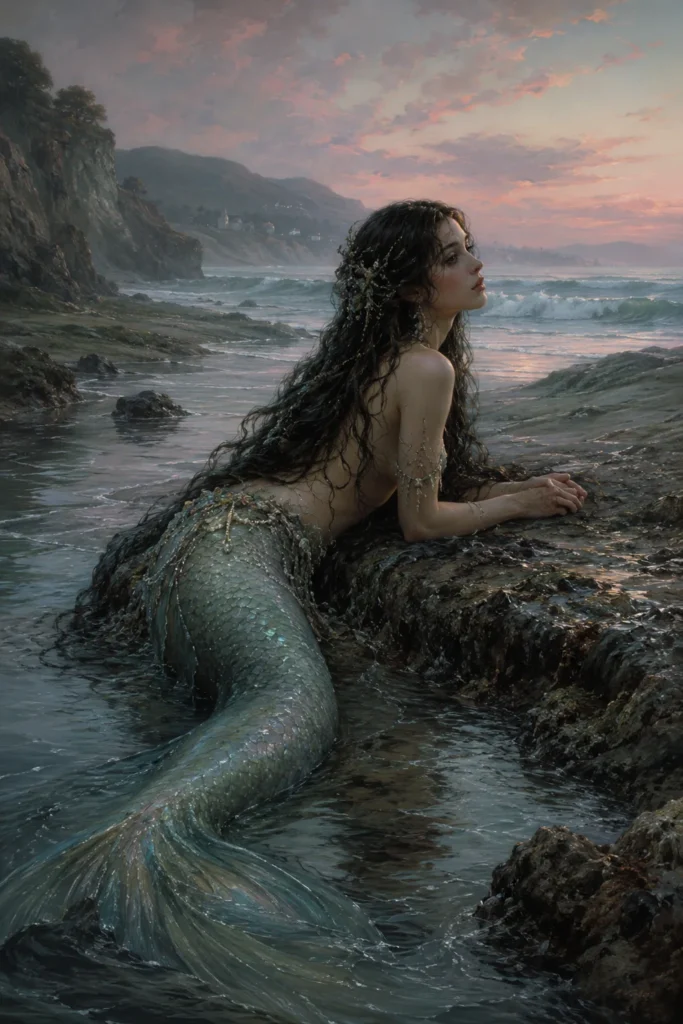
Pania of the Reef, the beautiful sea woman of the Māori. Origin, the tragic love for Karitoki and...

Melusine: the legend of the serpent-bodied ancestress of the Lusignan, of the Saturday bath and t...

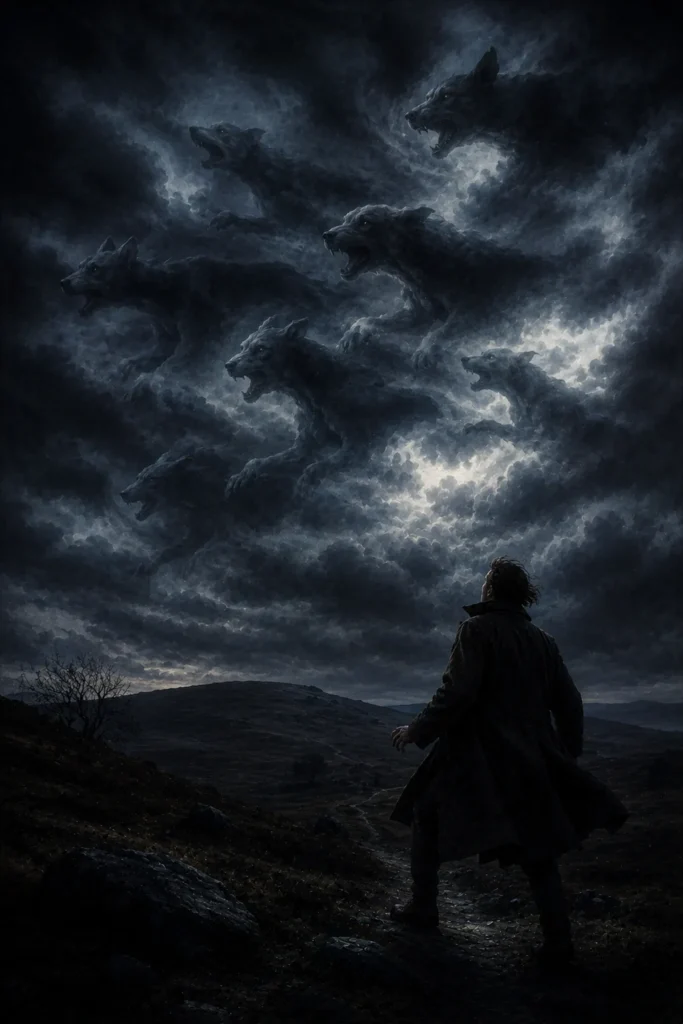
Cŵn Annwn, the spectral hounds of Annwn. Origin in the Mabinogi, the Wild Hunt under Arawn and Gw...

Curupira, the Tupi forest protector with feet turned backwards. Origin, the false trail, the red ...

Apu Ausangate is the foremost mountain deity of the southern Peruvian Andes, a central reference ...