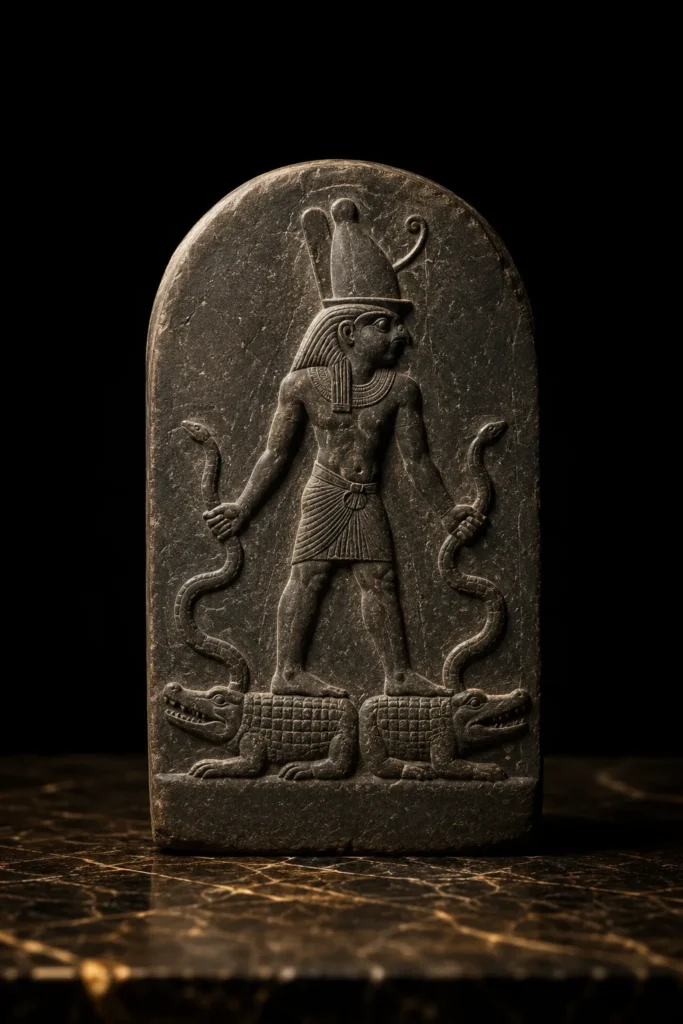
Iron and Cold Iron as Protection Against Spirits
By Ralf Ittermann · last reviewed on
Hardly any means of protection is as firmly anchored in European folk tradition as iron. From the British Isles to Eastern Europe, from Scandinavia to the Mediterranean region, the metal is regarded as an insurmountable barrier against a broad class of harmful beings.
Of particular importance here is the concept of “cold iron”: the raw, unworked metal that has not yet seen the smith’s hammer and therefore, according to folk belief, retains its natural warding power unbroken.
Iron belongs to the group of protective substances and protective plants and within it holds the position of a universal barrier metal: less oriented toward purification than salt, and instead directly toward the physical and magical breaking of hostile forces.
Quick overview
In tradition, iron is regarded as the most effective material means against more-than-human beings, especially against fairies, kobolds, elves and similar nature spirits. Iron nails in door posts, horseshoes above entrances, iron rings around cradles and grasping an iron object are among the most frequently described protective practices.
The term “cold iron” denotes unforged or raw metal, to which a particularly strong warding effect is attributed. In Celtic traditions the enmity between iron and fairy beings is regarded as absolute and as requiring no explanation: it is a given property of the world.
Origin and tradition
The tradition of iron as a means of protection is closely linked to the transition from the Bronze Age to the Iron Age.
For millennia, ironworking was a specialised craft surrounded by mystery: in many cultures the smith stood between the worlds, and his metal was regarded as something that challenged or overcame the order of the powers that had existed before. Beings belonging to the old order could, by this logic, offer nothing against the new metal.
In Irish and Scottish traditions, the enmity between iron and the fairy folk is documented in particular detail. In the early 19th century, Thomas Keightley recorded numerous accounts in which touching or showing an iron object put the fairy folk to flight.
Branches of rowan wood, which were likewise regarded as protective wood, were in this tradition often used together with a piece of iron.
In Germany and Austria, the Handwörterbuch des deutschen Aberglaubens attests iron nails as a means of protection on house and stable doors, iron under the pillow against nightmares, and pieces of iron in children’s beds against the changeling.
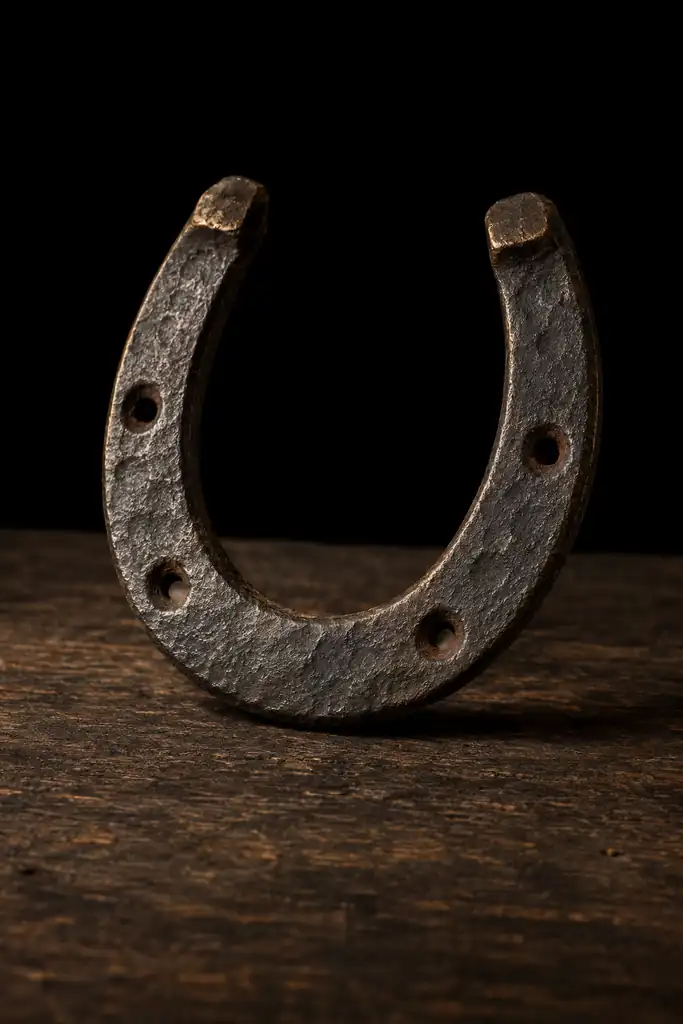
The custom of hanging a horseshoe above the entrance door combines, in folk tradition, the protective effect of iron with the horseshoe shape, which is itself regarded as a sign of luck and protection.
In Nordic traditions, smiths were held in particular reverence, and smith gods such as the Germanic Wayland were among the most powerful mythological figures. The esteem for iron was reflected in numerous protective customs: plowshares were specially kept over the winter nights, and scythe blades were stuck into the earth before the first autumn storm.
Principle according to tradition
The tradition gives various explanations for why iron has a warding effect on hostile beings.
The most widespread is the notion that iron belongs to a different, younger order than the beings it wards off.
According to Celtic understanding, fairies, elves and related spirits are beings of the old time, of the world before iron. The metal represents a human mastery over nature that is intolerable or insurmountable for these beings.
In addition, in tradition shaped by Christianity there is a theological justification: iron is regarded as a metal of creation that stands opposed to the diabolical and the demonic, because it embodies the order of God.
From this layer of tradition comes the custom of casting church bells from iron or bronze, that is, of giving the sound a material protective substance.
A third level of explanation, especially in Germanic traditions, emphasises the connection of iron with fire and lightning: iron struck by lightning is regarded as a particularly potent means of protection. Thor, as god of thunder and protector of humankind, fights with an iron hammer; the metal carries this association with celestial power.
Cross-cultural spread
The warding tradition of iron is predominantly a European phenomenon, but is also found elsewhere.
In north-western Europe, especially on the British Isles and in Ireland, iron is the most strongly documented means of protection against the fairy folk. Iron horseshoes, iron rings and the touching of iron objects are omnipresent in Irish and Scottish folk-belief accounts of the 18th and 19th centuries.
In central and eastern Europe, iron is regarded as protection against witches, vampire beings and threshold spirits. Iron nails in door posts and gate beams are among the protective measures documented across the area from the Rhine to the Vistula.
In the Near East, iron is described in some Arabic and Persian folk-belief traditions as protection against jinn. Iron rings or amulets set with iron are found in the folk medicine of the Levant region.
In East Asia, iron has a less central protective function, but appears in some Chinese and Korean purification traditions as a warding material.
What it is used against
According to traditional accounts, iron works above all against the following classes of beings:
Against fairy beings, elves and kobolds: This is the most strongly documented area. According to Celtic and Nordic tradition, iron is the only material means that reliably keeps away or drives off the fairy folk.
Changelings, that is, children exchanged by fairies, are according to some accounts forced by the showing of iron to bring back the human child.
Against witches and harmful magic: Iron nails in door posts, iron horseshoes and pieces of iron under the threshold are regarded as protection against the entry of witches or the effect of harmful magic on house and farm.
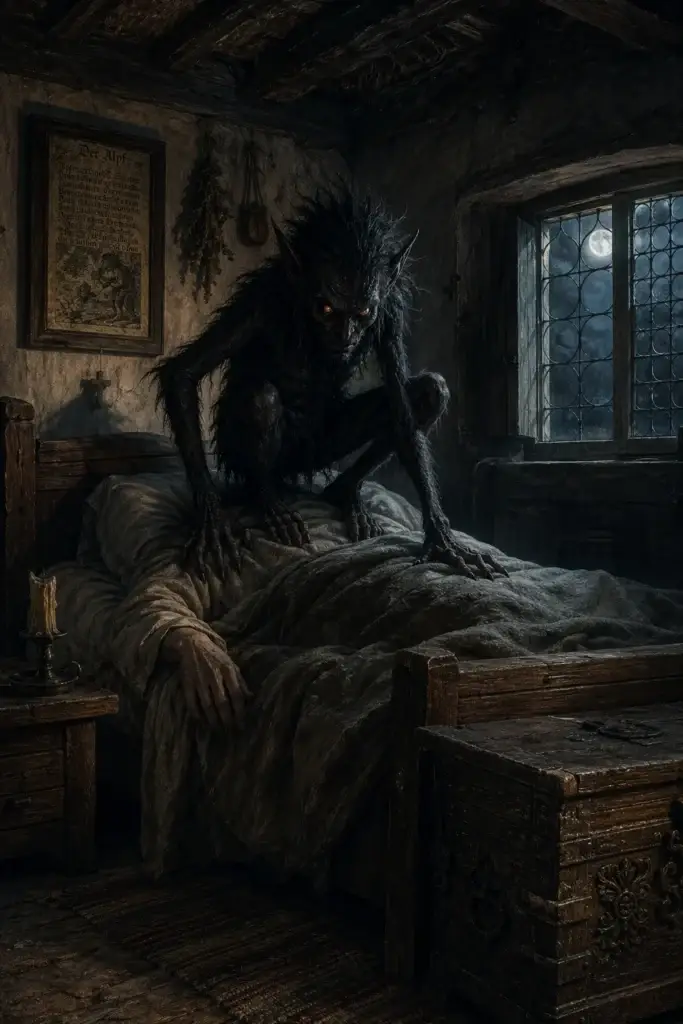
Against night-mares and nightmares: Iron under the pillow or on the bed frame is, according to Central European tradition, said to keep away the Alp, a night demon that sits on the chest of the sleeper.
Against general demonic influence: Iron placed at thresholds and door openings is said to act as a universal barrier against harmful spirit beings.
Application and limits
Iron nails in door posts are the most widespread and simplest form. The horseshoe above the entrance combines protective material and protective shape. Pieces of iron in cradles or under beds protect sleepers, especially infants as persons particularly in need of protection.
In some traditions it is enough to grasp an iron object, for instance a knife on the belt, to stand up to a fairy being.
The tradition distinguishes between worked and unworked iron. “Cold iron”, which has never been in the fire, is regarded as stronger. According to some traditions, rust diminishes the protective effect, while other traditions regard the rust as a harmless aging process of the material that does not cancel its power.
None of the handed-down applications constitutes a proven guarantee of protection. The contents presented here reflect folk tradition.
Literature (selection)
Related key terms: iron protection cold against fairies iron nail.
iWell Guard and protective traditions
Iron stands for a deep conviction of folk tradition: that the right material in the right place blocks harmful influence.
The idea of wearing a protection that condenses material protective qualities finds its counterpart in the iWell Guard, which as a wearable protective object takes up and brings together strands of tradition from various cultures.
Personal experiences may vary. Not a medical device. No promise of healing.