Magical Practices, Harmful Spells, Love Magic and Rituals: an Overview
By Ralf Ittermann · last reviewed on
Magical practices have accompanied humanity since written records exist. Harmful spells, love magic, consultation of the dead, interpretation of signs: every culture has developed its own methods for influencing the invisible. This lexicon provides a religious-studies overview of the most important practices, presented factually and without judgment.
This page provides an overview of magical rituals from various cultures.
Magical practices are documented in many and therefore in the most varied cultures of many epochs, from Egyptian temple magic to contemporary currents.

What magical practices are
A magical practice is a regulated procedure that is regarded as effective within a tradition for influencing people, events, or beings. The assumed mode of action ranges from direct magical effect through religious prayer to psychological self-affirmation. From a religious-studies perspective, such procedures are described as consistent cultural facts, without moralizing judgment and without any statement about their objective efficacy.
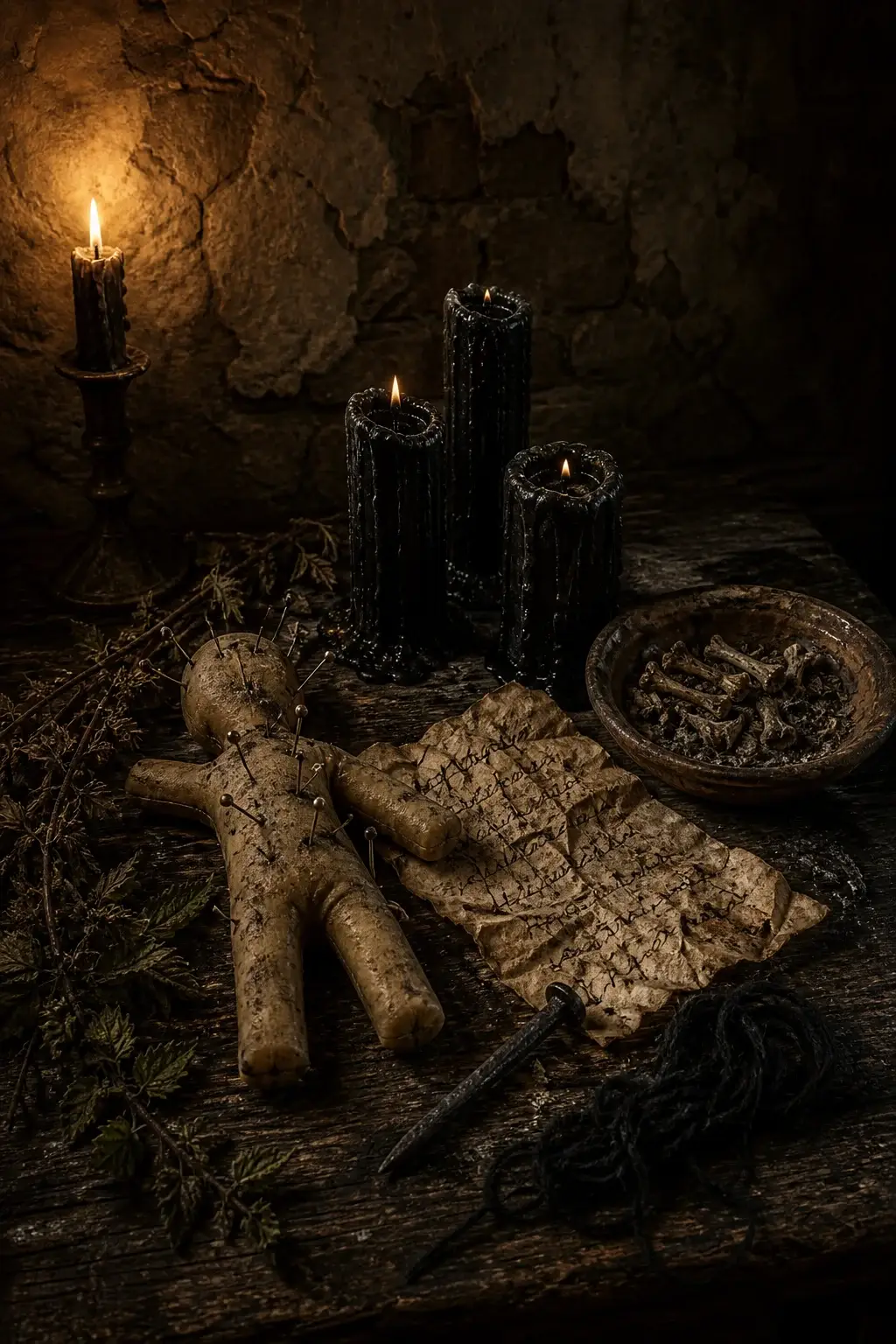
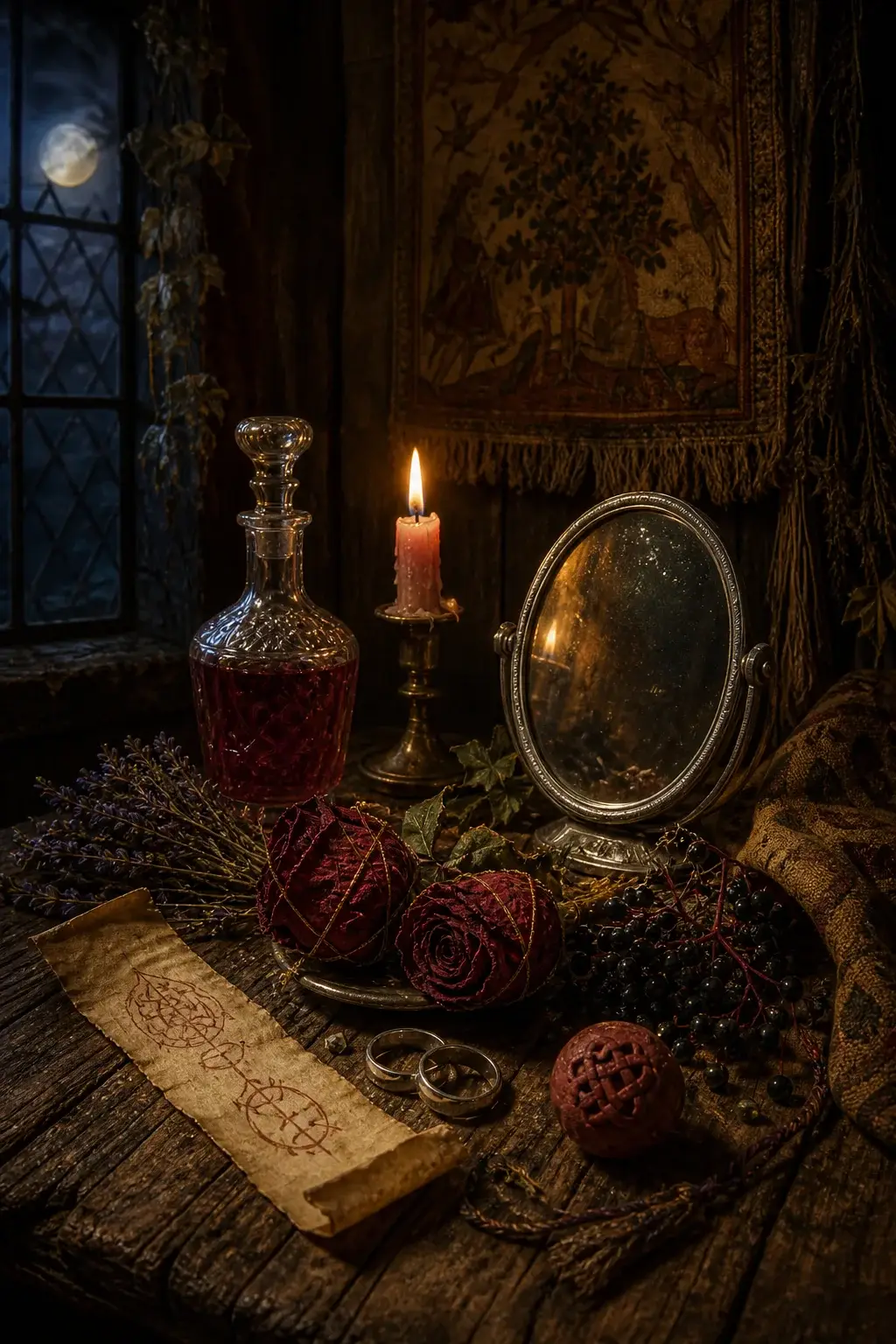
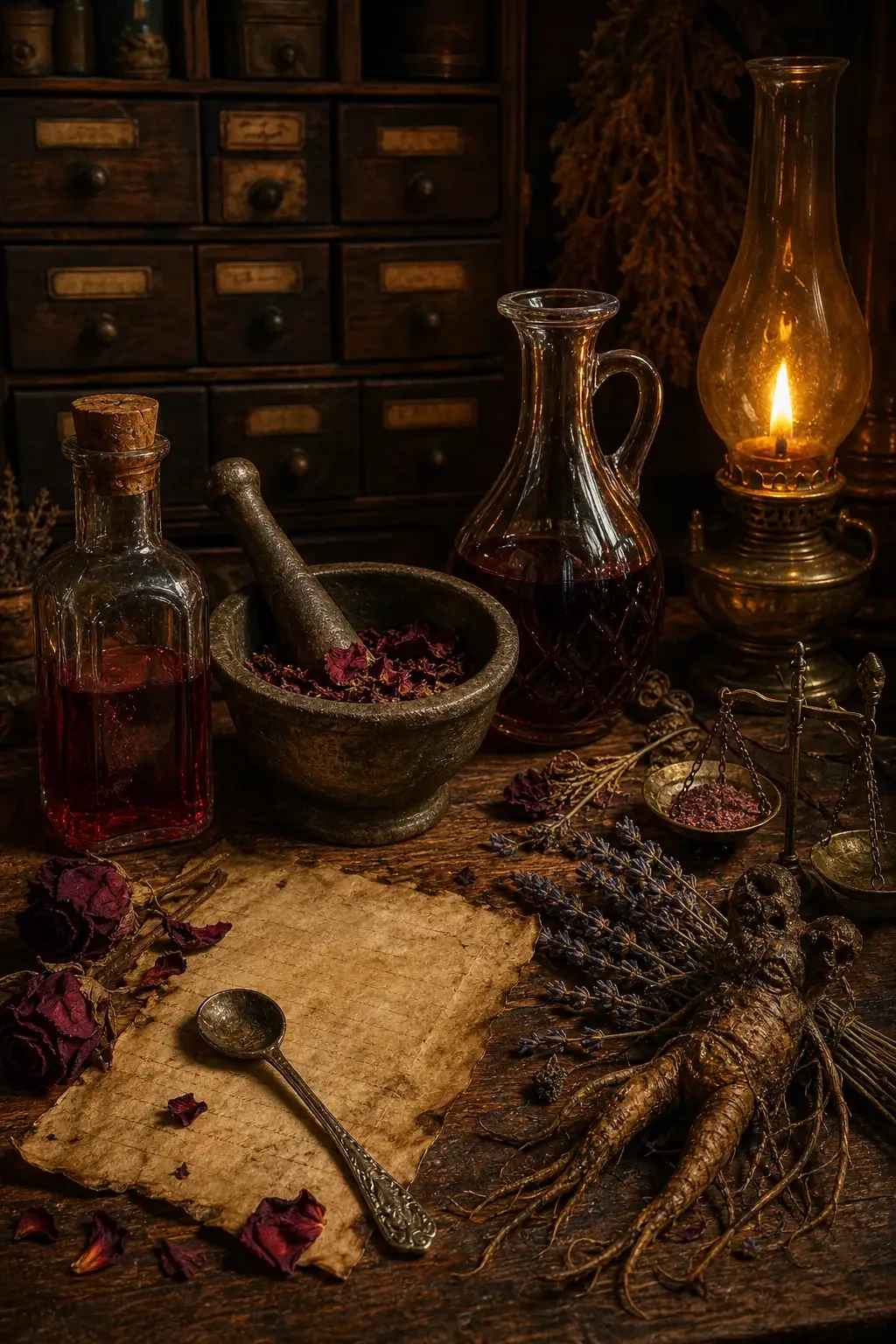
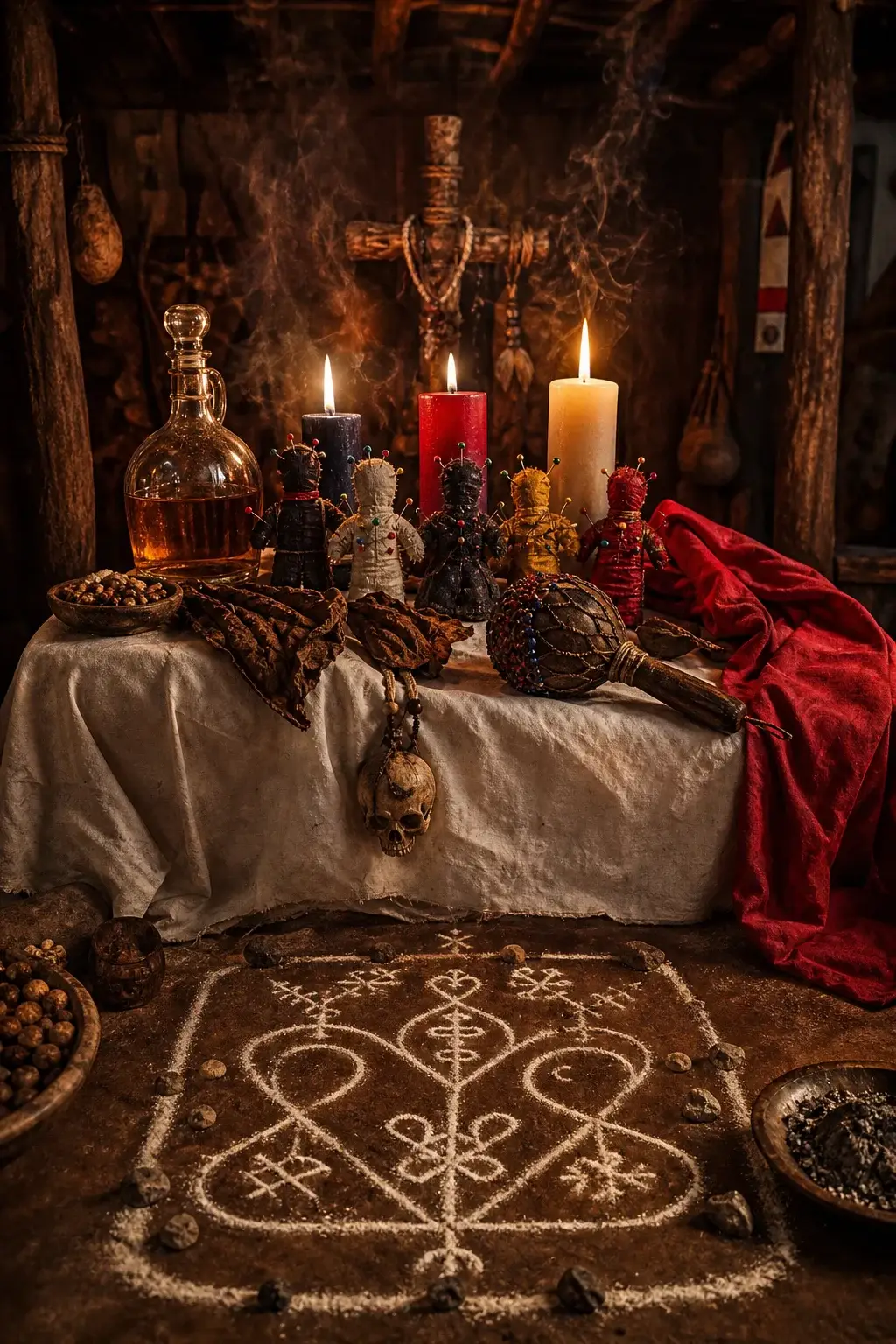
In the comparative study of religion, a broad distinction is made between harmful magic (such as harmful spells and Gies), influencing magic (love spells, love potions), work with beings (invocation, necromancy), and divinatory practices (numerology, geomancy). Most practices can be assigned to several categories at once.
Classical comparative religion attempted to describe the inner logic of such procedures. James George Frazer distinguished in "The Golden Bough" two basic principles: sympathetic magic, based on the idea that like produces like, and contagious magic, which assumes a remote effect through once-connected objects such as hair or garments. Marcel Mauss shifted the focus from the individual act to the community and described magic as a collectively shared set of ideas. These models are considered historical today, but remain useful as descriptive frameworks for making recurring patterns visible across cultural boundaries.
Magic, Religion and Scholarship
The demarcation of magic from religion is one of the older disputed questions in the field. Frazer assigned magic to an early stage prior to religion; later research rejected this sequential model. Émile Durkheim distinguished the two by social form: religion binds a community, whereas the magical act tends to follow a client relationship between a specialist and a person seeking advice. Bronisław Malinowski, in turn, emphasized the practical context and showed that magical procedures cluster where the outcome of an undertaking remains uncertain.
Contemporary religious studies largely dispenses with a sharp dividing line. It treats magic, religion, and also early forms of natural inquiry as interlocking ways of making the world accessible. The term "magic" is therefore used in this lexicon as a cultural-historical umbrella term, not as a value judgment. It designates a documented human behavior, without making any statement about its objective efficacy.
Practices in the Lexicon
The iWell Guard lexicon currently contains twelve fully developed practice entries. Each entry places the practice in its historical context, names key sources, and links to related beings:


Related Clusters in the Lexicon
Magical practices rarely stand alone. Those interested in harmful spells will find context among the infernal beings and demons; necromancy points to spirits and messengers of the dead, and invocation refers to the Goetia. On the protective side, this subject area connects to the protective symbols.
The practices can also be placed in historical sequence. The oldest evidence comes from the ritual texts of Mesopotamia and Egypt, in which harmful and apotropaic procedures are already clearly named. Antiquity and Late Antiquity committed the practices to writing in curse tablets and in the Greek magical papyri. The European Middle Ages and the Early Modern period increasingly interpreted the same procedures in demonological terms, reaching a grim culmination in the witch trials. Only the religious studies scholarship of the nineteenth and twentieth centuries detached the practices from the context of persecution and described them as a subject of sober research.
Planned Additions
This subject area is continuously being expanded. Further entries on divinatory procedures, sympathetic magic, and regionally specific practices are planned. Suggestions are welcome via the contact page.
Classification within the Brand Concept
iWell Guard is conceived as a reference work, not as a manual. The practices described here are documented and classified in their cultural-historical context, as knowledge about human ideas of protection and influence. The iWell Guard protective pendant draws on the apotropaic side of this tradition, without itself being a magical practice.
This lexicon describes magical practices from a religious-studies perspective. The presentation is neither a guide to action nor a recommendation. Religious-studies terms such as "spell," "curse," or "demon" are used as cultural-historical terminology.
iWell Guard and Magical Protective Traditions
Across all documented cultures, harmful and protective practices have existed side by side: wherever there were harmful spells, there was also a means of warding them off. iWell Guard takes up the apotropaic side of this millennia-old lineage in contemporary material architecture, manufactured in Germany, 41 layers, fine gold, platinum, silver. 30-day return policy.
Individual experiences may vary. Not a medical device. No healing promises.