The sylph, an air spirit from the pen of Paracelsus
By Ralf Ittermann · last reviewed on
The sylph is an elemental being of air in the European scholarly tradition.
The air spirit of Paracelsus’ elemental quartet. The sylph owes its very existence to the pen of Paracelsus.
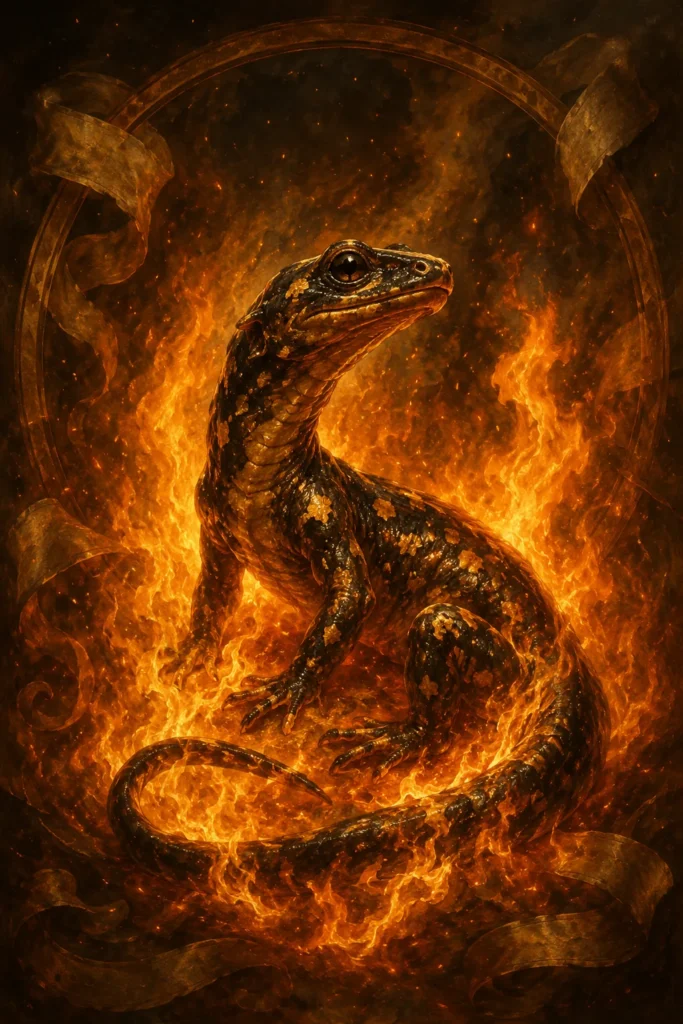
The sylph is the air elemental spirit of European esotericism, shaped by Paracelsus. Together with the salamander for fire, the undine for water and the gnome for earth, it forms the quartet of the four elemental spirits and embodies the element of air.
Unlike many figures in this encyclopedia, the sylph is not folk belief but a scholarly-esoteric construction of the Renaissance: its first description appears in Paracelsus’ Liber de nymphis, sylphis, pygmaeis et salamandris, written in 1537/38 and printed posthumously in 1566.
Type: Air elemental spirit of the elemental quartet
Origin: European scholarly tradition of the Renaissance, Paracelsus
Texts: Liber de nymphis, sylphis, pygmaeis et salamandris (1537/38, printed 1566)
Period: Renaissance to modern esotericism
Appearance: usually an invisible air being, later delicate and ethereal

Origin in the scholarly tradition
Period of the Texts
The first description comes from Paracelsus, written in 1537/38 and printed posthumously in 1566; from there its reception continues through theosophy into modern esotericism.
Area of Diffusion
European esotericism: from Renaissance natural philosophy through French salon literature to romantic ballet.
Sources
Good: this is a scholarly-esoteric construction with a clear textual basis, beginning with Paracelsus’ Liber de nymphis.
Name and variants
Coined word: The term is a coinage by Paracelsus in the 16th century, probably a neologism from Latin sylvestris, wooded, and nympha, nymph, partly influenced by Greek sílphē, an insect; the precise derivation remains unclear.
Nature and appearance
Appearance
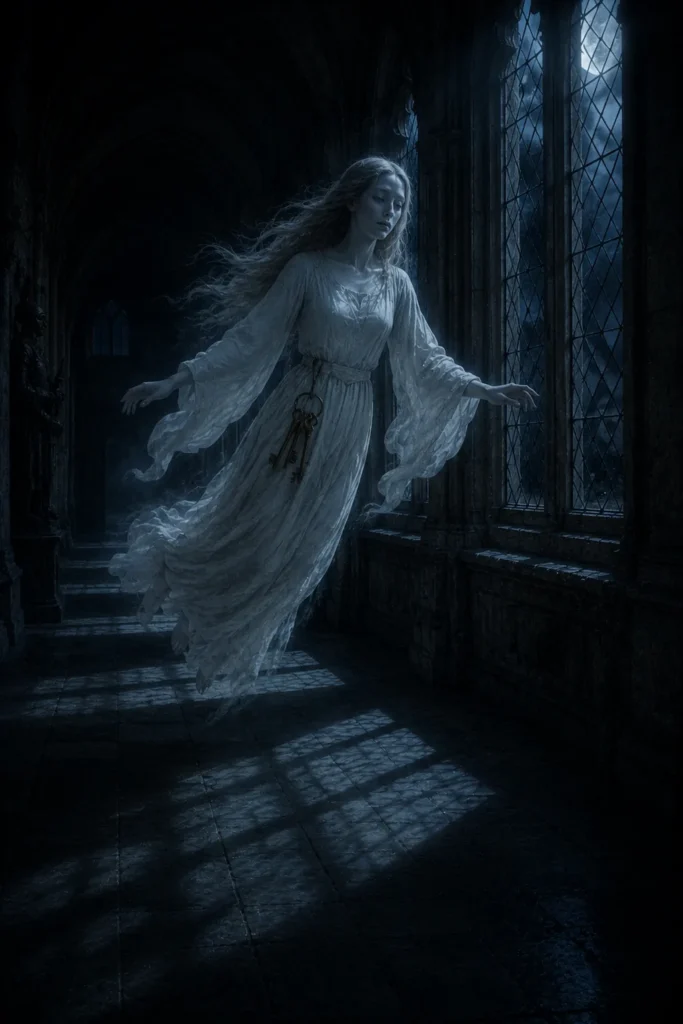
As an air being, the sylph is, according to Paracelsus, mostly invisible, too similar to the air for the eye to grasp, and conceived as human-like. In later reception she is delicate, beautiful and ethereally feminine, the sylphide.
Effect
Sylphs inhabit and embody the element of air. According to Paracelsus, elemental spirits are corporeal, mortal and without an immortal soul, but through union with a human being they can gain a share in a soul, a motif that was later elaborated extensively.
Profile: Sylph
The key aspects of the air spirit at a glance.
A scholarly-esoteric construction of the Renaissance: part of the elemental quartet of sylph, salamander, undine and gnome.
The element of air: sylphs inhabit and embody it, just as undines embody water and gnomes the earth.
Usually invisible, too similar to the air for the eye to grasp; in later reception delicate, beautiful and ethereally feminine as the sylphide.
Corporeal, mortal and without an immortal soul; through union with a human being she can gain a share in a soul.
No historical cult: sylphs are a literary-philosophical concept, not an object of religious veneration.
Salamander, undine and gnome as elemental siblings; typologically comparable to the ancient wind nymphs surrounding the Aura.
From the Liber de nymphis to the white ballet
The term is a coinage by Paracelsus in the 16th century, probably an artificial word from Latin sylvestris, wooded, and nympha, nymph, partly influenced by Greek sílphē, an insect; the precise derivation is uncertain. The sylph is not a folk belief but a learned, esoteric construction of the Renaissance. The first description appears in Paracelsus’ Liber de nymphis, sylphis, pygmaeis et salamandris, written in 1537/38 and printed posthumously in 1566.
From there the sylph made its way through European literature: Abbé de Villars’ Le Comte de Gabalis of 1670 shaped the delicate, soulless sylphide, Alexander Pope depicts airy guardian spirits in The Rape of the Lock, and the ballet La Sylphide of 1832 made her an icon of the romantic white ballet.
Reception and classification
The reception is rich: Abbé de Villars’ Le Comte de Gabalis of 1670 shaped the delicate, soulless sylphide; Alexander Pope depicts airy guardian spirits in The Rape of the Lock; the ballet La Sylphide of 1832 made her an icon of the romantic white ballet. She continues to have an effect in Romanticism, Theosophy and modern esotericism.
From a religious-studies perspective, the sylph is fundamentally airy and neutral to graceful, but in literary reception she is also portrayed as a seductive, fateful being who lures mortals into misfortune. Three clarifications are important: sylphs are not an old folk belief but a Renaissance invention of Paracelsus. The male form Sylph and the later female Sylphide are to be distinguished. And the ballet La Sylphide of 1832 is not to be confused with Les Sylphides of 1909.
Concept rather than cult
There is no historical sylph cult. Sylphs are a literary-philosophical concept, not an object of religious veneration; the classification as beings of air or light is a modern, esoteric one. Anyone wishing to encounter the sylph has always done so in books, on stage or in natural-philosophical speculation, not at a sacrificial altar.
The elemental quartet and the wind nymphs
The sylph stands alongside the three other elemental spirits, the salamander, the undine and the gnome, with whom she completes the quartet of the elements. Typologically she is related to the wind nymphs of antiquity, such as the Greek Aura, and conceptually to the nature spirits of later Theosophy.
Frequently asked questions about the sylph
What is a sylph?
The air elemental spirit of Paracelsus, counterpart to the salamander, the undine and the gnome.
Is the sylph an old folk belief?
No. She is a learned Renaissance invention of Paracelsus.
What is the difference between Sylph and Sylphide?
Sylph is the male form used by Paracelsus, Sylphide the later female form from Villars 1670 onward.
Further links
Further reading:
- Aura – the Greek wind nymph as an ancient counterpart
- Amulet, protective candle, salt – traditional protective means
- Protection Compass – protective means at a glance
Literature (selection)
Further standard works in the bibliography.
As the air elemental spirit, the sylph is the most elusive member of the Renaissance quartet, and no other Paracelsian elemental being has shaped poetry, salon literature and ballet so lastingly as she has.