iWell Guard

Asag, Ninurta's opponent from the mountains

Asag is a demon of the Mesopotamian tradition.

The chaos demon from the mountains, whom Ninurta slays.

Table of Contents

Asag, the chaos demon of Mesopotamia
Asag

Asag, Akkadian Asakku, is a Mesopotamian disease and chaos demon. On one level, he is a severe fever illness; on the other, he is the mythical monster that the god Ninurta slays in the epic Lugal-e.

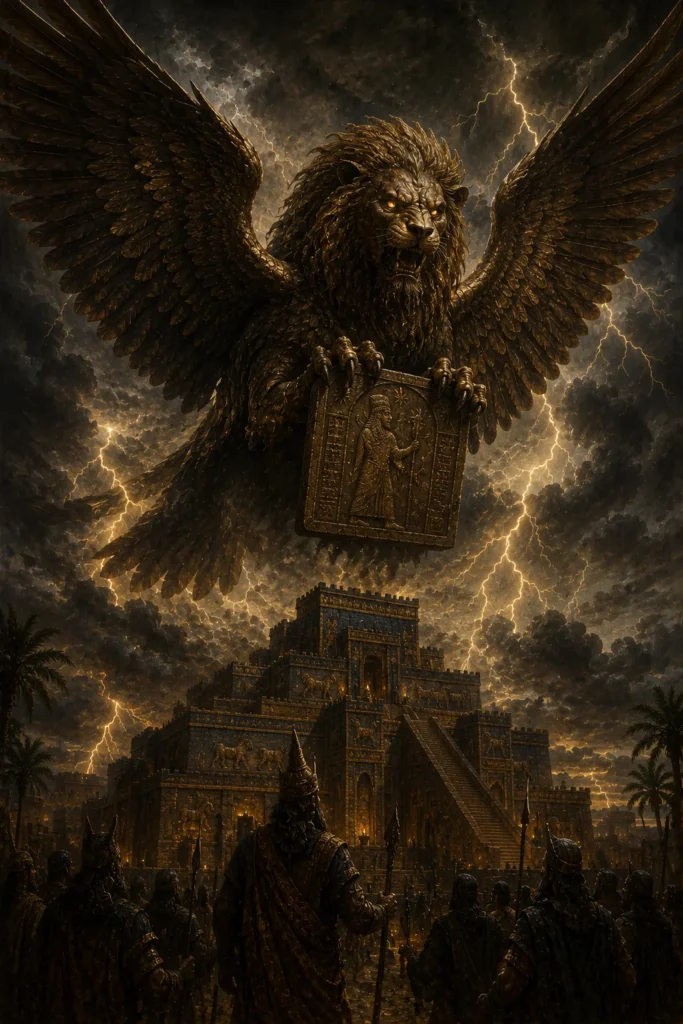
Unlike many figures in this series, Asag is not a desert demon: all specialist sources tie him to the mountains, the Zagros. From there, in the epic, he leads an army of stones against the cities, until Ninurta confronts him and creates the irrigation order of the Tigris from the defeated stones.

At a glance: Asag

Type: Disease and chaos demon, Akkadian Asakku
Origin: Sumerian-Akkadian tradition
Texts: Epic Lugal-e, incantation series Asakku marsutu
Period: Ur III to Hellenistic period
Appearance: fatherless warrior with an army of stones

Sources and dating

Period of the Texts

As a word, Asag is attested from the Ur III period into the Hellenistic era; the epic Lugal-e was recorded in writing during the Old Babylonian period.

Area of Diffusion

Mesopotamia, with a clear connection to the mountains: the specialist sources locate Asag in the Zagros, not in the desert.

Sources

Well documented: the Lugal-e in van Dijk’s edition, Jacobsen’s translation and the handbooks of Assyriology.

Name and variants

Sumerian: a-sag, Akkadian Asakku, related to the word azag, taboo or untouchable. Both levels of the being, the disease and the monster, appear under the same name.

Form and manner of combat

Appearance

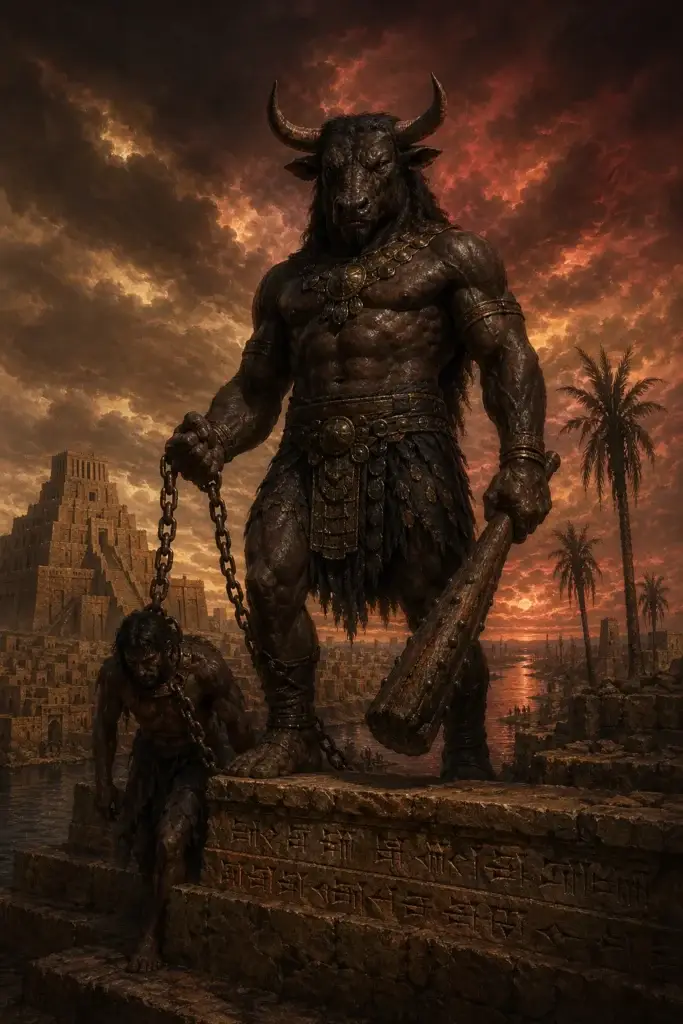
In the Lugal-e, Asag is a fatherless warrior, begotten by heaven and earth, a murderer from the mountains, whom the plants have chosen as king. His warriors are stones such as diorite and haematite, which raid the cities.

Effect

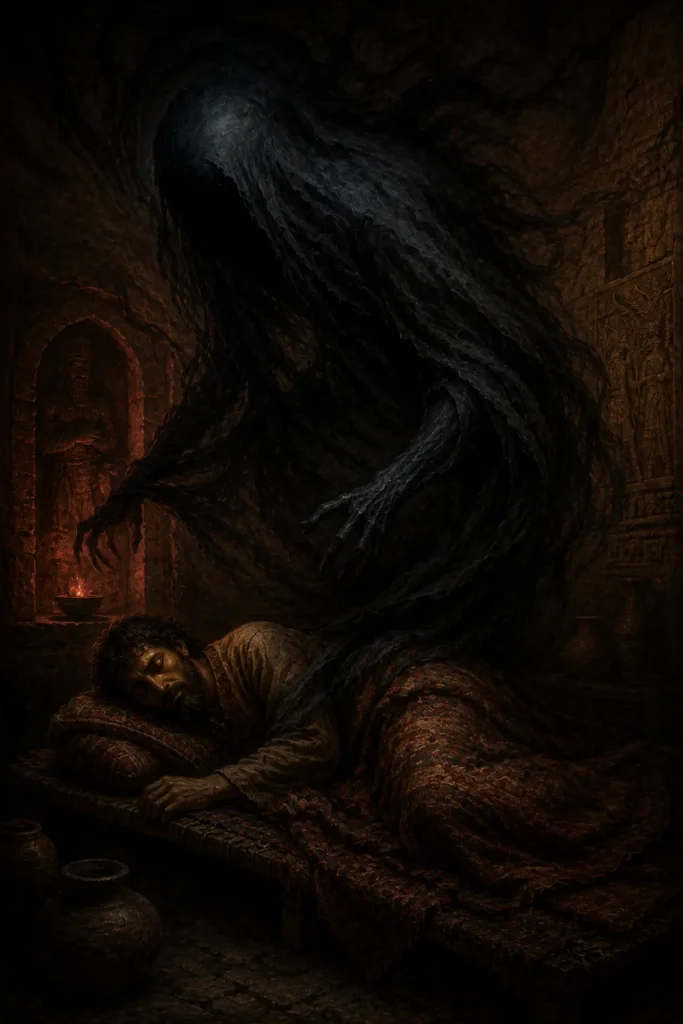
On the level of disease, Asag is personified fever with headache. On the level of myth, he embodies chaos and disorder and threatens both the cosmic and the economic order of water and agriculture.

Profile: Asag

The key aspects of the chaos demon at a glance.

Cultural Context

Sumerian-Akkadian dual figure: a fever illness of the incantation texts and the monster of the Lugal-e, attested from Ur III into the Hellenistic period.

Object of Influence

The cities and the order: Asag’s army of stones descends from the mountains upon the cultivated land, threatening water management and agriculture.

Depiction

A fatherless warrior, begotten by heaven and earth, chosen king by the plants; his army consists of stones such as diorite and hematite.

Sphere of Influence

Illness and chaos: as Asakku, a personified fever with headache; in myth, the threat to the cosmic order.

Forms of Warding

Exorcist priests and the canonical series Asakku marsutu with invocation of Ea and Marduk and substitution rites; in myth, the mace Sharur is victorious.

Comparables

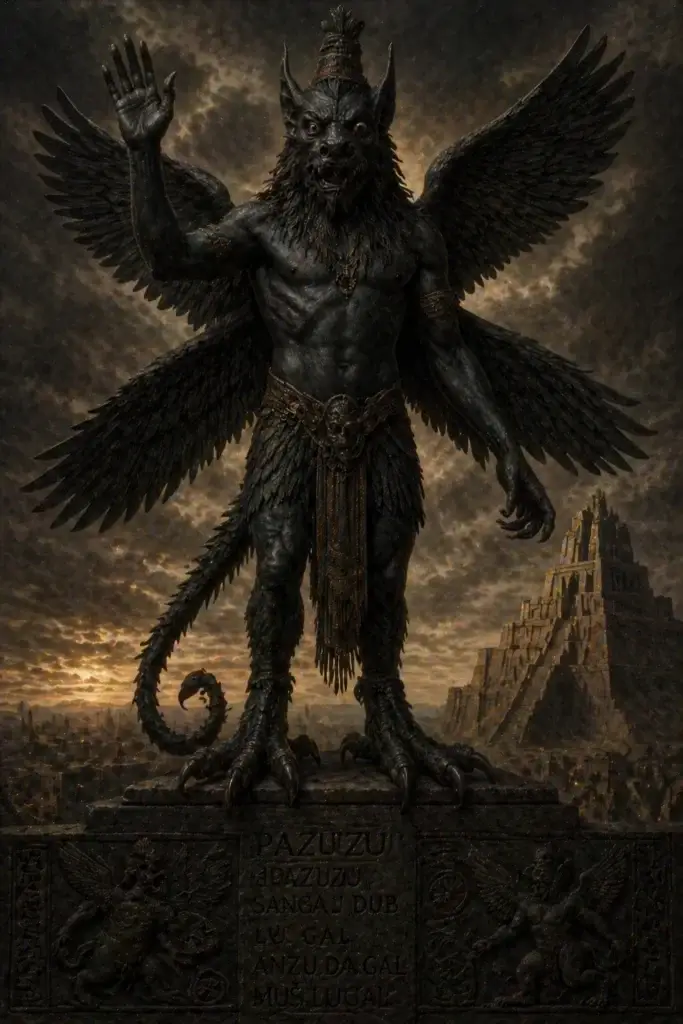
Anzu, who steals the Tablet of Destinies, and the dragon monster Labbu; the opponent of all three is Ninurta.

The Lugal-e: Ninurta against the demon of the mountains

The epic Lugal-e, recorded in writing in the Old Babylonian period, tells of the battle: Asag, the fatherless warrior from the mountains, marches with his army of stones against the cities. Ninurta’s talking mace Sharur warns her lord, father Enlil gives counsel, and finally Ninurta slays the demon.

What follows is noteworthy: Ninurta passes judgement on the stones that had sided with Asag, orders them, and creates from them the irrigation system of the Tigris. The battle against chaos does not end in destruction but in a reordering of the world; the defeated chaos becomes the foundation of agriculture.

Legacy and classification

Asag lives on chiefly in Assyriology and in the reception of the Lugal-e; a broad popular afterlife did not follow.

In religious studies, Asag is a demon of illness and chaos. Important clarifications: he is not a desert demon but bound to the mountains, the specialist sources place him in the Zagros. The image that fish boil in his presence is a paraphrase, not a literal line of verse. And he does not appear in Ninurta’s trophy lists but is the god’s main adversary.

Incantation against the Asakku

Against the disease aspect of Asag, the exorcist priest helped with the canonical series Asakku marsutu, the malevolent Asakku demons: it invokes Ea and Marduk and works with substitution rites that transfer the evil onto a substitute. On the mythic level, the defence instead rests with the hero god himself; there the talking mace Sharur triumphs with Enlil’s support.

Anzu, Labbu and the battle against chaos

Asag belongs among the great adversaries of the Mesopotamian battle against chaos. Related figures are Anzu, who steals the Tablet of Destinies and is likewise slain by Ninurta, and the dragon monster Labbu. Ninurta is the oldest protagonist of the chaos battle; his mythology was later transferred to Marduk. On the illness side, he is joined by the night demon Alu from the same body of incantation lore.

Frequently asked questions about Asag

What is Asag?

A Mesopotamian demon of illness and chaos, adversary of the god Ninurta. He is at once a severe fever illness and the monster of the epic Lugal-e.

Is Asag a desert demon?

No, he is bound to the mountains; the specialist sources place him in the Zagros. The desert association is a common misconception.

Who defeats Asag?

The god Ninurta with his talking mace Sharur. After the victory he orders the stones and creates from them the irrigation system of the Tigris.

Further links

Recommended internal links:

Literature (selection)

A selection of key sources and studies:
  • van Dijk, J. J. A.: Lugal ud melambi nirgal. Leiden 1983.
  • Jacobsen, Thorkild: The Harps That Once. Sumerian Poetry in Translation. New Haven 1987.
  • Black, Jeremy / Green, Anthony: Gods, Demons and Symbols of Ancient Mesopotamia. London 1992.

Further standard works in the bibliography.

As the Mesopotamian chaos demon of the Lugal-e and as the Asakku of the incantation series, Asag brings together both faces of the danger: the mythic monster from the mountains and the fever that afflicts the individual.

Classification & Protection

IVLEVEL
The Protection Compass assigns this being to influence level IV, Severe influence.

Against its influence, cross-cultural tradition names these protective means:

Compare in the Protection Compass →

Recommended protective means

iWell Guard

The simplest protective means in this collection: 41 layers of fine gold 999, platinum, silver and silicon, manufactured in Ruhla, Thuringia. It requires no activation, is bound to no person, and is effective within a radius of around 50 meters, even without being worn.

All protective means at a glance →