Vodník, collector of drowned souls
By Ralf Ittermann · last reviewed on
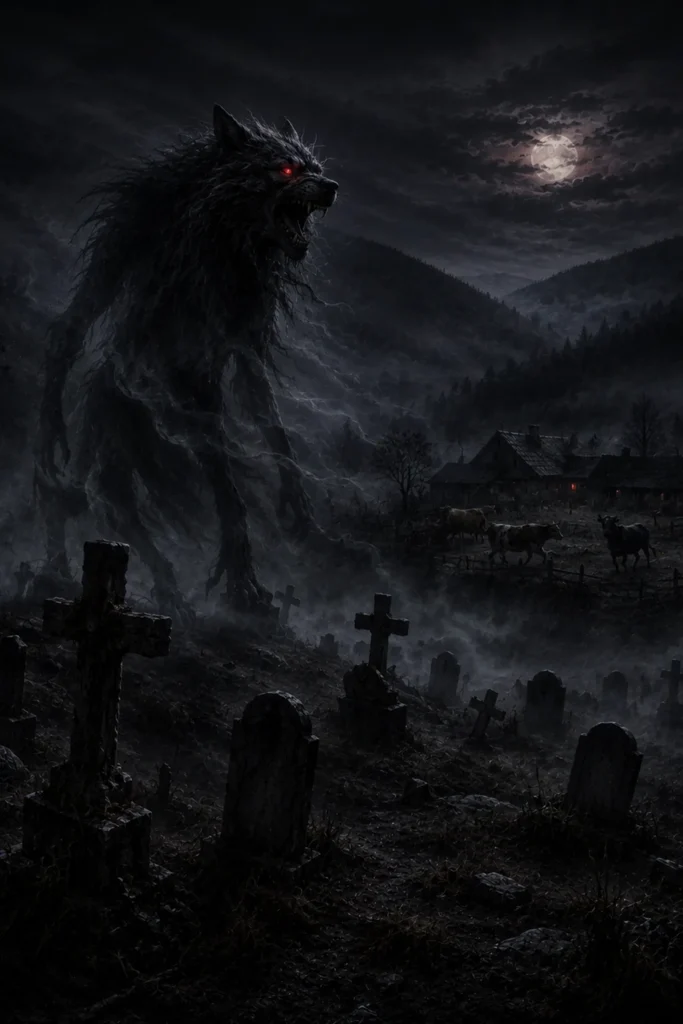
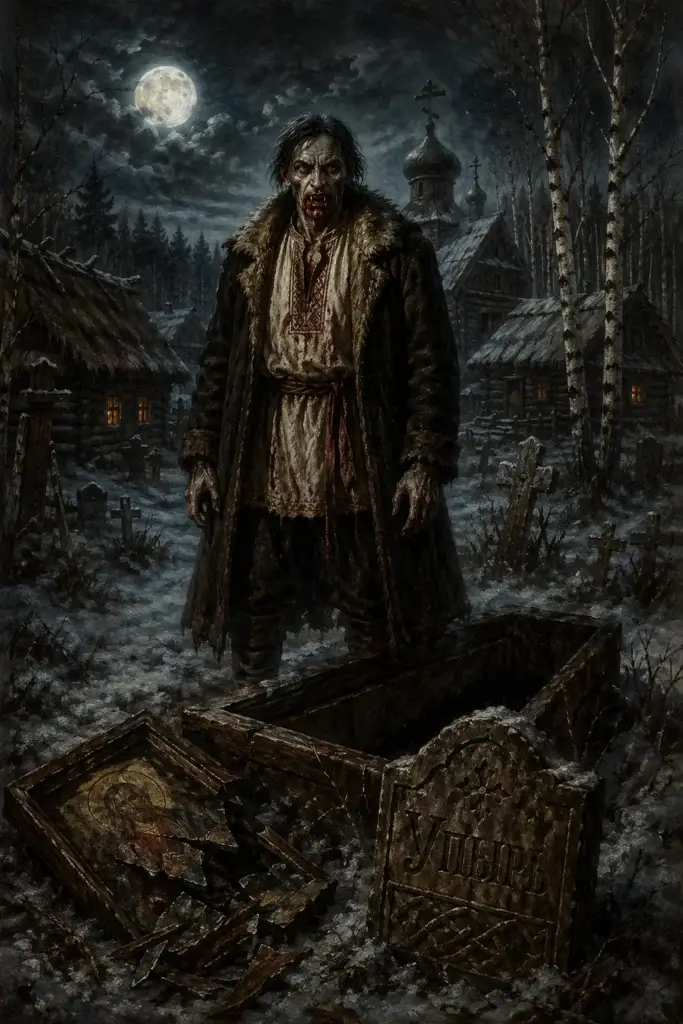
Vodník is a demon of Slavic tradition.
He collects the souls of the drowned in pots beneath the water. Tradition portrays Vodník as a silent collector of drowned souls who keeps them in pots beneath the water.
The Vodník is the water spirit of West Slavic legends, also spelt Vodnik: a greenish, dripping-wet spirit who lurks in ponds and rivers, lures people, and collects their souls in pots. Unlike the unappeasable Topielec, he can be placated with offerings.
Type: Water spirit, soul collector
Origin: Czech Republic, Slovakia
Texts: shaped by Erben in 1853
Period: alive to this day
Appearance: greenish, dripping clothing

Textual history
Period of the Texts
Rooted in West Slavic folk tradition, shaped in the 19th century by Erben.
Area of Diffusion
The Czech Republic and Slovakia, with related forms across the Slavic region.
Sources
Extensively attested, alongside the literary adaptations of Erben and Dvořák.
Name and variants
Slavic: voda, water; water spirit, Czechised as Hastrman. Russian Vodyanoy, Polish Topielec.
Form and effect
Appearance
A greenish, wet figure whose clothing constantly drips. The soul pots symbolise the holding fast of the drowned.
Effect
He lures people into the water at jetties and shores in order to collect their souls.
Profile: Vodník
The key features at a glance.
West Slavic legendary tradition, shaped by Erben and Dvořák.
People at footbridges, bridges and the banks of ponds and rivers.
Greenish, dripping-wet figure with soul-pots underwater.
Lord of the waters and collector of souls, in legends both father and avenger.
Caution after dark, sometimes offerings to appease him.
Considerably less forgiving is the Topielec.
Erben's ballad and the pots underwater
The core motif of the tradition is collecting: the Vodník drowns his victims and keeps their souls in pots underwater. Erben’s poetry proved influential, with the ballad Vodník appearing in his 1853 collection Kytice; Dvořák set the material to music, and in his opera Rusalka he is the father of the water nymph.
A national figure between poetry and music
Erben’s Kytice and Dvořák’s opera Rusalka turned the Vodník into a Czech cultural figure. From a religious-studies perspective, he is a warning figure and personification of the danger of drowning, ambivalent between soul-collector and appeasable lord of the waters.
Caution, respect and occasional offerings
Fixed countermeasures are barely documented; avoidance and respect for the water apply, especially after dark. Some traditions appease the Vodník with offerings. Salt, threshold-protection signs and consecrated bells are recorded.
The water spirit in Slavic comparison
Frequently asked questions about the Vodník
What does the Vodník do with the souls?
He keeps them in pots underwater, the core motif of the tradition.
Where does his image come from?
From Erben’s ballad Vodník in the 1853 collection Kytice and Dvořák’s musical setting.
Further links
Literature (selection)
More in the bibliography.
The epithet Vodnik, water man of West Slavic legends, only touches the surface: he collects the souls of the drowned in pots, also known as Hastrman.