Marakihau, the tubular tongue of the sea taniwha
By Ralf Ittermann · last reviewed on
Marakihau is a spirit of Māori tradition.
A sea monster that swallows canoes with its tubular tongue.
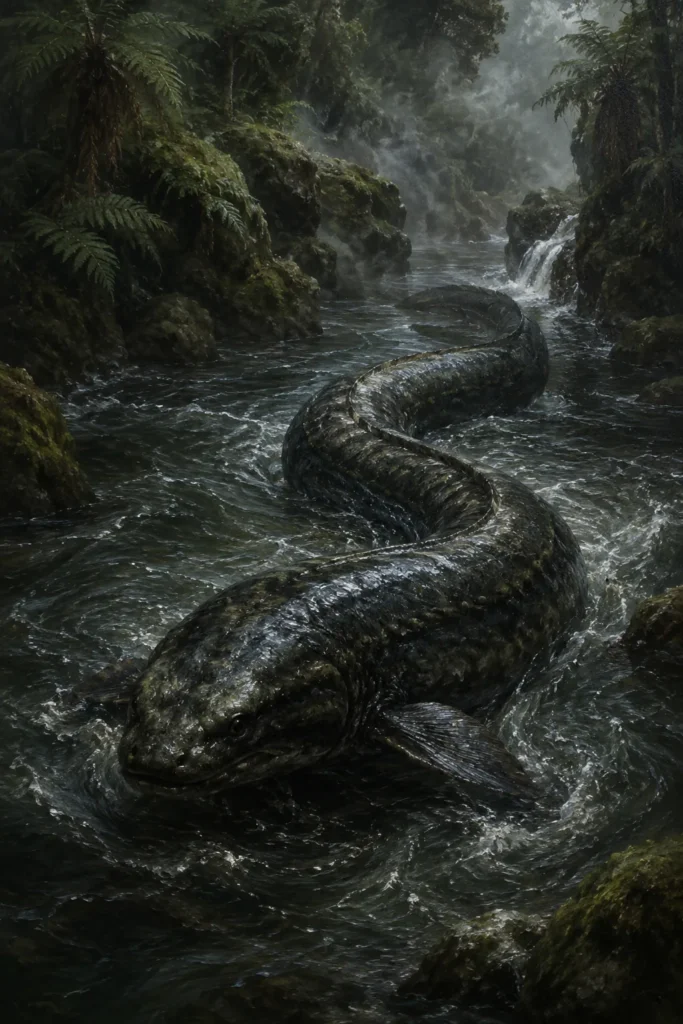
The Marakihau is a sea monster of the Māori, a kind of sea taniwha with a tube-like tongue that sucks in fish and canoes.
The motif belongs to carving art; it is regarded as the guardian of a body of water and as a threat to canoe travellers.
Type: Sea taniwha with tubular tongue
Origin: oral Māori tradition
Texts: Orbell, carving art
Period: recorded in writing from the 19th century
Appearance: upper body, fish tail, tubular tongue
Region of Origin and Sources
Period of the Texts
Oral Māori tradition, recorded in writing from the 19th century onward.
Area of Diffusion
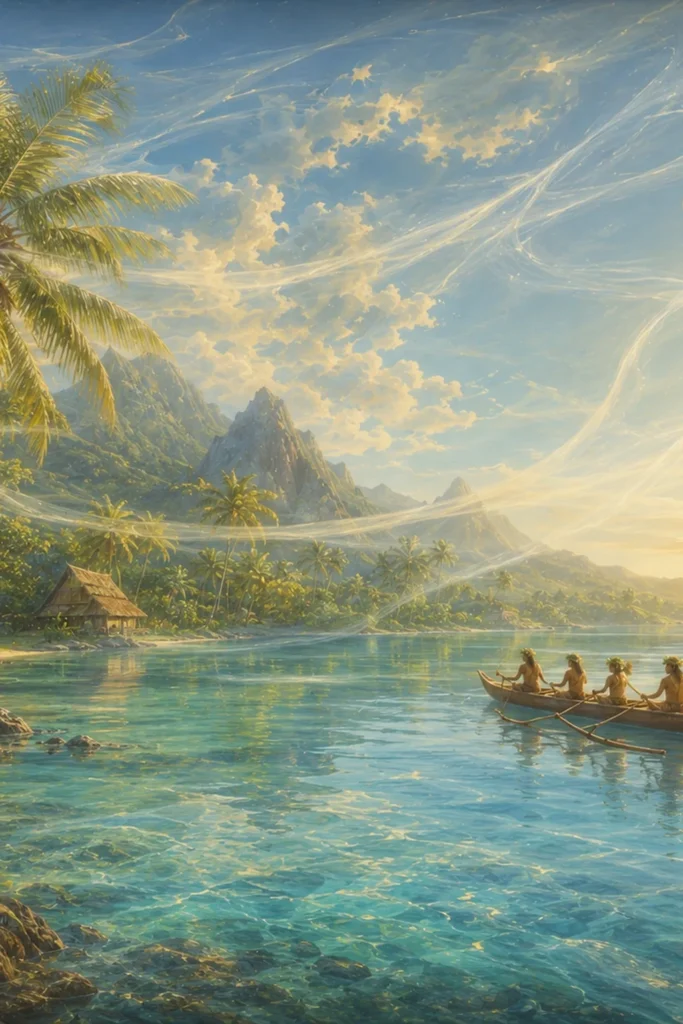
New Zealand, especially the Mataatua tribes of the Bay of Plenty and Urewera.
Sources
Good: Orbell and Best, along with the carving art.
Name and variants
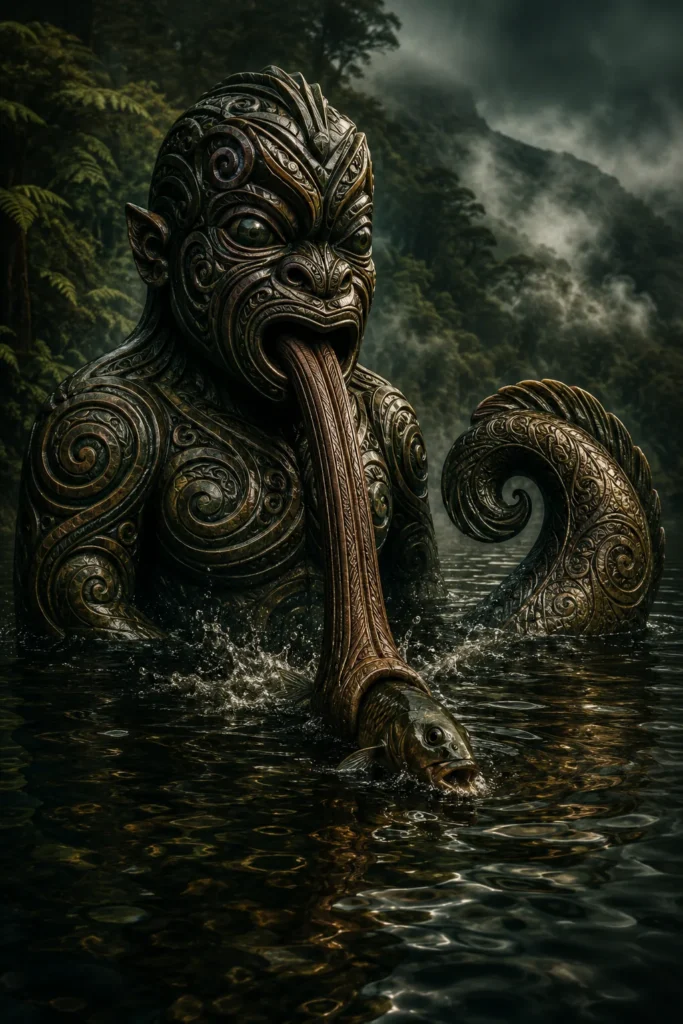
Māori: In carving art, Marakihau denotes a type of sea Taniwha; characterised by the ngongo, the long, hollow tubular tongue.
Appearance and effect
Appearance
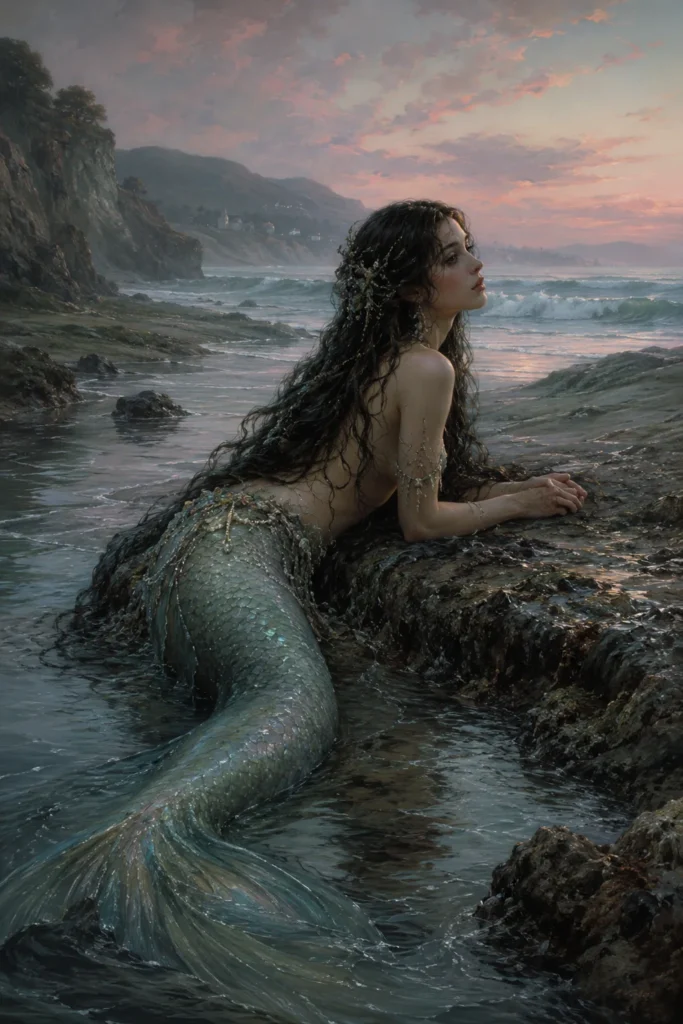
Stylised upper body, curled fish tail, similar to a mermaid; distinguished by the tubular tongue.
Effect
It capsizes canoes and sucks in fish through its tongue.
Profile: Marakihau
The key aspects at a glance.
A Māori carving motif that visually condenses belief in the Taniwha.
Canoeists and fishermen, whose boat and catch are taken by the tubular tongue.
Upper body, curled fish tail, tubular tongue with a cup-shaped mouth.
Capsizes canoes and sucks in fish as well as boats through its tongue.
No specific defence is recorded; respect for the water and karakia when entering it.
The tubular tongue and the carving motif
Characteristic is the ngongo, a hollow, cup-shaped tubular mouth, which often depicts a fish; in this way the Marakihau sucked in fish as well as canoes.
It is common among the Mataatua tribes, attested in the house at Te Kuiti; Ureia is regarded, in Marakihau style, as guardian at Hotunui.
Carving art rather than narrative tradition
The Marakihau is a prominent Māori carving motif, for instance in the Hotunui house with the guardian Ureia at the Auckland War Memorial Museum.
It is a special case: primarily an iconographic concept that condenses belief in the Taniwha.
Respect for the water rather than targeted defence
The source material on protective rites against the Marakihau is sparse, and no defence is recorded. The general approach to Taniwha is common: respect and karakia. Amulet, protective circle and salt apply.
Sea monsters and sea beings compared
Frequently asked questions about the Marakihau
Is the Marakihau a Taniwha?
Yes, a sea subtype, tied to the carving motif.
What is the ngongo?
The hollow tubular tongue, with which it sucks in fish and canoes.
Further links
Further reading:
Literature (selection)
More in the bibliography.
As a Marakihau Taniwha, this figure remains above all one thing: a Māori sea monster of carving art, whose tubular tongue engulfs fish and canoes alike.