Enbilulu, regulator of the waterways of the Euphrates and Tigris
By Ralf Ittermann · last reviewed on
Enbilulu is a god of the Mesopotamian tradition.
Canal inspector of heaven and earth, overseer of irrigation. The entry honors him as regulator of the waterways of heaven and earth, overseeing irrigation along the rivers.
Enbilulu is the Sumerian god of rivers, canals and irrigation, overseer of the Euphrates and Tigris.
Attested since Early Dynastic god lists, he appears most prominently in the Enuma Elish as one of the fifty names of Marduk.
Type: irrigation god, overseer of canals
Origin: Sumerian god lists, later a name of Marduk
Texts: lists, Zame hymns, Enuma Elish
Period: 3rd millennium BC to Babylon
Appearance: no fixed iconography

Source Context
Period of the Texts
Very old: Early Dynastic god lists and Zame hymns, later the Enuma Elish.
Area of Diffusion
Sumer and Babylonia: oversight of the waterways of the Euphrates and Tigris.
Sources
Rather narrow: god lists, Enuma Elish, a few incantations.
Name and variants
Language: The origin of the name is unclear; his title, canal inspector of heaven and earth, describes his function more clearly than the name does.
Form and task
Appearance
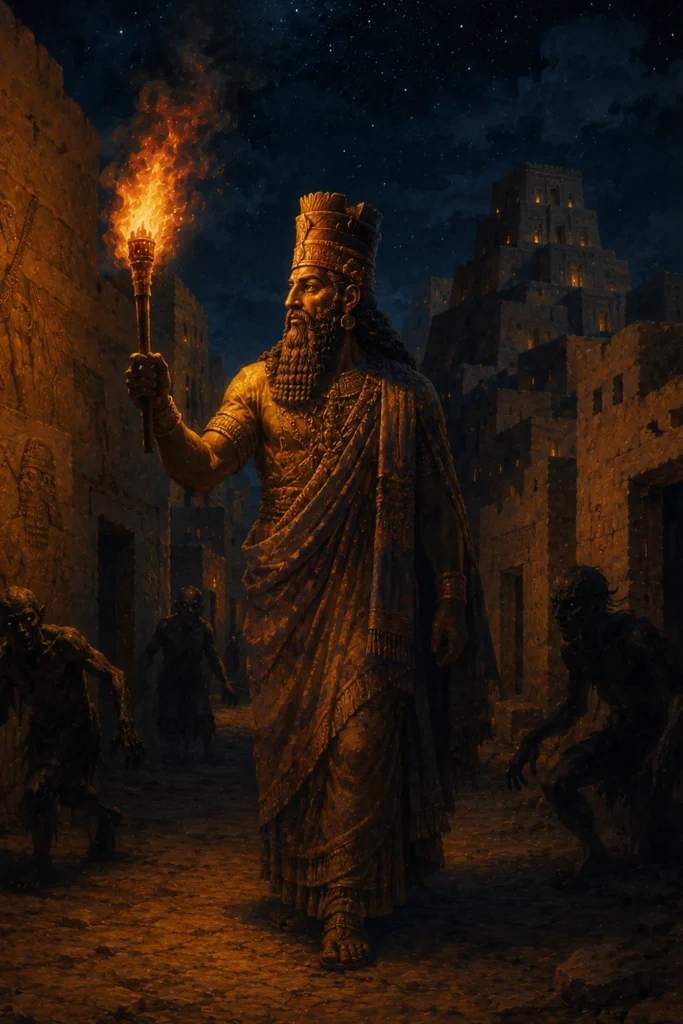
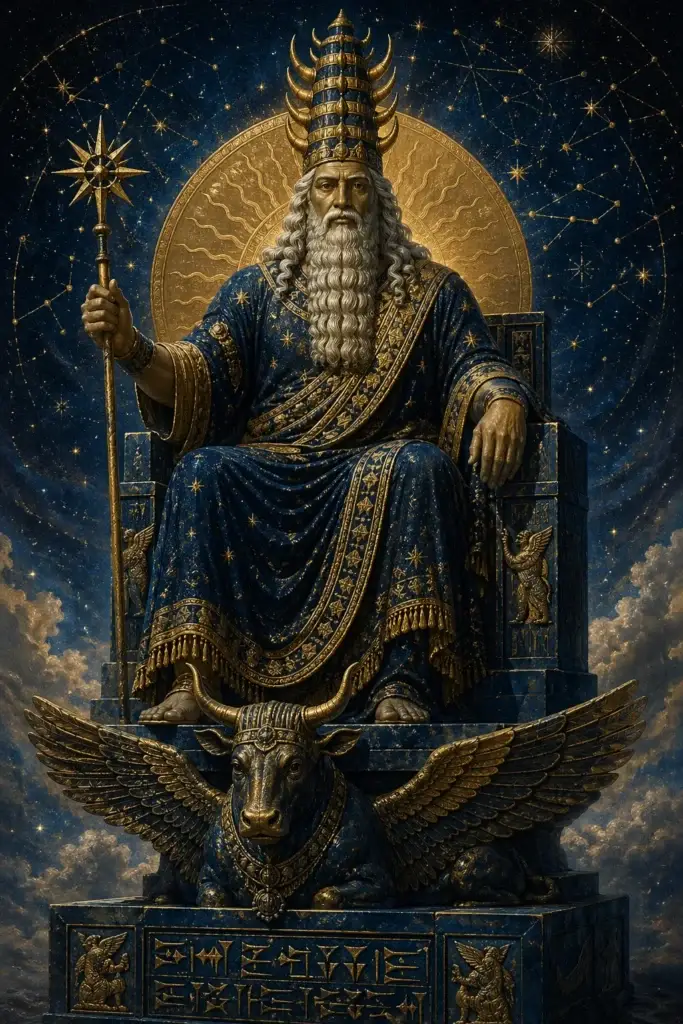
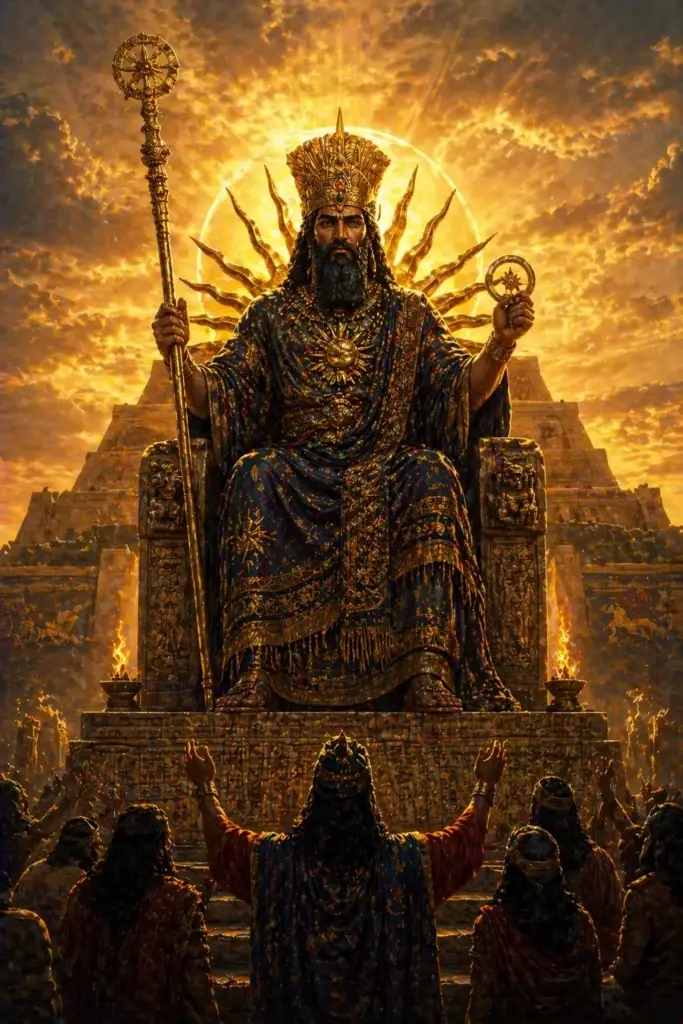
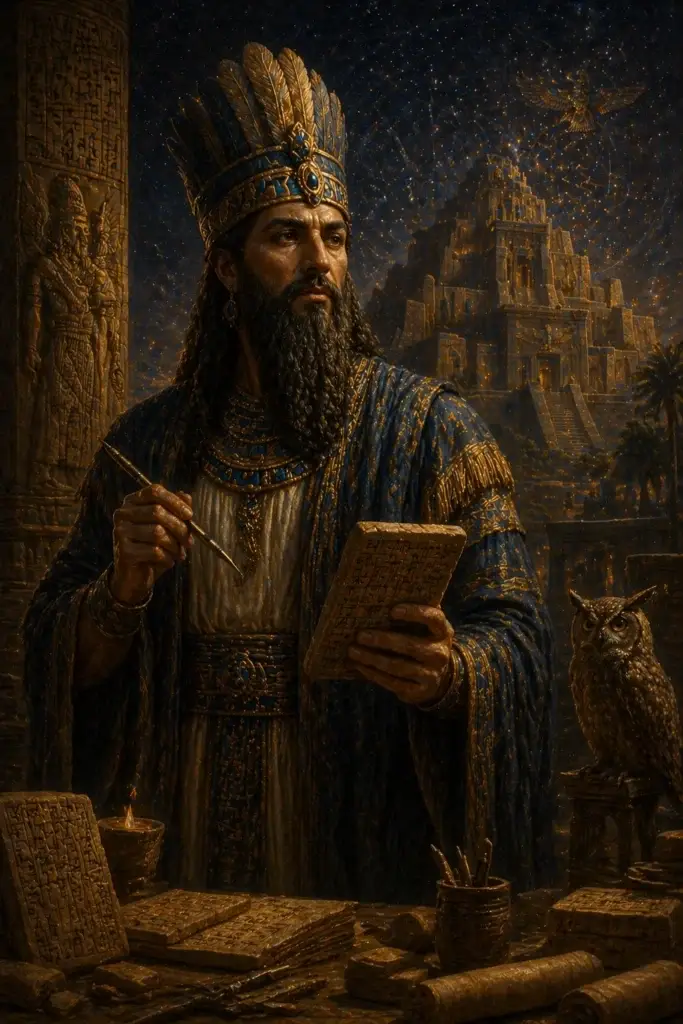
No pictorial depiction has survived; he is conceived purely functionally as an irrigation god.
Effect
As overseer of the rivers he secures pastures and harvests, and according to one incantation even the order of time.
Profile: Enbilulu
The key aspects of the canal god at a glance.
Sumero-Babylonian pantheon since the Early Dynastic period.
Rivers, canals, irrigation, above all the Euphrates and Tigris.
No established iconography, conceived in purely functional terms.
Secures pastures and harvests, regulates the water.
Cult seat in the Esagila, otherwise agricultural incantations.
From an independent god to a name of Marduk
In myth, Enbilulu is regarded as the son of Enlil and Ninlil, elsewhere as the son of Ea.
Enki entrusts him with the Euphrates and Tigris; from then on he is canal inspector of heaven and earth and, in the Enuma Elish, one of the fifty names of Marduk.
One name among fifty
Hardly known outside Assyriology, Enbilulu lives on mainly in secondary lists of Marduk’s names. In religious studies he illustrates the absorption of lesser deities by an imperial god, and is more thinly attested than the great deities.
Incantation instead of temple cult
A late incantation text from Der invokes Enbilulu together with agricultural deities for the protection of fields; a cult seat in the Esagila is recorded together with Enmesharra, but a temple cult of his own is lacking. Holy water, amulet and salt connect to this.
Between primordial water and the name of Marduk
Frequently asked questions about Enbilulu
Was Enbilulu a name of Marduk from the outset?
No, only from the Enuma Elish onward; originally an independent irrigation god.
Why is so little known about him?
A narrowly defined agricultural deity without a temple cult, only sparsely attested.
Further links
Further reading:
Literature (selection)
Further standard works in the bibliography.
Enbilulu, god of irrigation: overseer of the Euphrates and Tigris, who secured pastures and harvests, even though his cult receded behind Marduk.