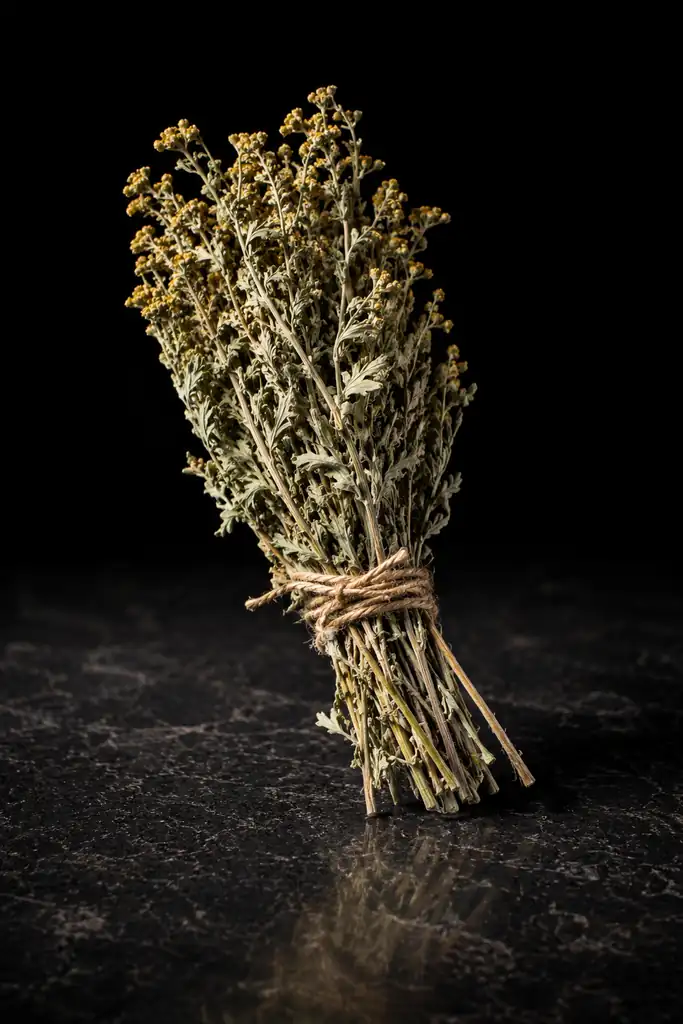
Vervain – Magic and Protective Herb of Tradition
By Ralf Ittermann · last reviewed on
Vervain (Verbena officinalis), also known in folk speech as verbena, wish herb or druid’s herb, is among the plants most closely associated with magic and protection in Europe. According to tradition, it was already regarded as a sacred herb of special power among the Celts and Germanic peoples.
The Latin epithet Hierobotane, the ‘sacred herb’, points to its veneration as early as antiquity. In medieval folk belief, vervain was said to make its bearer invulnerable to bladed weapons, stabbing weapons and firearms, an idea that likely underlies the German name ‘Eisenkraut’ (iron herb).
In tradition, vervain is regarded as a classic magic and protective herb.
Quick Overview
Vervain (Verbena officinalis) is an unassuming perennial native throughout Europe, with small purple flowers. Despite its modest appearance, it is among the plants with a particularly rich tradition of magic and protection in the European region.
In German folk speech it bears names such as Wunschkraut (wish herb), Wunderkraut (miracle herb), Taubenkraut (dove herb) or Druidenkraut (druid’s herb), pointing to the special power attributed to it. It is used in tradition as a component of amulets, as an ingredient of so-called vervain water, and as an incense herb.
Origin and Tradition
The veneration of vervain reaches back into antiquity. Greeks and Romans attributed ritual significance to it, it was used in sacrificial ceremonies and valued as a purifying herb. In the Celtic cultures, tradition holds that it was gathered by the druids at particular times while observing strict rules.
Medieval herbals and magical manuscripts describe elaborate gathering rituals: the root was to be surrounded with honey, dug up amid prayers and, according to some sources, was not to be touched with iron, a contradiction to the German name that tradition does not resolve. An old mnemonic verse even explicitly advises digging with gold instead of iron.
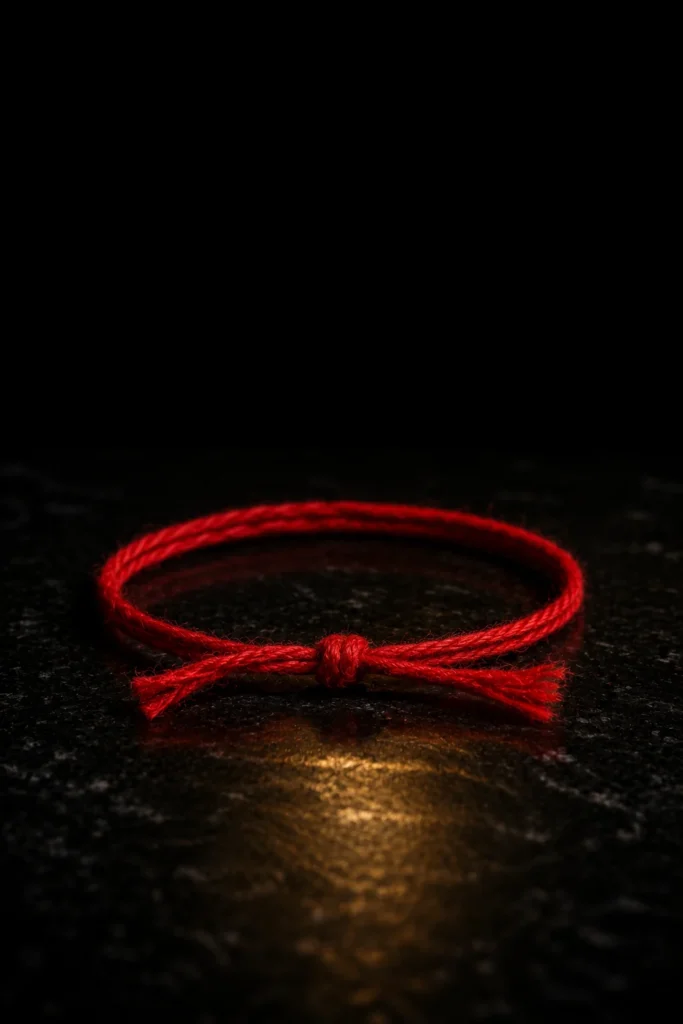
In German-speaking folk belief, vervain was hung around children’s necks in small pouches to protect them from being cursed by an evil eye or from bewitchment, a practice documented sporadically into more recent times.
Operating Principle According to Tradition
Tradition attributes a twofold effect to vervain: on one hand it was said to make the body invulnerable, that is to protect against weapons and injury, and on the other to guard against invisible attacks such as bewitchment and the evil eye. This dual role as protection against both visible and invisible danger is unusually pronounced among protective herbs.
The basis of this power was held to be the plant’s particular purity, already suggested by the name Hierobotane. The so-called vervain water obtained from the leaves was used to sprinkle rooms and objects, in the belief that the power bound within the herb would transfer to whatever was sprinkled.
Cross-Cultural Distribution
Vervain is one of the few protective plants whose tradition can be traced almost without interruption from antiquity to modern times. Among the Romans it was regarded as a sacred plant of Jupiter and was given to envoys, who hoped it would grant protection on journeys and in negotiations.
In the Celtic world, particularly in Gaul and the British Isles, the connection to the Druids is firmly established in folklore literature, even though the exact historical rituals survive only in fragments.
This broad tradition, traceable across centuries and cultural regions, places vervain among the central plants of European herbal protection lore.
What It Is Used Against
Tradition employs vervain chiefly against bewitchment and evil magic. Alongside this is the belief that it protects against violence by weapons, against the ‘overlooking’ (bewitching gaze) of children and livestock, and against the evil eye in general.
In some regions, vervain was also given to travellers and their horses to protect them from accidents and hostile encounters on the road. The Protection Compass assigns these threat categories to the herbs for which they are documented in the sources.
Application and Limits
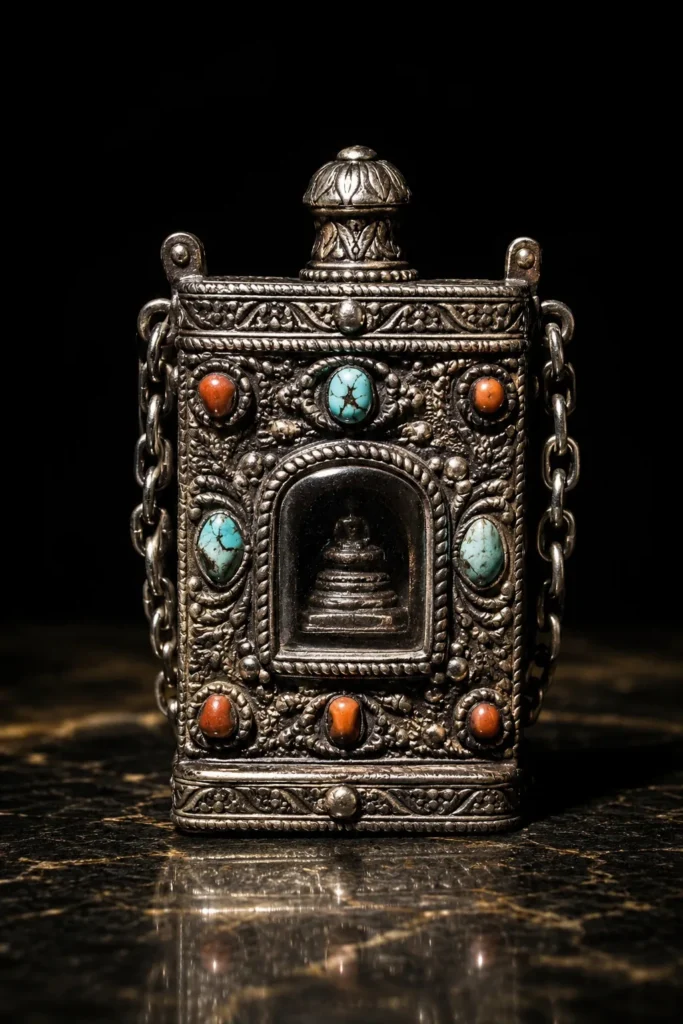
According to traditional practice, dried vervain was carried on the body in small pouches or used as an amulet ingredient. Its use as censing is also documented, where the dried herb was smouldered to free rooms of harmful influences.
The vervain water mentioned was used to sprinkle thresholds and objects, following similar practices with salt and holy water.
One limitation of the tradition lies in the contradictory instructions for gathering the plant: depending on the source, it was to be dug up with the bare hand, with gold, or under particular star constellations, pointing to inconsistent, strongly regionally varying knowledge.
Literature (selection)
Related key terms: vervain verbena wishing herb druid’s herb.
iWell Guard and Protective Traditions
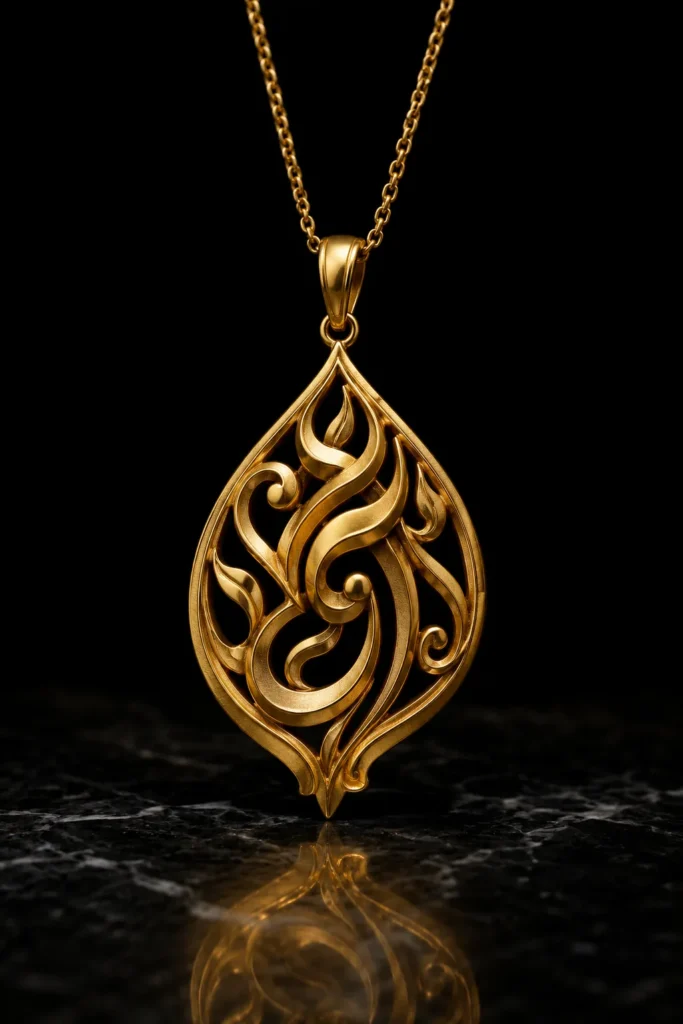
The idea that a plant could render one invulnerable and, at the same time, protect against invisible attacks shows how closely bodily and spiritual protection were linked in folk belief. The iWell Guard takes up this principle of a carried, lasting protective effect.
What the vervain pouch worn at a child’s neck was meant to achieve, namely a constant companion against invisible danger, the pendant transfers into a contemporary form, without claiming the magical effect once attributed to it.
Personal experiences may vary. Not a medical device. No promise of healing.